If you are a procurement manager or OEM engineer sourcing custom CNC components, you’ve likely been burned by the same three headaches: a “Tier 1” supplier that suddenly ghosted your late-night DFM questions, a batch of critical pump manifolds that arrived with tolerance stacking errors, or a standard 3-week lead time that quietly stretched into 6 weeks without warning.
As we head into 2026, navigating the CNC machining market in China is no longer about finding the absolute lowest price per kilogram—it’s about eliminating these costly operational risks. If your current supplier treats your ±0.001mm print as a “suggestion” rather than a strict requirement, your entire assembly line pays the price.
This guide cuts through the marketing noise to give you the raw engineering logic, 2026 cost drivers, and quality control frameworks required to secure a reliable, high-precision manufacturing partner in China.
1. The 2026 Landscape of Precision CNC Machining in China
The era of the low-cost, dark, and oily “mom-and-pop” machine shop in China is officially over. Driven by strict environmental regulations, rising domestic wages, and industrial modernization, the Chinese manufacturing ecosystem has undergone a massive consolidation.
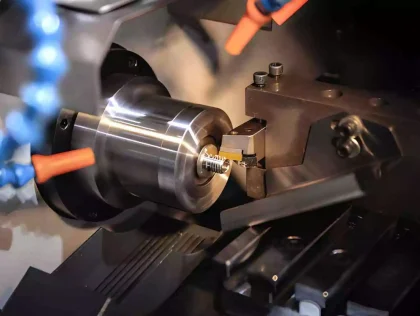
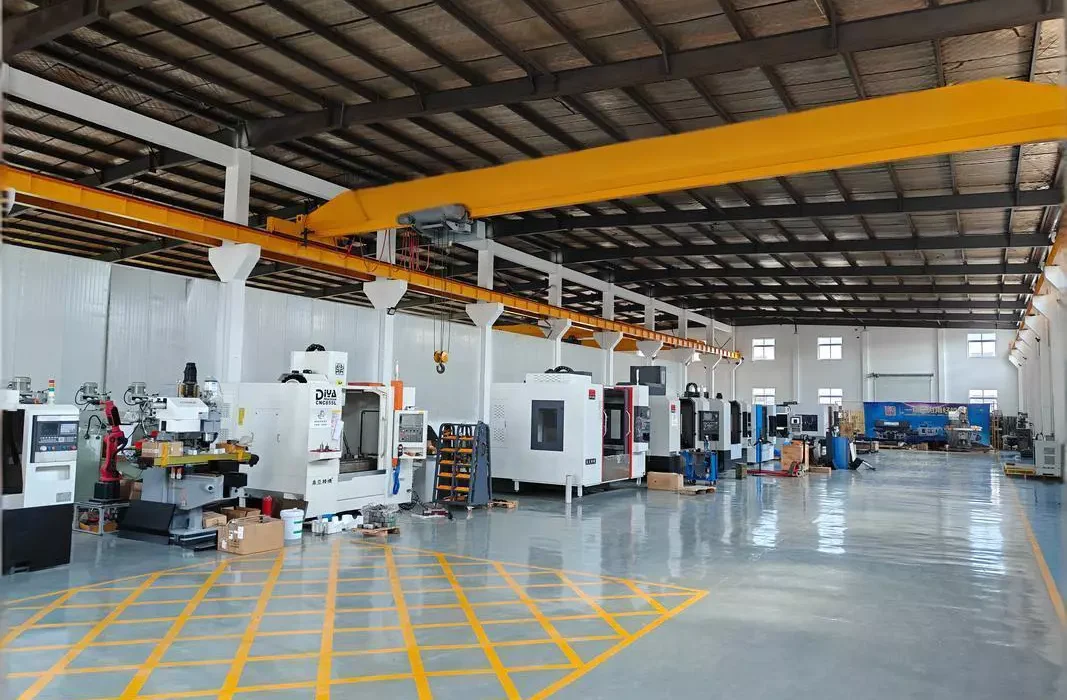
Today, surviving Tier 1 suppliers in China’s manufacturing hubs (primarily the Yangtze River Delta and Pearl River Delta) do not compete on cheap labor. Instead, they compete on high-end automation, multi-axis machining capabilities, and raw engineering velocity.
| Factor | 2026 Chinese Tier 1 Shops | Western Europe / North America |
| Core Equipment | Standardized on Japanese/Taiwanese 4 & 5-axis lines | High-end 5-axis lines |
| Engineering Support | Rapid, 24/7 DFM turnarounds | Thorough but slower administrative feedback |
| Supply Chain Depth | Hyper-localized (Casting to plating within a 5-mile radius) | Fragmented; heavy reliance on sub-contractor shipping |
When you source precision CNC machining from an established Chinese partner, you are leveraging a hyper-localized infrastructure. A single industrial park often integrates raw casting foundries, forging facilities, domestic heat-treatment plants, and certified surface-finishing vendors. This elimination of cross-country transit for intermediate processing steps is the true driver behind China’s competitive pricing and aggressive timelines.
2. Scalability: From CNC Prototyping to Low-Volume Production
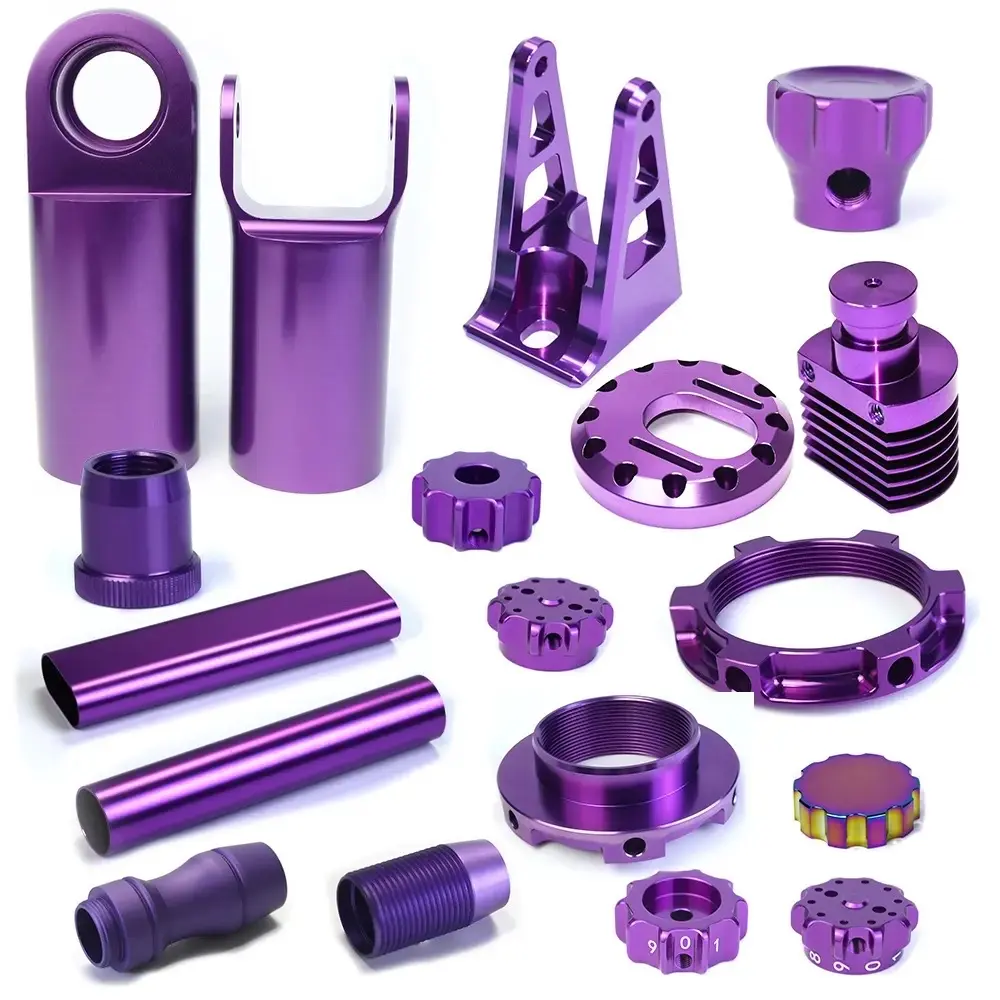
A critical mistake overseas buyers make is choosing a supplier optimized for the wrong phase of the product lifecycle. A dedicated mass-production factory will overcharge you for prototyping, while a pure prototyping shop lacks the quality systems required to scale.
| Production Phase | Typical Timeline | Volume Target | Core Manufacturing Focus |
| 1. Design & DFM | 24–48 Hours | 3D Files / Prints | Eliminating machining bottlenecks before cutting metal. |
| 2. CNC Prototyping | 3–5 Days | 1–5 Pcs | Rapid functional testing and independent CMM inspection. |
| 3. Low-Volume Production | 2–3 Weeks | 100–5,000 Pcs | Minimizing CapEx via modular fixture amortization. |
| 4. Mass Scalability | Scheduled | 5,000+ Pcs | Maximizing throughput via automated horizontal CNC cells. |
CNC Prototyping (3–5 Days)
Let’s be realistic: anyone promising a 24-hour turnaround on a complex industrial component is cutting corners on fixture setup or toolpath simulation, resulting in out-of-tolerance parts. High-quality CNC prototyping requires a dedicated engineering team separate from the production floor. This ensures your initial 1 to 5 pieces are fully inspected on a coordinate measuring machine (CMM) before they hit the shipping dock.
Low-Volume Production (100–5,000 Pieces)
The real bridge to market happens in low-volume production. Experienced Chinese machine shops utilize modular fixturing systems (such as zero-point clamping systems). By avoiding the cost of dedicated, permanent workholding jigs for short runs, they can pass the cost savings directly to you, minimizing your upfront capital expenditure.
Scalability
When your project scales past 5,000 units, the shop should seamlessly transition your part files to automated horizontal machining centers or pallet-loading CNC cells. This multi-tiered capability ensures consistency from your first functional prototype to your final production batch.
3. How Chinese Machine Shops Optimize CNC Machining Lead Times
When an overseas order is delayed, the bottleneck is rarely the actual machining cycle time on the CNC machine. The true culprits are raw material lead times, outer-process backlogs (like anodizing or powder coating), and communication delays due to time-zone differences.
Reliable shops compress CNC machining lead times using three specific operational protocols:
- Material Pre-Stocking Agreements: For ongoing contract manufacturing agreements, Tier 1 shops maintain rolling inventories of common bar stock and forging blanks (e.g., 6061-T6 aluminum or 4140 alloy steel) to bypass the 3- to 7-day raw material lead time.
- Integrated Secondary Processing: Rather than using unverified third-party shops, established manufacturers partner exclusively with local, environmentally compliant surface-treatment facilities that offer dedicated production lines for international aerospace, automotive, or medical accounts.
- Predictable Production Scheduling: Through localized ERP tracking systems, you should expect realistic, non-embellished timelines:
- Simple turned parts: 2–3 weeks typical turnaround time.
- Complex 5-axis components: 4–5 weeks typical turnaround time (inclusive of heat treatment and complex plating).
4. Evaluating Quality Control and AS9100 / ISO 9001 Certifications
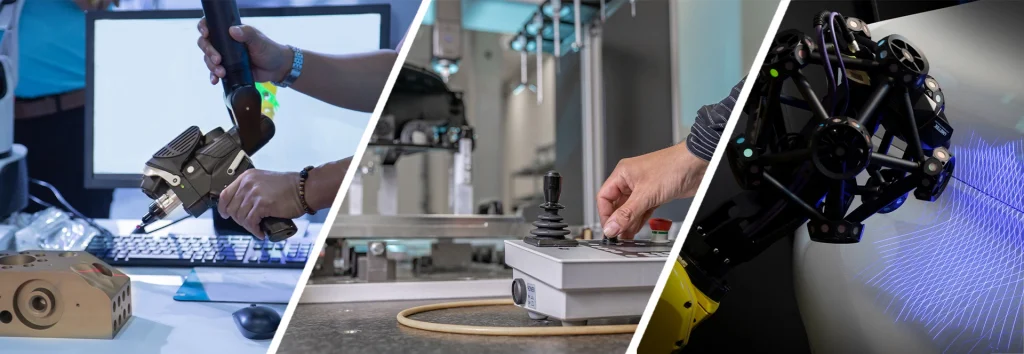
An ISO 9001 certification or an AS9100 aerospace certificate displayed on a homepage is merely a barrier to entry—it does not guarantee that your parts will fit together perfectly on the assembly line. You need to know exactly how a shop’s quality assurance team operates on the concrete floor.
- Step 1: Incoming Material Inspection → Verify raw stock heat lots before they hit the production floor.
- Step 2: In-Process IPQC → Operator manual checks with calibrated micrometers every 10–15 parts to catch tool drift.
- Step 3: Metrology & Final FQC → Climate-controlled laboratory inspection utilizing CMM equipment.
A transparent, industrial-grade quality control workflow must include:
Material Verification
Every batch of raw metal block, casting, or forging must be cross-checked using an X-ray fluorescence (XRF) spectrometer. Do not accept a supplier who cannot provide a traceable material test report (MTR) verifying the chemical composition and mechanical properties of the exact heat lot used.
In-Process Quality Control (IPQC)
Machinists should not wait until a 500-piece batch is finished to check for tool wear. Operators must perform manual measurements using calibrated micrometers or Go/No-Go gauges at a set frequency—typically every 10 to 15 parts—to detect dimensional drift before it breaches your tolerance limits.
Metrology & CMM Inspection
Critical dimensions and geometric features (such as true position, cylindricity, and flatness) must be verified inside a climate-controlled inspection lab using a Coordinate Measuring Machine (CMM). For your peace of mind, every shipment should be accompanied by a comprehensive First Article Inspection Report (FAIR) and final dimensional reports.
5. Leveraging DFM Feedback to Minimize CNC Machining Costs
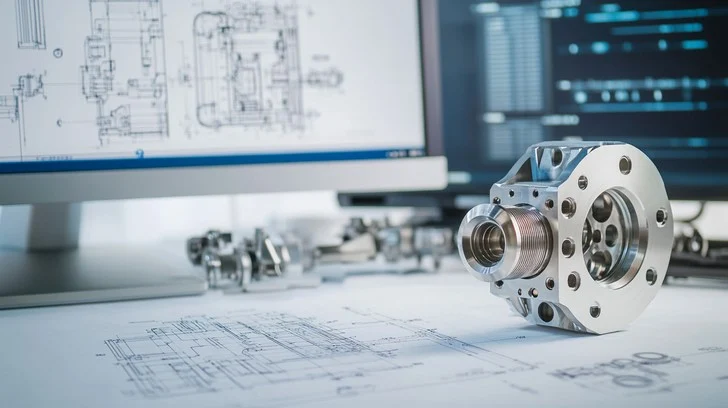
The most effective way to protect your margins is to optimize your parts for subtractive manufacturing before sending them to the shop floor. An honest, expert-led machine shop will never blindly machine a flawed drawing just to bill you for the extra machine hours. They will provide actionable DFM feedback to simplify setups and lower your final CNC machining costs.
Here are two primary cost drivers where a simple design adjustment can save you thousands of dollars:
The Corner Radius and Deep Pocket Trap
CNC tools are round. If your drawing features sharp internal corners or deep pockets with a small internal corner radius, it forces the shop to use slow, fragile, small-diameter end mills. This dramatically increases cycle times and tool breakage risks.
Here is the golden rule for shop floors: Keep your pocket depth under 3 times the tool diameter.
If your pocket depth exceeds this 3:1 ratio, you are paying a premium for machine time. Designing generous internal radiuses allows the machinist to use rigid, high-feed cutters, slashing your billable machine hours.
Over-Specifying Tolerances
It is easy to default to a global title-block tolerance of ±0.01mm (±0.0004 in.) on every single dimension of a part. However, if that dimension is merely an open air clearance or a cosmetic outer frame, you are artificially driving up your costs.
Tight tolerances force the shop to slow down feeds and speeds, use expensive finishing tools, and run climate-controlled inspection lines. For non-critical dimensions, always default to standard engineering classes like ISO 2768-m. Reserve your critical micro-tolerances strictly for press-fits, bearing bores, and dynamic mating seals.
6. Metal and Plastic Material Selection for Industrial Applications
The performance, structural integrity, and surface-finishing success of your custom components rest entirely on correct material selection.
Using sub-par or unverified metal scraps results in catastrophic anodizing blemishes, stress fractures, and tool-chatter marks. A professional shop works exclusively with traceable, mill-certified industrial materials:
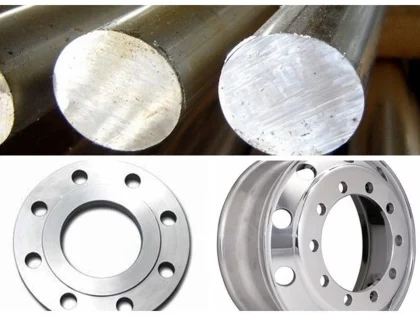
- Aluminum Alloys (6061-T6, 7075-T6): The gold standards for structural lightweighting. 6061 offers exceptional weldability and excellent anodizing cosmetic results, while 7075 provides high-yield strength comparable to structural steels.
- Stainless Steels (304, 316, 17-4 PH): Essential for corrosive environments. 316 stainless steel is mandatory for marine and chemical environments due to its molybdenum content. 17-4 PH is highly favored for industrial pump parts because it can be precipitation-hardened to incredible tensile strengths after machining.
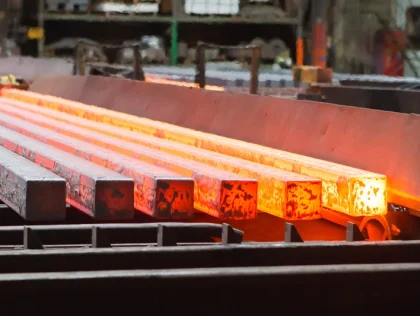
- Alloy Steels and Carbon Steels (4140, 1045 / 45#): The workhorses of the heavy machinery industry. 4140 alloy steel provides exceptional fatigue strength and toughness for structural shafts, gears, and high-load adapters when properly quenched and tempered.
Conclusion & Actionable Next Steps
Sourcing precision CNC machining services from China in 2026 is no longer an exercise in chasing cheap labor quotes. It is a strategic partnership centered on engineering transparency, verified quality control metrics, and robust DFM alignment. By choosing a partner who provides honest shop-floor realities and data-driven feedback over empty marketing slogans, you insulate your supply chain from costly delays and assembly line failures.
Ready to eliminate supply chain risks for your 2026 projects? Skip the administrative salespeople and talk directly to our engineering desk. Upload your STEP/IGS files today to receive a comprehensive, no-nonsense DFM review and an airtight technical quote within 24 hours.