What is CNC Anodized?
Ever wondered what makes certain metal parts look sleek, colorful, and resistant to wear? That’s where CNC anodized parts come into play. But what exactly does “CNC anodized” mean?
Definition of CNC Anodized Parts
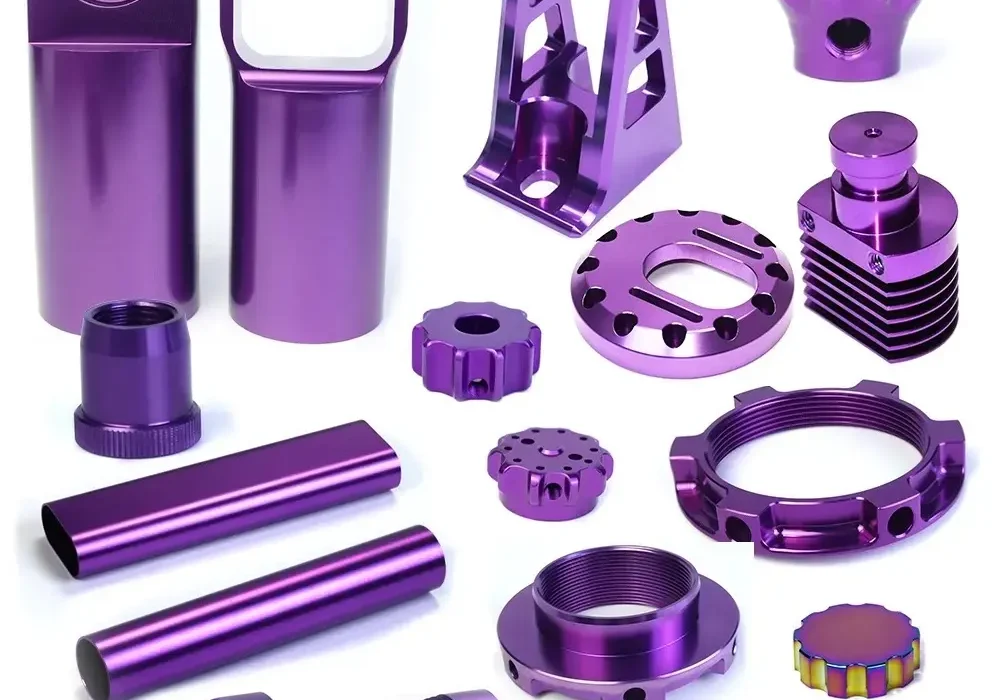
CNC anodized parts are metal components that have undergone a precise manufacturing process combining CNC machining with anodization. CNC machining involves using computer-controlled tools to shape metal with high accuracy, creating complex and detailed parts. After shaping, these parts are treated with an anodizing process to enhance their surface.
How CNC Machining and Anodization Work Together
The process starts with CNC machining, which gives the part its exact shape and dimensions. Once the part is finished, it goes through CNC anodization—a controlled electrochemical process that thickens the natural oxide layer on the metal surface. This creates a durable, corrosion-resistant, and often colorful finish, making the part both functional and visually appealing.
Standard Anodizing vs. CNC Anodized Parts
- Standard anodizing is often done on bulk or simple parts, usually without precise control over the shape.
- CNC anodized parts are custom-shaped, complex, and crafted with precision before being anodized, ensuring consistent quality and detailed finishes—even on intricate geometries.
Materials Used for CNC Anodized Finishes
Most CNC anodized parts are made from aluminum, thanks to its excellent strength-to-weight ratio and natural ability to accept anodizing. Other metals like titanium and magnesium can also be anodized, but aluminum remains the most common choice for CNC anodized aluminum parts due to its affordability and versatility.
In , CNC anodized parts combine the precision of CNC machining with the surface benefits of anodization, providing durable, attractive, and customizable components for a wide range of industries.
The CNC Anodization Process

Preparing Raw CNC Machined Parts
The first step in CNC anodization is preparing the raw CNC machined parts. This involves inspecting the parts for any burrs, sharp edges, or surface imperfections that could affect the anodizing process. Proper preparation ensures a uniform and high-quality anodized finish. Typically, parts are cleaned thoroughly to remove oils, dirt, and grease, which can interfere with the electrochemical oxidation process. For more detailed surface prep techniques, you can check out CNC drawing.
Cleaning and Surface Preparation
Cleaning is critical to achieve durable anodized surfaces. Parts are usually degreased and rinsed with specific cleaning agents to remove contaminants. Surface preparation may also include light sanding or abrasive blasting to create a better surface for the anodized coating to adhere to. This step helps in producing a smooth, high-quality finish, especially for high-precision anodized components like aerospace anodized CNC parts.
Electrochemical Oxidation in Anodization
The core of the process is electrochemical oxidation, where parts are submerged in an electrolyte solution and subjected to electrical current. This causes the aluminum or other metals to develop a thick, protective oxide layer. This layer enhances corrosion resistance and wear resistance, making CNC anodized aluminum coating ideal for demanding industries. The process can be precisely controlled to achieve consistent results, supporting the production of high-precision anodized components.
Coloring Options During Anodizing
One of the biggest advantages of CNC anodization is the ability to add color during the process. By introducing dyes into the electrolyte bath, we can produce vibrant, durable colors like black anodized CNC parts or custom color finishes. This makes anodized metal parts manufacturing popular for decorative uses, including custom art and architectural projects. The coloring process is flexible, allowing for a wide range of color anodized CNC machining options.
Sealing and Final Finishing
After coloring, the anodized surface is sealed to lock in the dye and enhance corrosion resistance. Sealing involves hydrating the oxide layer, which closes the pores and provides a durable finish. Proper sealing is essential for long-lasting, corrosion-resistant anodized hardware. The final finishing touches may include polishing or additional surface treatments to improve aesthetics and surface smoothness.
How CNC Machining Supports Customization
CNC machining plays a vital role in supporting customization in the anodizing process. It allows for creating complex geometries and precise features that can be fully customized before anodization. Whether you need intricate decorative patterns or specific dimensions, CNC machining ensures the parts are ready for high-quality anodized finishes. This flexibility makes CNC anodized aluminum parts a top choice for industries that require both precision and aesthetic appeal.
Benefits of CNC Anodized Parts
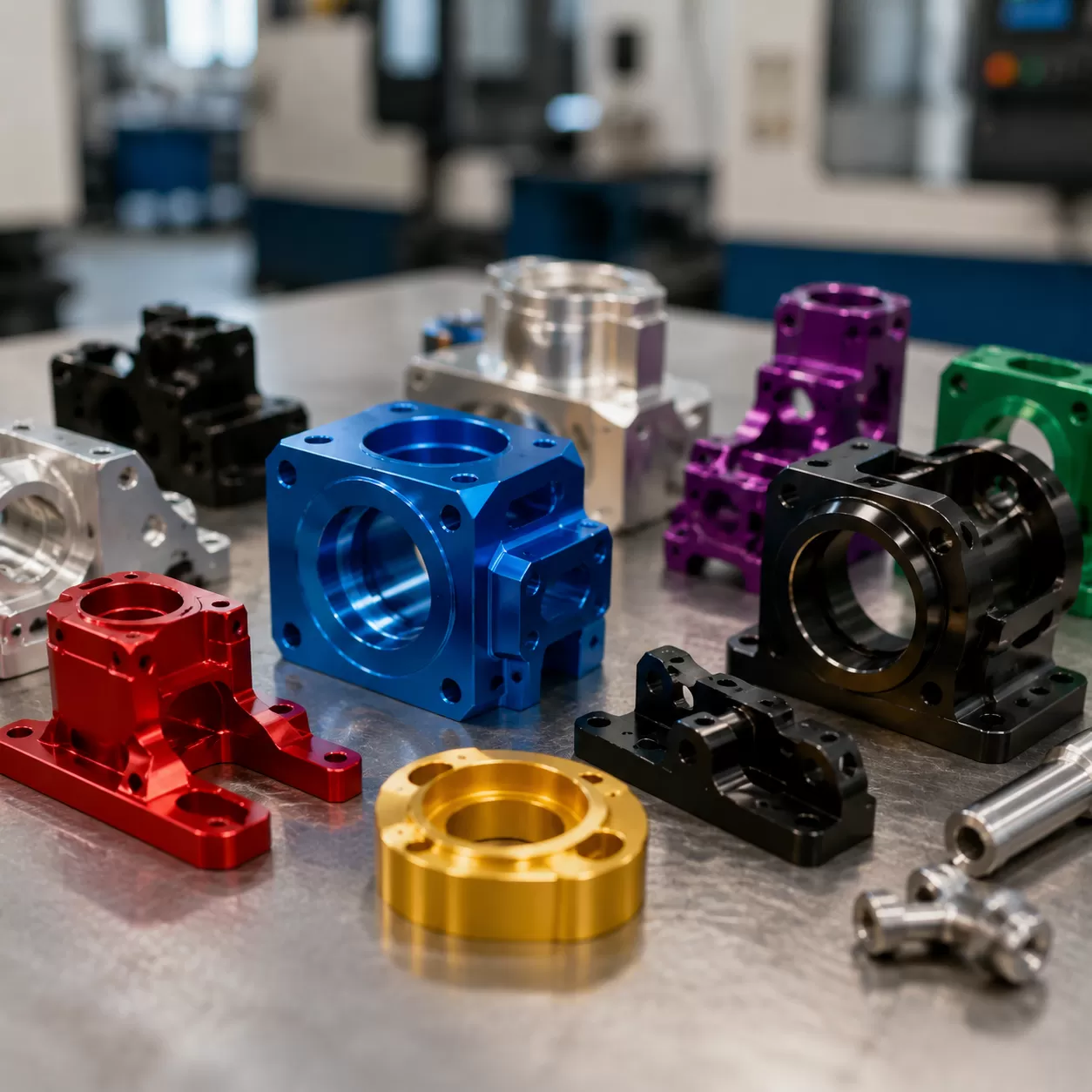
CNC anodized parts offer a range of advantages that make them ideal for many industries. Here’s a quick look at the main benefits:
Corrosion and Wear Resistance
One of the biggest perks of CNC anodized aluminum parts is their excellent resistance to corrosion and wear. The anodization process creates a durable surface that protects the metal from rust and damage, especially in harsh environments. This makes CNC anodized aluminum coating perfect for outdoor or industrial use where longevity matters.
Better Surface Finish
CNC anodized finishes give parts a smooth, high-quality surface. This not only improves the look but also reduces friction, which is helpful in moving parts or components that need a slick surface.
Aesthetic Appeal and Color Options
Anodized CNC machining parts can be customized with a variety of colors, from sleek black anodized CNC parts to vibrant hues. This makes them popular for decorative applications, branding, or any project where style counts.
Improved Durability and Longer Service Life
Thanks to the protective oxide layer, CNC anodized parts tend to last longer. They resist scratches, corrosion, and general wear, which means less maintenance and replacements over time.
Lightweight Strength for Demanding Industries
Aluminum parts that are CNC anodized are lightweight but still strong. This combination is especially valuable in aerospace, automotive, and other demanding fields where reducing weight while maintaining strength is crucial.
Precision for Complex Geometries
CNC machining allows for precise, complex shapes, and anodization enhances these features without adding bulk. This makes CNC anodized parts ideal for intricate designs that require both accuracy and durability.
These benefits make CNC anodized parts a smart choice for customers seeking high-performance, long-lasting, and visually appealing components.
Applications of CNC Anodized Parts
CNC anodized parts are used across many industries because of their durability, aesthetic appeal, and precision. In industrial and manufacturing settings, these high-precision anodized components are essential for machinery and equipment that require corrosion resistance and wear resistance. For example, anodized aluminum parts are common in heavy-duty applications where longevity matters.
In consumer electronics, CNC anodized aluminum offers a sleek look and added protection for devices like smartphones, tablets, and laptops. The anodized coating not only enhances appearance but also extends the lifespan of the parts, making them more resistant to scratches and corrosion.
Automotive manufacturers also rely on CNC anodized parts for their lightweight strength and durability. These parts can be customized with different colors and finishes, making them popular for both functional components and aesthetic upgrades.
In aerospace, CNC anodized CNC parts are valued for their lightweight yet strong properties, plus their ability to withstand extreme conditions. The anodization process helps aerospace components resist corrosion and maintain their performance over time.
Decorative and architectural uses are another big area. Anodized aluminum’s vibrant color options and decorative finishes make it ideal for building facades, interior decor, and custom art projects. Its ability to be precisely machined into complex geometries allows for creative designs that stand out.
Overall, CNC anodized parts are versatile, offering solutions from industrial machinery to high-end decorative projects. Their combination of durability, customization, and aesthetic options makes them a go-to choice across many sectors. If you’re interested in exploring how CNC anodized parts can benefit your project, MS Machining offers specialized CNC anodizing services that support custom designs and high-quality finishes.
CNC Anodized vs. Other Finishes

When comparing CNC anodized parts to other finishes like paint or powder coating, there are clear differences in durability, appearance, and cost. Anodized aluminum parts, especially those created through CNC machining and anodization, tend to offer a more durable and long-lasting surface. Unlike painted parts, which can chip or peel over time, CNC anodized finishes are integrated into the metal surface, making them more resistant to scratches and corrosion.
In terms of cost, anodizing is often more economical in the long run because it requires less maintenance and provides a longer-lasting finish. While initial costs might be slightly higher than painting, the extended durability and better surface protection make CNC anodized parts a smarter investment.
When it comes to appearance and performance, CNC anodized finishes deliver a sleek, uniform look with vibrant color options during the anodizing process. Unlike powder coating, which can sometimes feel thicker or less refined, anodized surfaces tend to be smoother and more precise, especially for complex geometries. Plus, anodized aluminum parts are lightweight yet strong, making them ideal for demanding industries like aerospace, automotive, and electronics.
Overall, CNC anodized parts stand out for their combination of durability, aesthetic appeal, and cost-effectiveness compared to other finishing options.
How to Choose a CNC Anodized Supplier
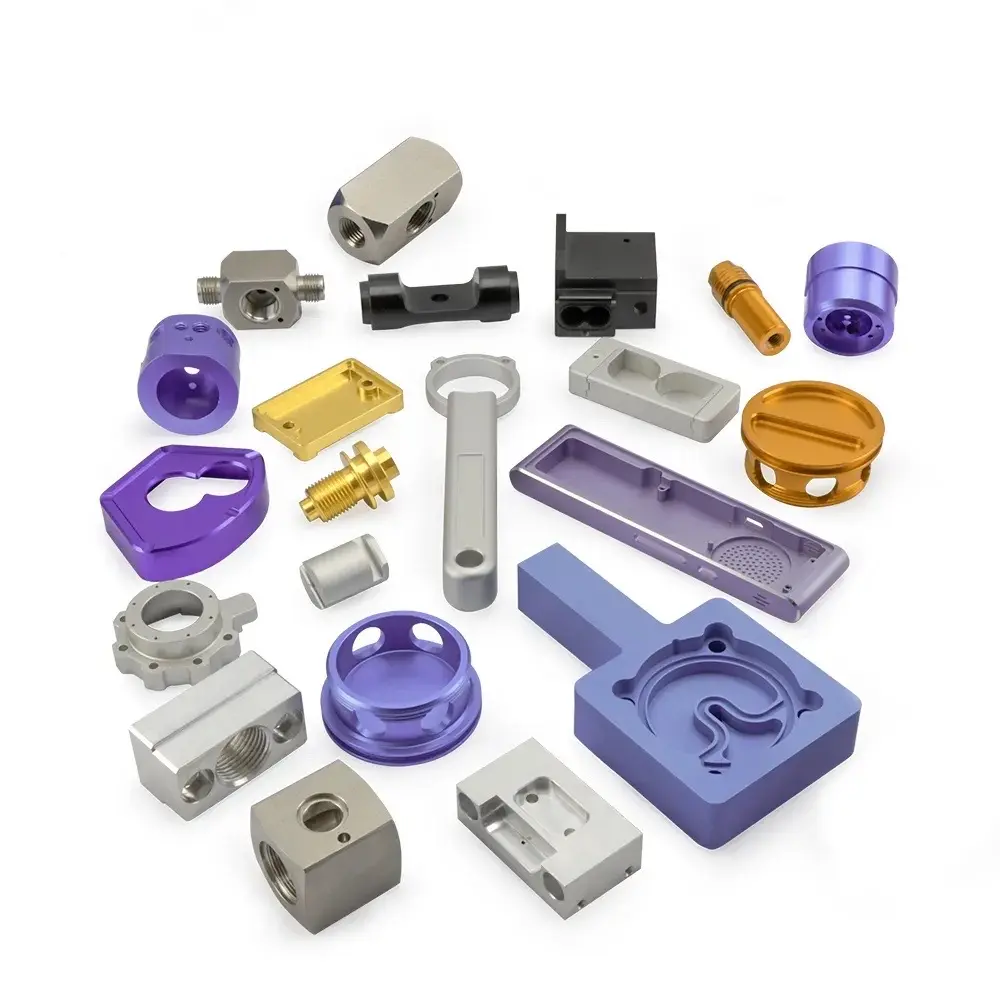
Picking the right supplier for CNC anodized parts is key to getting durable, high-quality finishes. Here’s what to look for:
Quality Assurance
Make sure your supplier follows strict quality control standards. Look for certifications like ISO 9001, which show they meet industry benchmarks for quality and consistency. This ensures your CNC anodized aluminum parts will have a reliable surface finish and long-lasting durability.
Certifications and Standards
A reputable provider should have relevant certifications that prove their processes meet industry standards. Certifications like ASTM or NADCAP are good indicators of quality, especially if you need aerospace or automotive-grade anodized CNC components.
Custom Color and Finish Options
Your supplier should offer a variety of color anodized CNC machining options. Whether you want black anodized CNC parts or custom hues, check if they provide a range of finishes, including matte, gloss, or textured surfaces. This flexibility helps match your project’s aesthetic needs.
Turnaround Time
Fast delivery matters, especially for tight project deadlines. Ask about their typical lead times for custom CNC anodized parts. A supplier with efficient in-house anodization can often turn around orders quicker and with better quality control.
Technical Support and Experience
Choose a supplier with solid experience in CNC machining and anodization. They should be able to guide you through the process, suggest the best finishes for your application, and support complex geometries. Their expertise ensures your project runs smoothly from start to finish.
Table
| Criteria | What to Look For |
|---|---|
| Quality Assurance | Certifications like ISO 9001 |
| Certifications/Standards | ASTM, NADCAP, or industry-specific standards |
| Color/Finish Options | Wide range of anodized colors and textures |
| Turnaround Time | Quick lead times, especially with in-house anodization |
| Technical Support | Experienced team for guidance on complex parts |
Choosing a CNC anodized supplier with these qualities helps ensure you get durable, attractive, and precise finished parts that meet your needs. For more on CNC operations, check out MS Machining’s CNC services.
MS Machining CNC Anodized Capabilities
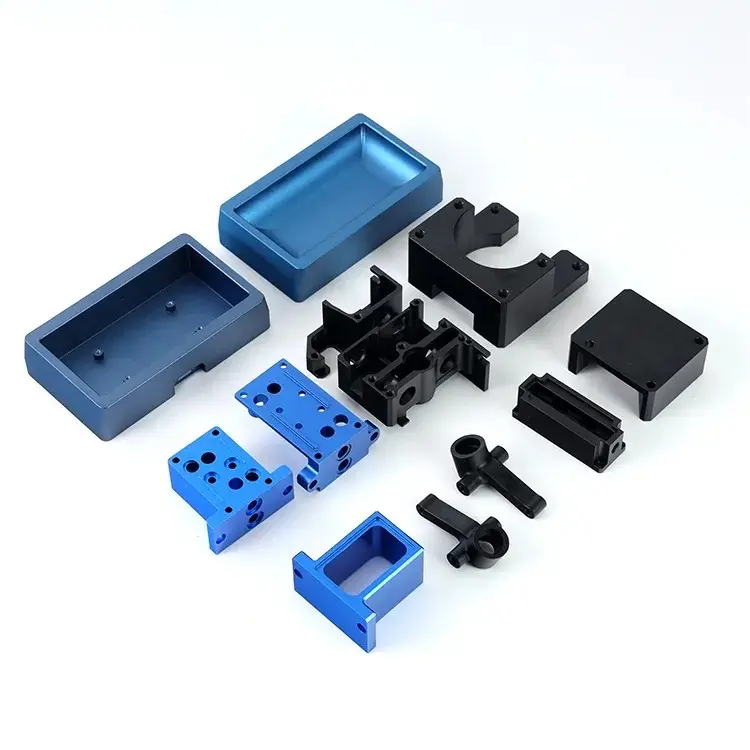
At MS Machining, we specialize in delivering high-quality, custom CNC anodized parts that meet the strictest standards. Our in-house anodization process allows us to control every step, ensuring a durable, visually appealing finish on your CNC machined anodized aluminum components. Whether you need black anodized CNC parts or vibrant color finishes, we can handle it with precision and consistency.
We maintain rigorous quality control standards to ensure each anodized metal part manufacturing project meets your specifications. Our team’s expertise in CNC machining and anodization supports complex geometries and custom finishes, making us a trusted partner for industries like aerospace, medical, and consumer electronics.
With a focus on precision manufacturing, we’ve completed numerous project examples that showcase our ability to produce durable anodized surfaces that resist corrosion and wear. Our in-house anodization service provider setup means faster turnaround times and better quality control, giving you confidence in every project.
FAQs About CNC Anodized Parts
Can CNC anodized parts be re-anodized?
Yes, CNC anodized parts can often be re-anodized, but it depends on the current finish and the material. Re-anodizing involves removing the existing coating and applying a new layer, which can be useful if you want to change colors or refresh the surface. It’s important to work with a supplier experienced in anodized metal parts manufacturing to ensure the best results.
How durable are CNC anodized finishes?
CNC anodized finishes are highly durable and resistant to corrosion, wear, and scratches. They’re especially popular in industries like aerospace and automotive where long-lasting, protective coatings are essential. Proper surface preparation and sealing during the CNC anodization process help extend the lifespan of the finish, making it suitable for demanding environments.
What colors are available?
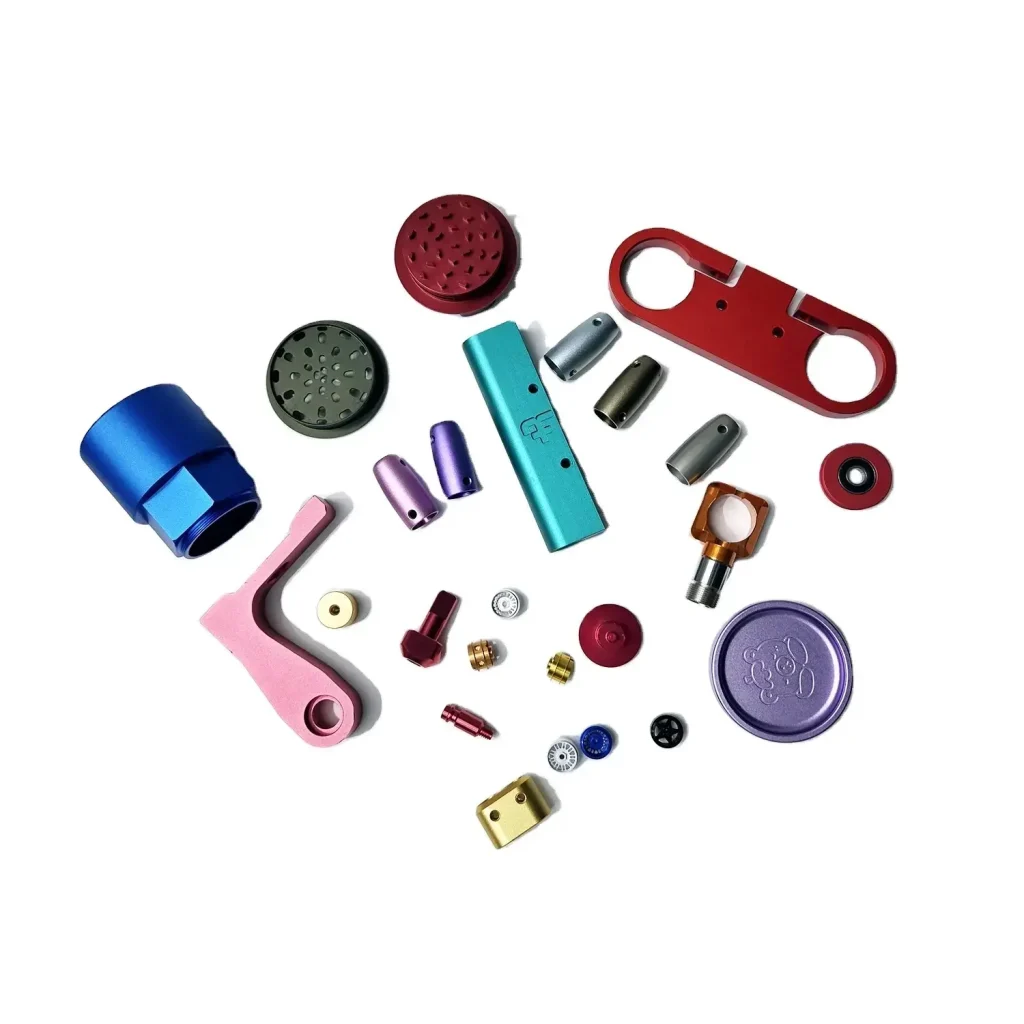
A wide range of colors is available for CNC anodized aluminum parts, from classic black and silver to vibrant reds, blues, and custom hues. During the anodization process, coloring options can be tailored to match specific design needs, making it ideal for decorative and branding purposes. For more unique colors, custom dyeing during the process is also an option.
Can complex geometries be anodized?
Absolutely. CNC machining allows for precise, complex shapes, and the anodization process can coat these intricate geometries evenly. This makes CNC anodized parts perfect for detailed designs, custom art projects, or components with tight tolerances. The key is working with a supplier that has experience in handling complex CNC anodized aluminum components.
What are the lead times for custom orders?
Lead times vary depending on the complexity of the part, the color finish, and the supplier’s capacity. Typically, custom CNC anodized parts can take anywhere from a few days to a few weeks. It’s best to discuss your project early with your CNC anodization service provider to get a clear timeline and ensure your project stays on schedule.
For more details on CNC anodized capabilities, you can visit MS Machining’s CNC production machining services.