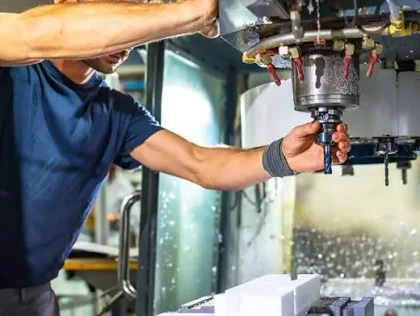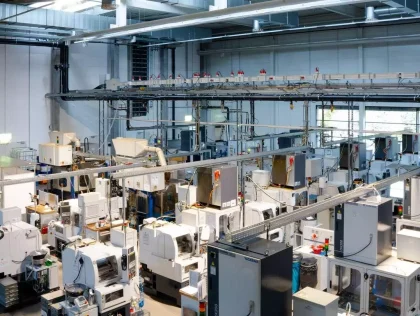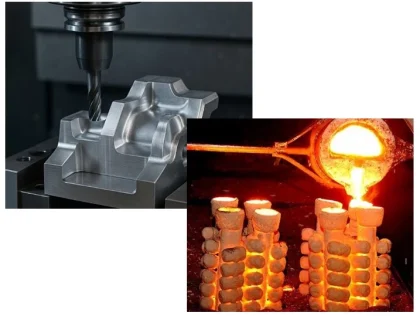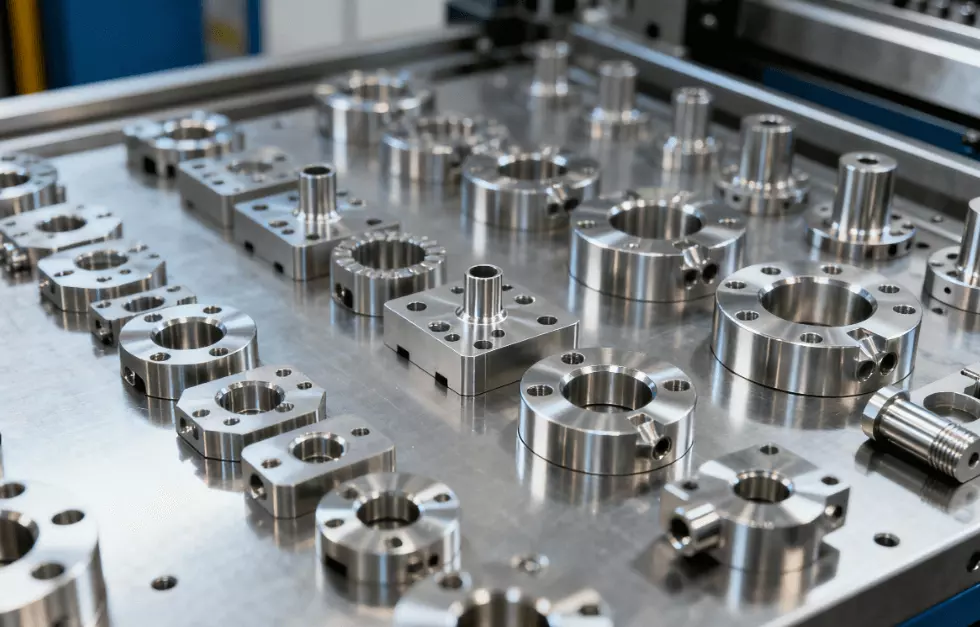
If you’re exploring CNC precision engineering, you’re tapping into one of the most critical technologies shaping modern manufacturing. Precision matters—whether it’s aerospace components, medical devices, or automotive parts, even the tiniest error can have huge consequences. But what exactly is CNC precision engineering, and how can it transform your production process? In this post, you’ll discover the core capabilities of CNC technology, the benefits of high-precision machining, and why partnering with experts like MS Machining can elevate your projects. Get ready to see how precision isn’t just a benefit—it’s the backbone of quality and innovation.
What is CNC Precision Engineering?
CNC precision engineering is a specialized form of manufacturing that uses computer-controlled machines to produce highly accurate parts and components. It combines advanced computer software with precise machinery to create products with tight tolerances and incredible consistency. This approach is essential for industries where precision isn’t just nice to have — it’s critical.
Overview of CNC Precision Engineering
At its core, CNC precision engineering is about turning digital designs into real-world parts with exact measurements. Using advanced manufacturing technology, it allows engineers to produce complex shapes and intricate details that traditional machining simply can’t match. Whether it’s tiny medical implants, aerospace parts, or high-performance automotive components, CNC precision engineering makes it possible.
How CNC Technology Improves Accuracy and Repeatability
CNC machines use sophisticated algorithms and automation to control every movement of the tool. This means parts are produced with micron-level accuracy, and each piece is identical to the last — repeatability that’s tough to achieve manually. Because of this, industries relying on precision manufacturing can count on products that meet strict standards every time.
CNC Machines Used in Precision Engineering
Several types of CNC machines support high-precision manufacturing:
- CNC lathes – for turning and shaping cylindrical parts
- CNC mills – for complex 3D shaping and drilling
- CNC grinders – to achieve surface finishes and fine tolerances
- Multi-axis machines – for highly intricate, multi-dimensional work
These machines work together to produce everything from small, detailed parts to large, complex assemblies.
Traditional Machining vs CNC Precision Engineering
Traditional machining relies heavily on manual skills and craftsmanship, which can lead to variability and lower accuracy. In contrast, CNC precision engineering automates the process, reducing human error and achieving tight tolerance machining with consistent results. This automation allows for faster production times and higher quality output, especially for complex parts that require precision.
Why Micron-Level Accuracy Matters in High-Stakes Industries
In fields like aerospace, medical devices, and automotive manufacturing, even tiny deviations can cause major failures. Precise parts with micron-level accuracy ensure safety, performance, and reliability. These industries demand a level of precision that only CNC precision engineering can consistently provide, making it an essential part of their manufacturing process.
The CNC Precision Engineering Process
Creating high-precision CNC components involves a well-defined process that ensures accuracy and consistency. It all begins with CAD/CAM design and programming, where engineers create detailed digital models using computer-aided design software. This step allows for precise control and adjustments before manufacturing even starts.
Next, material selection is crucial. Whether working with metals, plastics, or composites, choosing the right material impacts the final quality of the precision parts. Proper material choice helps optimize cutting speeds and tool life, making precision manufacturing more efficient.
The machining workflow then follows a set of planned steps—starting from setup and machine calibration to actual cutting. Setting up the CNC machines correctly—such as CNC mills, lathes, or grinders—is vital for achieving tight tolerance machining. Proper calibration of toolpaths and machine parameters ensures the right level of CNC milling accuracy.
During production, toolpaths are generated to guide the machine’s cutting tools along precise routes. These are optimized to minimize waste and maximize efficiency. Regular machine setup and calibration help maintain consistency, especially for complex or high-precision parts.
Once machining is complete, quality control and inspection methods come into play. Techniques like coordinate measuring machines (CMM) are used for detailed dimensional checks. These inspections verify that parts meet specified tolerances—sometimes at the micron level—ensuring they fit perfectly in their final assembly.
Finally, highly skilled engineers oversee the entire process, troubleshooting issues, adjusting parameters, and ensuring every step produces a reliable, high-quality part. Their expertise is critical in CNC precision engineering, enabling us to deliver consistent results for demanding industries like aerospace, medical, and automotive manufacturing.
Benefits of CNC Precision Engineering
CNC precision engineering offers many advantages that set it apart from traditional machining. Here’s what makes it a top choice for high-end manufacturing:
| Benefit | Details |
|---|---|
| High accuracy and tight tolerances | CNC machines can produce parts with micron-level precision. This ensures every piece fits perfectly, which is crucial in industries like aerospace and medical devices. You can learn more about CNC milling accuracy. |
| Consistent results across batches | Whether making a handful of prototypes or thousands of units, CNC delivers uniform quality every time. This repeatability is vital for both small-run prototypes and mass production. |
| Faster production and efficiency | Automated CNC processes speed up manufacturing. Setup times are shorter, and parts move quickly from design to finished product. This translates to faster turnaround times for clients. |
| Less waste and better cost control | Precise material removal means minimal waste, helping cut costs. Reduced rework from defect-free parts also lowers expenses in the long run. |
| Works with various materials | CNC accurately machines metals, plastics, and composites. This flexibility helps in industries that require diverse materials, like aerospace and automotive see more about stainless steel CNC machining. |
| Supports prototypes and mass production | CNC is perfect for creating initial prototypes and scaling up to large production runs without sacrificing quality. |
Overall, CNC precision engineering improves quality, increases efficiency, and reduces costs—making it an ideal choice for high-stakes industries and complex projects.
Applications of CNC Precision Engineering
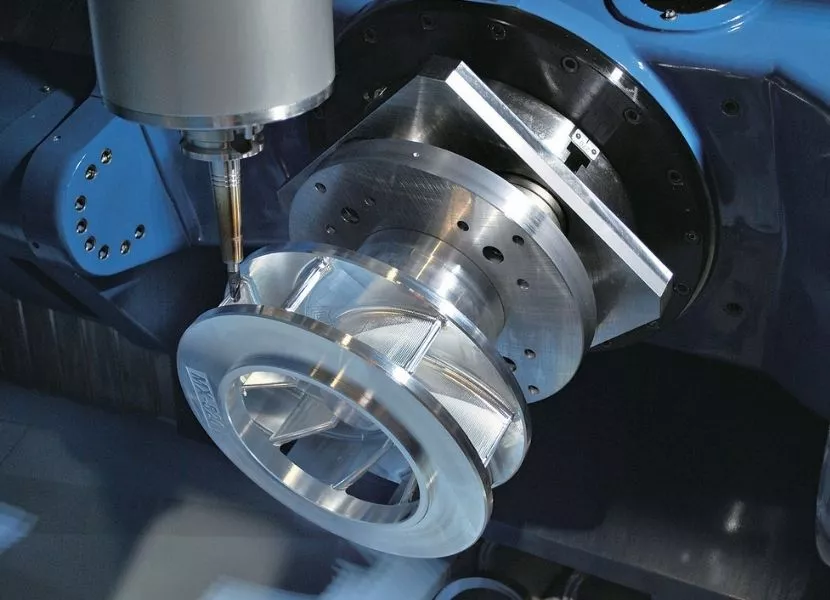
CNC precision engineering is vital across many high-stakes industries where consistency and accuracy are crucial. From aerospace to medical devices, these solutions allow manufacturers to produce complex, tightly toleranced parts efficiently and reliably.
Aerospace Precision Engineering
In aerospace, CNC precision engineering is essential for making turbine blades, flight components, and other high-performance parts. These elements require micron-level accuracy to ensure safety and efficiency. CNC machines like multi-axis tools make it possible to sculpt complex geometries that are otherwise tough to manufacture with traditional methods. This precision helps aerospace companies meet strict safety standards and improves overall flight performance.
Medical Device Machining
The medical industry heavily depends on CNC precision engineering for creating surgical instruments, implants, and biocompatible components. These parts must meet stringent quality and safety standards, often requiring tight tolerances that only advanced CNC machining services can deliver. For example, custom CNC parts for implants need to be manufactured with ultra-high accuracy to ensure proper fit and function inside the human body. Precision mold engineering also plays a big role here, making high-quality molds for medical device production.
Automotive CNC Manufacturing
In the automotive sector, CNC precision engineering supports the production of engine parts, performance upgrades, and custom components. Manufacturers rely on high-precision CNC machining to produce parts that improve vehicle performance, durability, and safety. Whether it’s detailed engine components or specialized parts for racing, these processes ensure each piece meets exact specifications.
Precision Mold Engineering
Manufacturing high-precision molds for injection molding is another key application area. These molds must feature tight tolerances to produce consistent, high-quality plastic parts. CNC mold engineering allows for complex, detailed molds that enable fast, reliable production runs, especially important for industries like consumer electronics and medical devices.
Broad Industrial CNC Solutions
Beyond these specific fields, CNC precision engineering supports complex manufacturing needs across various industries. It allows for the production of highly detailed parts, prototypes, and mass components, making it an ideal choice for custom and high-volume production. Whether working with metals, plastics, or composites, advanced CNC technologies ensure quality and efficiency throughout the manufacturing process. For instance, plastic CNC machining is a good example of how this process can be tailored for different materials and applications.
Overall, CNC precision engineering enables industries to meet demanding specifications, improve product performance, and reduce waste—all while maintaining high quality standards crucial in today’s competitive market.
Why Choose MS Machining for CNC Precision Engineering?
MS Machining offers top-tier CNC precision engineering capabilities backed by the latest technology and skilled professionals. Our advanced equipment, including multi-axis machines and high-precision CNC machines, ensures we meet the most demanding tolerances in industries like aerospace, medical, and automotive.
We specialize in creating custom CNC parts tailored to specific industry needs, ensuring perfect fit and function every time. Our commitment to reliable quality and consistent performance means you can trust us for both small prototypes and large production runs. Whether it’s tight tolerance machining or complex component manufacturing, we support your project from start to finish with precision manufacturing support.
At MS Machining, we believe in building trust through transparency, quality control, and long-term partnerships. This dedication helps us deliver the precision and reliability our clients depend on, making us a trusted choice for companies seeking high-precision engineering solutions.
Challenges in CNC Precision Engineering
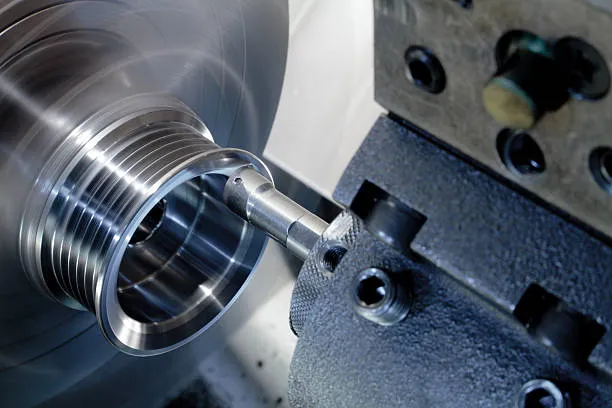
While CNC precision engineering offers incredible accuracy and repeatability, it also comes with some inherent challenges. One of the main issues is material limitations. Not all materials are equally easy to machine at high precision—some metals, plastics, and composites require special handling or have specific constraints that can affect machining performance. For example, harder metals may cause quicker tool wear, impacting both accuracy and efficiency.
Tool wear and tool life management are also critical. As tools degrade over time, maintaining tight tolerances becomes more difficult, risking defects and rework. Regular tool inspection and proactive maintenance are essential to prevent unexpected tool failures, which can delay production and increase costs.
Holding tight tolerances in complex parts pushes the limits of CNC machining. Small deviations can lead to part failure, especially in industries like aerospace or medical device manufacturing where precision is non-negotiable. This requires meticulous setup, calibration, and sometimes the use of advanced toolpath strategies.
Preventing defects and rework starts with rigorous quality checks. Techniques like Coordinate Measuring Machines (CMM) and dimensional inspections ensure parts meet strict specifications before moving further in the process. Incorporating these quality control steps reduces production risks and guarantees consistent results.
Maintenance, monitoring, and process control are vital to the success of CNC precision engineering. Continuous machine monitoring helps detect issues early, ensuring machines operate at peak accuracy. Regular calibration and preventive maintenance keep equipment running smoothly and help meet the demanding standards expected in high-precision manufacturing.
In essence, addressing these challenges effectively keeps production efficient and ensures the delivery of high-quality CNC components that meet the precise requirements of industries like aerospace, medical, and automotive manufacturing.
Future of CNC Precision Engineering
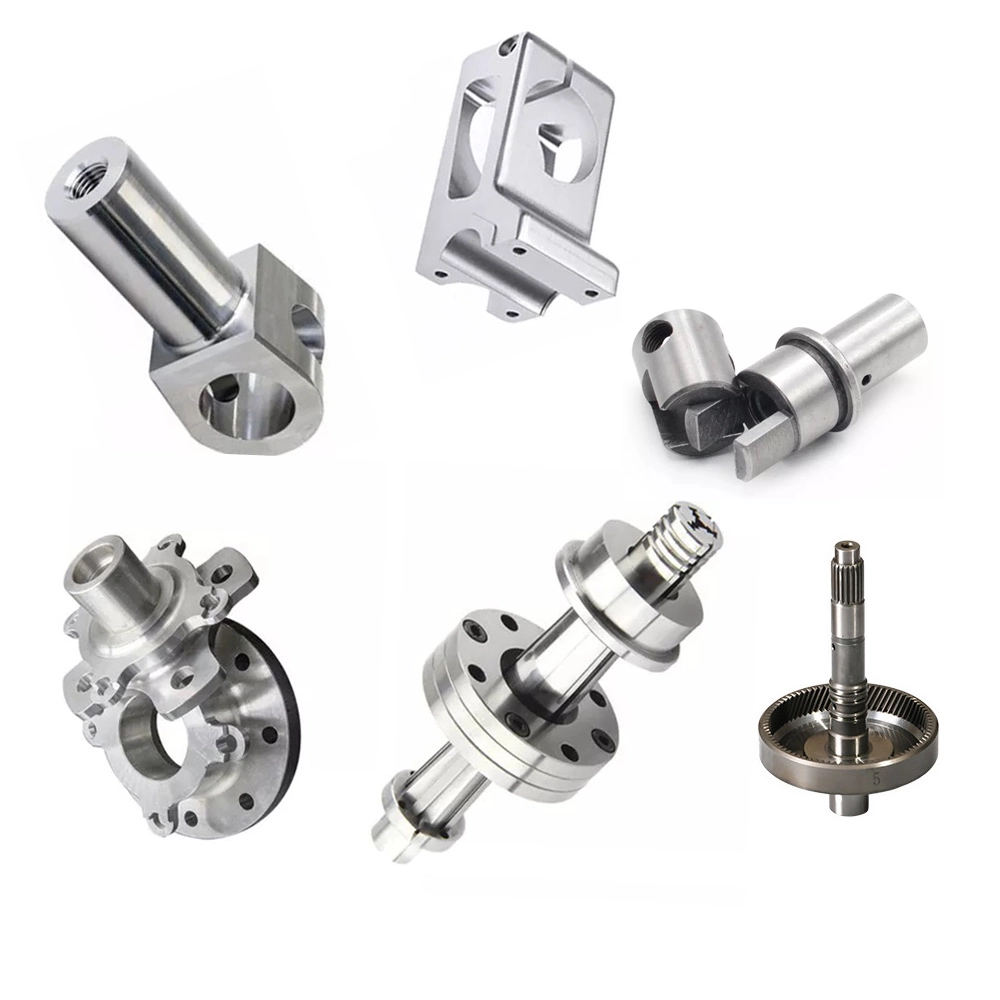
CNC precision engineering is set to become even smarter and more efficient thanks to advancements like AI and IoT. AI-powered tools help optimize machining processes, ensuring higher accuracy and less waste. For example, AI can predict tool wear and automatically adjust parameters, reducing downtime and improving precision.
The Internet of Things (IoT) is enabling real-time machine monitoring, giving engineers instant data on machine health and production status. This helps catch issues early, preventing defects and ensuring tight tolerances are maintained. Combining IoT with automation creates a more seamless, faster manufacturing flow.
Automation is a big game-changer, streamlining workflows and reducing human error. With robotics and automated tool changers, we can produce complex parts with high repeatability and micron-level accuracy. As Industry 4.0 takes hold, manufacturers are building smarter, interconnected production systems.
Sustainability is also a focus, with efforts to reduce waste and energy use during machining. More sustainable practices align with industry regulations and help cut costs.
Looking ahead, precision engineering will keep evolving with new materials, smarter machinery, and more integrated digital tools. This continuous innovation will allow us to deliver even tighter tolerances, higher quality, and faster turnaround times, keeping CNC precision engineering at the forefront of manufacturing technology.
FAQ on CNC Precision Engineering
What materials can be used in CNC precision engineering?
CNC precision engineering works with a wide range of materials, including metals like steel, aluminum, brass, and titanium, as well as plastics like acrylic, Delrin, and polycarbonate. For specialized projects, composites and even ceramics can be machined to tight tolerances. The choice of material depends on the application, strength requirements, and how the part will be used, whether in aerospace, medical devices, or automotive parts.
How does CNC ensure accuracy?
CNC machines achieve high accuracy through advanced computer control and precise tool positioning. Using CAD/CAM design systems, a CNC machine follows exact toolpaths that guarantee consistency across every piece. Regular calibration and quality control methods, like dimensional inspections with Coordinate Measuring Machines (CMM), help catch any deviations early. This combination of technology and skilled operators ensures that parts are produced within tight tolerances, often down to the micron level.
What industries use CNC precision engineering the most?
CNC precision engineering is critical across many industries, especially in aerospace for turbine blades and flight components, where even tiny errors can be dangerous. Medical device manufacturing also relies heavily on CNC machining for surgical instruments and implants that require extreme precision. The automotive sector uses CNC for high-performance engine parts and custom components. Additionally, industries like mold making, electronics, and industrial machinery benefit from precision CNC components and solutions.
What is the difference between CNC machining and precision engineering?
CNC machining is the process of using computer-controlled machines to cut and shape materials. It’s a method within precision engineering, which focuses on designing and manufacturing highly accurate components that meet strict specifications. While CNC machining is a key tool in precision engineering, the term “precision engineering” also includes aspects like design tolerances, material selection, and quality control to ensure parts serve high-stakes applications reliably.
Want to explore different materials for your project? Check out steel CNC machining for details on working with different metals.