If you’ve ever tried to cut a deep, narrow slot on a CNC machine, you know it’s not as simple as it looks. These high aspect ratio features—where the depth exceeds the width—are some of the most challenging operations in machining. Why do CNC machinists hate tackling them? Because they push tools to their limits, causing tool deflection, chip evacuation failures, chatter, and even breakage. In this post, we’ll reveal the real reasons behind the frustration—and share proven solutions to help you manage these tough jobs more efficiently.
The Real Reasons Deep, Narrow Slots Are So Hard to Cut
Cutting deep, narrow slots with CNC machines sounds simple, but it’s often a nightmare. Why? Because these tricky features introduce a bunch of challenges that can ruin your tool, waste your time, and ruin your parts.
Tool Deflection and Loss of Rigidity
First up, tool deflection is a big problem. When you cut a really deep, narrow slot, the tool—usually an end mill—bends or flexes. This happens because the cutting forces aren’t evenly distributed, and the longer, thinner tools can’t stay stiff. The result? Poor accuracy, rough edges, and sometimes even tool breakage. This is especially true when using standard end mills for high aspect ratio machining or high-pressure coolant slot milling.
Chip Evacuation Failures
Next, chip evacuation becomes a nightmare. Narrow slots trap chips, making them hard to clear out. When chips aren’t moved away fast enough, they can cause additional heat, clog the cut, and even damage the tool or workpiece. Chips sticking around also lead to scoring, bad surface finishes, and increased tool wear.
Excessive Heat Buildup and Thermal Issues
Cutting deep, narrow slots creates high heat concentrations. The limited space means less room for coolant to circulate and remove heat. Over time, this thermal buildup can cause tool wear, thermal expansion, and even catastrophic tool failure. Managing heat with high-pressure coolant or optimized cutting parameters is critical here.
Chatter and Vibration
Chatter—those annoying vibrations—are common when cutting these features. Vibration can be caused by tool deflection, instability, or mismatched cutting parameters. Chatter leads to poor surface finish, tool damage, and even dimensional inaccuracies. It’s a frequent enemy in deep, narrow slot machining.
Tool Life and Breakage Risks
All those issues—deflection, heat, vibration—add up to a major risk of tool breakage. Long, narrow tools are susceptible to fatigue, especially when they’re pushing limits. Replacing tools becomes expensive, and machine downtime adds to the cost. That’s why machinists often hate cutting deep, narrow slots—they’re just too hard to do reliably and efficiently.
What Makes Deep, Narrow Slots Even More Challenging
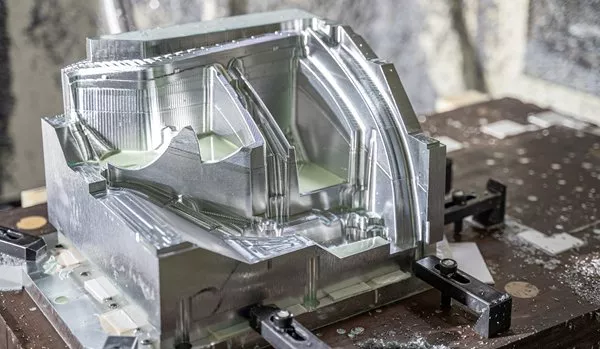
When it comes to cutting deep, narrow slots, several factors can make the process tougher. These challenges often amplify the CNC machining difficulties due to the nature of high aspect ratio machining.
Depth-to-diameter ratio limits are a primary concern. As you increase the depth relative to the width of the slot, the risk of tool deflection and loss of rigidity skyrockets. This makes maintaining accuracy and surface finish much harder. High aspect ratios can also cause tool chatter and vibration, leading to poor dimensional control and surface quality.
Material properties play a big role too. Harder materials or those with high thermal conductivity tend to generate more heat, which can cause thermal expansion and tool wear. For example, cutting through hardened steels or exotic alloys requires carefully chosen tools and cutting parameters. Additionally, some materials produce long, stringy chips, making chip evacuation in slotting a constant challenge. This can lead to chip clogging or re-cutting, which damages the tool and the workpiece.
Machine and setup limitations matter as well. Not all CNC machines are built with the rigidity needed for deep, narrow slots. Variations in machine stiffness, spindle runout, or workholding can cause deviations during cut, especially with small-tool diameters. If the setup isn’t optimized for high-precision slotting, issues like tool deflection or vibrations will worsen.
Design-driven constraints also influence how difficult it is to machine these slots. Sometimes, the part’s geometry or assembly requirements prevent adjustments, forcing us to work within tight tolerances or specific slot features. In such cases, understanding these constraints can help us work smarter, not harder, by adopting alternative approaches or modifying the design upfront.
Overall, recognizing these factors helps us plan better, select appropriate tools and strategies, and avoid costly mistakes when working with deep, narrow slots.
How to Machine Deep, Narrow Slots Better
To effectively machine deep, narrow slots on your CNC machine, you need to follow some best practices that address the common challenges like tool deflection, chip evacuation, and thermal issues. Here are some key tips:
Tool Selection Best Practices
Choose tools that offer high rigidity, such as variable helix end mills or high-strength solid carbide tools designed for high aspect ratio machining. Shorter tools with a thicker core are less prone to tool deflection and breakage when cutting narrow, deep features.
Optimized Toolpaths and Techniques
Using advanced toolpath strategies like trochoidal or dynamic milling can reduce the load on your tools. These techniques help maintain consistent cutting forces, improving surface finish and tool life while reducing chatter and vibration. For challenging deep, narrow slots, peck milling can also improve chip evacuation and prevent clogging.
Speeds, Feeds, and Cutting Parameters
Adjust your spindle speeds and feed rates carefully. Slower feeds and higher spindle speeds can minimize chatter and prevent excessive heat buildup. Properly tuned cutting parameters ensure smoother cuts and extend tool life, especially when working with high aspect ratio features.
Coolant and Lubrication
Using high-pressure coolant or mist lubrication can make a big difference in managing heat and removing chips efficiently. Adequate cooling reduces thermal expansion and prevents thermal cracking, which is common in deep slotting.
Workholding and Machine Setup
Secure the workpiece firmly using precision fixtures to prevent vibration. Proper workholding minimizes machine deflection and ensures the slot remains dimensionally accurate. Also, check that your machine is well-calibrated and free of any looseness that could magnify tool deflection or vibration during the cut.
Following these best practices helps mitigate the challenges of CNC tool deflection narrow grooves and improves overall productivity when machining deep, narrow slots. For complex parts, consulting with a machinist early in the design process can also prevent issues and streamline your manufacturing process.
DFM Tips for Deep, Narrow Slots
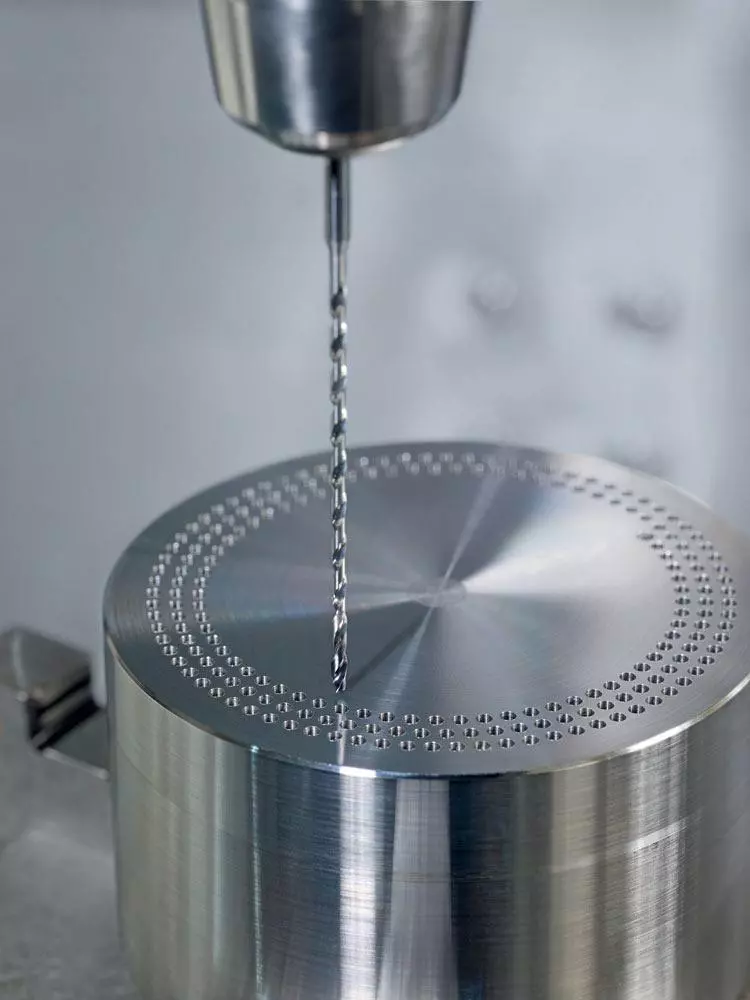
When machining deep, narrow slots, Design for Manufacturability (DFM) plays a crucial role in overcoming common challenges like tool deflection, chip evacuation issues, and thermal problems. Here are some practical tips to improve the process and get better results:
Relax Non-Critical Dimensions
If certain dimensions in your slot aren’t essential for function, consider slightly easing tight tolerances. This reduces stress on the tool and allows for a better cut without risking tool breakage or excessive deflection.
Add Corner Radii
Sharp internal corners can cause stress concentrations and make cutting more difficult. Incorporating small radii helps distribute forces more evenly and minimizes the chances of chattering or tool damage—especially important when working with high aspect ratio machining of narrow grooves.
Use Alternative Feature Designs
If the slot’s design is causing too many machining issues, think about reworking it into a different shape that’s easier to machine. For example, replacing a narrow slot with a slightly wider one or adding transitional features can significantly improve tool life and reduce vibration.
Collaborate Early with Machinists
Engaging your machinists during the design phase helps identify potential problems like chip evacuation failures or material property challenges before production starts. They can suggest adjustments—such as alternative tooling or optimized cutting parameters—to improve efficiency.
Slot Specification Checklist
- Ensure the depth-to-diameter ratio is manageable.
- Choose the right material hardness and properties for machining.
- Select precise tool geometries like variable helix end mills for better chip evacuation.
- Confirm machine capabilities, including rigidity and setup.
By applying these DFM tips, you can mitigate common deep, narrow slot milling challenges such as tool deflection, chip evacuation failures, and thermal buildup, ultimately saving time and reducing costs in your machining process.
Advanced Methods and Better Alternatives for Cutting Deep, Narrow Slots
When traditional CNC milling struggles with deep, narrow slots, exploring advanced methods can make a big difference. Techniques like trochoidal and dynamic milling specifically help manage the challenges of high aspect ratio machining, reducing tool deflection and improving chip evacuation. Trochoidal milling, in particular, involves a back-and-forth cutting motion that maintains a constant chip load, minimizing chatter and thermal buildup. This approach helps extend tool life and achieves cleaner cuts in tight spaces.
Multi-axis machining and specialized tooling also provide better control and precision when working on complex or deep slot features. Multi-axis machines allow for better positioning and access, reducing the risk of tool deflection and improving accuracy. Using variable helix end mills or diamond-coated tools can boost rigidity and durability when cutting narrow, deep features.
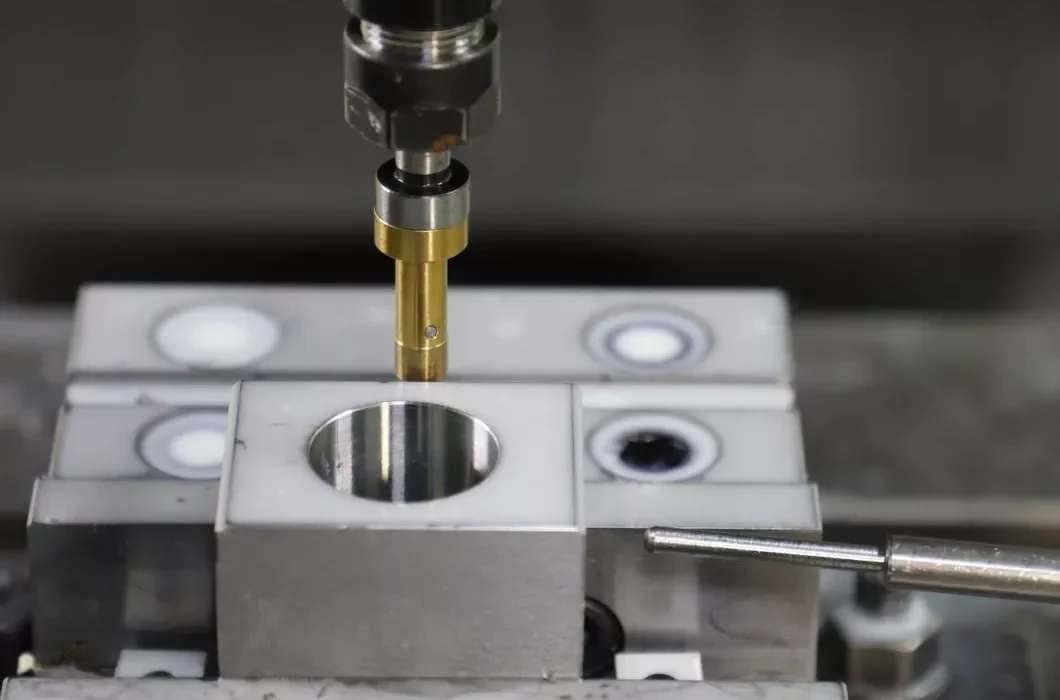
For even more precision, manufacturers turn to methods like electrical discharge machining (EDM) and broaching, especially for the toughest materials or smallest slots. These non-traditional techniques can produce deep, narrow slots with high accuracy and minimal thermal issues, though often at higher costs. Hybrid processes, combining traditional CNC with EDM or grinding, can offer cost-effective solutions for hard-to-machine features.
Looking at real-world examples, many companies have successfully implemented these advanced methods to reduce costs and improve quality. For example, redesigning parts to allow for more favorable slot geometries or using alternative feature designs can eliminate the need for excessively deep, narrow slots altogether. Collaborating early with machinists on design-for-manufacturability (DFM) can save significant time and money by avoiding common pitfalls associated with high aspect ratio machining.
To discover how these techniques could benefit your project, explore options like trochoidal milling deep slots or leveraging hybrid processes. They help overcome the limitations of conventional approaches and deliver more reliable, efficient results.