If you’re tasked with sourcing CNC custom machining services, you know it’s more than just finding any supplier—it’s about securing quality, precision, and the ability to scale seamlessly as your projects evolve. Getting this right is critical to avoiding costly delays, quality mishaps, and production headaches down the road. In this strategic guide, you’ll discover proven tactics for identifying and partnering with CNC machining experts who can consistently deliver tight tolerances and reliable custom machined parts—whether you’re prototyping or ramping up to full production. Ready to make smarter sourcing decisions? Let’s dive into the essentials that empower engineers and procurement pros to balance cost, risk, and performance with confidence.
Understanding CNC Custom Machining and When to Outsource
If you’re exploring custom CNC machining services, it helps to know the basics and when outsourcing makes sense.
Core CNC Machining Processes
- CNC Milling: Uses rotary cutting tools to shape parts from blocks of metal or plastic.
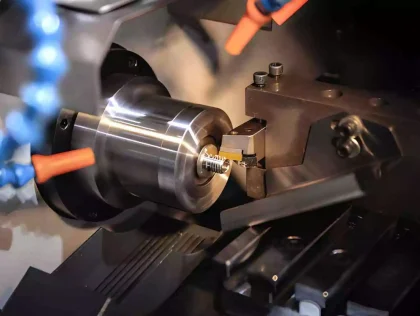
- CNC Turning: Rotates the workpiece to remove material, ideal for cylindrical parts.
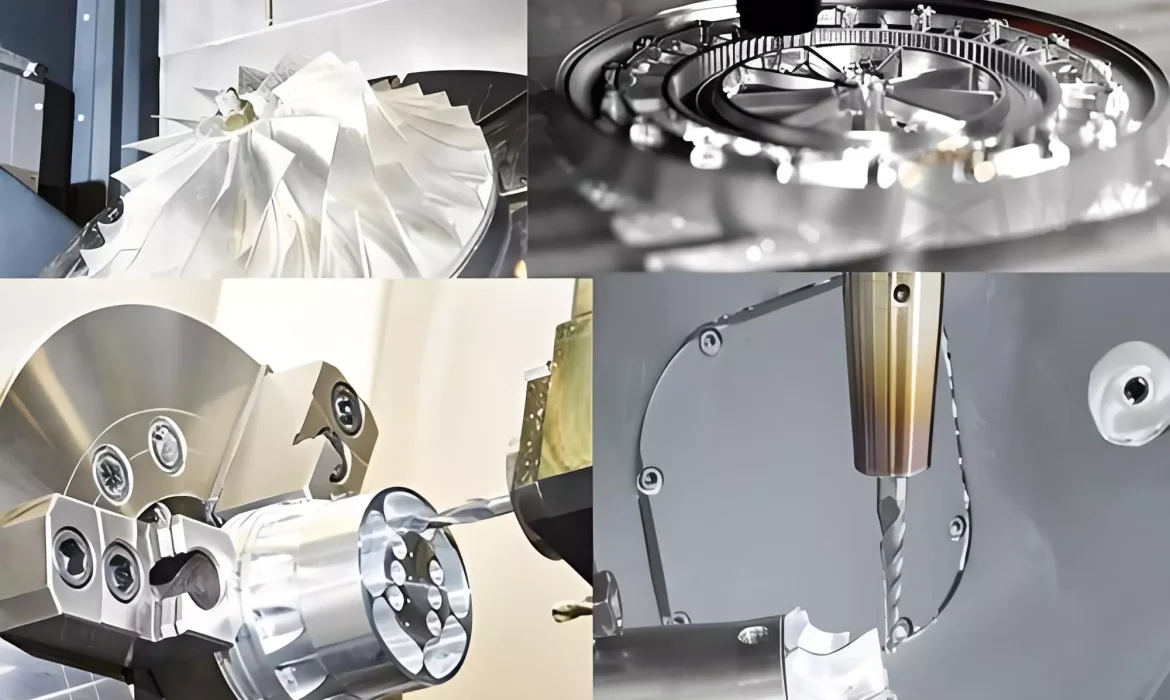
- Multi-axis CNC: Combines 3-, 4-, or 5-axis movement for complex shapes and tight tolerances.
Benefits of Outsourcing vs. In-House Production
Outsourcing your custom CNC machining can give you:
- Access to advanced equipment like 5-axis mills and precision inspection tools.
- Expertise in specialized materials and tight tolerance machining.
- Ability to scale quickly without capital investment.
- Reduced overhead on workforce training and machine maintenance.
Ideal Outsourcing Scenarios
Outsource when you need:
- Prototyping to test concepts before full production.
- Flexible runs from low to high volume without quality loss.
- Parts with complex geometries or tight tolerances (±0.001”).
- Industries like aerospace, medical, automotive, and defense where precision is critical.
From Concept to Production: Sourcing Strategy Milestones
- Define your part specifications clearly with detailed drawings.
- Identify suppliers with the right technical capabilities and certifications.
- Test prototypes through sample orders to verify quality.
- Plan for scalable production with flexible capacity.
- Establish clear communication and quality control checkpoints.
| When to Outsource CNC Machining | Why Outsource |
|---|---|
| Prototyping complex parts | Access to specialized expertise |
| Volumes beyond internal capacity | Scalability without overhead |
| Tight tolerance or multi-axis requirements | Advanced machines and quality |
| Short lead times or fast turnaround needed | Supplier focus on efficiency |
Getting your CNC custom machining sourcing strategy right from the start ensures smoother transitions and reliable production. Next, we’ll explore how to evaluate CNC machining suppliers effectively.
Key Factors in Evaluating CNC Machining Suppliers
When sourcing CNC custom machining services, picking the right supplier means understanding several key factors. Here’s what to look for:
| Factor | What to Check | Why It Matters |
|---|---|---|
| Technical capabilities | Types of machines (3-, 4-, 5-axis CNC), precision level, material expertise, surface finish options | Ensures capability to handle your part’s complexity and tight tolerances |
| Capacity and scalability | Ability to handle prototyping to high-volume production with consistent quality | Avoids quality drop when scaling your orders |
| Certifications & compliance | ISO 9001, ITAR certifications, material traceability, industry-specific standards | Guarantees quality control and legal compliance for critical parts |
| Red flags to avoid | Brokers posing as manufacturers, absence of qualified quality labs, unreliable lead times, poor communication | These issues lead to delays, part failures, and misunderstandings |
Why Technical Capabilities Matter
Machines with multi-axis options (like 4- and 5-axis CNC milling and turning) allow for more complex part geometries and better surface finishes. Experienced suppliers often handle materials ranging from aluminum and stainless steel to exotic alloys, assuring expertise.
Capacity & Certifications
A supplier should scale from quick prototypes to full production runs without compromising accuracy. Certifications like ISO 9001 and ITAR aren’t just formalities—they reflect a commitment to rigorous quality standards and security, crucial in industries like aerospace (see similar applications in our aerospace machining components manufacturer).
Watch Out for Red Flags
Beware of companies that act as brokers but don’t manufacture parts themselves, as they add costs and risks. Suppliers without in-house quality labs or consistent communication can create project headaches.
Choosing a CNC supplier with verified technical skills, scalable capacity, solid certifications, and transparent communication is essential to ensure your custom machined parts meet expectations without surprises.
Ensuring Precision and Tight Tolerances in CNC Custom Machining
Achieving precision with tight tolerances (often ±0.001” or better) is a must for quality CNC custom machining services. This level of accuracy depends heavily on factors like machine calibration, tooling quality, and the shop environment. Even small variations in temperature or tool wear can throw off measurements, so working with experienced partners who monitor these conditions is key.
When designing parts for precision CNC machining, keep these in mind:
- Wall Thickness: Avoid walls too thin to maintain strength and accuracy.
- Hole Sizes and Threading: Ensure features meet tolerance specs and are accessible for tooling.
- Feature Accessibility: Design parts so machines can reach all surfaces without complicated setups.
Precision inspection tools play a vital role in quality control. Coordinate Measuring Machines (CMM), optical comparators, and Statistical Process Control (SPC) help verify parts meet specs and maintain repeatability across production runs.
Reliable CNC machining quality control ensures you get consistent, high-precision parts, batch after batch. To guarantee such standards, partner with suppliers skilled in tight tolerance machining and thorough inspection processes. For deeper insight on machining capabilities, exploring advanced CNC operations can be valuable.
Quality Assurance and Risk Mitigation
When sourcing CNC custom machining services, strong quality assurance is key to avoiding costly mistakes and delays. A reliable supplier uses a robust quality management system including incoming inspections, in-process checks, and final part verification to ensure every piece meets your specs.
Documentation and traceability are essential, especially for critical parts. Your supplier should offer material certifications and detailed records that track parts from raw material to finished product. This transparency helps reduce risk and improves accountability.
Protecting your intellectual property through NDAs and maintaining design confidentiality is also crucial, especially when working with external CNC machining partners. Look for suppliers who respect these terms and have proven protocols in place.
Audit options like video tours of the production floor, sample parts with thorough inspection reports, and references from other clients provide an extra layer of confidence. These methods help you verify capabilities before committing to long-term orders.
Building strong partnerships with your CNC machining supplier depends on clear communication and ongoing collaboration. Continuous improvement initiatives and open dialogue can help mitigate risks and improve quality over time.
For a look at how quality is maintained through precision CNC milling of custom parts, check out MS Machining’s approach to precision CNC milling parts custom.
Achieving Scalability in CNC Custom Machining
Scaling CNC custom machining from prototypes to mid- and high-volume production takes more than just cranking up the machines. You need a smart approach that balances precision, volume, and cost without sacrificing quality.
Process Optimization is key. This includes designing efficient fixtures that hold parts securely and consistently, streamlining CNC programming for faster setup and less downtime, and integrating automation to handle repetitive tasks. Automation not only speeds up production but also boosts repeatability to meet tight tolerance machining standards across larger batches.
Supply Chain Resilience matters just as much. Dual-sourcing materials and components can protect your timeline from unexpected disruptions. Accurate lead time forecasting helps prepare for demand fluctuations, ensuring your production doesn’t stall when volumes ramp up.
Cost Management during scaling focuses on maintaining quality while controlling expenses. This means leveraging volume discounts, optimizing batch sizes, and working with partners who understand CNC machining cost optimization. Avoid proportional cost increases by considering design tweaks that simplify machining processes without compromising part performance.
Working with trusted partners experienced in high volume CNC machining scalability makes all the difference. They bring proven methods and case studies showing how they’ve helped clients grow production smoothly while keeping quality control standards tight.
For example, businesses in the food processing equipment sector have successfully expanded production runs while maintaining consistent surface finishes and precision by partnering with CNC suppliers specializing in process efficiency and scalability.
By focusing on these areas—process optimization, supply chain planning, and cost management—you can confidently scale your CNC custom machining projects and keep delivery and quality on track.
Design for Manufacturability (DFM) Best Practices
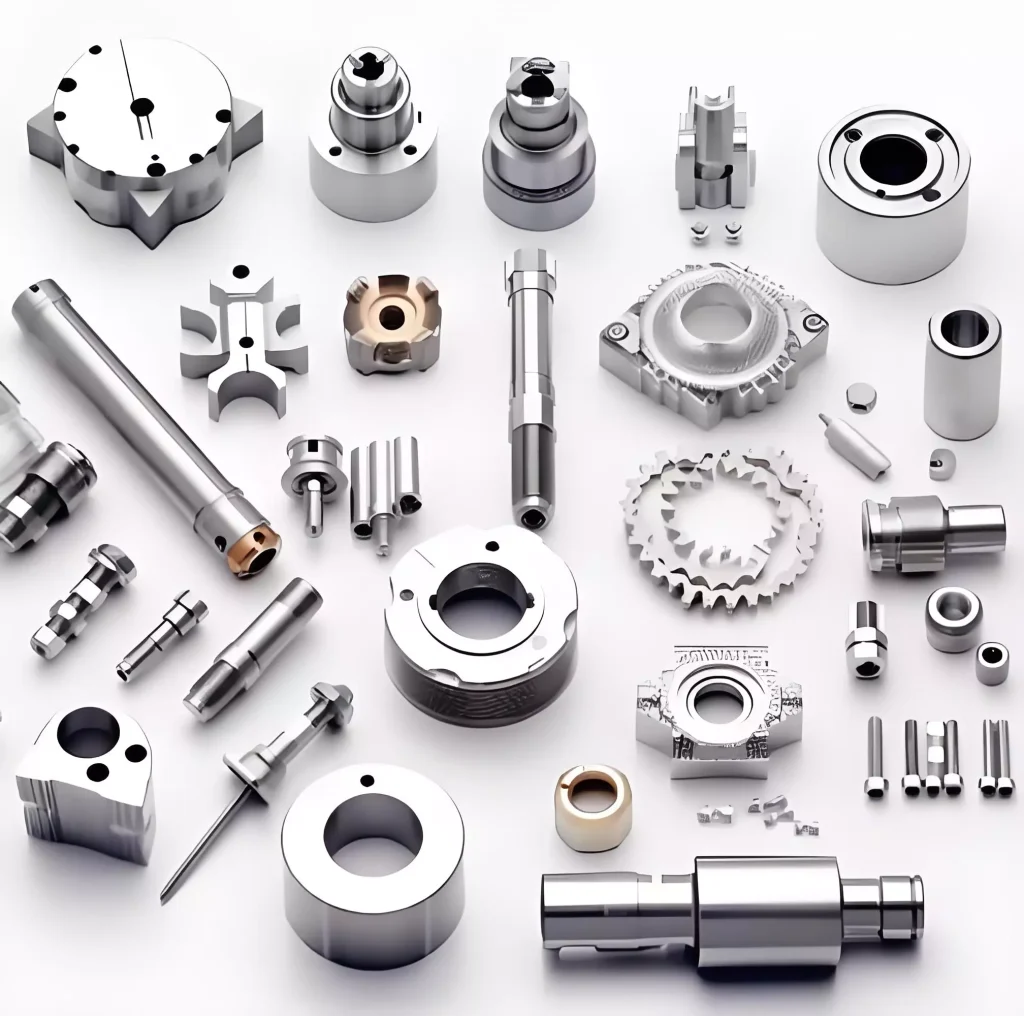
Design for Manufacturability (DFM) is key to getting your custom CNC machining parts produced efficiently and cost-effectively. Starting DFM collaboration early with your machining partner helps cut down lead times, prevent costly quality issues, and reduce overall project costs.
Here are some practical DFM guidelines for CNC custom machining:
- Simplify Geometries: Avoid overly complex shapes that require extra machining steps. Simpler designs reduce setup time and lower chances of errors.
- Standardize Features: Use common hole sizes, thread types, and surface finishes. This helps streamline tooling and speeds up production.
- Optimize Material Removal: Design parts to minimize excess material removal without compromising strength. Less machining equals faster turnaround and cost savings.
- Select Appropriate Tolerances: Only apply tight tolerances where absolutely necessary. Overly tight specs can drive up costs and extend lead times.
Common design pitfalls that can delay production include thin walls that deform easily, impossible-to-reach features, or inconsistent hole alignments. Getting these issues fixed upfront through DFM input saves time and headaches.
Lastly, partnering with machining experts who provide engineering support adds huge value. Experienced suppliers can suggest design tweaks for manufacturability while maintaining functionality and quality.
Investing in smart DFM upfront sets the stage for smooth, scalable CNC machining with consistent quality. For more on ensuring part accuracy, consider how precision impacts final outcomes in how accurate is CNC milling and explore our best custom CNC machining parts manufacturing approaches.
Material Selection and Sourcing Considerations
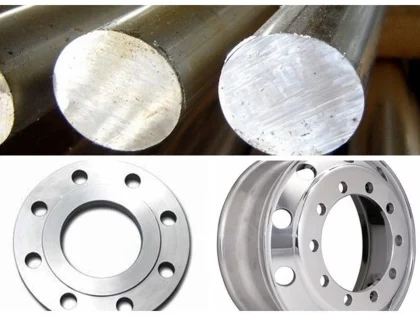
Choosing the right material is a must when sourcing CNC custom machining services. Common picks include aluminum, stainless steel, titanium, plastics, and various exotic alloys. Each comes with trade-offs in strength, weight, corrosion resistance, machinability, and cost. For example, aluminum is lightweight and easy to machine, while titanium offers excellent strength but is pricier and tougher to work with.
Material availability—whether global or domestic—can also seriously affect your timelines and pricing. Domestic sources usually mean faster lead times and easier compliance with regulations, while global suppliers might offer wider material options but with added shipping delays or tariffs. Always verify material certifications and insist on consistency to avoid surprises across production runs.
For complex or high-precision parts, discuss material specifics early, considering machinability and surface finish requirements. This helps partners deliver quality that meets your exact specs across prototypes and volume production.
To dig deeper into machining processes for various materials, see our page on multi-axis CNC milling and turning, which covers how different materials influence machining strategy and outcomes.
Cost Optimization Without Compromising Quality
When it comes to CNC custom machining services, controlling costs is key—but cutting corners on quality isn’t an option. The main cost drivers include:
- Setup costs: Programming, tooling, and machine preparation
- Material expenses: Depending on grade and availability
- Machining hours: The complexity and time required per part
- Finishing operations: Surface treatments or secondary processes
- Volume: Higher quantities usually lower the per-piece cost
To optimize costs without sacrificing precision, consider these strategies:
- Design simplification: Reduce complex features to speed machining and lower wear on tools
- Batch ordering: Larger runs can spread setup costs and improve pricing tiers
- Leverage partner expertise: Experienced suppliers can suggest ways to save by using efficient tooling or alternative materials
Also, be careful about choosing suppliers solely on the lowest quote. The cheapest option can mean hidden quality issues or unexpected delays. Instead, aim to balance price with value and reliability.
When requesting quotes, prepare clear and detailed RFQs with all specs and timelines listed. Transparent communication ensures accurate pricing and avoids surprises later. For tips on cutting costs in CNC without losing quality, check practical advice on how to reduce CNC machining costs.
The Sourcing Process: Step-by-Step Framework
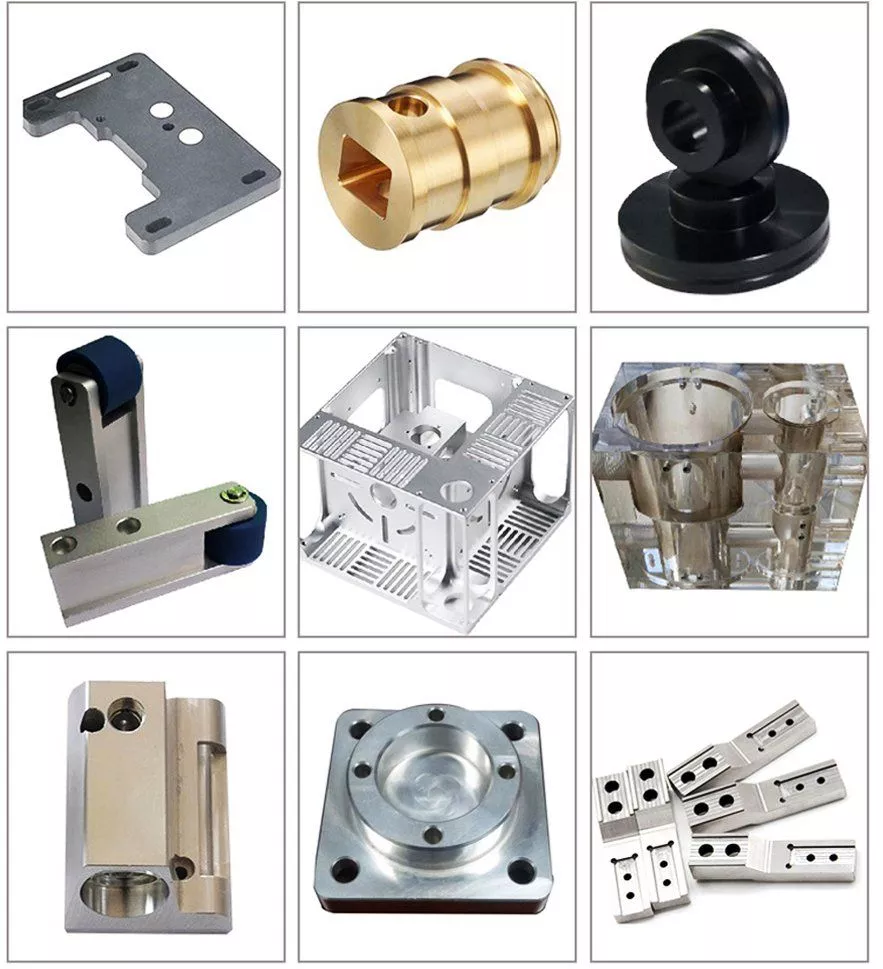
Sourcing CNC custom machining services starts with preparing detailed RFQs (Request for Quotes). This means having clear drawings, exact specs, required quantities, realistic timelines, and quality expectations spelled out upfront. These details help you avoid confusion and get accurate bids from potential suppliers.
Next is supplier shortlisting and vetting. Match their technical capabilities—like multi-axis CNC milling and turning—with your project needs. Consider asking for demos or trial orders to verify precision CNC machining tolerances and quality control before committing.
Negotiations follow, focusing on pricing, payment terms, quality clauses, and escalation paths if issues arise. Transparent communication here sets the tone for a smooth partnership.
Once selected, onboarding is about establishing performance metrics, regular quality and delivery reviews, and nurturing the supplier relationship. This ongoing management ensures scalability and consistent output.
At MS Machining, our client-focused sourcing approach combines deep CNC machining expertise with personalized support, helping you move efficiently from prototyping to high-volume production while maintaining quality and precision. Explore our insights on heavy CNC machining for a deeper understanding of complex part solutions within scalable CNC production.
Common Challenges and How to Overcome Them in CNC Custom Machining
When sourcing CNC custom machining services, you’ll likely face several common hurdles, including lead time delays, quality inconsistencies, communication barriers, and geopolitical risks. These challenges can slow down projects and increase costs if not handled proactively.
Key Challenges:
- Lead time delays: Machine availability, supply chain disruptions, or unexpected demand spikes can push back delivery dates.
- Quality inconsistencies: Variability in machining tolerances or materials can affect parts, especially in tight tolerance machining.
- Communication barriers: Misunderstood specs or slow responses can cause costly reworks or production holds.
- Geopolitical risks: Tariffs, trade restrictions, or political instability can disrupt material sourcing or offshore manufacturing.
How to Mitigate Risks:
- Clear specifications: Provide detailed drawings and design requirements upfront to avoid confusion.
- Set milestones: Break down production into phases with agreed checkpoints for quality reviews.
- Diversify suppliers: Use a mix of domestic and international CNC machining suppliers to spread risk and ensure supply chain resilience.
- Proactive planning: Factor in extra lead time for potential delays and maintain transparent communication with your partners.
Drawing on real-world lessons, companies who build strong, communicative partnerships with their machining suppliers often recover faster from setbacks. By establishing clear expectations and regularly reviewing performance metrics, you can navigate common pitfalls and keep your CNC sourcing strategy on track.
For more on managing CNC machining processes, you might find helpful insights about CNC lathe operations to optimize production workflows and avoid common delays.