
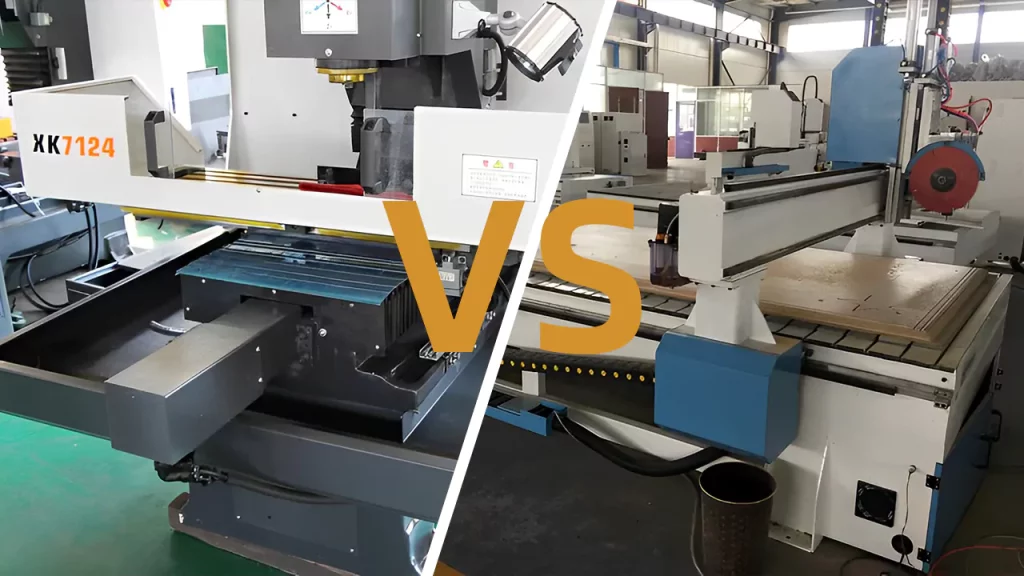
What Is a CNC Router?
A CNC router is a computer-controlled cutting machine primarily designed for high-speed cutting and shaping of softer materials. It operates by moving a spinning cutting tool along multiple axes (usually X, Y, and Z) to carve out shapes, patterns, or designs from flat sheets or blocks. The core operating principle involves precise toolpath control via CAD/CAM software, enabling intricate cuts with repetition and efficiency.
Primary Applications
CNC routers are widely used for:
- Woodworking: furniture, cabinetry, signs, and decorative panels
- Plastics: acrylics, vinyl, and composites
- Soft metals: aluminum and brass in light applications
- Foam and foam boards for prototypes and packaging
Typical Materials
Common materials compatible with CNC routers include:
- Wood (hardwood and softwood)
- MDF and plywood
- Plastics such as HDPE and acrylic
- Aluminum (usually thinner sheets and softer grades)
- Composite materials and foam
Key Advantages
The main advantages of CNC routers are:
- Large work area: ideal for oversized sheets or panels
- High cutting speed: efficient for volume production of wood and plastics
- Versatile: can handle a variety of materials with the right tooling
- Cost-effective: generally less expensive than CNC mills, especially for woodworking
- User-friendly: often requires less setup and maintenance
At MS Machining, we see CNC routers as the go-to option when your work demands quick, precise shaping over large areas of softer materials. Their adaptability and speed make them a favorite in woodshops and sign-making businesses across the U.S.
What Is a CNC Mill?
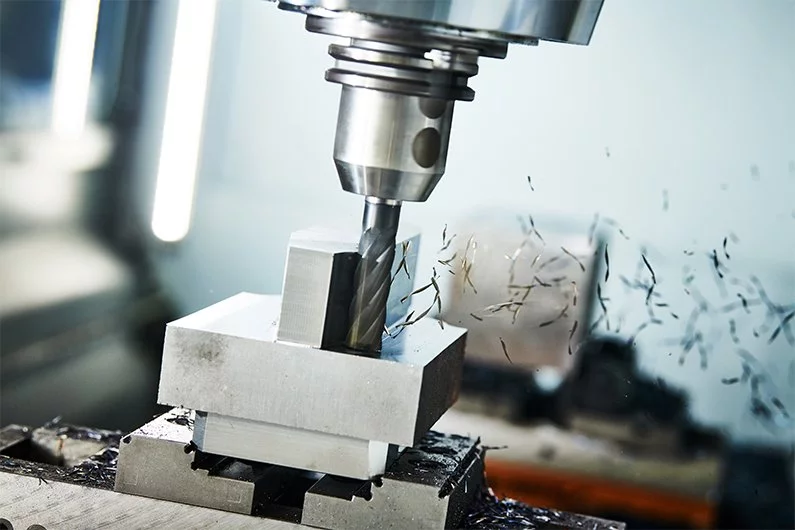
A CNC mill is a computer-controlled machine tool designed primarily for subtractive manufacturing. It works by rotating cutting tools around one or more axes, precisely removing material from a solid block (or workpiece) to create detailed parts. Unlike a CNC router, a CNC milling machine typically features a rigid structure and operates at slower speeds but with higher cutting forces, making it ideal for tougher materials.
CNC mills are commonly used in industries like aerospace, automotive, and precision engineering where tight tolerances and complex geometries are critical. They excel in machining metals such as aluminum, steel, and titanium, along with harder plastics and composites. Typical applications include creating molds, dies, and highly detailed metal components.
Key advantages of a CNC mill include its superior rigidity, which delivers excellent precision and accuracy, and its ability to handle a wide range of materials with fine tolerances. This rigidity allows CNC milling machines to maintain tight tolerances and produce complex parts with smooth finishes. For those interested in machining diverse materials, exploring CNC machining materials lists can be very insightful to understand which materials mills handle best.
In , CNC mills specialize in precision and strength, making them the go-to choice for demanding metalworking tasks where accuracy and durability matter most.
Head-to-Head Comparison: Key Differences Between CNC Router vs CNC Mill
Here’s a quick breakdown of how CNC routers and CNC mills differ on the main fronts:
| Feature | CNC Router | CNC Mill |
|---|---|---|
| Materials Handling | Best for wood, plastics, composites | Handles metals like aluminum, steel better |
| Speed & Cutting Forces | High speed, lower cutting force | Slower but higher cutting force for tougher materials |
| Rigidity & Build | Lightweight frame, less rigid | Heavy-duty, rigid frame for precision and durability |
| Precision & Tolerances | Good for general cutting, less precise | High precision with tighter tolerances, ideal for metal work |
| Work Envelope & Z-Axis Travel | Larger work area, longer travel in Z-axis | Smaller work area, shorter Z-axis travel |
| Spindle & Tooling | High-speed spindle, smaller torque | Lower speed but higher torque spindle, wider tooling options |
| Cost & Accessibility | More affordable, easier for hobbyists | Typically more expensive, aimed at professional shops |
Quick Insights:
- Materials: CNC routers excel with softer, larger materials — think cabinetry, signs, and plastics; mills are the go-to for metals and precision parts.
- Speed vs Torque: Routers spin faster but with less force; mills trade speed for power, cutting through metals without issue.
- Build: Milling machines’ rigid frames help maintain precision under heavy loads, while routers favor a lightweight build for large-scale projects.
- Precision: When tight tolerances are a must (think aerospace or automotive parts), a CNC mill outperforms routers.
- Work Size: Need to work on big wood sheets? CNC routers offer larger surface areas. For small metal parts, mills have you covered.
- Cost: If budget is a concern for woodworking or hobby projects, routers are usually cheaper and easier to operate. For metal machining, higher cost mills pay off in performance.
If you want a deep dive into materials machining or metal part manufacturing, check out machined metal parts materials and metal injection molding resources to better understand metal processing in CNC environments.
Pros and Cons
CNC Router Pros and Cons
Pros:
- Larger work area and longer travel, perfect for big sheets and panels.
- Faster cutting speeds, especially on softer materials like wood, plastic, and composites.
- Usually more affordable and easier to access for hobbyists and small shops.
- Great for detailed engraving and cutting on non-metal materials.
Cons:
- Less rigid build compared to CNC mills, which can affect accuracy and finish quality.
- Not ideal for heavy metal machining or parts requiring tight tolerances.
- Lower cutting forces limit the types of materials you can machine effectively.
CNC Mill Pros and Cons
Pros:
- Superior rigidity and build quality allow for high precision and tight tolerances.
- Designed to handle tougher materials like aluminum, steel, and other metals.
- Better torque and spindle power for deeper cuts and harder materials.
- Generally offers finer surface finishes and more accurate machining.
Cons:
- Smaller work envelope compared to most routers, limiting the size of parts.
- Slower cutting speeds, often requiring longer machining times.
- Higher initial cost and maintenance compared to typical CNC routers.
Understanding these pros and cons will help you decide whether a CNC router vs milling machine fits your specific fabrication needs. For example, CNC routers excel in woodworking shops for large panel cuts, while CNC mills are better for precision metal parts. For related manufacturing process insights, see our guide on special CNC machining processes.
When to Choose a CNC Router
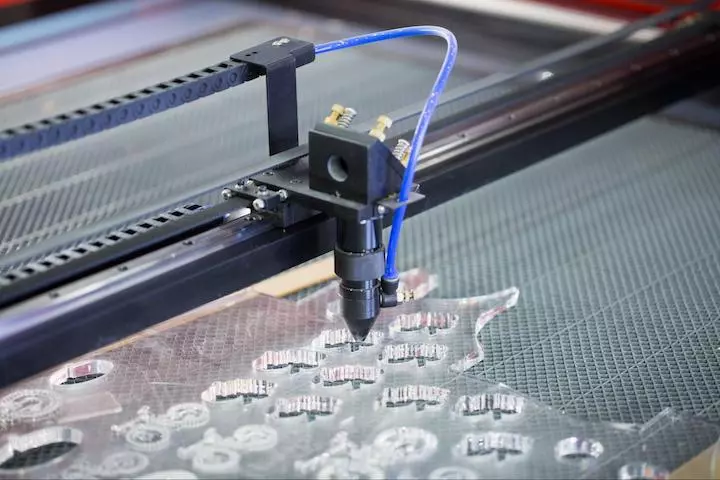
CNC routers excel when you need to cut large sheets of wood, plastics, foam, or soft metals quickly and efficiently. They’re perfect for projects needing wide work areas and high-speed cutting but don’t require ultra-tight tolerances.
Ideal Scenarios for CNC Routers
- Woodworking: Cabinets, furniture parts, signage, and decorative panels.
- Plastic Fabrication: Cutting acrylic, PVC, or composite sheets for displays and enclosures.
- Foam Cutting: Prototyping, packaging, or insulation components.
- Soft Metals: Light aluminum or brass jobs where speed is more critical than extreme precision.
- Large Format Projects: Sheets or panels up to several feet wide.
Real-World Examples
| Application | Why CNC Router Works Best |
|---|---|
| Custom Cabinet Making | Large cutting area and faster production |
| 3D Carving on Wood Panels | High-speed spindle manages detailed cuts |
| Acrylic Display Cases | Router cuts precise shapes in plastic |
| Prototype Foam Models | Handles soft, bulky materials with ease |
If you’re looking for a high-speed spindle router with a generous work envelope and materials compatibility focused on woodworking or plastics, a CNC router is the smart choice.
For more insight on materials and machining options, checking out CNC machining copper services can help understand how router capabilities extend beyond wood.
When to Choose a CNC Mill
CNC mills shine when your project demands high precision, tough materials, and detailed finishes. They’re built for jobs requiring tight tolerances and the ability to handle metals like aluminum, steel, and even exotic alloys requiring specialist machining—similar to what you’d see in custom CNC machining services for metals like bronze or Hastelloy steel.
Ideal Scenarios for CNC Milling
- Metal parts manufacturing: Especially for aerospace, automotive, and industrial components where accuracy is critical.
- Prototyping precision parts: Tight tolerances and complex geometries are easier to achieve.
- Small to medium batch production: When repeatability and consistency matter.
- Working with hard materials: Milling machines handle tougher metals better than most routers.
- Component finishing: For detailed finishes and crisp edges on metal parts.
Real-World Examples
| Scenario | Why Choose CNC Mill |
|---|---|
| Machining aluminum brackets | Requires precision and smooth finishes; mills excel at tighter tolerances. |
| Manufacturing metal gears | Milling can handle complex 3D shapes and hard metals. |
| Prototype mechanical parts | CNC mills provide consistent dimension control for testing fits and function. |
| Aerospace component tooling | High rigidity and accuracy meet strict industry standards. |
If your work involves frequent machining of metals or requires millimeter-perfect precision, then a CNC mill is the go-to. It offers the rigidity and control necessary for reliable, high-quality results in metalworking—be it for hobbyists or professional production alike. You can explore more on precision machining with metals including custom CNC machining bronze services or specialized parts in alloys for a deeper look at milling applications.
Can One Machine Replace the Other? Hybrid Options and Considerations
When comparing a CNC router vs CNC mill, the question often comes up: Can one machine fully replace the other? The short answer is no—each has strengths tailored to specific needs. However, there are some hybrid and crossover options worth considering.
High-End Routers vs Entry-Level Mills
- High-end CNC Routers: These can take on tougher materials like aluminum with upgraded spindles and rigid frames. They offer larger work areas and higher speeds but may still lag in precision compared to mills.
- Entry-level CNC Mills: Some mills are designed to handle softer materials and offer decent speed, making them somewhat versatile but generally with smaller work envelopes.
When Both Make Sense
If your projects vary widely—from woodworking and plastics to light metal parts—it might be worth investing in both or a hybrid solution that blends router speed with mill rigidity.
| Factor | CNC Router Strength | CNC Mill Strength |
|---|---|---|
| Material Range | Wood, plastics, composites, aluminum (high-end) | Metals including hardened steel, aluminum |
| Speed vs Torque | High speed, lower torque | Higher torque, slower speed |
| Precision | Moderate precision | High precision, tighter tolerances |
| Work Envelope Size | Larger size typical | Smaller, but often deeper Z-travel |
| Cost | Generally lower | Usually higher upfront |
Factors to Evaluate Before Choosing
- Material type and hardness: Mills excel with metals, especially hardened steel, while routers dominate wood and plastics.
- Tolerance requirements: CNC milling machine precision is superior for tight tolerances.
- Production volume and speed: Routers can speed up large scale cuts on non-metal materials.
- Budget constraints: CNC router vs mill cost difference can be significant; mills require more investment.
- Available floor space: Routers often need more room, especially large-format ones.
For professionals serving industries like aerospace or military, combining advanced routers and mills through services like precise alloy CNC machining can optimize outcomes. In the end, understanding your material needs and production goals will guide the best choice—sometimes it’s not about replacement, but smart combination.