
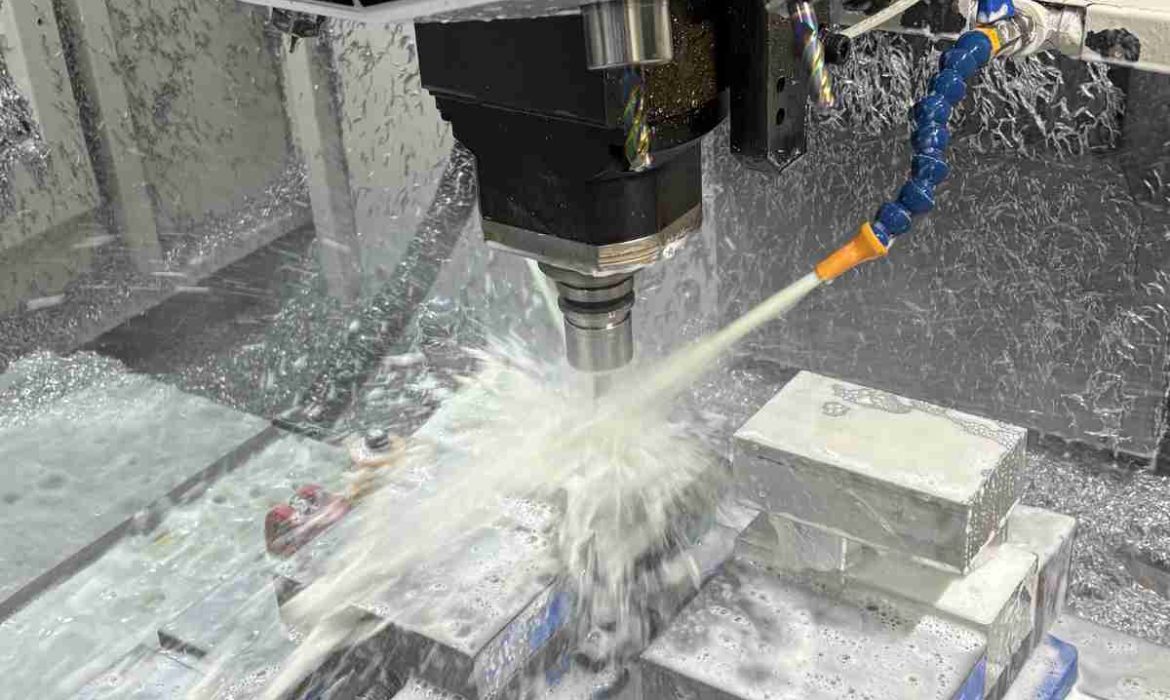
Precision and repeatability are the core requirements in modern manufacturing. Whether developing components for aerospace, medical devices, or automotive systems, the ability to translate design specifications into functional cnc precision parts is the primary challenge. For companies evaluating their manufacturing options, the supply chain for cnc precision parts in china is a common choice for balancing technical requirements, production scalability, and lead-time efficiency. By bridging the gap between initial design and final delivery, we provide the consistent quality needed for complex assemblies.
1.Core Professional CNC Machining Processes
To achieve the necessary tolerances and surface requirements for our cnc precision parts, we utilize a comprehensive range of machining and finishing processes:
5-Axis CNC Milling: Allows for machining complex geometries in a single setup, improving dimensional accuracy and consistency across the entire production run.
Precision CNC Turning: Utilizes Swiss-style machining for shafts, bushings, and cylindrical components, minimizing vibration for parts requiring tight tolerances.
Drilling and Boring: Provides precise control over hole patterns and depth, using reaming and boring techniques to achieve specific diameter requirements.
Prototyping: Supports the development cycle with production-grade prototyping for design verification, fit-testing, and material validation.
Surface Finishing: Integrates secondary processes including deburring, polishing, and specialized anodizing, plating, or heat treatment.
2. Maintaining Precision & Tolerance Standards
Accuracy is the foundation of our production standards. We manage and deliver tight tolerances to ensure that your parts function reliably within your assemblies:
Standard Tolerances: We typically maintain tolerances down to ±0.01 mm for standard features, ensuring high-quality fit and functionality.
Precision Tolerances: For critical dimensions, we utilize high-performance equipment and optimized thermal controls to achieve tolerances as tight as ±0.005 mm, depending on material properties and part geometry.
Geometric Dimensioning and Tolerancing (GD&T): Our production adheres to strict GD&T standards, ensuring that form, orientation, and location requirements are met for complex assemblies.
3. Material Selection for Precision Components
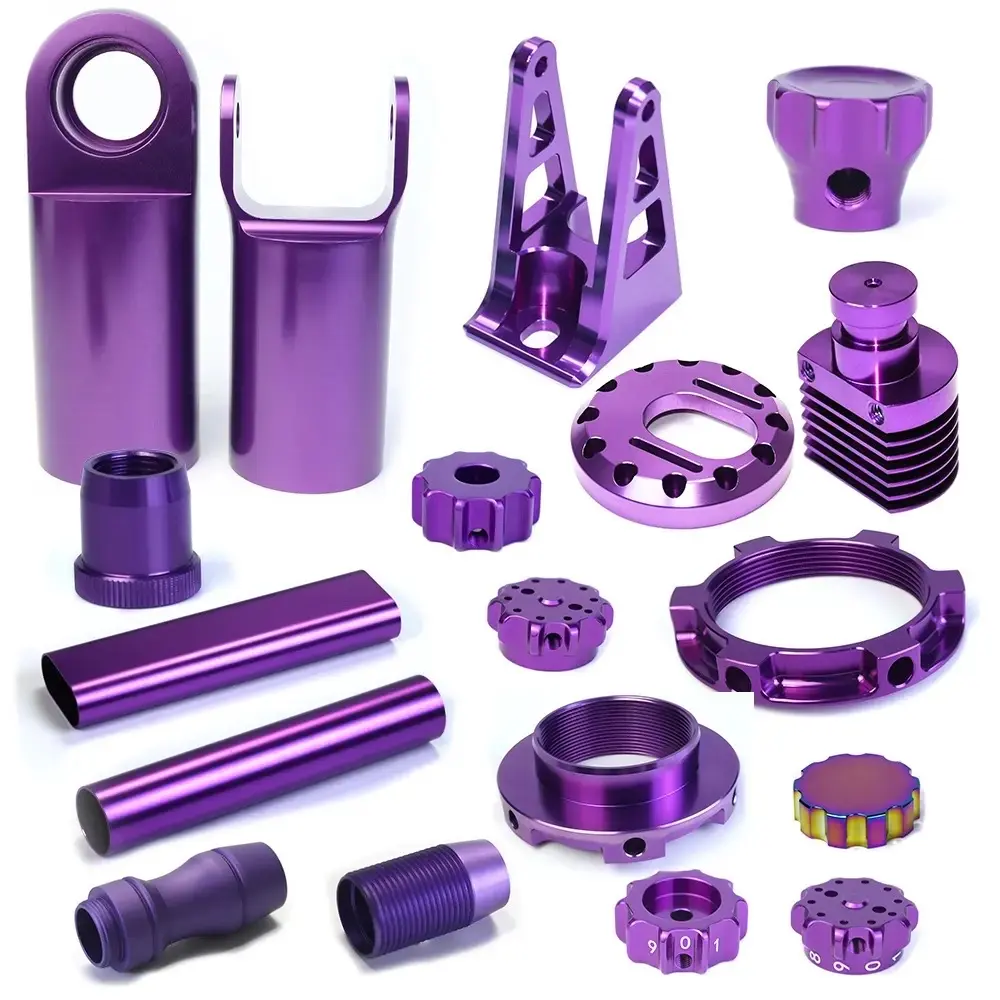
Our facility is equipped to process a wide variety of materials, each selected based on the specific mechanical and environmental requirements of your application:
Aluminum Alloys (e.g., 6061, 7075): Ideal for lightweight, high-strength applications.
Stainless Steel (e.g., 303, 304, 316L): Selected for corrosion resistance and structural durability.
Titanium Alloys (e.g., Grade 5): Utilized for high-performance components requiring an excellent strength-to-weight ratio.
Engineering Plastics (e.g., POM, PEEK, Nylon): Provided for applications requiring electrical insulation or weight reduction.
Brass & Copper: Used for components requiring high electrical or thermal conductivity.
4. Professional Solutions for Diverse Industries
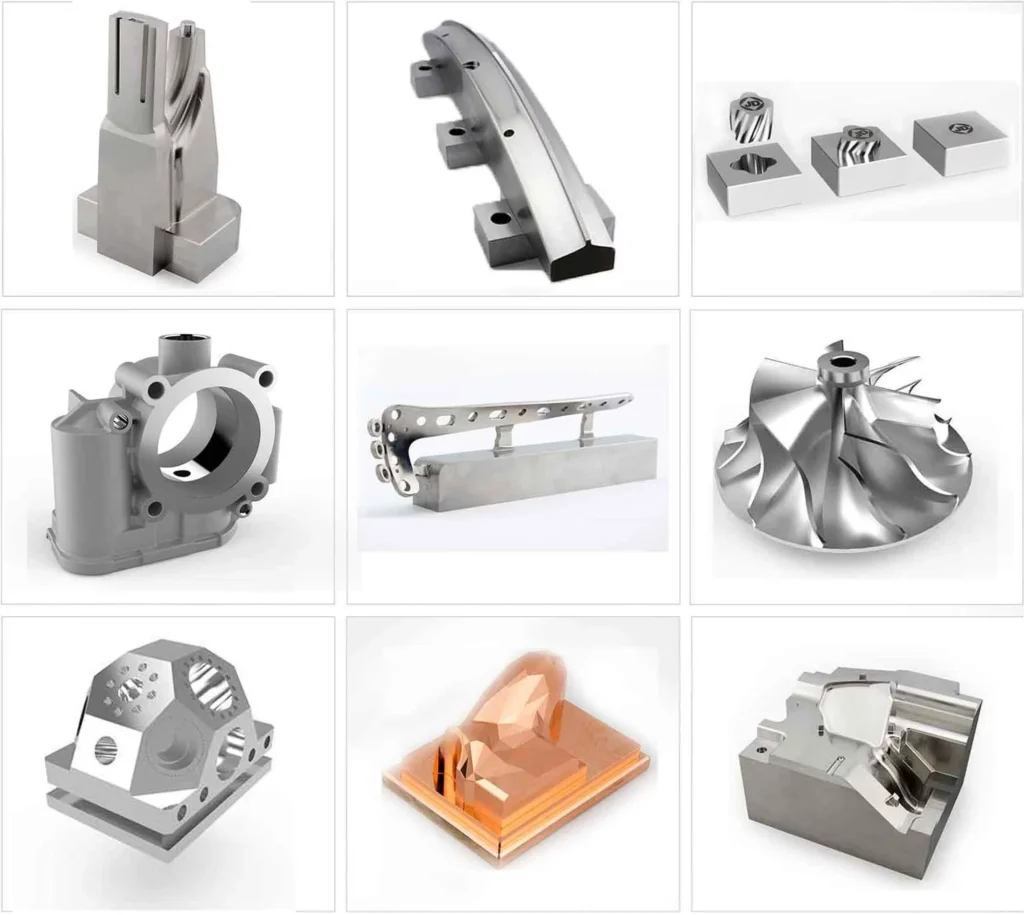
We align our processes with the following sector standards:
Aerospace: Focus on structural integrity and the use of high-strength alloys.
Medical: Compliance with material specifications and strict control of surface finishes for surgical instruments and diagnostic equipment.
Automotive & EV: Production of components for battery housings, thermal management systems, and motor assemblies.
Automation: Manufacturing of custom fixtures and robotic parts designed for durability and repetitive use.
5. Quality Assurance & Process Control
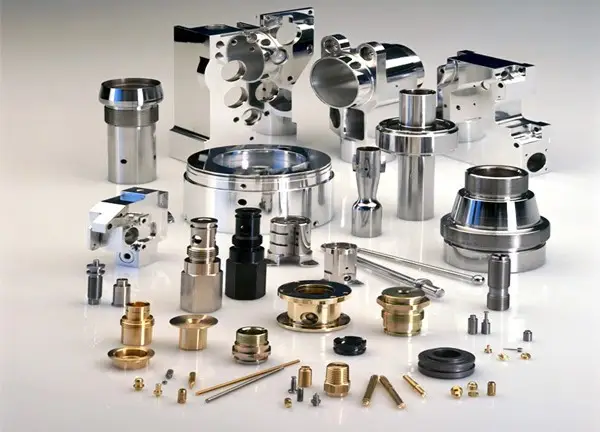
Precision manufacturing requires systematic verification at every stage:
CMM Dimensional Verification: All features are verified against CAD blueprints using Coordinate Measuring Machine (CMM) equipment to ensure strict alignment with engineering specifications.
Material Traceability: We provide full material compliance documentation for all components.
Design for Manufacturing (DFM) Analysis: Our engineering team reviews all technical drawings prior to production to optimize tool paths and material usage.
6. Engaging Our CNC Manufacturing Services
We operate as an extension of your engineering team. Whether the requirement is for high-volume production or custom prototypes, we maintain standard operating procedures for all projects to ensure reliability and repeatability.
Consult with our engineering team on your next project.
If you are currently sourcing cnc machining precision parts, our team is available to review your technical requirements and provide a professional manufacturing plan tailored to your project goals.
[Contact us to get a CNC quote within 24 hours.] Our team will analyze your project specifications and provide a manufacturing plan tailored to your needs.