CNC precision engineering combines the power of computer numerical control (CNC) technology with high-accuracy manufacturing techniques to produce parts with exact dimensions and fine detail. At its core, CNC stands for computer numerical control, a system where computers direct machine tools like mills, lathes, and grinders to follow precise coded instructions. This approach ensures consistent, repeatable results far beyond what manual machining can achieve.
Precision engineering focuses on creating components that meet extremely tight tolerances, often measured in microns, to guarantee perfect fit and function in demanding applications. Over the decades, manufacturing has evolved from hand-operated tools to automated CNC systems. This shift transformed industries by replacing labor-intensive craftsmanship with efficient, programmable machinery capable of producing complex parts with minimal human intervention.
Originally, machinists manually controlled tools guided by blueprints and gauges. Today, CNC precision engineering uses sophisticated software and hardware to automate design and production. This evolution has raised the bar for accuracy, speed, and scalability in manufacturing, making CNC an industry standard for high-precision components.
How CNC Precision Engineering Works
CNC precision engineering starts with the design phase, where CAD (Computer-Aided Design) software creates detailed 3D models of the part. These digital blueprints serve as the foundation for accurate machining. Next, CAM (Computer-Aided Manufacturing) software converts these designs into G-code — the language that CNC machines understand and follow to perform precise movements.
Once programming is complete, the machine setup begins. This includes selecting the right materials, such as aluminum, stainless steel, or specialty alloys, based on the part’s requirements. The workpiece is secured, and the appropriate tooling is installed. Modern CNC machines often feature multi-axis capabilities—ranging from 3 to 5 axes—that allow complex shapes and contours to be machined in a single setup for enhanced precision and efficiency.
Automated machining operations then carry out subtractive manufacturing by removing material according to the programmed instructions. Throughout this process, high-resolution encoders track tool positions to ensure machining stays within tight tolerances, often ±0.001mm or better. After machining, components undergo thorough quality inspection, including dimensional checks and surface finishing to meet strict standards.
For advanced projects, technologies like multi-axis CNC and high-precision encoders are essential to achieve the level of accuracy and repeatability demanded by industries such as aerospace and medical devices. If you’re interested in expert CNC milling solutions, check out our CNC milling services for complex components to see how we combine design and machining excellence.
Common Types of CNC Precision Machines and Operations
CNC precision engineering relies on several machine types to produce highly accurate parts. The most common are CNC milling machines, available in 3-axis, 4-axis, and 5-axis configurations. These multi-axis CNC mills allow for complex shapes and contours by moving tools along multiple directions simultaneously, which is vital for tight tolerance machining.
CNC turning machines (or lathes) specialize in rotating the workpiece against cutting tools. They’re excellent for creating symmetrical, cylindrical parts with precision down to ±0.001mm or better. Turning is often combined with milling to create intricate parts in a single setup.
Beyond milling and turning, other CNC operations include grinding, electrical discharge machining (EDM), and laser cutting. Grinding is used to refine surfaces and achieve extreme precision, while EDM can cut hard metals with minimal mechanical stress. Laser cutting applies focused beams for fast, precise cuts, especially on thin materials.
These machines work together to meet the demanding accuracy standards seen in aerospace, medical, and high-precision manufacturing sectors. For instance, advanced 5-axis CNC machining services allow for machining complex custom CNC prototypes with exceptional detail and surface finish.
Combining these various operations ensures manufacturers can consistently deliver precision machined parts that meet strict requirements, making CNC precision engineering a cornerstone of modern production.
Materials Used in CNC Precision Engineering
CNC precision engineering relies on a wide range of materials, with choices dictated by the application’s specific requirements. Metals like aluminum, titanium, stainless steel, and Inconel are commonly used due to their strength, durability, and corrosion resistance. Aluminum is popular for its lightweight and excellent machinability, while titanium offers high strength-to-weight ratio and corrosion resistance, especially valuable in aerospace and medical device machining. Stainless steel provides toughness and chemical resistance, making it ideal for harsh environments. Inconel, a nickel-chromium-based alloy, excels in extreme heat and corrosion conditions, often used in high-performance aerospace and defense components.
Besides metals, plastics and composites also play a vital role in CNC precision engineering. These materials are chosen for their lightweight characteristics, electrical insulation, or chemical resistance, supporting applications where metal parts might be too heavy or reactive.
When selecting materials for precision CNC milling or CNC turning processes, key factors include:
Strength and hardness: To ensure parts meet mechanical demands.
Corrosion resistance: Critical for parts exposed to harsh environments.
Machinability: Affecting tool wear, surface finish, and overall efficiency.
Cost and availability: Balancing budget with material performance.
Understanding these material properties helps achieve the tight tolerance machining and high-precision manufacturing required in industries like aerospace and medical devices. For detailed options on metal machining capabilities, exploring our specialized stainless steel CNC machining services can provide practical insights.
Key Benefits of CNC Precision Engineering
CNC precision engineering offers unmatched accuracy and repeatability, ensuring every part meets tight tolerance requirements consistently. This level of precision is crucial when producing complex components where even tiny deviations matter.
Here are some key benefits:
Benefit
Description
Accuracy & Repeatability
Precision CNC milling and turning deliver exact dimensions every time.
Efficiency
Automated machining reduces cycle times and cuts down on material waste.
Cost-Effectiveness
Complex parts can be made faster and cheaper than manual methods or other machining types.
Scalability
Perfect for everything from one-off prototypes to large production runs.
Minimized Human Error
Automation decreases mistakes linked to manual operations, improving consistency.
By cutting down revisions and scrap, CNC precision engineering boosts overall productivity and helps manufacturers stay competitive. Its ability to produce high-precision machined parts at scale is why many industries rely on these advanced machining technologies.
For those looking to maximize quality and output, choosing professional CNC machining services can make all the difference. If you want to learn more about CNC milling options with multiple axes, check out our detailed guide on 5-axis CNC milling machines.
Industries That Rely on CNC Precision Engineering
CNC precision engineering plays a critical role across multiple high-stakes industries where accuracy and reliability can’t be compromised. In aerospace, CNC machining services produce essential engine components and structural parts that demand tight tolerance machining to ensure safety and performance. The automotive sector also depends heavily on CNC precision, especially for manufacturing engine blocks and transmission parts that require consistent quality at scale.
In the medical devices industry, precision CNC milling is used to create implants, surgical instruments, and custom CNC prototypes with exceptional accuracy, supporting patient safety and better outcomes. The defense and electronics sectors benefit from advanced machining technology to produce intricate parts that meet strict specifications.
For example, companies offering specialized services like CNC machining for the aircraft industry depend on precision CNC processes to deliver critical aerospace components. Similarly, medical device manufacturers rely on experts familiar with high-precision manufacturing to handle complex, compliant parts found in surgical tools and implants.
These industries prove that CNC precision engineering is not just about making parts—it’s about delivering flawless performance where it matters most.
Why Choose Professional CNC Precision Engineering Services?
Choosing between in-house CNC precision engineering and outsourcing can be tough. In-house setups require significant investment in advanced machines, skilled operators, and ongoing maintenance. On the other hand, outsourcing to professional CNC machining services brings expertise, cutting-edge equipment, and quality assurance without the heavy overhead.
Challenges of In-House vs. Outsourcing
Aspect
In-House CNC Precision Engineering
Outsourcing to Professionals
Equipment Costs
High initial investment & maintenance
Access to latest machines without buying
Skilled Workforce
Requires training & retention
Experienced engineers and operators
Quality Control
In-house responsibility, complex process
Certified quality checks and audits
Flexibility
Limited by in-house capabilities
Wide range of machines and materials
Scalability
Harder to scale for large or specialized jobs
Easily handle prototyping to high volume runs
Importance of Expertise and Advanced Equipment
Professional CNC precision engineering providers like MS Machining bring years of experience in tight tolerance machining and advanced G-code programming. Their multi-axis CNC machines, paired with cutting-edge CAD CAM software, ensure consistent production of high-precision machined parts.
They hold industry-recognized certifications, giving you confidence that every component meets strict aerospace, medical, or automotive standards.
How MS Machining Stands Out
At MS Machining, we combine modern CNC capabilities with hands-on expertise:
State-of-the-art facilities equipped with 3-axis to 5-axis CNC milling and precision turning.
Rigorous quality checks to guarantee tolerance levels of ±0.001mm or better.
Comprehensive support for custom CNC prototypes and complex parts.
Proven track record in aerospace CNC components and medical device machining.
For precision parts that demand reliability and superior craftsmanship, trust MS Machining’s expert CNC precision engineering services. For a closer look at how our capabilities fit your needs, see our custom CNC machining offerings.
Future Trends in CNC Precision Engineering
CNC precision engineering is evolving rapidly with new technologies shaping the future of manufacturing. One major trend is the integration of AI and Industry 4.0 principles. Smart factories equipped with connected machines enable real-time data monitoring and adaptive control, improving accuracy and reducing downtime. Artificial intelligence helps optimize tool paths, predict maintenance needs, and enhance quality inspection, making precision CNC machining services even more reliable.
Another key development lies in advances in multi-axis and hybrid machining techniques. Five-axis machines and beyond offer greater flexibility for complex parts, while hybrid setups combine additive and subtractive processes to reduce waste and machining time. These technologies push the boundaries of what precision machined parts can achieve, especially in critical fields like aerospace and medical device machining.
Sustainability is also becoming a priority. Smarter manufacturing approaches focus on energy-efficient machines, recyclable materials, and minimal scrap, which align well with environmental goals without sacrificing tight tolerance machining standards. This focus on green manufacturing ensures CNC precision engineering not only meets today’s demands but is prepared for a cleaner, smarter future.
Explore how advanced 5-axis CNC machining services are driving innovation and efficiency in this fast-changing landscape.
The key benefits include high dimensional accuracy, excellent repeatability, improved surface finish, and reduced human error. CNC precision engineering also allows complex geometries to be produced efficiently, making it suitable for both prototyping and large-scale production without compromising quality.
Depending on the machine capability, tooling, and material, CNC precision engineering can commonly achieve tolerances within ±0.01 mm or tighter for critical features. This level of precision is essential for parts that must fit or function reliably within tightly controlled assemblies.
CNC precision engineering is used to manufacture components such as shafts, housings, brackets, connectors, medical implants, aerospace fittings, and electronic enclosures. It is particularly effective for parts that require strict tolerances, complex features, or consistent performance over long service life.
A wide range of materials can be machined, including aluminum alloys, stainless steel, carbon steel, brass, copper, titanium, and high-performance plastics. Material selection is driven by strength, weight, corrosion resistance, thermal stability, and the part’s operating environment.
Compared to conventional machining, CNC precision engineering offers higher accuracy, better repeatability, and greater control over complex features. Manual processes rely heavily on operator skill, while CNC systems deliver stable and predictable results with less variation.

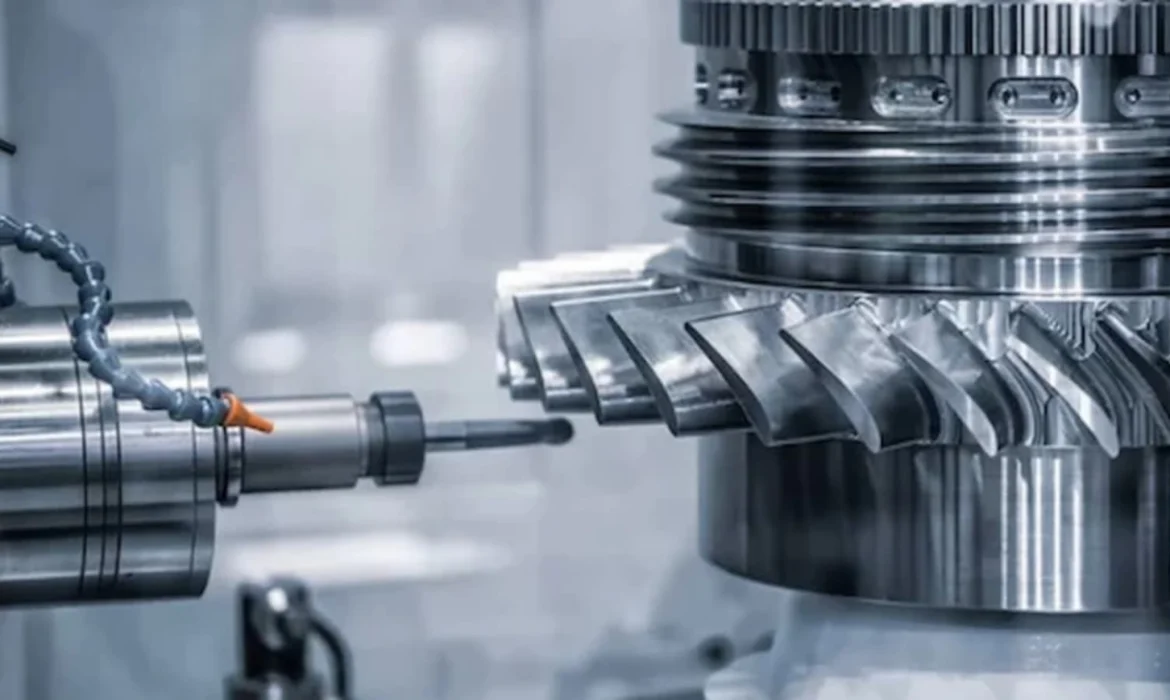
 CNC precision engineering offers unmatched accuracy and repeatability, ensuring every part meets tight tolerance requirements consistently. This level of precision is crucial when producing complex components where even tiny deviations matter.
Here are some key benefits:
CNC precision engineering offers unmatched accuracy and repeatability, ensuring every part meets tight tolerance requirements consistently. This level of precision is crucial when producing complex components where even tiny deviations matter.
Here are some key benefits:
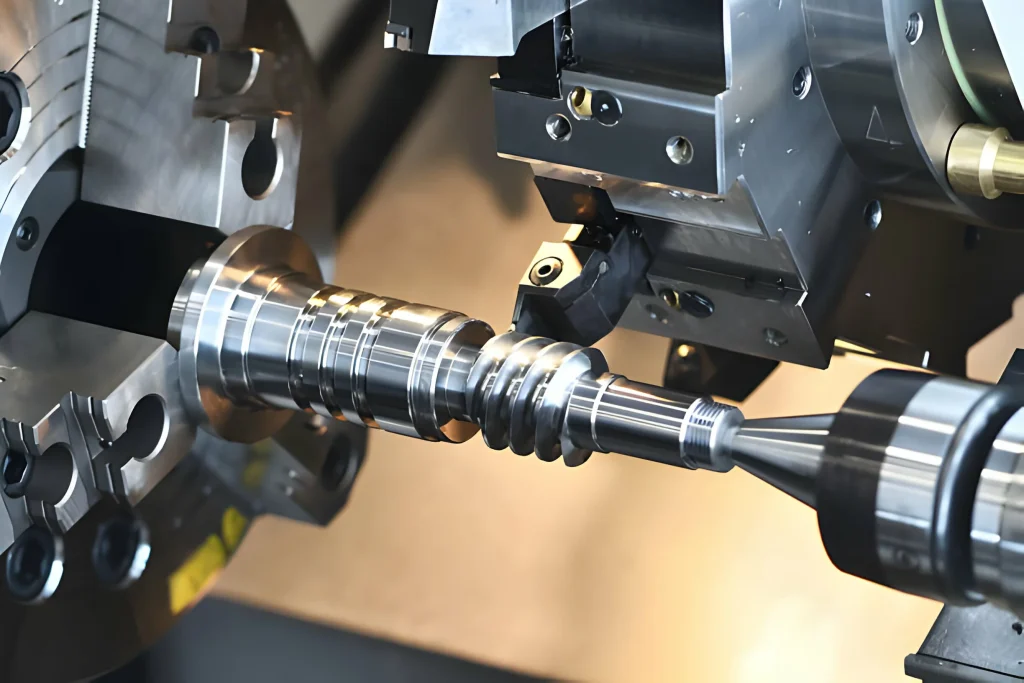 CNC precision engineering plays a critical role across multiple high-stakes industries where accuracy and reliability can’t be compromised. In aerospace, CNC machining services produce essential engine components and structural parts that demand tight tolerance machining to ensure safety and performance. The automotive sector also depends heavily on CNC precision, especially for manufacturing engine blocks and transmission parts that require consistent quality at scale.
In the medical devices industry, precision CNC milling is used to create implants, surgical instruments, and custom CNC prototypes with exceptional accuracy, supporting patient safety and better outcomes. The defense and electronics sectors benefit from advanced machining technology to produce intricate parts that meet strict specifications.
For example, companies offering specialized services like CNC machining for the aircraft industry depend on precision CNC processes to deliver critical aerospace components. Similarly, medical device manufacturers rely on experts familiar with high-precision manufacturing to handle complex, compliant parts found in surgical tools and implants.
These industries prove that CNC precision engineering is not just about making parts—it’s about delivering flawless performance where it matters most.
CNC precision engineering plays a critical role across multiple high-stakes industries where accuracy and reliability can’t be compromised. In aerospace, CNC machining services produce essential engine components and structural parts that demand tight tolerance machining to ensure safety and performance. The automotive sector also depends heavily on CNC precision, especially for manufacturing engine blocks and transmission parts that require consistent quality at scale.
In the medical devices industry, precision CNC milling is used to create implants, surgical instruments, and custom CNC prototypes with exceptional accuracy, supporting patient safety and better outcomes. The defense and electronics sectors benefit from advanced machining technology to produce intricate parts that meet strict specifications.
For example, companies offering specialized services like CNC machining for the aircraft industry depend on precision CNC processes to deliver critical aerospace components. Similarly, medical device manufacturers rely on experts familiar with high-precision manufacturing to handle complex, compliant parts found in surgical tools and implants.
These industries prove that CNC precision engineering is not just about making parts—it’s about delivering flawless performance where it matters most.
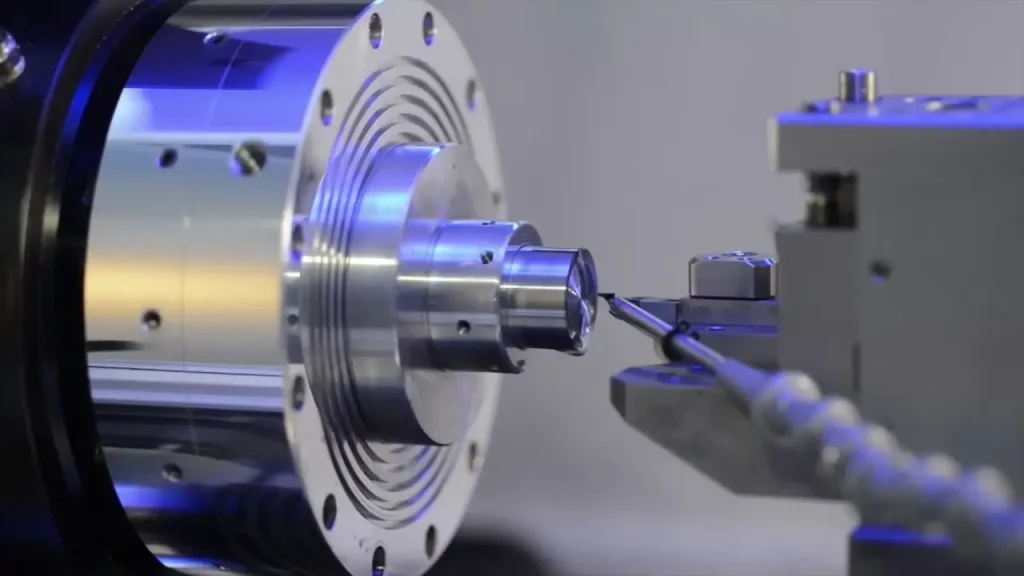 Choosing between in-house CNC precision engineering and outsourcing can be tough. In-house setups require significant investment in advanced machines, skilled operators, and ongoing maintenance. On the other hand, outsourcing to professional CNC machining services brings expertise, cutting-edge equipment, and quality assurance without the heavy overhead.