What Head Milling Services Are
When people ask me about Head Milling Services, they usually want one simple answer: “What does it actually do, and do I really need it?” The short version is this — head milling is face milling the cylinder head deck surface to bring it back to flat, clean, and ready to seal. That matters because a warped or rough head can cause head gasket failure, compression loss, and sealing problems that turn into bigger engine problems fast.
Head Milling Basics
In plain terms, head milling means we machine a small amount of material off the head’s deck surface. That process is also called cylinder head resurfacing or deck milling.
- Goal: restore head deck flatness
- Result: better gasket sealing and more reliable compression
- Common use: engine reconditioning and performance engine rebuild work
Think of it like truing up a warped board before bolting it down. If the surface is not flat, the gasket has to do too much work.
Types of Head Milling
Not all head milling services are the same. Here is the simple breakdown:
| Type | What It Means | Best For |
|---|---|---|
| Basic head milling | Straight face milling to restore flatness | Most street engines and repairs |
| CNC head milling | Computer-controlled machining for tighter precision | Modern performance builds |
| Full CNC porting/machining | More advanced work on ports, chambers, and flow paths | Race heads and custom performance cylinder head work |
Basic resurfacing is usually about sealing and flatness.
CNC head milling adds more control and repeatability.
Full CNC cylinder head services go further and can reshape airflow areas for power gains.
Common Head Materials
I machine a lot of different heads, and the material matters.
- Aluminum heads: common on modern engines, lighter, and sensitive to heat
- Cast iron cylinder heads: durable, but still need proper resurfacing
- Performance heads: often need tighter head milling tolerance and a cleaner finish
Each material cuts a little differently, so the setup, tooling, and finish all matter.
Why Milling Comes First
In most rebuilds, head milling is one of the first things I check because it sets the foundation for everything else.
- It helps confirm the head is usable before extra work starts
- It improves the sealing surface before valve job preparation
- It supports proper MLS gasket sealing
- It can help correct a warped cylinder head before assembly
If the head is not flat, it does not matter how good the rest of the rebuild is. The engine still has a weak point at the gasket surface.
Quick Takeaway
| Problem | Head Milling Fix |
|---|---|
| Warped head | Restores flatness |
| Rough deck surface | Improves sealing |
| Rebuild prep | Creates a clean starting point |
| Performance build | Helps set compression and reliability |
For me, that is the real value of Head Milling Services: they give the engine a solid, accurate sealing surface before the rest of the build goes together.
Common Reasons People Need Head Milling Services
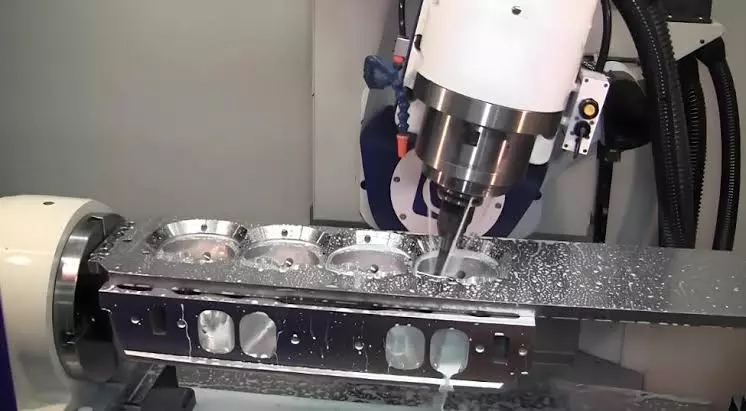
One of the main reasons folks turn to head milling services is to fix warped cylinder heads. Overheating, bad torque-to-yield bolts, or improper torquing can cause heads to warp or crack, which affects engine performance and sealing. Milling the head surface restores flatness, ensuring a proper seal with MLS gaskets and preventing leaks.
Another common reason is to raise the compression ratio. By carefully removing a controlled amount of material from the deck surface, you can boost power and efficiency. This process involves simple compression math to calculate how much material to remove without risking head clearance issues.
Head milling is also essential for restoring the head surface finish after carbon buildup, corrosion, or pitting. These issues can cause poor sealing and uneven combustion. Milling smooths out the surface, improving head gasket sealing and overall engine reliability.
Preparing heads for new valve jobs, MLS gasket sealing, or head studs is another key reason. Milling ensures the deck surface is perfectly flat, which is critical for proper sealing and performance when installing new components.
Lastly, head milling makes a lot of sense for street cars, track racers, and towing setups. Whether you’re looking for a power boost, better reliability, or improved thermal management, milling the cylinder head is a cost-effective way to get the most out of your engine.
How Head Milling Works Step by Step
I keep the head milling services process simple and controlled, because the goal is clean cylinder head resurfacing, not guesswork.
1) Inspect and clean first
Before I put a head on the mill, I inspect, clean, and document it.
- I remove oil, carbon, gasket residue, and coolant buildup
- I check for cracks, pitting, corrosion, and obvious damage
- I record the head type, material, and any previous machining marks
- I verify whether the job is basic face milling or needs more cylinder head machining
A clean part matters because dirt can hide warpage and throw off the setup.
2) Check flatness and damage
Next, I check head deck flatness across the full surface.
- I use precision straightedges and feeler gauges
- I look for warped cylinder head repair needs from overheating or bad torque-to-yield bolts
- I confirm whether the surface can be resurfaced safely
- I note areas that may need extra attention before milling
This step helps me decide how much material to remove without hurting compression ratio calculation or MLS gasket sealing.
3) Fixture the head correctly
Once the head is ready, I clamp it on precision milling equipment.
- I secure the head so it sits stable and square
- I verify the setup before the cutter touches the surface
- I treat the fixture work like a precision tool and die maker job, because setup accuracy drives the final result
- I recheck alignment to keep the cut even from end to end
Good fixturing is a big part of repeatable head milling tolerance.
4) Mill the surface in controlled passes
The actual milling is done in measured passes.
- I choose the right cutter for aluminum head machining or cast iron cylinder heads
- I control depth per pass so the cut stays even
- I use coolant to manage heat and protect the finish
- I take finish passes to improve surface finish restoration and sealing quality
For performance engine rebuild work, I may keep the cut very light to protect chamber consistency and valve job preparation.
5) Verify the finished head
After milling, I do final quality checks.
| Check | What I look for |
|---|---|
| Flatness | Even deck surface across the full head |
| Surface finish | Correct finish for gasket type and sealing |
| Chamber consistency | Similar volume across cylinders |
| Overall quality | No chatter, grooves, or missed spots |
I want the result to be predictable, whether the head is for a street build, a towing setup, or performance cylinder head work.
6) Keep quality control tight
Good local machine shop services follow the same rules every time.
- Consistent setup and measurement
- Clean surfaces before and after machining
- Proper cutter selection and feed control
- Final inspection before the head leaves the shop
That is what gives customers reliable head milling services, better head gasket failure prevention, and a cleaner path into engine reconditioning.
CNC vs Traditional Head Milling
When it comes to head milling services, understanding the difference between traditional and CNC head milling is key. Traditional head milling typically involves using manual or semi-automatic milling machines to face the deck surface of the cylinder head. It’s a straightforward process that gets the job done for many street builds, especially when flatness and surface finish are the main goals.
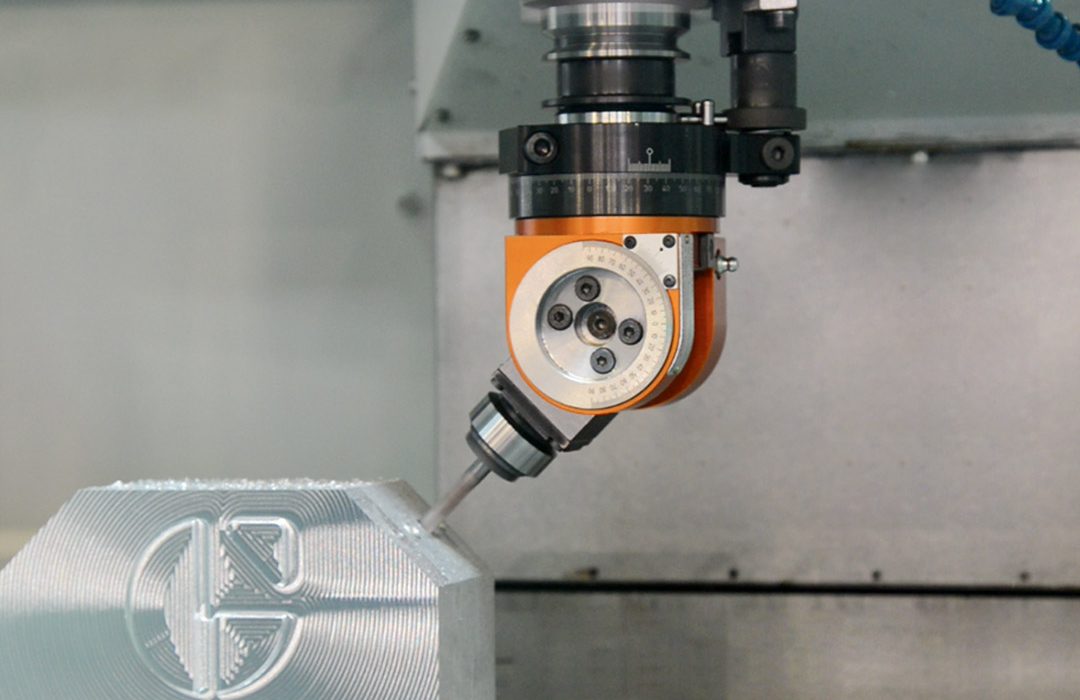
On the other hand, CNC head milling, especially with 5-axis CNC machines, offers a higher level of precision and repeatability. These machines can handle complex geometries, multiple angles, and detailed port work that would be difficult or impossible with basic face milling. For performance or race heads, where exact specifications and optimal airflow are critical, 5-axis CNC head milling is often worth the extra cost. It allows us to fine-tune the head surface, chambers, and ports with incredible accuracy.
For budget builds or street cars, basic face milling provides excellent value. It’s faster, less expensive, and still ensures a flat deck surface that improves gasket sealing and compression ratios. However, CNC services tend to be more consistent, especially when multiple heads need to match or when intricate modifications are required.
Pros of CNC cylinder head services include:
- Greater precision and consistency
- Ability to perform complex porting and chamber modifications
- Better surface finish quality
- Suitable for high-performance and race applications
Cons include:
- Higher cost compared to traditional milling
- Longer setup times for complex jobs
- May be more than needed for simple resurfacing tasks
Real-world examples show engines like high-performance drag racers or turbocharged setups benefiting most from CNC machining. These engines demand tight tolerances and optimized airflow paths that CNC head milling can deliver. For most street builds, a well-done basic face mill often hits the sweet spot for quality and affordability.
Benefits of Professional Head Milling Services
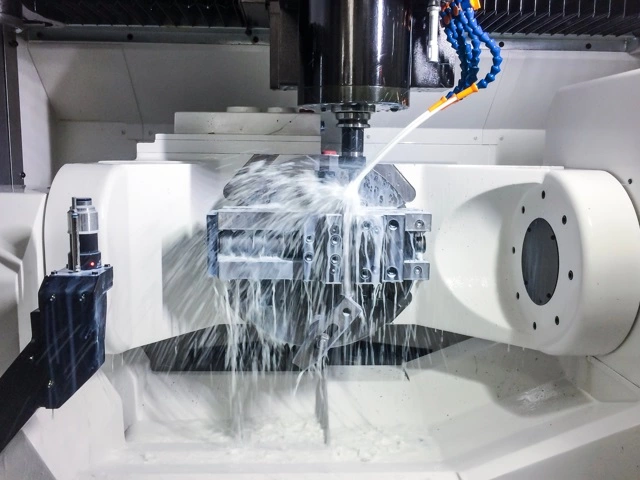
Choosing professional head milling services offers several key advantages that DIY or cheap shortcuts just can’t match. Here’s why trusting the experts makes a big difference:
Reliable MLS Gasket Sealing
A professionally milled head provides a perfectly flat deck surface, which is essential for sealing MLS gaskets properly. This prevents leaks and ensures long-term reliability.
Consistent Compression Ratios
When done right, head milling ensures all cylinders have the same compression ratio. This results in balanced power, smoother engine operation, and better fuel efficiency.
Longer Head Life & Better Thermal Management
Proper resurfacing reduces the risk of head gasket failure, prevents warping, and improves heat dissipation. This means your engine runs cooler and lasts longer.
Power & Reliability Gains
A smooth, flat surface boosts performance—more power, quicker throttle response, and improved overall engine reliability. It’s a simple upgrade with big results.
Why Professional Resurfacing Outperforms DIY
- Accuracy: Professionals use precision CNC head milling machines to achieve perfect flatness.
- Quality Checks: They verify surface finish, chamber dimensions, and deck flatness before and after.
- Material Preservation: Experts avoid over-milling, which can weaken the head or alter compression unintentionally.
- Consistent Results: Reliable, repeatable results that meet or exceed OEM standards.
Investing in professional head milling services ensures your engine rebuild is solid, reliable, and ready for whatever you throw at it.
How to Choose the Right Head Milling Service
Picking the right head milling shop is key to getting quality results without surprises. Watch out for red flags like hidden fees, vague answers, or poor communication — these can lead to costly mistakes or delays. A reputable shop will be transparent about their process and pricing, so don’t hesitate to ask for details upfront.
Essential questions to ask about head milling services and processes:
- What is included in the milling process? (deck resurfacing, chamber work, valve prep)
- What are your tolerances for flatness and surface finish?
- Do you check for cracks or damage before milling? (crack checking is crucial)
- What type of equipment do you use? (CNC head milling vs traditional)
- How long will the turnaround take? (depends on the head’s condition and complexity)
- Can you provide before-and-after measurements? (to verify flatness and quality)
What to look for in experience:
- Experience with your specific engine type or cylinder head material (like aluminum or cast iron)
- Proven track record with performance engine rebuilds or restoration projects
- Knowledge of head gasket sealing and compression ratio calculations
Why choose local machine shops with transparent quoting?
- Clear, upfront pricing avoids hidden fees
- Easier communication and quick turnaround
- Better trust and accountability
How MS Machining builds trust with honest head milling work:
- Transparent process explanations and detailed quotes
- Skilled technicians with years of experience
- Consistent quality control standards
- Focus on customer satisfaction and long-term reliability
Choosing the right head milling service means asking the right questions and trusting a shop that values transparency and expertise. This ensures your engine gets the right surface prep, whether for performance gains or just restoring a worn head.
Head Milling Process at MS Machining
At MS Machining, we follow a precise, step-by-step workflow to ensure your cylinder heads are machined to perfection. Our process begins with a thorough inspection and cleaning of the head to identify any warpage, cracks, or damage. We then securely fixture the head on our high-precision CNC head milling equipment, ensuring stability and accuracy during the process.
Once fixtured, we carefully set the depth of cut, feeds, and speeds based on the material—whether it’s aluminum or cast iron—and the desired surface finish. Our team determines the optimal parameters to remove just enough material for a flat, smooth deck surface without compromising head integrity. We also select the appropriate cutter type and coolant to maximize surface quality and tool life.
During the milling, we perform multiple finish passes to achieve a consistent, mirror-like surface finish that meets OEM standards or your specific performance needs. After milling, we verify the flatness using precision measurement tools, checking for any warpage or unevenness. We also inspect the chamber and valve areas to ensure no damage or distortion occurred.
Our quality control process guarantees that each head meets strict standards for flatness, surface finish, and sealing surfaces. We document all measurements and results to provide you with confidence in the work performed.
Pricing at MS Machining varies depending on the scope of work—basic resurfacing, full decking, or additional services like valve jobs or CNC porting. Typically, turnaround times range from a few days to a week, influenced by the head’s condition, the complexity of the work, and our current workload.
From the moment you drop off your heads to when you pick them up, we keep you informed. We explain each step, provide updates on progress, and ensure the finished product meets your expectations. Our goal is to deliver reliable, high-quality head milling services that help your engine run smoothly and efficiently.
Common Mistakes to Avoid with Head Milling Services
I see the same few problems come up again and again with head milling services. Most of them are avoidable if I start with the right inspection, the right setup, and a clear target for the job.
Don’t Over-Mill the Head
Removing too much material can fix a warped cylinder head, but it can also create new problems fast.
I check the safe removal limit before I cut anything. That means I look at:
- Factory specs for head deck flatness
- Previous milling history
- Head gasket type
- Desired compression ratio calculation
- Valve-to-piston clearance on performance engine rebuilds
If I am only doing cylinder head resurfacing, I keep the cut as light as possible. For most jobs, I want enough removal to clean the surface and restore sealing, not chase every last thousandth.
Verify Fixturing and Flatness
A lot of bad results come from poor setup, not the milling itself.
Before and after deck milling, I check:
- Fixturing contact points
- Clamp pressure
- Surface flatness across the full head
- High spots, twist, and warp
- Final finish for MLS gasket sealing
If the head is not held right, the cut will not be right. That can lead to sealing issues, uneven compression, and a repeat repair later.
Use the Right Tools and Coolant
The cutter matters. So does coolant. So does the finish pass.
Wrong tooling can leave a rough surface that hurts head gasket failure prevention. It can also tear up aluminum or cast iron and make the surface harder to seal.
For aluminum head machining and cast iron cylinder heads, I use the right cutter style, proper feeds and speeds, and clean coolant flow. That helps me protect the surface and keep the finish consistent.
If a shop also handles broader CNC machining services, I want to know they understand the difference between general milling and true precision head milling.
Send in Clean, Usable Heads
Dirty heads hide problems.
If I get a head that still has carbon, old gasket material, oil sludge, or corrosion, I cannot inspect it properly. That slows the job down and can cover up cracks or deeper damage.
Before I send out a head for head resurfacing, I want:
- Basic cleaning
- Removed gasket residue
- No loose parts
- No obvious broken areas
- A note about any overheating or failure history
That makes it easier to spot warped cylinder head repair issues early.
Avoid Compression and Sealing Problems
A milled head changes the engine’s geometry a little. If I do not account for that, the build can end up with uneven compression or gasket problems.
Here is what I check before reassembly:
| Mistake | Better Approach |
|---|---|
| Too much material removed | Stay within safe limits |
| No finish measurement | Confirm surface finish after milling |
| Wrong gasket choice | Match gasket to finish and use case |
| No torque plan | Follow correct torque sequence and specs |
| Skipping inspection | Check for cracks, warp, and valve issues |
For boosted or pre-turbo head work, I am extra careful because sealing matters even more. A small mistake can turn into a bigger repair later.
What I Do Instead
When I want the job done right, I keep it simple:
- Measure first, cut second
- Verify flatness before and after
- Use the right setup for the head material
- Match the finish to the gasket
- Recheck compression and sealing needs before final assembly
If I need more than basic resurfacing, I look for a shop that can handle both head work and broader CNC turning and milling with the same level of care. That usually gives me better control over the final result and fewer surprises during rebuild.
Real-World Head Milling Applications
Head milling is a versatile service with many practical uses in everyday engine work. Whether you’re upgrading a street car or building a high-performance setup, head milling can make a real difference.
Street Car Compression Ratio Upgrades and Mild Builds
For those looking to boost power without going overboard, head milling is a simple way to increase compression ratio. Removing a small amount of material from the cylinder head’s deck surface helps improve efficiency and power output. It’s a cost-effective way to get more performance from your daily driver or weekend cruiser.
Track, Drag Racing, and Performance Engine Rebuilds
In high-performance engines, precise head milling is essential. For track and drag racing setups, CNC head milling ensures perfect flatness and chamber volume, which translates to consistent compression and better power. It’s especially helpful when rebuilding engines for maximum output or tuning for specific race conditions.
Restoration Projects and Pre-Turbo or Boosted Setups
Restoring older engines often involves fixing warpage or damage caused by years of use. Head milling can restore the head’s surface finish, sealing it properly again. For turbocharged or boosted engines, proper head milling ensures the gasket seals well under increased pressure, preventing leaks and head gasket failures.
Repairing High-Mileage Engines with Warped or Damaged Cylinder Heads
High-mileage engines tend to develop warpage, cracks, or corrosion. Head milling helps repair these issues by restoring flatness and surface integrity. This process extends engine life and improves overall reliability, especially when combined with other cylinder head machining services like valve jobs.
Realistic Results Customers Can Expect
Customers often see noticeable gains after head milling, including improved compression, better sealing, and increased power. Properly milled heads also help prevent head gasket failures and improve thermal management. When done right, head milling is a reliable way to refresh and upgrade your engine for better performance and longevity.
Head Milling Cost Guide
When it comes to head milling services, prices can vary depending on the shop and the complexity of the work. Typically, local machine shops in the U.S. charge between $100 and $300 for basic head resurfacing or deck milling. This usually includes cleaning the cylinder head, checking for warpage, and resurfacing the deck to restore flatness, which is essential for proper gasket sealing and engine performance.
A basic head resurfacing package often covers the face milling process, but additional charges may apply for services like crack checking, valve seat prep, or CNC work. For example, if your head needs a full CNC porting or detailed valve job, expect to pay extra—sometimes several hundred dollars more—depending on the level of precision required.
It’s also worth comparing costs between milling, replacing, or buying used cylinder heads. Milling is generally the most cost-effective way to restore a warped or damaged head, especially if the head is still in good condition otherwise. Replacing with a new or used head can be more expensive and may involve additional labor or modifications.
When you receive a quote, make sure you understand what’s included. Some shops might list a low price but add on fees for cleaning, crack inspection, or CNC machining. Always ask for a detailed breakdown to avoid surprises and ensure you’re getting the best value for your investment. A professional shop like MS Machining can help you navigate these costs and give you a clear picture of what your engine rebuild will involve.
Head Milling Services: Maximize Your Investment
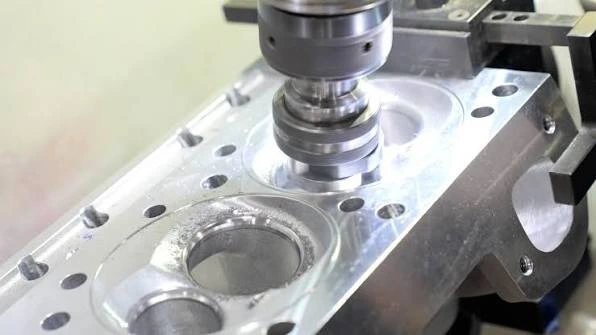
When I handle head milling services, I want the job to do more than just make the deck flat. The goal is better sealing, better compression control, and fewer problems when the engine goes back together.
Before Drop-Off
A little prep saves time and money on cylinder head resurfacing.
- Remove all sensors, studs, plugs, and accessories if your shop asks for bare heads.
- Drain oil, coolant, and any trapped fluid before transport.
- Tell the shop what the engine is, what gasket you plan to use, and how much material you think has already been removed.
- Bring the old gasket if you still have it. That helps with deck milling and finish planning.
- Note any overheating, coolant loss, or prior head gasket failure so the machinist can inspect the right areas.
Smart Add-Ons
I usually recommend pairing head milling with other work when it makes sense.
| Add-on | Why it helps |
|---|---|
| Valve job preparation | Helps the head seal better and run cleaner |
| Head cleaning and crack check | Finds damage before reassembly |
| Chamber cleanup | Keeps compression ratio calculation more consistent |
| Light port work | Helps airflow on performance engine rebuilds |
If the head also needs port cleanup or chamber work, I often tie it into my custom CNC machining services so the whole job stays matched. For tighter repeatability and a better finish, I also rely on CNC machining services when the build calls for more than basic face milling.
Shipping And Storage
How you move the heads matters just as much as how they get machined.
- Store heads on a clean, flat surface with the deck protected.
- Wrap the machined face so it does not get scratched in transit.
- Use a sturdy box or crate for shipping, especially for aluminum head machining.
- Keep valve train parts bagged and labeled.
- Do not stack heavy parts on top of cast iron cylinder heads or aluminum heads.
Before Reassembly
After head resurfacing, I always want a few checks done before the engine is buttoned up.
- Confirm head deck flatness one more time if the job was heavy or the head was warped.
- Clean every oil and coolant passage.
- Check gasket choice, especially for MLS gasket sealing.
- Verify torque specs, torque-to-yield bolts, and tightening sequence.
- Recheck valve train geometry if enough material came off the head.
- Make sure the installer understands the final head milling tolerance.
Long-Term Care
Freshly milled heads will last longer if the rest of the build is right.
- Keep the cooling system in good shape to prevent warped cylinder head repair issues later.
- Use the right gasket and fasteners for the engine.
- Watch for overheating right away after startup.
- Fix coolant leaks fast so the deck does not get damaged again.
- Follow break-in and maintenance steps if the head is part of a performance cylinder head work setup.
If I do the milling right and the installer finishes the job cleanly, the engine gets better sealing, steadier compression, and a much lower chance of coming back apart early.
Head Milling Services FAQ
I get these questions a lot, so I keep the answers simple and straight to the point.
| Question | Short answer |
|---|---|
| How much material can be removed? | It depends on the engine, head design, and prior cuts. I always check head deck flatness and the service limit before I cut anything. |
| Can it be done in one heavy pass? | I do not recommend it. Smaller cuts protect the surface finish and help keep the head true. |
| What is the difference between deck milling, head resurfacing, and CNC porting? | Deck milling and head resurfacing focus on the sealing surface. CNC porting changes the ports and combustion path for performance. |
| How long does it take? | Most local machine shop services run from same-day to a few days, depending on cleaning, inspection, and queue time. |
| Can head milling be reversed? | No. Once material is removed, it is gone. You can only work around it with gasket choice or replacement parts. |
How much can I mill?
There is no one-size-fits-all answer. Safe removal depends on:
- The engine family
- Whether the head is aluminum or cast iron
- How much warpage or damage is already there
- The target compression ratio calculation
- The gasket type, including MLS gasket sealing needs
For most jobs, I only remove what is needed to restore a flat, clean surface. That keeps the head in spec and helps prevent head gasket failure later.
Should I take it off in one pass?
Usually, no. A single heavy cut can hurt surface finish restoration and create more risk than value.
I prefer:
- Light, controlled cuts
- Proper coolant use
- A finish pass that matches the gasket and application
- Verification after the cut
That approach is better for precision head milling and gives more consistent results.
Deck milling vs resurfacing vs CNC porting
These terms get mixed up a lot.
- Deck milling: machining the head deck surface so it is flat and ready to seal
- Head resurfacing: the same basic idea, focused on restoring the sealing face
- Full CNC porting: reshaping intake and exhaust ports, often for performance cylinder head work
If the goal is sealing, warped cylinder head repair, or valve job preparation, deck milling is usually the first step. If the goal is airflow and power, CNC cylinder head services may make sense too.
I also explain the machine side of this work in plain terms in our intro to CNC machining, since a lot of people want to know what the equipment is doing and why it matters.
Turnaround and cost
Typical head milling cost depends on the condition of the head and what is included.
| Service | Typical range |
|---|---|
| Basic head milling / resurfacing | Lower-cost, quick turnaround job |
| Cleaning and inspection | Often added if the head comes in dirty |
| Crack checking | Usually extra |
| Valve job prep | Added when needed |
| CNC head milling / port work | Higher cost, longer lead time |
Turnaround time usually depends on:
- Shop workload
- Parts condition
- Whether crack checking or valve work is needed
- Whether the head needs extra cleaning or repair
Can I undo over-milling?
Not really. Head milling is permanent.
If too much material comes off, the usual fixes are:
- A thicker head gasket
- A different head with more material left
- A lower-compression setup
- In some cases, full head replacement
That is why I always measure first and cut once, with a clear plan for compression ratio, sealing, and long-term reliability.
If you want, I can also turn this FAQ into a tighter local service page version or add the next section in the same style.