
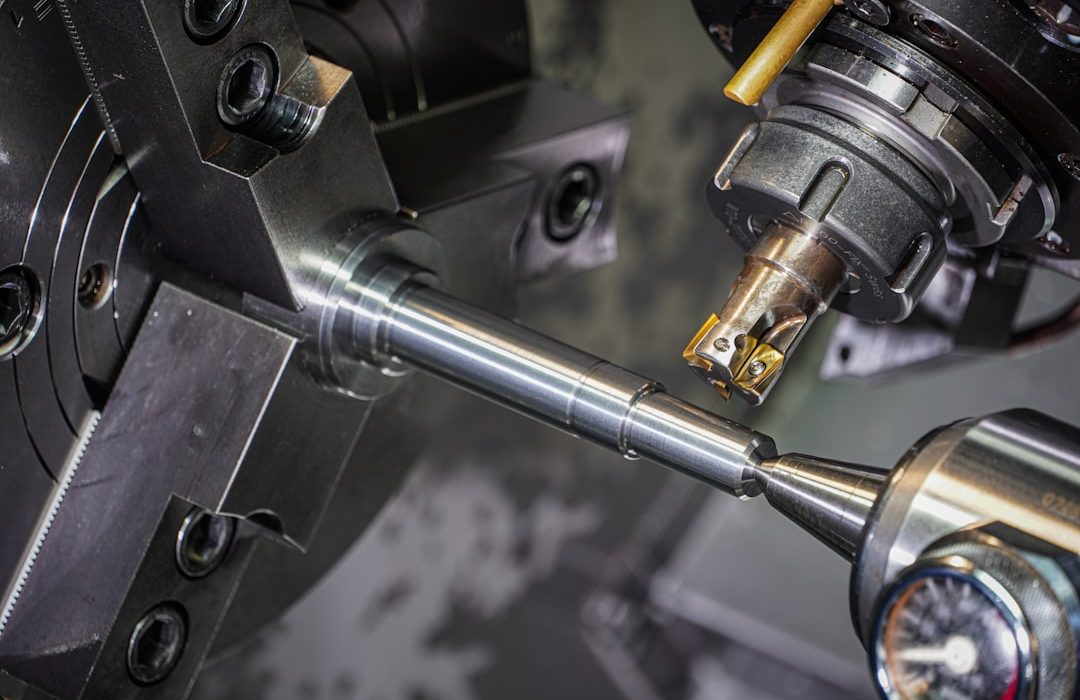
Modern manufacturing has been revolutionized by precision machining, a field that delivers consistent quality while optimizing workflows across diverse industrial sectors. By utilizing computer numerical control (CNC) technology to automate complex cutting and forming processes, manufacturers gain precise control over every aspect of production. In a hyper-competitive market where throughput, cost-efficiency, and lead-time reduction are paramount, this technology stands out as a critical solution. By integrating advanced software with mechanical precision, these automated systems minimize human error and maximize operational speed, leading to measurable gains in overall productivity. This article explores the core mechanisms behind these improvements and provides practical insights for manufacturers looking to elevate their output through automated precision machining.
The integration of automated machining into production lines enables companies to achieve higher throughput without compromising part integrity. Unlike traditional manual machining—which relies heavily on highly skilled operators and is inherently prone to inconsistencies—modern CNC processes follow programmed instructions with absolute accuracy. This automation facilitates faster cycle times and the capacity to run operations continuously, often in “lights-out” manufacturing environments with minimal supervision. Manufacturers adopting these workflows consistently report substantial reductions in lead times, allowing them to respond dynamically to customer demands and market shifts. Furthermore, the high repeatability of these digital processes ensures that every part produced meets exact specifications, drastically reducing the waste and rework costs that plague conventional methods.
Key Mechanisms of Efficiency in Precision Manufacturing
Efficiency in automated machining is driven by several synergistic mechanisms that streamline complex operations. Precision programming allows for intricate geometries to be fabricated in significantly fewer steps than manual alternatives. This capability reduces the time lost to setup and redundant tooling changes—the primary bottlenecks in traditional production. Modern systems also utilize predictive maintenance to prevent unexpected downtime, ensuring a continuous production flow. When analyzing how these services improve efficiency, it becomes clear that data-driven adjustments play a vital role in optimizing feed rates, spindle speeds, and tool paths for maximum output.
Scalability is another foundational advantage. Whether producing small-scale batches or high-volume series, these systems maintain efficiency levels that are difficult to match with other manufacturing approaches. Software integration allows for rapid design modifications without requiring extensive retooling, saving valuable time during both prototyping and full-scale production. Industries such as aerospace, automotive, and medical devices particularly benefit from these advantages, as the technology delivers the tight tolerances and superior surface finishes required while keeping production schedules strictly on track. By minimizing material waste through optimized cutting strategies, these automated workflows also contribute directly to cost-efficiency and sustainability goals.
Automation Benefits and Reduced Labor Dependency
Automation remains one of the primary drivers of production efficiency by decreasing reliance on manual oversight. While skilled machinists remain essential for programming, strategy development, and quality control, the actual cutting, drilling, and milling processes are executed by automated systems. This shift allows personnel to focus on higher-value tasks, such as process optimization and complex problem-solving, rather than repetitive machine tending. Detailed pre-production simulations further enhance this efficiency by identifying potential collisions or path errors early in the workflow, effectively eliminating the need for costly “trial and error” on the machine floor.
Speed Optimization and Dimensional Accuracy
When evaluating the impact on efficiency, the combination of speed and precision is the ultimate performance multiplier. High-speed spindles and advanced tool coatings enable faster material removal rates while simultaneously maintaining dimensional accuracy. This balance prevents the common tradeoff between quality and quantity that manufacturers often face. Real-time monitoring systems integrated into these automated platforms provide instant feedback, allowing for micro-adjustments that keep production running at peak performance. These features collectively reduce cycle times significantly, often by 50% or more depending on the application and materials involved.
Practical Applications for Efficiency Gains
Across multiple sectors, the value of precision machining is evident in real-world implementations. In the automotive industry, complex engine components are produced with extreme consistency, enabling “Just-in-Time” (JIT) strategies that reduce inventory overhead. Similarly, in electronics manufacturing, these services facilitate the creation of intricate housings and heat sinks that satisfy strict performance requirements. The ability to handle a vast range of materials—from aerospace-grade metals to advanced composites—makes these services a versatile tool for efficiency enhancement in demanding production projects.
Medical device production benefits immensely from this repeatability. Because surgical instruments and implants require extreme biocompatibility and exact specifications, batch-to-batch consistency is not just an efficiency gain—it is a regulatory necessity. This reliability translates directly into fewer quality control failures and smoother compliance processes. By adopting these advanced workflows, companies can scale operations more effectively, meeting growing demand without proportional increases in overhead or floor space. The technology also supports Lean Manufacturing principles by eliminating non-value-added steps in the production chain.
Material Optimization Techniques
Effective material utilization is a critical factor in driving production efficiency. Advanced nesting algorithms and toolpath optimization software maximize the use of raw stock, drastically minimizing scrap rates. This not only reduces direct material costs but also aligns with environmental sustainability objectives that many organizations now prioritize. Detailed analysis of cutting forces and thermal management further prevents material deformation, ensuring higher “first-pass yield” rates in precision manufacturing workflows.
Challenges and Solutions for Implementation
While the benefits are numerous, successful implementation requires addressing specific challenges to fully realize efficiency gains. The initial investment in equipment and training can be substantial; however, the long-term returns through increased productivity consistently justify these costs. Proper workforce development programs are essential to bridge skill gaps, ensuring that internal teams can leverage the full potential of these digital systems. Regular software updates and preventative hardware maintenance are equally critical to maintain peak performance levels over time.
Integration with existing Enterprise Resource Planning (ERP) systems is another vital consideration. When machining workflows are seamlessly connected to broader production management platforms, data flows smoothly, enabling more accurate forecasting and optimized resource allocation. This holistic approach maximizes efficiency gains across the entire value chain. Manufacturers should focus on continuous process improvement methodologies to refine their operations over time, adapting to new materials and evolving design requirements as they emerge.
Measuring Success with Efficiency Metrics
To quantify these performance gains, organizations must track specific indicators. Overall Equipment Effectiveness (OEE) scores typically rise after implementation, reflecting superior availability, performance, and quality rates. Reduced cycle times, decreased scrap percentages, and improved on-time delivery rates serve as tangible evidence of success. Regular audits and data analytics help identify areas for further optimization within the production environment.
Future Trends in Automated Machining
Looking ahead, several emerging technologies promise to amplify efficiency even further. Artificial Intelligence and Machine Learning algorithms are being incorporated to predict optimal cutting parameters dynamically. Hybrid systems, combining additive manufacturing with traditional subtractive machining, create new possibilities for complex part production. The Internet of Things (IoT) enables more sophisticated monitoring and predictive maintenance, reducing unplanned interruptions to near zero.
As industries continue to evolve, these advanced machining services will remain central to achieving a competitive advantage. The ongoing development of multi-axis configurations and advanced simulation tools expands the possibilities, allowing for even more intricate designs to be produced rapidly and accurately. Companies that invest thoughtfully in these technologies position themselves for sustained growth and operational excellence in an increasingly demanding manufacturing landscape.
In conclusion, understanding and implementing these precision machining workflows can transform production workflows and deliver measurable efficiency improvements. By focusing on the right strategies and continuous refinement, manufacturers can harness the full power of this technology. If you are ready to explore how these solutions can benefit your specific operations, reach out to our team to discuss your manufacturing needs.