
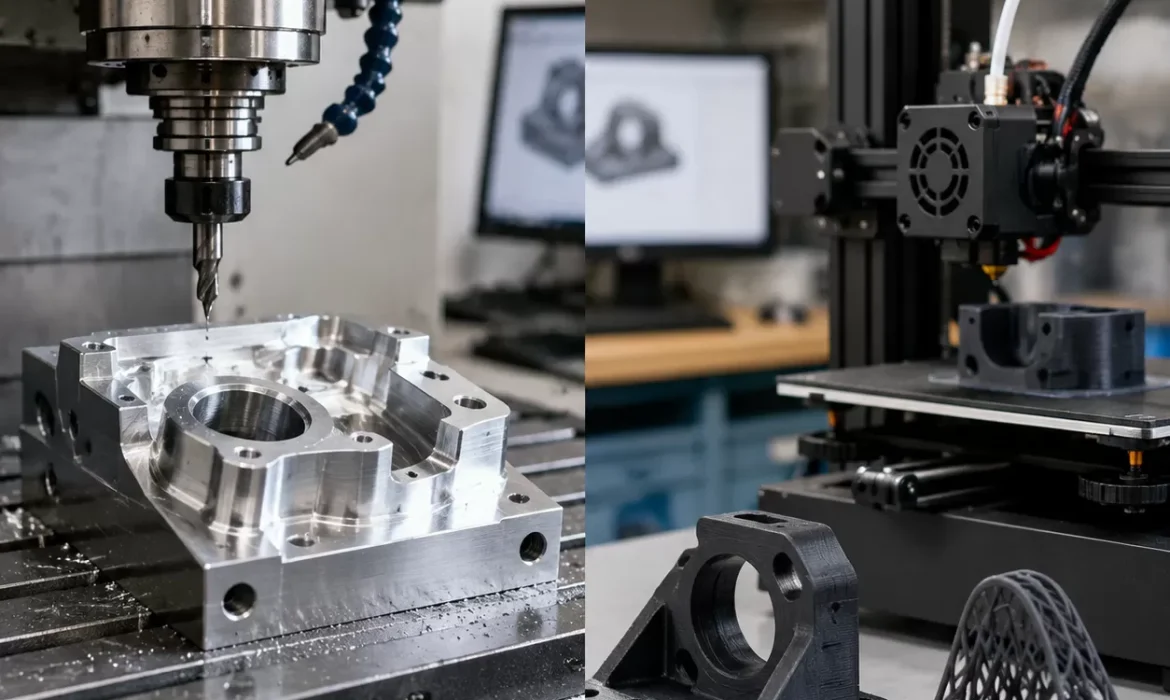
Are you trying to decide between CNC prototyping and 3D printing for your project? Choosing the right manufacturing method can make or break your timeline, budget, and final product quality. Whether you need precision, speed, or cost-efficiency, understanding the key differences is essential. In this guide, you’ll discover which technology aligns best with your goals—saving you time, money, and headaches. Let’s cut through the confusion and find the perfect fit for your prototyping needs.
Understanding CNC Prototyping
What Is CNC Prototyping?
CNC prototyping uses computer-controlled machines to create precise parts from raw materials. It’s a popular choice for producing accurate, functional prototypes during product development.
How Subtractive Manufacturing Works
In CNC prototyping, subtractive manufacturing is the main process. It starts with a solid block of material—like metal, plastic, or wood—and removes material to shape the final part. Think of it as sculpting with high-tech tools.
Key Features of CNC Prototyping
| Feature | Description |
|---|---|
| Precision | Tight tolerances for accurate parts |
| Material Range | Metals, plastics, composites |
| Repeatability | Consistent output for multiple prototypes |
| Complex Shapes | Capable of intricate designs |
Benefits of CNC Prototyping
- High accuracy and precision for functional testing
- Strong, durable parts suitable for real-world use
- Wide material options for different project needs
- Reliable repeatability for multiple prototypes
- Excellent surface finish for detailed features
Limits of CNC Prototyping
- Higher cost compared to some other methods
- Longer lead time for complex parts
- Material waste due to subtractive process
- Less flexibility for rapid design changes
CNC prototyping is ideal when precision, durability, and complex geometries matter most. However, it’s less suited for quick, low-cost projects or highly intricate designs that require a lot of material removal.
Understanding 3D Printing
What 3D Printing Is
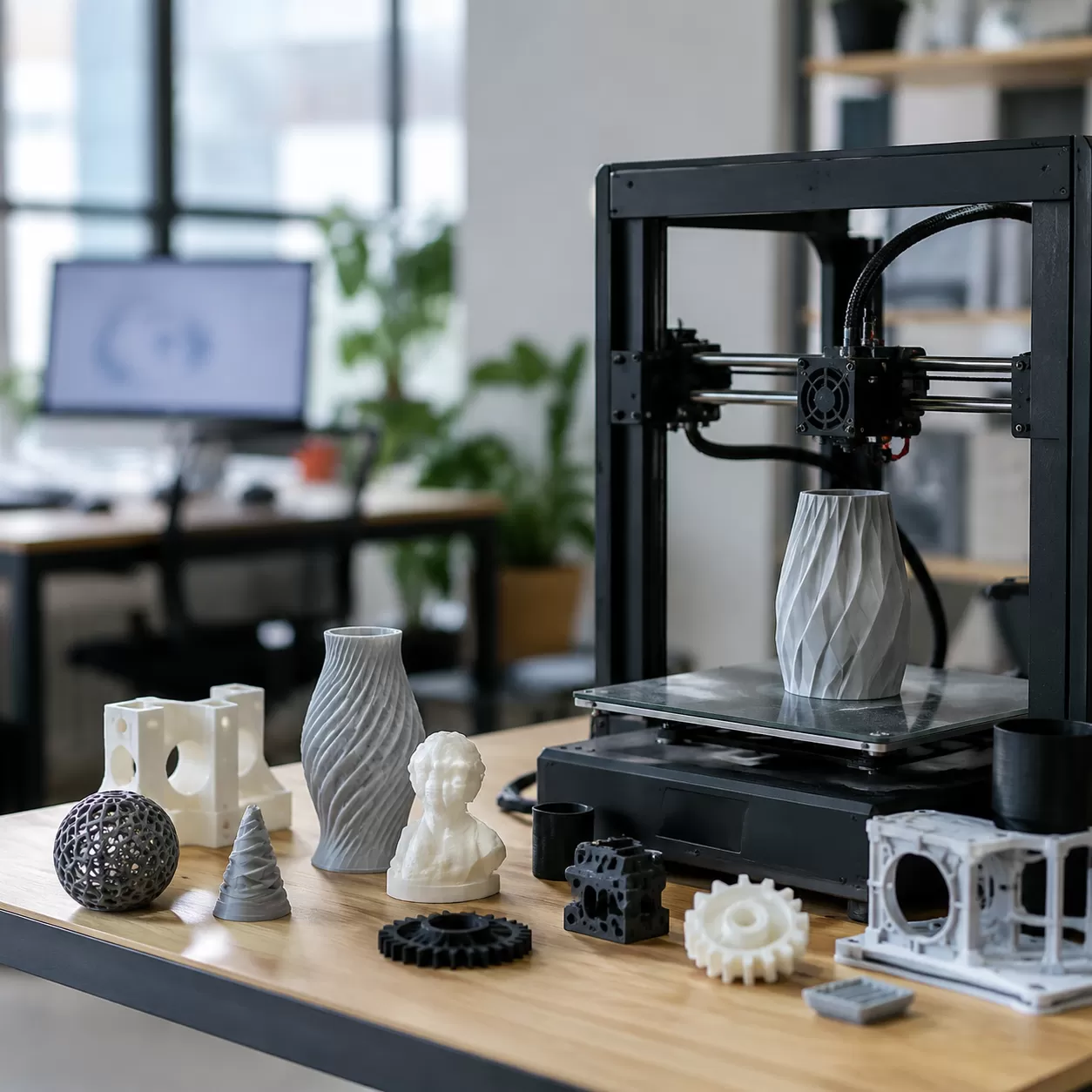
3D printing, also known as additive manufacturing, builds objects layer by layer from digital designs. Instead of removing material like CNC machining, it adds material where needed. This process is great for creating complex shapes and quick prototypes, especially when speed matters.
How Additive Manufacturing Works
In 3D printing, a computer file guides the printer to deposit material—such as plastic, resin, or metal—layer by layer. The process continues until the part is complete. This method allows for rapid iteration and customization, making it popular for product development and visual prototypes.
Key Features of 3D Printing
| Feature | Description |
|---|---|
| Material options | Wide range, including plastics, resins, and metals |
| Design flexibility | Capable of complex geometries and intricate details |
| Speed | Fast setup for small batches and prototypes |
| Cost | Generally lower for low-volume production |
Benefits of 3D Printing
- Rapid prototyping: Quickly turn ideas into tangible models.
- Cost-effective: Lower upfront costs for small runs.
- Design freedom: Create complex, detailed parts that are hard with CNC.
- Customization: Perfect for one-off or tailored prototypes.
- Material variety: Use different materials based on project needs.
Limits of 3D Printing
- Surface finish: Usually rougher than CNC, requiring post-processing.
- Dimensional accuracy: Less precise compared to CNC machining.
- Strength: Parts may not be as durable, especially with some plastics.
- Speed for large parts: Slower for bigger, high-volume production.
- Material restrictions: Not as many options for high-strength or high-temperature applications.
3D printing is a powerful tool for rapid prototyping and complex designs, but it’s important to consider its limits for functional, high-strength parts. For more on material options, check out 3D printing material options.
CNC Prototyping vs. 3D Printing: Cost, Speed, and Use Cases
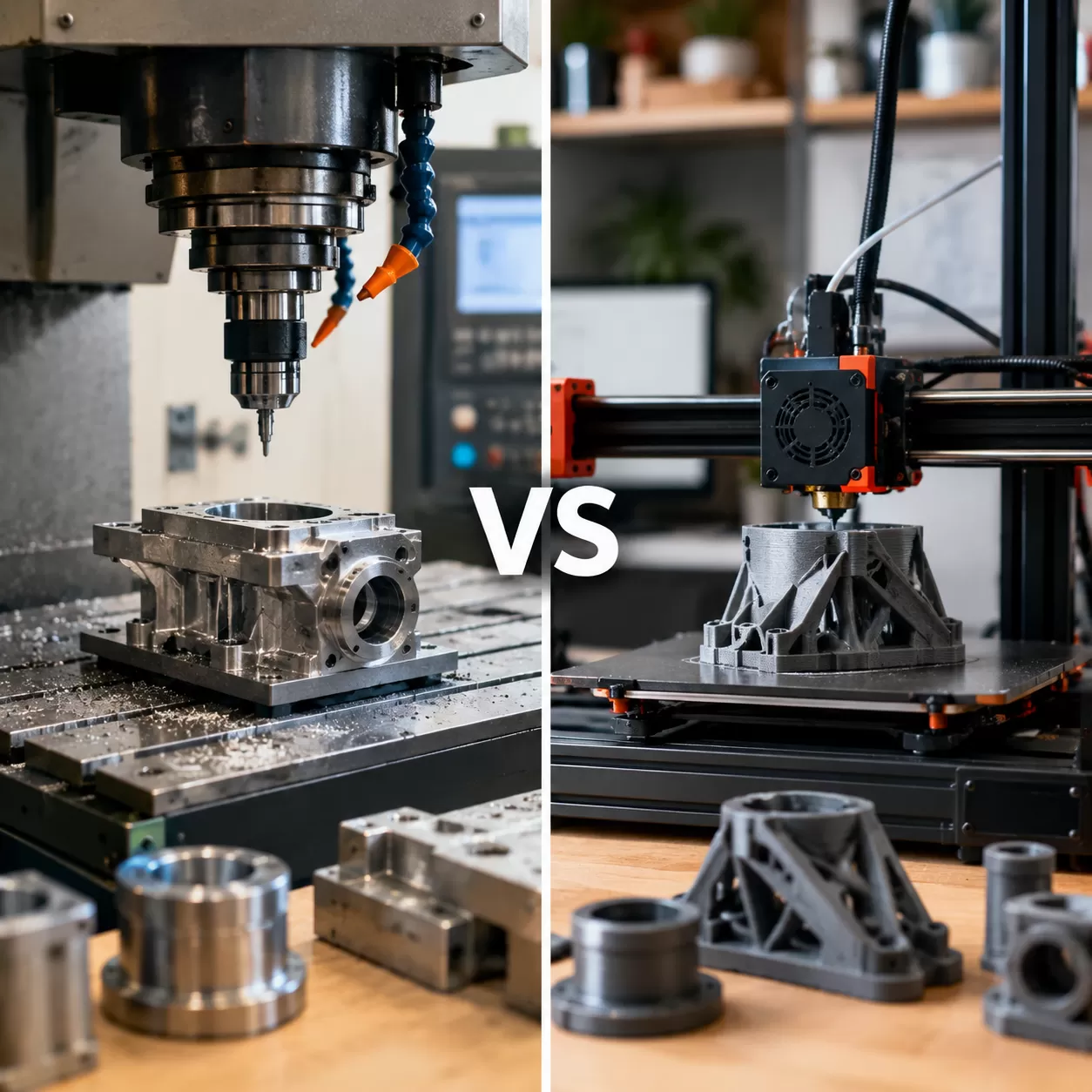
When choosing between CNC prototyping and 3D printing, understanding how they compare in cost, speed, and application is key.
Cost comparison can vary widely. CNC machining often has higher upfront costs due to setup and tooling, but it becomes more economical for larger production runs. In contrast, 3D printing usually has lower initial costs, making it ideal for quick, small-batch prototypes. If you need a high volume of parts, CNC machining services near you might be the more cost-effective choice CNC machining services near me.
Speed and turnaround time also differ. 3D printing excels in rapid prototyping, often delivering parts within hours. CNC machining, however, may take longer due to setup and machining time but can produce more precise and complex parts once underway.
Material options are another consideration. CNC prototyping offers a wide range of materials, including metals like aluminum, steel, and nickel alloys, which are ideal for functional prototypes requiring strength and durability. 3D printing materials are expanding but still tend to be limited to plastics and some metal powders, suitable for visual or concept models.
Precision and quality are where CNC machining shines. It provides tight tolerances, smooth surface finishes, and consistent quality, making it perfect for parts that need high precision. 3D printing, while improving, often results in rougher surfaces and less precise tolerances, which might require post-processing.
Design complexity and geometry also influence the choice. CNC machining can handle complex geometries but may struggle with intricate internal features. 3D printing is better suited for complex, detailed designs with difficult internal structures, especially for prototypes that require intricate features.
Surface finish and tolerance are critical in final product quality. CNC parts typically have a superior surface finish and tighter tolerances, which reduces the need for additional finishing. 3D printed parts may need sanding or other finishing steps to meet the same standards.
Strength and durability are vital for functional prototypes. CNC machined parts made from metals are generally stronger and more durable than 3D printed plastics, making them suitable for testing real-world conditions.
Best use cases for each method depend on your project needs. CNC prototyping is ideal for production-ready parts, functional testing, and when strength matters. 3D printing works best for rapid concept models, visual prototypes, and designs with complex internal features that are hard to machine.
How to Choose the Right Method
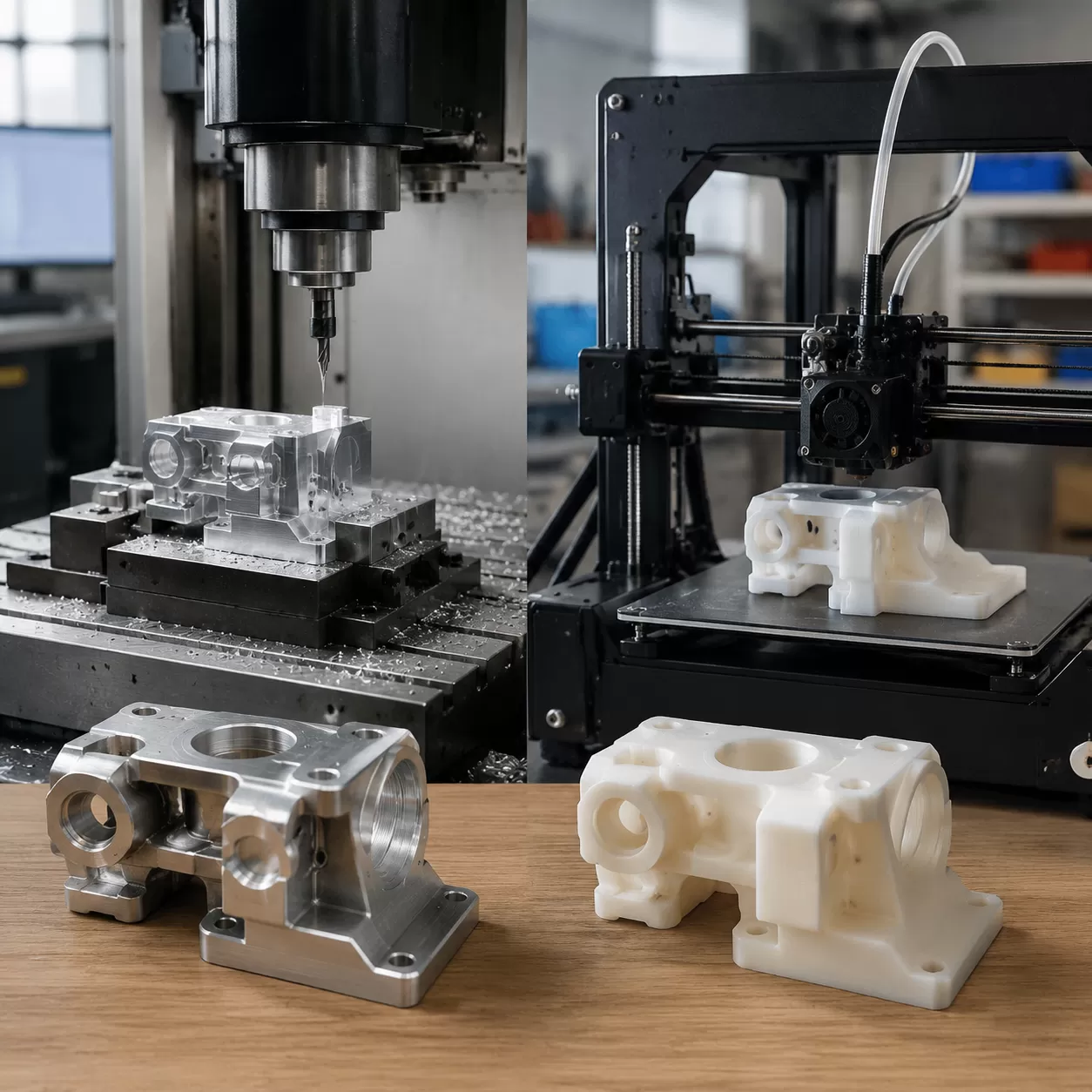
Selecting between CNC prototyping and 3D printing depends on your project goals and specific needs. Here’s a quick guide to help you decide:
| Factor | CNC Prototyping | 3D Printing |
|---|---|---|
| Project goals & requirements | Best for high-precision, functional prototypes that need tight tolerances. | Ideal for complex, detailed designs and quick visual models. |
| Budget constraints | Usually more expensive upfront but offers durability and accuracy. | Generally more budget-friendly, especially for low-volume runs. |
| Material & durability needs | Suitable for durable materials like metals and high-strength plastics. | Good for plastics and softer materials; limited in strength. |
| Volume & scalability | Cost-effective for medium to high volumes with consistent quality. | Perfect for low-volume or one-off prototypes. |
| Functional vs. visual prototypes | Great for functional prototypes requiring strength and precision. | Better for visual, concept, or aesthetic prototypes. |
| Timeline & lead time | Longer setup, but fast for batch production. | Faster turnaround, especially for rapid iteration. |
| Access to local services | CNC machining services near you can offer quick, reliable support. | 3D printing shops are widely available for quick, on-demand printing. |
When making your choice, consider what matters most—whether it’s precision, cost, or speed. For example, if you need a highly durable, precise prototype, CNC prototyping might be the way to go. But if you’re testing a design concept quickly and affordably, 3D printing could be better.
For more on how to create a prototype suited to your project, check out how to create a prototype.
Real-World Examples
When CNC Prototyping Works Best
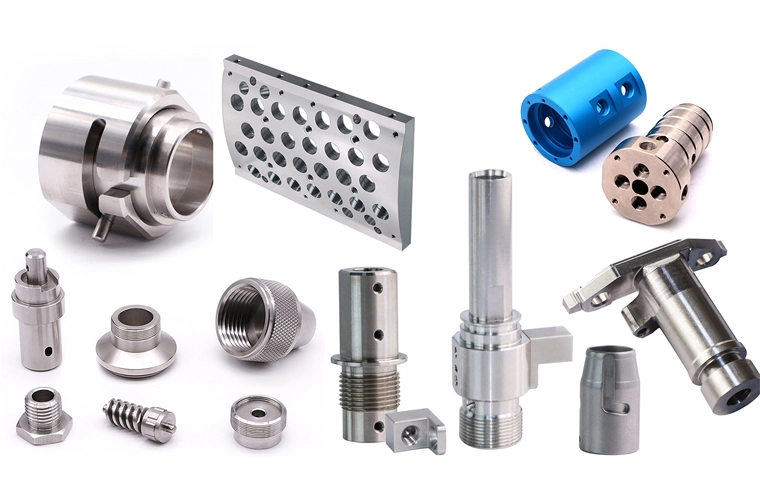
CNC prototyping is ideal for projects that require high precision, durability, and a professional finish. For example, creating complex metal parts like gear plates or precision components for medical equipment benefits greatly from CNC machining. Its subtractive manufacturing process allows for tight tolerances and smooth surface finishes, making it perfect for functional prototypes that need to withstand real-world conditions. If your project demands strong, accurate parts with detailed features, CNC prototyping is often the best choice. Check out CNC machining services near me for local options.
When 3D Printing Works Best
3D printing shines in rapid prototyping, especially when you need quick turnaround times or complex geometries that are difficult to machine. It’s excellent for creating visual models, concept prototypes, or parts with intricate internal features. For projects with tight deadlines or those requiring multiple iterations, additive manufacturing offers flexibility and speed. Plus, with a wide range of material options, including plastics and resins, 3D printing is great for functional prototypes that don’t need the same level of strength as CNC parts. For insights into material choices, see 3D printing material options.
How Project Type Affects the Choice
The nature of your project heavily influences whether CNC prototyping or 3D printing is better. For example:
- High-strength, precision parts: CNC machining is usually the go-to.
- Rapid concept models or complex geometries: 3D printing is often more suitable.
- Large production runs: CNC may be more cost-effective long-term, especially for metal parts.
- Design flexibility and quick changes: 3D printing allows for easy modifications without expensive tooling.
Lessons from Real Prototyping Decisions
Many companies learn that choosing the right prototyping method depends on balancing cost, speed, and end-use requirements. For instance, a startup might start with 3D printing to quickly test a design concept before investing in CNC machining for final, durable parts. Conversely, a manufacturer developing a high-precision product may rely on CNC prototyping from the start to ensure quality and performance. The key is understanding your project’s specific needs and how each method can meet those needs efficiently.