
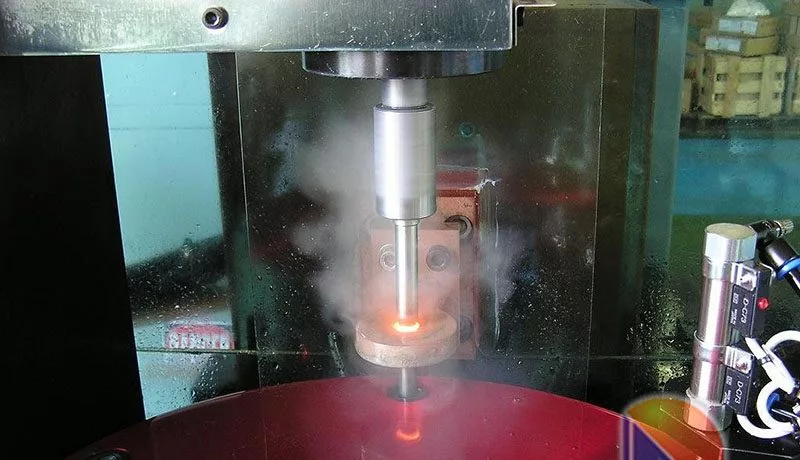
Understanding Thermal Stability in CNC Precision Engineering
Thermal stability in CNC precision engineering refers to a machine’s ability to maintain consistent dimensional accuracy despite temperature fluctuations during machining. It’s a critical factor because even tiny shifts caused by heat can lead to part drifting, affecting tight tolerances and overall quality.
Why does thermal stability matter so much in CNC machining? Because precise parts require consistent measurements. When heat develops—whether from the cutting process, spindle rotation, or environmental conditions—components can expand or deform slightly. These tiny changes accumulate over time, leading to issues like part drifting after extended run times, such as four hours or more.
Maintaining thermal stability is essential to prevent costly rework, scrap parts, or damage to expensive equipment. It ensures that your CNC precision engineering operations stay accurate and reliable, even during long production runs. Recognizing the importance of controlling heat and managing temperature fluctuations helps you deliver high-quality results consistently while reducing downtime and costs.
How Heat Is Generated During Machining and Its Effects on Precision
Heat generation during CNC machining mostly comes from the friction between the cutting tool and the workpiece. As the tool spins at high speeds, it creates a lot of heat due to the rapid contact and shear forces. This heat can cause thermal expansion in both the tool and the part being machined, which directly impacts the part’s precision.
When heat builds up, it doesn’t stay localized—it spreads to surrounding machine components as well. This heat can lead to thermal deformation of critical parts like the spindle, bearings, or the workpiece itself. As a result, what was initially a precise cut can drift out of tolerance, especially in long-run CNC machining where heat accumulates over hours.
CNC machining heat issues are a big concern because they can cause dimensional inaccuracies. For example, if a part experiences thermal expansion, its measurements might shift just enough to fail tight tolerances. That’s why managing heat during machining isn’t optional—it’s vital for maintaining CNC precision engineering thermal stability.
Coolant systems play a key role here by helping dissipate heat quickly. But if cooling isn’t effective or properly maintained, heat build-up can lead to part drifting after several hours of continuous machining. This is where thermal stability solutions CNC can make a real difference in ensuring consistent, high-quality parts.
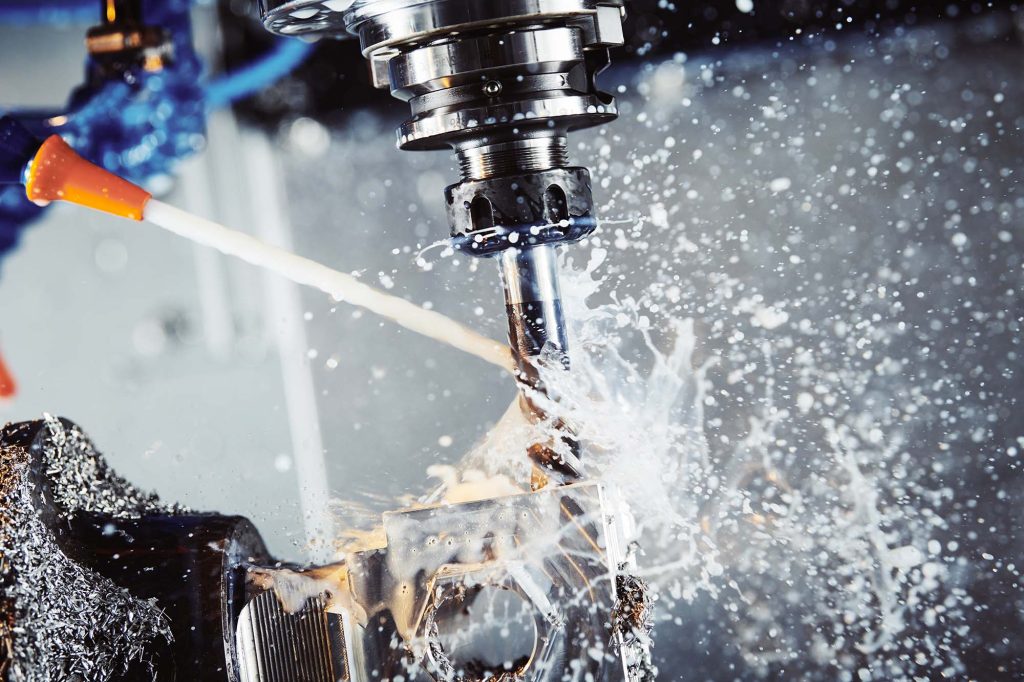
Components Affected by Heat in CNC Precision Engineering
Heat generated during CNC machining can impact several critical components, leading to part drifting and reduced precision. Machine parts like spindles, bearings, and guides are especially sensitive to thermal expansion, which can cause misalignments over time. Tools, particularly cutting edges, also suffer from heat buildup that accelerates wear and affects their cutting accuracy. The workpieces themselves are highly vulnerable to heat-induced deformation, especially if they’re made from metals prone to thermal expansion.
Understanding how heat impacts these components is essential for maintaining long-term CNC machining accuracy. When heat isn’t properly managed, it can cause dimensional changes that push parts out of tolerance, making precise machining nearly impossible after extended run times. That’s why many manufacturers focus on thermal stability solutions—to prevent heat from compromising quality, particularly in long-run operations like continuous 4-hour runs or more.
Why Thermal Stability Issues Become Critical After Extended Run Times (e.g., 4 Hours)
Once CNC machining runs for several hours, like around 4 hours or more, thermal stability problems often become more noticeable. The longer a machine operates, the more heat builds up from continuous cutting, milling, or turning. This heat causes parts of the machine—such as tools, spindles, and even the workpiece—to expand slightly due to thermal expansion CNC parts are prone to experience.
This thermal build-up can lead to part drifting, where the dimensions of the finished component shift outside the specified tolerances. When this happens, you’re looking at inaccuracies that can ruin the entire batch if not caught early. The issue gets worse over time because of heat accumulations that surpass the capacity of cooling systems.
In addition, prolonged heat encourages thermal deformation CNC parts undergo as they expand unevenly. This makes even minor shifts in temperature significantly impact CNC machining accuracy after extended periods. To keep your parts within tight tolerances, understanding and controlling these thermal effects is essential. Maintaining thermal stability helps improve long-run CNC machining precision and avoid costly rework or scrapped parts.
Identifying Why Parts Drift After 4 Hours of Machining: Root Causes of Thermal Expansion and Deformation
When parts start drifting after several hours of CNC machining, thermal expansion and deformation are often the main culprits. As the machine runs continuously, heat builds up in both the machine components and the workpiece. This heat causes materials to expand—sometimes slightly, but enough to throw off tight tolerances and affect precision.
One common cause is thermal expansion of machine parts, such as spindles, beds, and tool holders. These components aren’t completely immune to heat, and as they expand, slight misalignments happen, leading to part drifting. Similarly, heat transfer to the workpiece can cause deformation, especially if the workpiece material is sensitive to temperature changes or if cooling isn’t properly managed.
Tool wear also plays its part. Worn tools generate more heat during machining, exacerbating thermal issues. Over time, this increases the likelihood of parts shifting from their intended position.
Environmental factors can’t be ignored either—they include shop temperature fluctuations and vibrations that can worsen thermal effects. Without proper controls, these variables contribute to inconsistent thermal stability, making it tough to maintain consistent accuracy over long run times. That’s why it’s essential to identify and address these root causes early—using advanced thermal compensation techniques or better cooling systems can help keep your parts stable even after extended machining periods.
For highly complex or critical components, partnering with experts like MS Machining, who specialize in CNC precision engineering and thermal stability solutions, can make a significant difference in preventing part drifting caused by thermal expansion and deformation.
Impact of Continuous Heat Build-Up on Machine Components and Workpieces
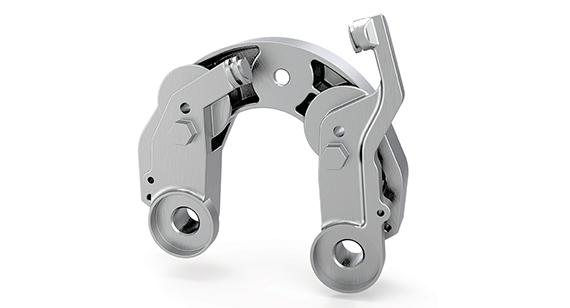
When CNC machines run for extended periods, like over 4 hours, continuous heat build-up becomes a major concern. This heat causes thermal expansion and deformation in both machine components and workpieces, which can seriously affect precision. As parts heat up, they expand at different rates depending on their material, leading to dimensional inaccuracies and misalignments. Over time, this thermal drift can cause parts to drift out of tolerance, making them unusable without rework.
In addition to the workpieces, key machine components such as spindles, guides, and mounts are affected by this heat. As these parts expand unevenly, it can result in decreased machine accuracy and increased wear. For example, the spindle may become slightly misaligned, impacting the overall quality of machined parts. Regularly, this thermal deformation isn’t immediately visible but gradually accumulates, compromising the integrity of your parts and the lifespan of your equipment.
Using effective cooling systems and thermal management strategies can help minimize this heat build-up. For instance, better coolant application and advanced CNC thermal compensation techniques are crucial in maintaining stability. When cooling systems fail or aren’t properly maintained, the heat persists, making part drifting more likely. That’s why monitoring and controlling heat is essential — it’s the key to keeping your CNC parts precise and avoiding costly rework or machine damage.
For insights on how to optimize cooling and thermal stability, you can explore CNC machining heat issues and solutions, which cover practical ways to prevent unwanted heat effects during long runs.
Role of Tool Wear and Its Contribution to Thermal Issues
Tool wear plays a significant part in causing thermal stability problems during CNC machining. When tools become dull or worn, they generate more heat because they need to work harder to cut and remove material. This excessive heat accelerates thermal expansion and deformation of both the tool and the workpiece, leading to part drifting after extended run times, typically around 4 hours.
As the tool wears, it also creates more friction at the cutting interface, which increases heat build-up in the machine components. This heat can spread to other parts like spindles and axes, affecting the overall thermal stability of the setup. Over time, this ongoing thermal cycling causes parts to shift, reducing machining accuracy and leading to dimensional inaccuracies.
Regular inspection and maintenance of tools are crucial to mitigate these effects. Using high-quality tools and replacing them before they become excessively worn can help manage heat generation and improve thermal stability in CNC machining operations. For a more detailed overview of how tool wear impacts tolerances, check out tolerances for CNC machining.
Environmental Factors Influencing Thermal Stability in CNC Machining
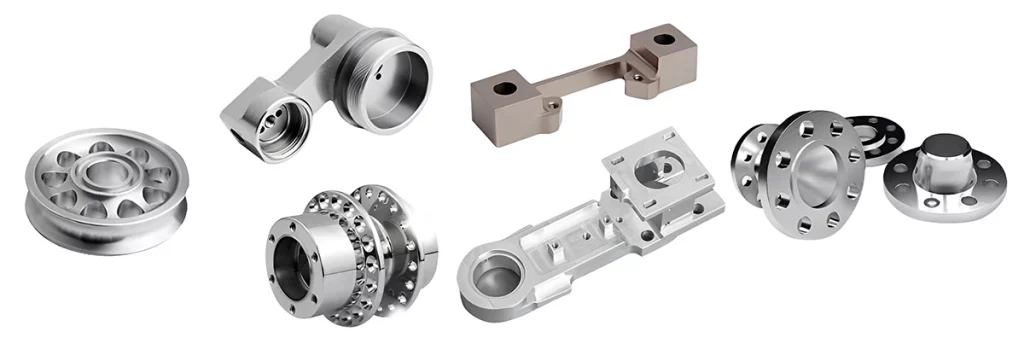
Environmental factors like shop temperature and vibrations can significantly impact the thermal stability of your CNC parts during long runs. Even minor fluctuations in ambient temperature can cause thermal expansion or contraction of machine components and workpieces, leading to part drifting. Consistent shop temperatures help maintain predictable thermal behavior, reducing the chances of dimensional inaccuracies caused by heat build-up.
Vibrations, whether from nearby equipment or inconsistent machine operation, also play a role in thermal stability issues. These vibrations can accelerate wear on machine parts, increase heat generation, and cause uneven thermal expansion. Over time, this can compromise CNC machining accuracy after 4 hours of continuous operation.
To combat these challenges, many shops invest in environmental controls like dedicated climate control systems and vibration dampers. Ensuring a stable environment is a key step in preventing thermal drift and maintaining high precision in CNC machining operations. For advanced thermal management, linking environmental stability with thermal compensation strategies can make a noticeable difference. You can also explore how [coolant systems](https://ms-machining.com/cnc coolant-systems-thermal-control/) contribute to thermal stability by actively regulating heat during machining.
How Cooling System Inadequacies Lead to Part Drifting
One common cause of thermal drift in CNC precision engineering is an inadequate cooling system. When the coolant setup isn’t properly optimized, heat builds up in machine components, tools, and workpieces over time. This heat build-up causes thermal expansion and deformation, which directly lead to part drifting after extended run times—like those 4-hour machining cycles.
If the cooling system isn’t consistent or powerful enough, it can’t keep the temperature in check, allowing parts to slowly shift out of tolerance. Proper coolant application is essential for controlling heat, especially when machining metals like aluminum, where heat conduction is quick and effective cooling can make all the difference.
Many shops overlook the importance of regular maintenance on their coolant systems, which can result in clogged filters, low coolant flow, or ineffective heat removal. These issues make it even harder to prevent thermal instability and ensure long-run CNC machining accuracy. For better results, investing in advanced CNC coolant systems designed for thermal control is a smart move. Proper cooling not only helps maintain dimensional stability but also extends the life of your tools and machine components.
In short, a well-maintained and properly functioning cooling system is key to preventing thermal drift and ensuring your parts stay within tight tolerances over multi-hour machining sessions.
Consequences of Thermal-Induced Part Drifting in CNC Operations
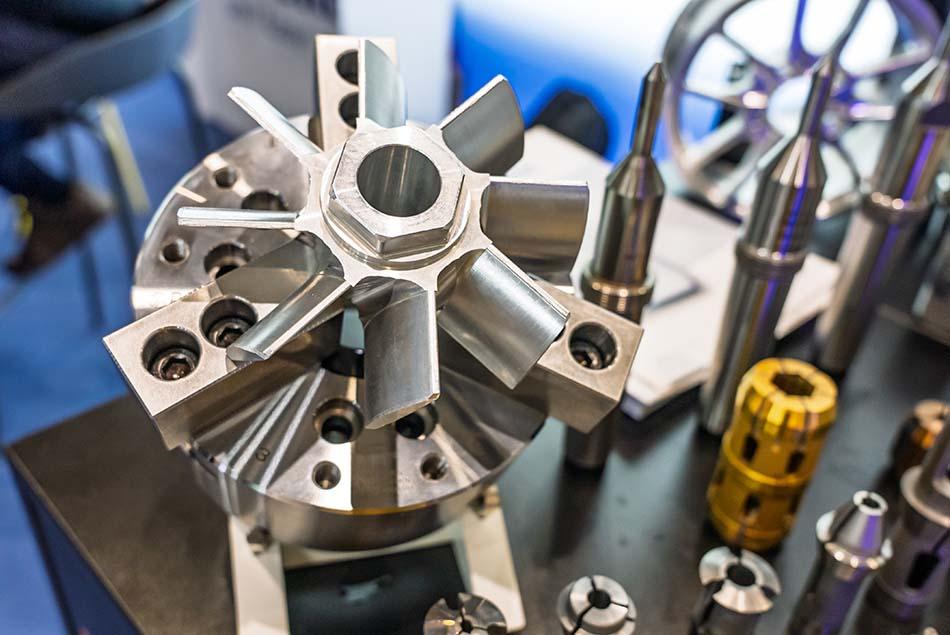
When parts drift due to thermal stability issues, it causes real problems in CNC machining. One of the biggest issues is dimensional inaccuracies and reaching beyond the set tolerances. Even small shifts might seem minor, but they can result in parts that don’t meet specifications, leading to scrap or rework. This not only drags out production time but also spikes costs.
Inaccurate parts weaken overall product quality and can cause delays in delivery schedules, affecting customer trust. Reworking parts or scrapping defective pieces adds labor and material costs, which pile up quickly. Over time, repeated thermal deformation can also wear down machine components, increasing maintenance needs and risking costly breakdowns.
For any business relying on CNC precision engineering, unchecked part drifting due to heat build-up directly hits the bottom line and reputation. That’s why addressing thermal stability isn’t just about accuracy—it’s about keeping your entire operation on track.
Consequences of Thermal-Induced Part Drifting in CNC Operations
When parts drift due to thermal instability, the results can be costly and damaging. Dimensional inaccuracies and tolerance issues often lead to rejected parts, requiring rework or scrapping, which significantly increases manufacturing costs. These inaccuracies also slow down production, forcing teams to spend more time fixing issues rather than moving forward.
Furthermore, ongoing thermal deformation can cause wear and even damage to machine components over time. This not only shortens the lifespan of the equipment but also leads to unpredictable machine behavior, which can further compromise precision.
Beyond the immediate manufacturing impact, thermal drift can erode customer trust. Delivering parts that don’t meet specifications can delay shipments and damage your reputation in the long run. That’s why understanding and controlling thermal stability is vital for maintaining high-quality, consistent output in CNC machining — especially during long-run jobs where heat build-up is unavoidable.
Potential Damage to Machine Components Over Time
When thermal stability isn’t managed well during long-run CNC machining, it can lead to serious damage to your machine components over time. Continuous heat build-up causes thermal expansion and deformation, which can wear down critical parts like spindles, bearings, and guides. These components are designed for precision, but persistent thermal stress can cause them to lose alignment, leading to costly repairs and unplanned downtime.
Over time, this thermal fatigue accelerates component wear and may even result in cracks or warping. As parts degrade, your machine’s accuracy diminishes, making it even harder to maintain tight tolerances. That’s why addressing heat issues early on with proper thermal stability solutions is key to protecting your investment and ensuring your CNC machine keeps delivering reliable, high-precision parts. For tips on choosing the right tooling materials and managing heat, check out our comprehensive guide to tooling in manufacturing.
Loss of Customer Trust and Delayed Delivery Schedules
When parts drift after hours of CNC machining due to thermal stability issues, it can seriously impact your business. Rework and scrap increase costs, and delivery delays frustrate your customers. Over time, repeated problems with thermal drift can damage your reputation and lead clients to question your precision engineering capabilities.
Maintaining thermal stability ensures you consistently hit tight tolerances and deliver quality work on time. Otherwise, part drifting caused by heat build-up and thermal expansion can mess with your schedule and your bottom line. Investing in solutions like advanced CNC machines with thermal compensation features can help you prevent these issues and keep your customers happy.
If you want to avoid these costly setbacks, it’s crucial to implement best practices for thermal management. Regular calibration, optimizing coolant systems, and environmental controls all play a role in keeping your CNC machining accuracy after 4 hours at its best. For tailored solutions that suit your shop’s needs, partnering with experts like MS Machining can make a real difference.
Strategies to Improve Thermal Stability and Prevent Drifting
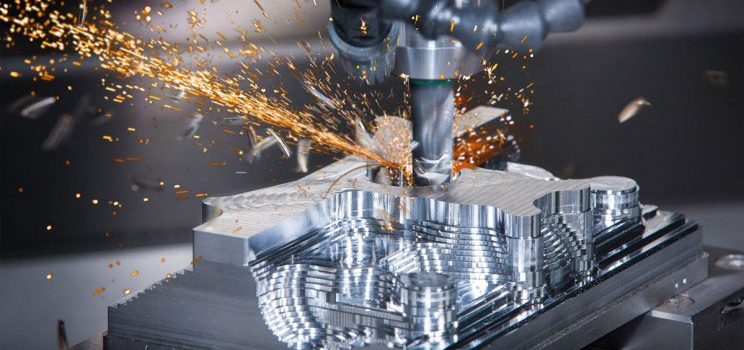
One of the best ways to combat part drifting after long hours of CNC precision engineering is through smart design and material choices. Selecting materials with low thermal expansion properties can significantly reduce thermal deformation in CNC parts. For example, using temperature-stable alloys or composites can help keep dimensions consistent, even as heat builds up during extended machining sessions.
In addition, designing machine components with thermal stability in mind—such as incorporating core materials that resist heat-induced expansion—can make a notable difference. Beyond material choice, ensuring your CNC machine has advanced thermal compensation features helps counteract inevitable heat effects. These features actively monitor temperature changes and make real-time adjustments to maintain accuracy.
Regular calibration combined with thermal compensation techniques enhances the machine’s ability to keep up with heat-related shifts. Properly designed cooling systems and optimized coolant application are also key. Coolants remove heat from critical components, preventing excessive heat build-up that causes part drifting. Improving coolant flow and ensuring full coverage can be a game-changer in maintaining dimensional accuracy over long production runs.
Operational practices also matter a lot. Implementing warm-up cycles before starting a long run helps bring the machine to a stable temperature, reducing thermal drift. Moreover, managing cycle times and reducing unnecessary downtime can prevent heat accumulation.
Finally, environmental controls—like maintaining consistent shop temperature and minimizing vibrations—support overall thermal stability. Using thermal monitoring tools and sensors allows operators to detect early signs of temperature shifts and make real-time adjustments, keeping parts within tolerances throughout the machining process. Learn how MS Machining’s advanced manufacturing solutions incorporate these strategies here.
Regular Calibration and Thermal Compensation Techniques
Keeping your CNC machine thermally stable over long runs is crucial to prevent part drifting after 4 hours of machining. Regular calibration helps identify any misalignments caused by thermal expansion or deformation, ensuring your machine stays within tight tolerances. Incorporating thermal compensation techniques into your routine can significantly improve accuracy, especially during extended operations.
One effective approach is to use CNC machine calibration thermal stability routines that automatically adjust for temperature-related shifts. Many modern CNC machines have built-in thermal compensation features, which adjust machine movements based on real-time temperature data. These systems help maintain consistent precision throughout long machining sessions.
Another tip is to schedule calibration checks at regular intervals—think of it as a health checkup for your machine. If you notice part drifting or dimensional inaccuracies developing after several hours, it’s time for a calibration cycle. Combining these practices with proper cooling system management can prevent heat build-up, keeping your workpieces and machine parts from expanding unevenly.
For a more tailored solution, consider consulting with experts like MS Machining, who specialize in thermal stability solutions for CNC precision engineering. They can recommend specific calibration protocols and thermal compensation methods to fit your equipment and workload, helping you maintain reliable, high-quality results during long-run CNC machining.
Want to ensure your CNC machine keeps delivering accuracy over time? Check out MS Machining’s thermal stability expertise to explore customized strategies that prevent thermal drift and optimize your machining process.
Optimizing Cooling Systems and Coolant Application
To prevent part drifting caused by thermal instability, optimizing your CNC machine’s cooling systems is crucial. Efficient cooling helps control heat build-up during long-run CNC machining, reducing thermal expansion and deformation of both machine parts and workpieces. Regularly checking and maintaining coolant flow rates, ensuring proper coolant temperature, and using high-quality coolants can make a real difference.
Many shops overlook the importance of coolant application in thermal stability. Proper coolant distribution ensures even heat dissipation, minimizing heat spots that could lead to inaccuracies over extended run times. Consider upgrading to advanced cooling systems that automatically adjust coolant flow based on real-time temperature data—this can significantly improve thermal stability and precision during prolonged machining cycles.
Additionally, integrating thermal monitoring tools and sensors can help detect rising temperatures early. These real-time adjustments are key for maintaining CNC machining accuracy after 4 hours and beyond. If you’re interested in exploring how thermal control systems can enhance precision, check out MS Machining’s approach to thermal stability for industry-leading solutions.
Operational Best Practices to Prevent Thermal Drift in CNC Machining
Implementing proper operational best practices can make a big difference in maintaining thermal stability during long CNC machining runs. Simple steps like warm-up cycles help bring the machine to a stable temperature before starting the full production run, reducing the chance of part drifting caused by thermal expansion. This is especially critical after machine startup or maintenance.
Cycle time management is also key. Running a machine continuously without breaks can lead to heat build-up, which accelerates thermal deformation of machine parts and workpieces. By scheduling regular pauses or adjusting cutting parameters, you can help control heat while maintaining accuracy.
Other effective strategies include:
- Allowing the machine to warm up properly before starting precise machining to stabilize internal temperatures.
- Monitoring coolant flow and temperature closely, since inadequate coolant application can lead to heat accumulation.
- Planning machining sequences to minimize prolonged cutting on the same area, which can cause localized heating.
- Implementing controlled cool-down procedures after long runs to prevent abrupt temperature changes that could cause deformation.
Following these operational guidelines ensures a more consistent thermal environment, helping you prevent part drifting and maintain the precision your parts require. For more on optimizing cooling systems for thermal stability, visit our heat exchanger parts guide.
Environmental Controls to Keep Shop Temperature Stable
Maintaining a consistent shop temperature is crucial for preventing thermal drift during CNC machining. Fluctuations in temperature can cause parts and machine components to expand or contract, leading to inaccuracies in your finished parts. Implementing proper environmental controls helps ensure that heat build-up from continuous machining doesn’t negatively impact precision.
Here’s what you can do:
- Install climate-controlled systems to regulate temperature and humidity.
- Use air conditioning units and dehumidifiers to keep shop conditions steady.
- Keep the shop free from direct sunlight and drafts that can cause temperature swings.
- Monitor ambient temperatures regularly using thermal sensors and data loggers.
- Establish procedures for warm-up cycles before starting long runs to balance out any initial heat differences.
By controlling the environment, you reduce the risk of thermal expansion CNC parts experience during long machining cycles, especially those exceeding 4 hours. This small but important step helps maintain CNC precision engineering thermal stability and ensures your parts stay within tight tolerances throughout the entire process. For more advanced solutions, explore thermal stability solutions CNC to learn about the latest environmental management techniques that support long-run CNC machining accuracy.
Use of Thermal Monitoring Tools and Sensors for Real-Time Adjustments
In CNC precision engineering, maintaining thermal stability is crucial for long-run machining accuracy. That’s where thermal monitoring tools and sensors come into play. These advanced systems help track temperature changes in real-time, so operators can make immediate adjustments to prevent part drifting caused by heat build-up.
By continuously measuring the temperature of critical machine components and workpieces, thermal sensors allow for proactive management of CNC heat issues. This proactive approach ensures that thermal expansion CNC parts don’t deform or shift unexpectedly, maintaining tight tolerances during extended machining cycles.
Using thermal monitoring tools also supports CNC machine calibration thermal stability, which is essential after several hours of operation. Regular data collection enables operators to identify trends and optimize cooling system efficiency, preventing inaccuracies linked to thermal drift.
For companies focused on CNC precision engineering thermal drift control, integrating these tools can significantly enhance long-run CNC machining precision. To get the most out of thermal stability solutions CNC, partnering with experts like MS Machining — known for their thermal compensation expertise — can help implement effective monitoring systems tailored to your specific needs.
MS Machining’s Approach to Maintaining Thermal Stability
At MS Machining, we prioritize thermal stability to ensure long-run CNC machining precision and minimize part drifting caused by heat build-up. Our advanced CNC machines come equipped with thermal compensation features that automatically adjust for temperature changes during extended machining cycles. This technology helps maintain tight tolerances and reduces the risk of dimensional inaccuracies after 4 hours of continuous operation.
In addition to thermal compensation, we utilize state-of-the-art cooling systems that optimize coolant application and regulate heat effectively CNC coolant systems thermal control. Our environmental management practices also play a key role, with climate-controlled workshops designed to keep shop temperature stable and Vibration minimization strategies in place.
We regularly calibrate our machines to ensure thermal stability, keeping thermal deformation and expansion in check. By aligning equipment calibration with real-time thermal monitoring, we proactively avoid issues like part drifting or deformation that can compromise CNC precision engineering.
Our approach combines technological innovation with ongoing process improvements. This way, we not only meet but exceed expectations for accuracy after 4 hours of machining, ensuring consistent quality and customer satisfaction. MS Machining’s thermal stability expertise is built into every project, helping clients achieve reliable, high-precision results even during long production runs.
MS Machining’s Approach to Maintaining Thermal Stability
At MS Machining, we prioritize thermal stability in CNC precision engineering to ensure consistent part accuracy, even during long production runs. We use cutting-edge CNC machines equipped with advanced thermal compensation features, helping to minimize heat-induced part drifting. These systems automatically adjust for temperature fluctuations, maintaining tight tolerances over extended machining periods.
In addition, our facility benefits from state-of-the-art cooling and environmental management systems. Proper cooling is critical to prevent heat build-up CNC machining problems, such as thermal deformation of parts and components. Our coolant systems are optimized to deliver consistent temperature control, reducing the risks of thermal expansion CNC parts experience during long-run machining.
By combining sophisticated machine technology with a controlled shop environment, we can keep temperature fluctuations in check. This proactive approach not only helps prevent thermal drift but also boosts overall CNC machining accuracy after 4 hours. For businesses looking to improve their thermal stability solutions CNC, partnering with experts like MS Machining ensures your parts stay dimensionally stable and meet your tight tolerances.
Case Studies Demonstrating Successful Thermal Stability Solutions
Several real-world case studies from MS Machining highlight how implementing effective thermal stability solutions can prevent part drifting after extended CNC machining runs. These projects show that with the right approach, manufacturers can maintain high accuracy even during long-duration jobs.
In one example, a manufacturer working with complex stainless steel parts faced issues with dimensional accuracy after running their machines for more than 4 hours. By upgrading to CNC machines equipped with advanced thermal compensation features and improving coolant systems, they achieved stability that eliminated part drifting. You can explore similar strategies for high-precision CNC parts by visiting MS Machining’s high-precision CNC parts.
Another case involved a shop using environmental controls to keep shop temperature consistent and reduce heat build-up. Through regular calibration and implementing real-time thermal monitoring sensors, they maintained tight tolerances even during long-run sessions. This approach showcases how operational best practices and cutting-edge thermal stability solutions CNC can make a noticeable difference in maintaining accuracy and efficiency.
These examples prove that addressing heat generation, tool wear, and environmental factors with tailored solutions can significantly improve CNC machining precision during extended runs. For tailored guidance on these strategies, consider partnering with experts like MS Machining, who specialize in thermal stability expertise and proven techniques for long-run CNC stability.
Operator Training for Early Detection of Thermal Issues
Proper operator training is essential for maintaining thermal stability in CNC precision engineering. When operators know what signs to look for—such as unusual vibrations, temperature fluctuations, or inconsistent part dimensions—they can address thermal drift before it causes major issues. This proactive approach helps prevent part drifting caused by heat build-up during long-run CNC machining, ultimately saving time and reducing costly rework.
Training programs should emphasize understanding how heat affects machine components, tools, and workpieces. Operators who recognize early symptoms of thermal expansion or deformation can take corrective actions, like adjusting coolant application or pausing machining cycles. Additionally, familiarizing operators with thermal monitoring tools and sensors enables real-time adjustments, making it easier to keep parts within tight tolerances even after extended run times.
Investing in skilled operators not only improves part accuracy after 4 hours of machining but also helps maintain consistent quality across production runs. Partnering with experts like MS Machining for ongoing support and training ensures your team stays ahead of thermal stability challenges, reducing the risk of part drifting and enhancing overall machining precision.
Monitoring and Documenting Machine Performance Over Time
Regularly monitoring and documenting your CNC machine’s performance is essential for maintaining thermal stability in precision engineering. By keeping track of machining accuracy, temperature fluctuations, and tool wear, you can spot early signs of thermal drift before it affects part quality. This proactive approach helps reduce part drifting caused by heat build-up during long-run CNC machining, especially after extended run times like 4 hours or more.
Using thermal sensors and data logging tools, you can create a detailed record of how your machine behaves over time. This info allows for better calibration, effective thermal compensation, and fine-tuning of cooling systems. For example, MS Machining offers advanced thermal management solutions that help operators maintain consistent precision even during long production cycles.
Remember, a well-maintained documentation system isn’t just about avoiding costly rework. It also provides valuable insights to improve overall process reliability and extend your machine’s lifespan. Proper tracking ensures your CNC machining process stays within tight tolerances and minimizes the risk of part drifting due to thermal expansion or deformation.
Partnering with experts like MS Machining ensures your CNC precision engineering remains stable throughout long runs. Our team specializes in thermal stability solutions that help prevent part drifting caused by heat build-up during extended machining. We use advanced CNC machine thermal compensation and state-of-the-art cooling systems to keep your parts within tight tolerances, even after 4 hours or more of continuous operation. By working with us, you gain access to proven strategies that address heat-generated deformation, reduce thermal expansion issues, and optimize your overall manufacturing process. Visit MS Machining’s expertise in CNC machining investments to learn how we can support your long-term machining needs.
Thermal stability is crucial in CNC precision engineering, especially during long-run machining like 4-hour runs. When parts drift due to heat build-up, it can cause serious issues with accuracy, increasing rework, costs, and potential damage to machine components. From heat generated during machining to imperfect cooling systems, many factors can lead to thermal expansion and deformation, which directly impact the quality of your parts.
Ensuring thermal stability isn’t just about avoiding drifting – it’s about maintaining consistent quality and precision over time. Implementing strategies like better cooling, regular calibration, and thermal compensation helps prevent part drifting and keeps your processes on track. Partnering with experts like MS Machining can make a big difference—they bring advanced CNC machines and thermal management tools designed for long-term stability.
Ultimately, paying attention to thermal stability safeguards your investment, boosts customer trust, and keeps your production running smoothly. If you want to stay ahead in CNC precision engineering, it’s worth taking proactive steps now, and don’t hesitate to reach out to specialists like MS Machining for tailored solutions to keep thermal issues at bay.
Causes of Part Drifting and Practical Solutions
Part drifting after 4 hours of CNC machining mainly happens because of thermal stability issues. When heat builds up during long runs, parts and machine components tend to expand and deform, leading to dimensional inaccuracies and tolerance problems. The main causes include heat generated by cutting processes, inadequate cooling, tool wear, and environmental factors like shop temperature fluctuations and vibrations. Over time, this heat accumulation causes thermal deformation in both the workpiece and machine parts, making it hard to maintain high-precision results.
To prevent these problems, practical solutions focus on improving thermal stability throughout your machining process. Regular calibration and using thermal compensation features on your CNC machines help adjust for any expansion that does occur. Upgrading your cooling systems and ensuring coolant is evenly applied are critical, especially during extended runs. Additionally, managing cycle times—by avoiding sudden temperature swings and implementing warm-up procedures—can keep your parts within tolerances. Maintaining a stable shop environment with consistent temperature controls and monitoring tools also play a key role.
Choosing proper materials—like those optimized for thermal stability—and ensuring your machine’s components and tooling are in good condition contribute to reducing thermal drift. For more detailed strategies tailored to your needs, partnering with experts like MS Machining can also make a significant difference. They offer advanced CNC machines with built-in thermal compensation features and comprehensive environmental control systems, helping you achieve long-run CNC machining accuracy consistently.
To keep your CNC machining projects on track, it’s essential to implement best practices for thermal stability and to seek expert assistance when needed. Properly managing heat build-up and understanding the root causes of part drifting can make a real difference in maintaining machining accuracy after 4 hours. Regular calibration, advanced thermal compensation features, and effective cooling systems are all key tools to prevent issues caused by thermal expansion CNC parts or other heat-related problems. Don’t underestimate the value of partnering with experienced professionals—like those at MS Machining—to develop tailored solutions that enhance long-run CNC machining precision. Addressing these factors proactively can save you time, reduce costs, and ensure consistent quality for your customers.
Ready to Improve Your CNC Machining Accuracy? Contact MS Machining Today
If you’re facing issues with part drifting after extended CNC machining runs, don’t wait to address the root causes. At MS Machining, we specialize in providing customized thermal stability solutions that keep your parts within spec—even after hours of continuous operation. Our advanced CNC machine technology, combined with expert support, helps prevent thermal drift and ensures your project stays on target.
Whether you need advice on optimizing your cooling systems, improving environmental controls, or implementing thermal compensation techniques, we’re here to help. Reach out now to discover how our tailored solutions can enhance your long-run CNC machining precision and keep your production running smoothly. Contact MS Machining today and safeguard your quality and bottom line.