Understanding Brass Turned Parts in CNC Machining
What Are Brass Turned Parts?
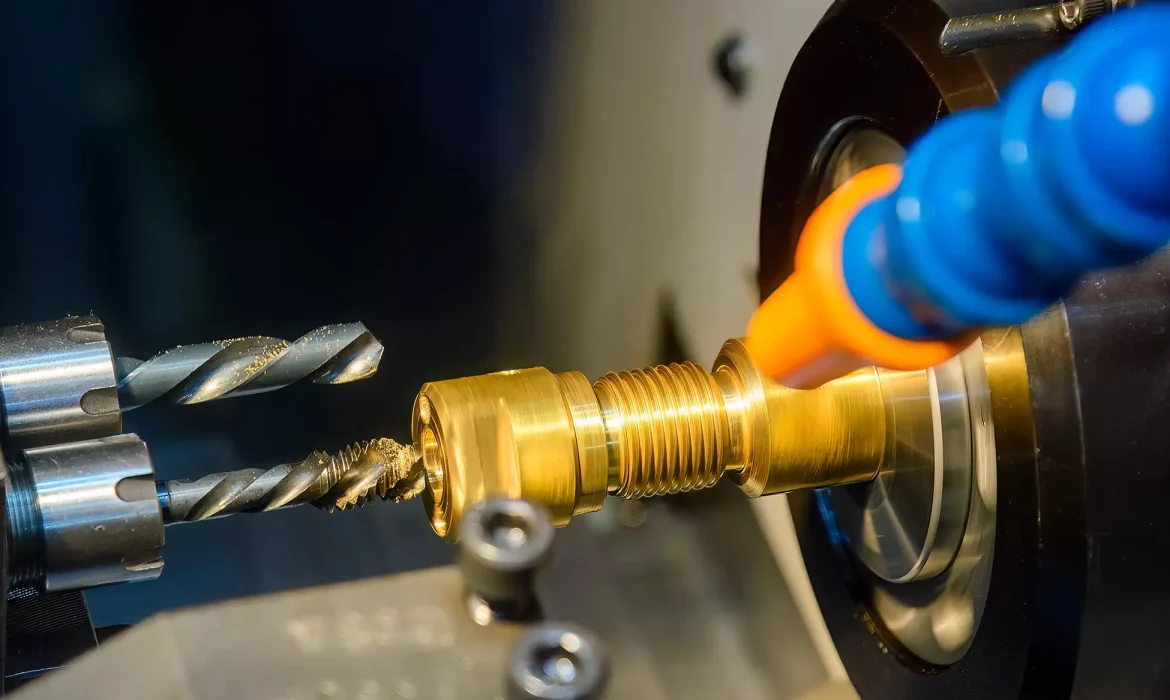
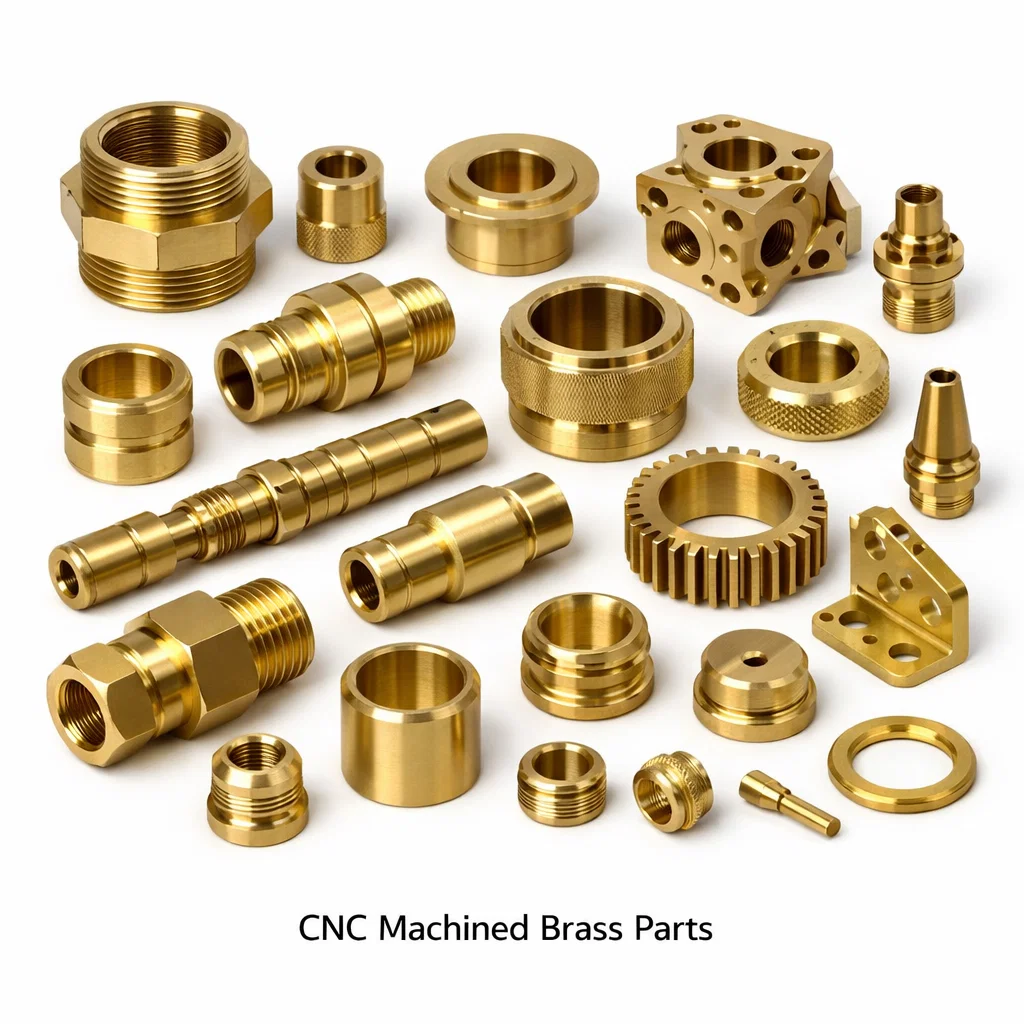
Brass turned parts are precisely shaped components made from brass, created through a turning process on CNC (Computer Numerical Control) machines. These parts often serve in applications requiring durability, corrosion resistance, and excellent machinability. You’ll find brass turned parts in industries like electronics, aerospace, automotive, and plumbing.
Key Specifications, Tolerances, & Quality Standards
When dealing with brass turned parts, several specifications matter:
- Dimensions & Tolerances: Tight tolerances (often within ±0.02mm) ensure parts fit perfectly in assemblies.
- Surface Finish: A smooth surface finish (Ra 0.4µm or better) is critical for certain applications.
- Material Quality: Usually, high-quality brass alloys like C36000 are used for their consistency and machinability.
- Standards Compliance: ISO, ASTM, and other international standards define quality benchmarks for brass turned parts to meet customer and industry needs.
Why CNC Machining Is Ideal for High-Precision Brass Components
CNC machining is favored for producing brass turned parts because it offers:
- High Accuracy & Repeatability: CNC machines can produce complex shapes with tight tolerances continuously.
- Efficiency: Automation speeds up production, reducing turnaround times and costs.
- Consistency: Once a design is programmed, every part matches the exact specifications, ensuring high quality.
- Design Flexibility: CNC allows for intricate details and precise features that might be impossible with manual machining.
This combination of advantages makes CNC machining essential for high-precision brass components, especially in markets where quality and precision drive value.
Market Landscape for Brass Turned Parts
Recently, the market for brass turned parts has seen noticeable shifts in pricing and demand. As global economic conditions fluctuate—impacting everything from raw material costs to manufacturing expenses—these changes directly influence CNC machining contracts for brass components. For example, recent metal price volatility in 2026 has made brass alloys more expensive, which in turn pushes up the overall cost for CNC turned parts.
Regional differences also play a big role. In North America, strong demand from the automotive and electronics sectors keeps prices relatively stable, but supply chain disruptions can cause temporary spikes. Meanwhile, in Europe, stricter environmental regulations and sustainability requirements add costs to production. In Asia, competitive sourcing and currency fluctuations can cause significant price variations, making regional sourcing strategies crucial for managing contract costs effectively.
Understanding these market dynamics helps manufacturers and buyers navigate the brass turned parts industry more effectively. Staying aware of recent pricing shifts and regional differences can support smarter contract negotiations and cost management strategies. If you want to see options for optimizing costs, check out CNC machining of parts to explore how process improvements may offset some of these market-driven expenses.
What Drives Brass Price Fluctuations
One of the biggest factors influencing market price fluctuations in brass turned parts is the volatility in raw material prices, especially for brass alloys. When the cost of copper and zinc—the main components of brass—spikes, it directly pushes up the costs of CNC machining contracts for these parts. Keeping an eye on metal price forecasting 2026 can help in understanding these shifts.
Supply and demand also play a vital role across industries like automotive, electronics, and appliances. When demand from these sectors rises, the raw materials and finished brass components become more expensive, which can lead to higher CNC machining costs. Conversely, a slowdown in demand or excess inventory can cause prices to drop.
Currency exchange rates further impact brass turned parts prices, especially in import-heavy regions like North America and Europe. Fluctuations in the dollar or euro can make importing raw materials or finished components more costly or cheaper, affecting overall contract costs. This is why understanding regional pricing strategies is so important.
Lastly, supply chain disruptions—such as logistics delays, geopolitical tensions, or trade restrictions—can lead to supply shortages and increased transportation costs. These issues increase the overall cost structure for CNC machining providers, influencing the final prices you see in contracts. Staying aware of these factors helps manage expectations and negotiate better terms in a volatile market.
CNC Machining Contract Costs

When it comes to brass turned parts, the contract terms can significantly impact the overall CNC machining costs. Factors like quantity discounts and order volume pricing often help buyers get better deals, especially when placing bulk orders. Shorter lead times might come with higher costs, but they can be worth it for quick project turnaround. It’s also common to see price adjustment clauses that account for fluctuations in raw material prices or changes in demand, which helps both parties manage risk.
You’ll also find differences between fixed pricing and variable pricing models. Fixed prices stay constant regardless of market shifts, providing predictability, while variable models adjust based on material cost volatility or supply chain disruptions. Understanding these contract options can help you better control costs and reduce surprises when negotiating with suppliers. For brass turned parts, clear contract clauses are key to avoiding unexpected price increases, especially with the ongoing market price fluctuations in brass alloys.
Raw Material Pricing in Brass Turned Parts
Brass alloy pricing trends are quite dynamic, heavily influenced by market volatility and global economic factors. In recent years, fluctuations in the global metal market and geopolitical pressures have driven prices up and down. For manufacturers and buyers of CNC machined brass turned parts, understanding these movements is crucial because material costs often make up a significant portion of the overall contract price.
Changes in sourcing strategies can directly impact contract costs. For instance, companies that diversify their supply chains or switch to local suppliers may better manage price fluctuations. Conversely, relying heavily on imported brass alloys can expose contracts to exchange rate swings and import tariffs, further affecting pricing. To stay competitive, many businesses continuously monitor brass alloy market movements and adjust procurement plans accordingly.
If you want to navigate the complexities of raw material pricing and keep your CNC machining costs in check, a thorough understanding of how global metal market movements influence brass alloy prices is essential. You can learn more about how sourcing strategies affect contract costs in our CNC machining cost analysis, which provides insights into cost optimization for brass turned parts.
Demand and Production Pressure in Brass Turned Parts Market
The demand for brass turned parts is heavily influenced by industries like automotive, electronics, and appliances. When factory orders rise, suppliers often face pressure to meet tighter production deadlines, which can impact overall CNC machining costs. Inventory levels also play a big role—if supply is high, prices might drop, but shortages tend to push costs up quickly.
As order volumes change, so does the unit price. Larger batch orders usually benefit from quantity discounts, lowering the per-piece cost. Conversely, small or urgent orders often come with higher prices due to increased setup and production time. Keeping an eye on the demand cycle helps both buyers and manufacturers manage costs better and secure more stable contracts in this volatile brass market.
For complex and high-precision brass parts, understanding how demand shifts impact pricing is essential for negotiating better CNC machining contracts, especially considering how production cycles can fluctuate with the market.
Currency and Regional Pricing
Currency exchange rates play a big role in CNC machining contracts involving brass turned parts, especially for international buyers and suppliers. When the dollar fluctuates against other currencies, it directly impacts the cost of sourcing brass alloys and paying for machining services in different regions. For example, if the US dollar weakens versus the euro or yen, prices for brass turned parts imported from Europe or Asia can increase, affecting overall contract costs.
Import and export costs also shift with regional currency changes, making pricing more volatile. This means manufacturers and buyers must stay alert to currency trends that could raise or lower their expenses. These shifts often lead to different pricing strategies across markets. In North America, pricing models might favor fixed rates to hedge against currency risk, while European and Asian markets might implement flexible or escalation clauses to account for ongoing currency fluctuations.
Regional economic conditions, such as inflation or trade policies, can further influence how brass turned parts are priced. For U.S. companies working with foreign suppliers, understanding regional pricing differences is key to negotiating better CNC machining contracts and managing costs effectively. You can explore how these factors influence CNC machining costs by checking out resources on cost optimization for CNC turned parts.
Automation and Process Efficiency in Brass Turned Parts CNC Machining
Automation is a game-changer for CNC machining, especially when producing brass turned parts. With advancements in CNC automation, manufacturers can increase production speed significantly, reducing cycle times. This not only helps meet tight deadlines but also lowers labor costs, making contracts more affordable.
Innovative machining techniques—like adaptive cutting tools and smart control systems—are also helping to shift or reduce machining costs. By optimizing tool paths and minimizing material waste, these innovations improve efficiency and cost-effectiveness overall.
The efficiency gains from automation and process improvements directly affect contract pricing. When manufacturers can produce brass turned parts faster and with less waste, they often pass those savings onto customers, leading to more competitive pricing in CNC machining contracts. For buyers in the U.S. market, these technologies are key to managing costs while maintaining high quality standards. To explore how automation can enhance your project, check out CNC machining process improvements.
Regulations and Compliance Impact on Brass Turned Parts Market Price Fluctuations

Environmental regulations and manufacturing costs are becoming a major factor influencing CNC machining contracts for brass turned parts. As governments tighten standards on emissions, waste disposal, and resource use, manufacturers face higher compliance expenses. These increased costs often translate into higher prices for brass components, especially in regions with strict environmental policies, such as North America and Europe.
Compliance requirements—like proper waste management, air quality controls, and material handling—add complexity and cost to the production process. For instance, sourcing environmentally friendly brass alloys or upgrading to cleaner machining methods can drive up contract costs. Manufacturers may pass these expenses onto clients, fueling price fluctuations in the market.
There’s also growing sustainability pressure in brass machining supply chains. Customers demand greener products, which pushes supply chains to adopt eco-friendly practices, often at a premium. This shift influences CNC machining costs and, consequently, the overall pricing of brass turned parts. Staying compliant and sustainable is now essential for maintaining competitive contracts in the U.S. manufacturing landscape.
If you’re looking to keep costs in check, exploring options like efficient CNC sheet metal forming or understanding recent trends in environmental standards can help you anticipate pricing shifts and negotiate better contracts.
Negotiation Factors in CNC Contracts

When negotiating CNC machining contracts for brass turned parts, several key factors influence the overall pricing and terms. Lead time expectations are crucial, as faster deliveries often come with higher costs, while longer timelines may reduce expenses but impact production schedules. Understanding these trade-offs is vital for both buyers and manufacturers.
Flexible terms, such as volume discounts and long-term agreements, can significantly impact contract costs. Larger orders or repeat business tend to lower per-unit prices, but they require careful planning and negotiation. It’s also common to include price escalation and adjustment clauses to manage raw material price fluctuations over the contract period, providing stability amidst volatile market conditions.
Risk sharing strategies, like sharing escalation costs or setting fixed pricing within certain periods, help both parties manage price volatility in brass alloy costs and CNC machining fees. These factors equally impact the final contract and should be addressed early in negotiations to ensure a fair and sustainable pricing structure.
For a deeper understanding of how CNC contract strategies work, including negotiations around pricing models, you can explore how CNC machining contracts are structured.
Managing Price Volatility in Brass Turned Parts Contracts
To keep costs predictable in the face of brass market price fluctuations, both buyers and manufacturers need solid risk mitigation strategies. For example, establishing pricing stability in CNC machining contracts can help prevent sudden cost jumps, especially when raw material prices for brass alloys are volatile. One way to do this is by including price escalation clauses or escalation limits that protect both sides—these clauses set clear boundaries on how much prices can change over time, giving everyone peace of mind.
Another key approach is strong supplier relationship management. Staying in good contact with your brass suppliers and keeping an eye on market trends allows you to react quickly if prices start rising unexpectedly. Regular market tracking, such as monitoring global metal market movements or geopolitical influences, further helps in anticipating future price shifts. This proactive approach ensures you can adjust your contract terms early, whether through volume discounts or flexible lead times, helping to stabilize your costs in today’s fluctuating brass market.
For more about building effective CNC contract strategies that mitigate costs, check out this metal cutting and CNC machining resource.
Future Outlook for Brass Turned Parts
Looking ahead, pricing trends for brass turned parts are likely to remain quite dynamic. As global markets recover from recent economic shifts, we can expect some stabilization, but certain factors will keep prices fluctuating. Technological advances, especially in CNC machining, are expected to improve efficiency and reduce production costs, which could soften some of the upward pressure on prices. For example, innovations in automation and process optimization can help manufacturers lower expenses and pass those savings onto buyers.
Despite these positives, the brass market will continue to face challenges. Market demand from industries like automotive, electronics, and appliances remains strong, but supply chain disruptions and geopolitical risks might cause some price volatility. Staying competitive will require keeping an eye on metal price forecasting and being ready to adapt sourcing strategies as market conditions change.
Overall, companies that embrace new machining technologies and build flexible, long-term contract strategies will be better positioned to navigate the volatile landscape of brass turned parts. Monitoring market demand and adjusting for factors like raw material costs and currency fluctuations will be key to maintaining cost-effectiveness and staying ahead in this evolving sector. For tips on how to optimize costs and improve contract terms, exploring CNC machining price management can provide useful insights.