
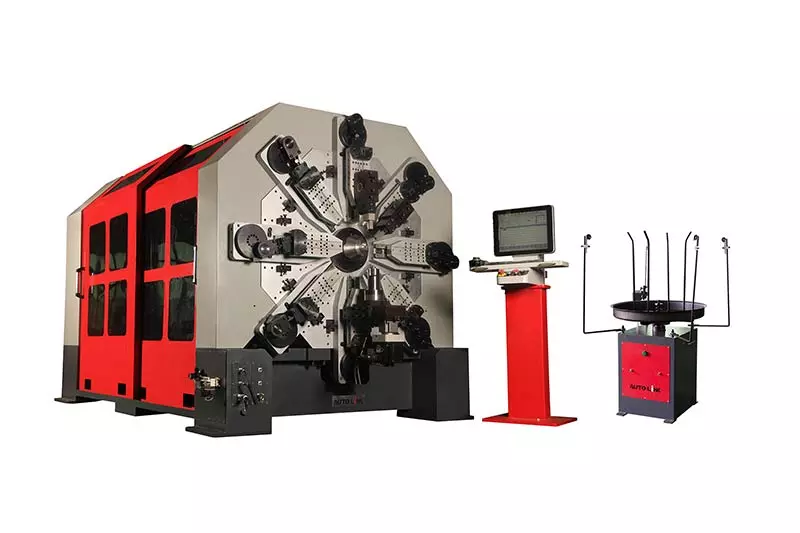
Understanding CNC Machine Axes: The Basics
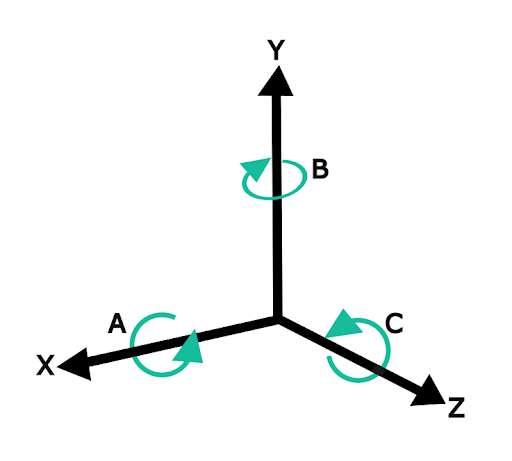
CNC milling machines operate using multiple axes, which define the directions in which the tool or workpiece can move. The linear axes—X, Y, and Z—represent straight-line movements.
- X-axis: side-to-side movement
- Y-axis: front-to-back movement
- Z-axis: up-and-down movement
Along with these, there are rotational axes labeled as A, B, and C, which rotate around the linear axes:
- A-axis: rotation around the X-axis
- B-axis: rotation around the Y-axis
- C-axis: rotation around the Z-axis
These axes enable intricate control over the tool or workpiece, allowing access to multiple part features from different angles. For example, rotational axes make it possible to machine undercuts or complex surfaces without repositioning the part manually.
There are two main ways these axes operate in CNC milling:
- Indexed machining: The rotational axes move to a set position, then the cutting occurs. This method uses fewer simultaneous movements and is common in 3- and 4-axis machines.
- Simultaneous machining: Multiple axes move at the same time, providing fluid, complex toolpaths. This is typical in 5-axis and higher CNC milling machines, enabling precise shaping of complex parts in a single setup.
Understanding these axes and their movement is key to choosing the right CNC milling machine based on your part complexity, production needs, and precision requirements.
3-Axis CNC Milling Machines: Core Movements and Applications
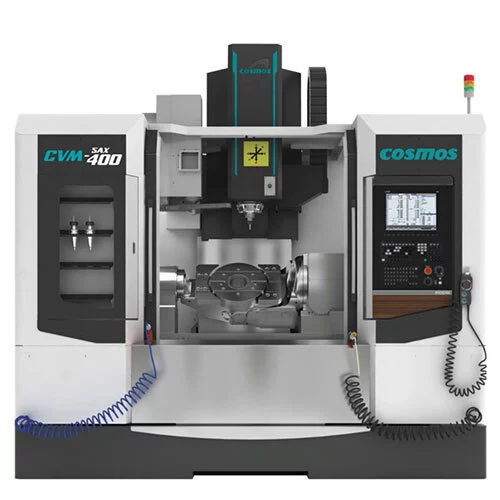
3-axis CNC milling machines move the tool along three linear axes: X (left-right), Y (front-back), and Z (up-down), while the workpiece remains stationary. This setup allows for effective machining of flat surfaces, simple 2D or 2.5D parts, drilling, and basic contour milling. However, because the workpiece can’t rotate or tilt, 3-axis machines require multiple repositioning setups for parts needing work on several sides, and they can’t create undercuts without manual part handling.
Advantages of 3-Axis CNC Milling
- Affordability: Generally lower upfront cost than multi-axis machines
- Simplicity: Easier to program and operate, suited for straightforward milling tasks
- Low Maintenance: Fewer moving parts reduce upkeep
- Versatility: Great for prototyping and general manufacturing of simpler components
Limitations to Consider
- Requires multiple setups for machining multi-sided parts, extending total production time
- Inability to machine complex geometries with undercuts or deep cavities in a single setup
- Limited precision on complex curved features compared to higher-axis systems
Typical industries using 3-axis CNC milling include prototyping labs and general manufacturing sectors where cost-effective machining of simpler parts is key. For metal parts needing reliable precision in basic forms, these machines remain a solid choice.
If you work with materials like hardened steels or specialty alloys for general parts, exploring 3-axis capabilities can offer a good balance of efficiency and affordability. For example, machined metal parts materials often start with 3-axis milling before moving to more advanced machines as complexity grows.
4-Axis CNC Milling Machines
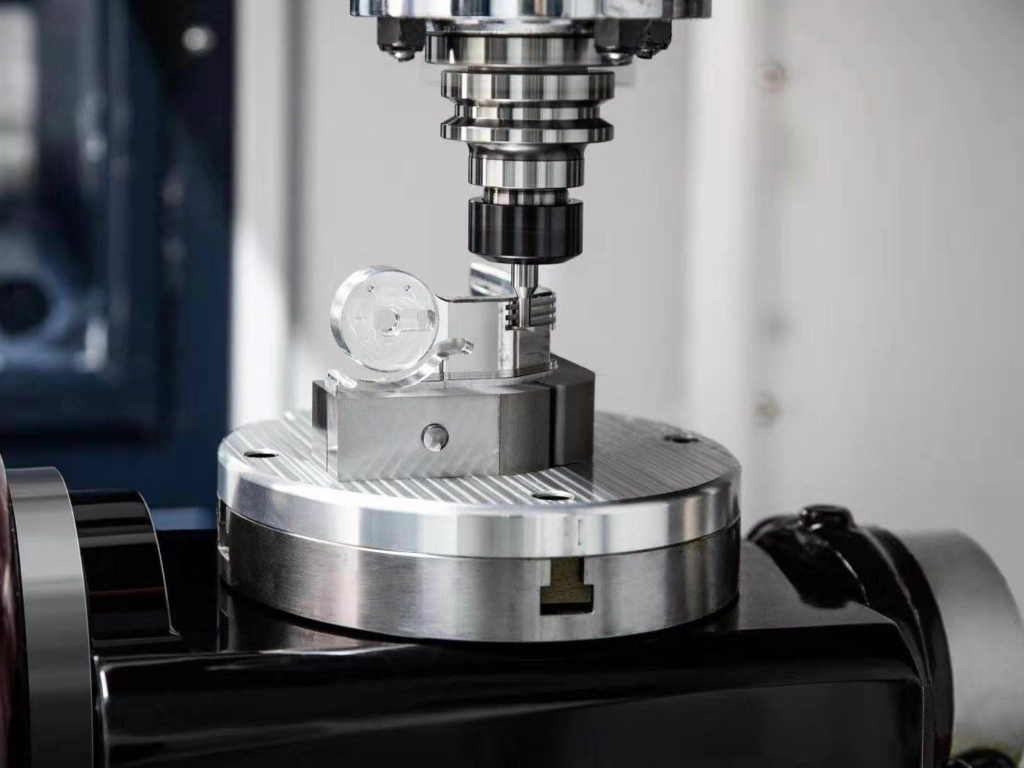
A 4-axis CNC milling machine adds a rotational axis—usually the A-axis, which rotates around the X-axis—extending capabilities beyond basic linear movements. This extra axis lets the machine handle curved surfaces, undercuts, and cylindrical features all in a single setup, reducing the need to reposition the workpiece.
Typical applications include aerospace fittings, automotive components, and molds that require rotational symmetry. Compared to 3-axis machines, 4-axis milling offers fewer setups and better accuracy on curved parts, making it a smart step up for more complex jobs.
However, 4-axis machines still don’t provide full multi-angle access like higher-axis systems do. For expanded multi-axis benefits, exploring 4-axis CNC machining services can be a good way to understand what’s possible at this level.
5-Axis CNC Milling Machines: Advanced Precision and Efficiency
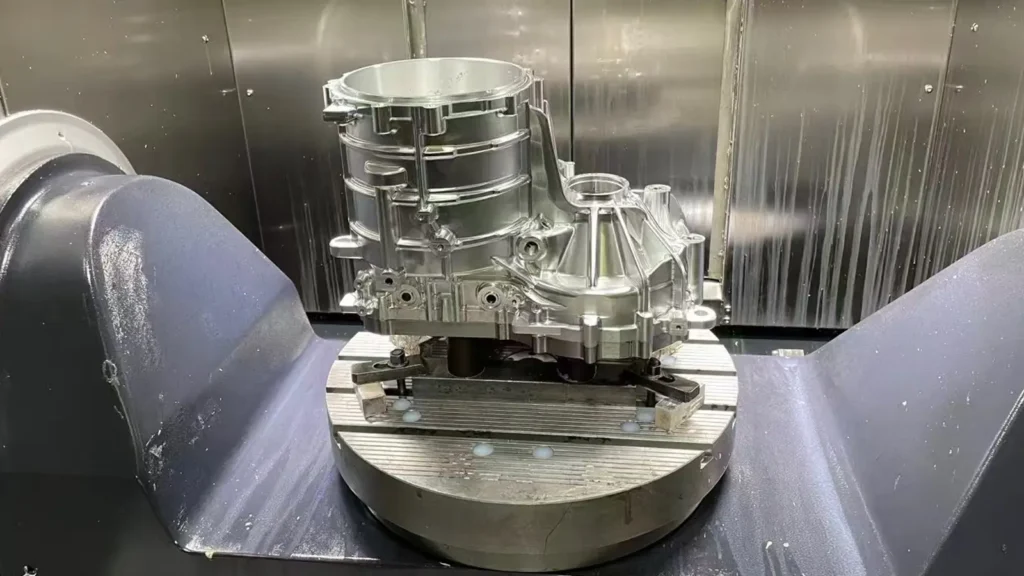
5-axis CNC milling adds a second rotational axis (typically A/B or A/C), allowing the tool to move and rotate simultaneously around two additional angles. This means complex, freeform geometries can be machined in a single setup, accessing five sides of a part without repositioning.
Key Benefits:
- Superior surface finish with smoother contours
- Reduced cycle times by cutting multiple faces together
- Tight tolerances on intricate, 3D shapes
Common Applications:
- Turbine blades needing precision aerodynamic profiles
- Medical implants with complex organic shapes
- Aerospace structures and components
- Complex molds requiring detailed, multi-angle features
Why Choose 5-Axis Over 3- or 4-Axis?
| Feature | 3-Axis | 4-Axis | 5-Axis |
|————————-|—————|—————–|———————–|
| Axis Movement | Linear X/Y/Z | + 1 Rotational | + 2 Rotational Axes |
| Part Access | Up to 3 sides | Curved surfaces | Up to 5 sides in one setup |
| Setup Count | Multiple | Fewer than 3-axis | Single setup |
| Precision & Finish | Basic | Better | Superior |
| Typical Applications | Simple shapes | Rotational symmetry | Complex freeform parts |
| Programming Complexity | Low | Medium | High |
| Cost Level | Low | Moderate | Higher |
While 5-axis CNC machining offers dramatic efficiency gains for high-value parts, it requires more advanced programming skills and a bigger investment. However, for businesses producing precision components like aerospace or medical parts, the benefits often outweigh the costs.
For specialized needs, including machining titanium implants or aerospace fittings, we offer tailored 5-axis CNC capabilities through our expert services, ensuring precision and reliability: explore our CNC titanium machining services and aluminum machining parts for advanced solutions.
Beyond 5-Axis: 6-Axis, 7-Axis, 9-Axis, and Advanced CNC Milling Configurations
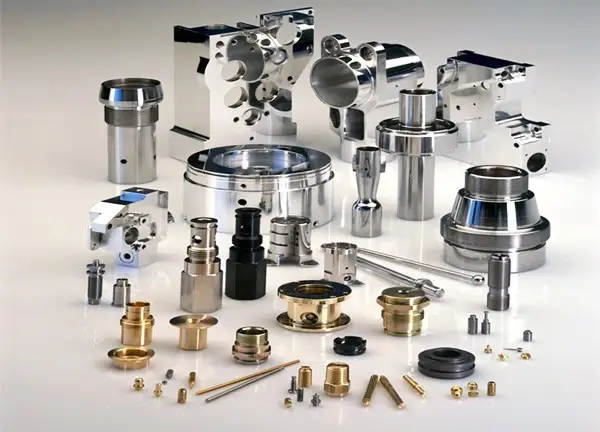
As CNC technology advances beyond 5-axis milling, systems with 6, 7, and even 9 axes bring greater flexibility and precision to complex manufacturing tasks. A 6-axis CNC machine typically combines three linear axes (X, Y, Z) with three rotational axes (A, B, C), making it ideal for mill-turn hybrid operations. This allows simultaneous milling and turning of parts without multiple setups, saving time and improving accuracy.
Moving up, 7-axis and 9-axis CNC machines add even more freedom of movement. These often use articulated arms or combine extra rotary and linear movements to handle intricate geometries and undercuts impossible on lower-axis machines. They excel at complex mill-turn parts found in aerospace, automotive, and medical device manufacturing—where multi-sided access and extreme precision are critical.
Such ultra-high-axis machines represent the cutting edge of multi-axis CNC milling, offering unmatched versatility for challenging projects that demand both milling and turning in one setup. Although these systems require higher programming skill and investment, their productivity gains and quality improvements make them indispensable for advanced production needs. For machining intricate stainless steel investment castings or aluminum alloy die castings with complex contours, these advanced configurations elevate capability and efficiency substantially.
12-Axis CNC Milling Machines: The Ultimate in Productivity and Precision
12-axis CNC milling machines usually feature dual-head setups—two independent 6-axis heads working simultaneously. This advanced multi-axis CNC milling configuration delivers extreme productivity by machining complex parts from multiple angles in about half the time of traditional machines. The precision on demanding geometries is unmatched, making these machines ideal for high-volume aerospace components, defense equipment, intricate medical devices, or detailed prototypes that require minimal handling.
Key advantages of 12-axis CNC machining include:
- Doubled output with two heads working at once
- Significantly reduced setups and part handling
- Superior accuracy and consistent finish across complex surfaces
However, these benefits come with trade-offs. The upfront cost is very high, programming complexity increases with the need for specialized skills, and availability of such machines is limited. Despite these factors, the 12-axis mill stands out as the “beast” of CNC technology, pushing the boundaries in advanced CNC milling technology.
For challenging materials like Inconel or specialty alloys, combining 12-axis capabilities with expert machining services like custom CNC machining Inconel services can maximize your part quality and turnaround.
Whether you’re tackling aerospace parts with intricate features or medical devices demanding tight tolerances, a 12-axis setup delivers the power and precision to keep you ahead in high-stakes manufacturing.
Side-by-Side Comparison: 3-Axis to 12-Axis CNC Milling Machines
| Axis Count | Movements | Part Complexity | Setups Required | Precision / Finish | Cost Level | Best For | Limitations |
|---|---|---|---|---|---|---|---|
| 3-Axis | Linear (X, Y, Z) | Simple 2D/2.5D parts | Multiple for multi-sides | Good for basic parts | Low | Basic prototyping & general mfg | No undercuts, limited angles |
| 4-Axis | 3 Linear + 1 rotational (A-axis) | Curved surfaces, cylindrical | Reduced vs. 3-axis | Better on curved parts | Moderate | Aerospace fittings, molds | Limited full multi-angle access |
| 5-Axis | 3 Linear + 2 rotational (A/B or A/C) | Complex freeform shapes | Single for 5 sides | High precision, smooth finishes | High | Turbine blades, medical implants | Higher programming skill needed |
| 6-Axis | 3 Linear + 3 rotational | Complex mill-turn parts | Often single setup | Excellent precision | Very High | Hybrid milling & turning | Specialized programming, cost |
| 7-Axis | 6-Axis + extra rotational or linear | Extremely flexible machining | Minimal setups | Superior finish & accuracy | Very High | Articulated arms, complex parts | Few suppliers, complex operation |
| 9-Axis | Multiple rotational & linear axes | Ultra-complex geometries | Single setup typical | Ultra-precise finishes | Premium | High-end aerospace & defense | Very specialized, high investment |
| 12-Axis | Dual 6-axis heads (simultaneous ops) | Highly intricate, multi-angle | Minimal (one or two) | Best precision & productivity | Premium+ | High-volume aerospace, medical | Very high cost, rare, complex control |
Use this comparison to understand how different CNC machine axis configurations serve varying project needs—from simple tasks requiring 3-axis milling to advanced production that demands the unmatched accuracy and speed of 12-axis systems.
For projects needing smoother finishes and efficient setups beyond basic 3-axis machining, exploring advanced CNC milling technology can boost your precision and production capabilities.
When to Choose Which Axis Configuration
Choosing the right CNC milling axis depends on your project’s complexity, production volume, budget, and the precision needed. Here’s a quick guide:
| Axis Count | Best For | Key Benefits | Considerations |
|---|---|---|---|
| 3-Axis | Simple parts, flat surfaces, 2.5D | Cost-effective, easy programming | Multiple setups, limited shapes |
| 4-Axis | Parts with rotational symmetry | Reduces setups, handles curved surfaces | Not full multi-angle access |
| 5-Axis | Precision prototypes, complex parts | High accuracy, fewer setups, faster cycles | Higher programming skill, cost |
| 6+ Axis | Mission-critical, complex production | Maximum efficiency, intricate shapes | Very high cost, specialized programming |
For straightforward, cost-sensitive jobs with basic features, 3- or 4-axis CNC milling machines are a practical choice. They provide reliability without pushing your budget.
When your project demands more complex geometries or tighter tolerances—such as medical components or aerospace parts—5-axis milling shines with its ability to machine multiple sides in one setup and improve surface finishes. This makes it ideal for medium-volume jobs requiring precision.
For high-efficiency, mission-critical production runs—think defense, aerospace, or complex prototypes—higher-axis machines from 6-axis to even 12-axis deliver unmatched capabilities, cutting down cycle times and setups dramatically.
At MS Machining, we understand these needs well. Our expertise in precision CNC machining services allows us to match your project with the perfect axis configuration, balancing cost, complexity, and turnaround time to get your parts done right the first time.
Advantages and Trade-Offs of Increasing Axis Count
Increasing the axis count on CNC milling machines—from 3-axis up to 12-axis—brings significant efficiency gains. With more axes, you get fewer setups because the machine accesses complex features from multiple angles in one go. This speeds up production cycles and reduces manual repositioning, saving time and labor costs.
Higher-axis CNC milling also improves precision and surface finish. Multi-axis CNC milling means tools can maintain optimal cutting angles on intricate contours, delivering tighter tolerances and smoother finishes—critical for aerospace, medical devices, and advanced manufacturing.
However, with these benefits comes a higher upfront cost for machines like 5-axis and especially 12-axis setups. While the return on investment (ROI) can be strong for complex, high-volume parts, smaller shops must weigh the cost against project needs. Programming also becomes more complex, requiring skilled operators capable of handling advanced CAM software and multi-axis tool paths. This means training and expertise become important factors in maximizing machine potential.
In short, the right choice depends on balancing project complexity, budget, and tolerance requirements. For example, simpler jobs often stick with 3- or 4-axis mills, while precision-driven, complex parts justify investing in 5-axis or higher. Choosing a machine that fits your workflow ensures you get the best mix of productivity and value.
For projects involving detailed medical components, consider how MS Machining’s medical manufacturing expertise leverages advanced CNC capabilities to achieve consistent quality with minimal setups.