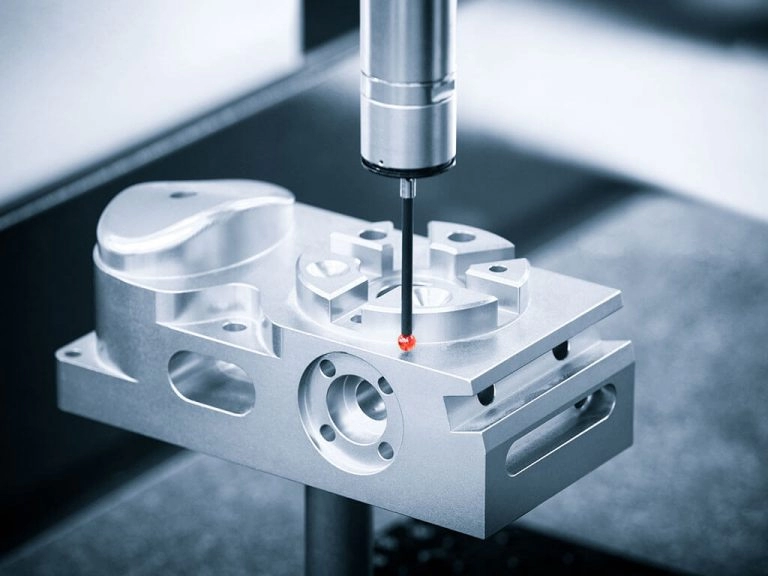
Choosing the right stainless steel grade for investment casting can make or break your project’s success. Whether you’re an engineer, designer, or procurement pro, picking the best alloy affects not only castability and mechanical performance but also corrosion resistance and final costs. In markets like aerospace, medical, and food processing, where precision and reliability are everything, one wrong grade choice can add 30–50% to your part cost—or worse, cause premature failure.
In this guide, you’ll get a clear, no-fluff rundown of the top 9 stainless steel grades most commonly used in investment casting in 2025, complete with practical insights on when to choose cast grades over their machined 304 or 316 counterparts. Ready to cut through the confusion and make smarter material decisions? Let’s dive in.
Why Stainless Steel Grade Selection Matters in Investment Casting
Choosing the right stainless steel grade in investment casting isn’t just a technical detail—it can make or break your project’s success. Stainless steel investment casting offers unmatched advantages: complex geometries with tight tolerances, excellent surface finishes straight out of the mold, and minimal machining waste. This process is ideal for parts that demand precision, strength, and corrosion resistance.
But not all stainless steels perform equally in investment casting. The grade you pick directly affects cost, durability, machinability, and even lead times. Opting for a high-alloy grade might improve corrosion resistance but increase expenses substantially. Conversely, a more common grade could save money but underperform in aggressive environments. Balancing cost vs. performance is key for optimal results.
Looking ahead to 2025, market demand is rising sharply in sectors like aerospace, medical devices, and the food industry—each with its own strict stainless steel needs. Aerospace favors lightweight, high-strength grades; medical parts require biocompatibility and corrosion resistance; food processing demands sanitary finish and cleanability. Knowing these trends helps you select stainless steel investment casting grades that keep you competitive and compliant.
Key Requirements for Stainless Steels in Investment Casting
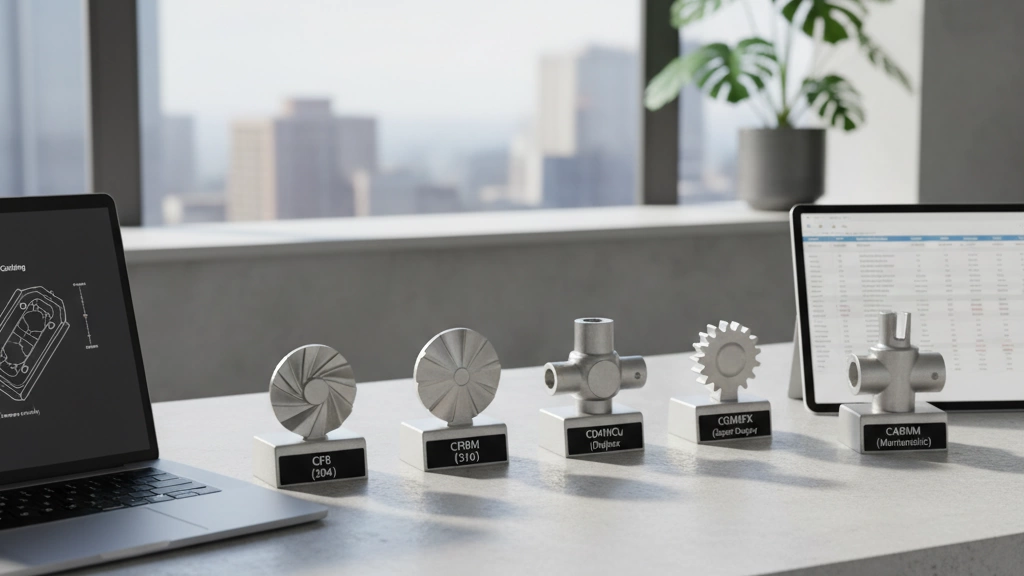
Choosing the right stainless steel grade for investment casting means looking at a few critical factors to ensure your parts come out strong and reliable.
Fluidity and Castability
- The molten steel needs low viscosity to flow smoothly into intricate molds.
- Grades with excellent fluidity prevent defects and help capture fine details.
Minimal Shrinkage and Hot-Tearing
- Shrinkage during solidifying needs to be low and uniform; otherwise, parts can warp or crack.
- Hot-tearing, or cracking while cooling, causes rejects — the best grades resist this issue.
Weldability of Cast Parts
- Often, repairs or assemblies require welding cast-to-cast or cast-to-wrought joints.
- Choose grades that weld easily without cracking or losing mechanical strength.
Post-Cast Machinability
- Most investment-cast stainless parts need secondary CNC machining, especially for tight tolerances, threads, or sealing faces.
- Grades that machine smoothly without excessive tool wear or work-hardening are preferred — a big plus for MS Machining clients.
| Requirement | Why It Matters | What to Look For |
|---|---|---|
| Fluidity & Castability | Accurate molds, less scrap | Low molten viscosity |
| Shrinkage & Hot-Tearing | Avoid cracks, dimensional accuracy | Minimal shrinkage, good solidification |
| Weldability | Easy repairs, strong joints | Stable microstructure, weld-friendly |
| Machinability | Faster, cost-effective finishing | Low tool wear, minimal work-hardening |
Focusing on these key features helps MS Machining deliver precise, durable stainless steel castings that perform consistently in your applications.
The 9 Most Commonly Specified Stainless Steel Grades in Investment Casting (2025)
When selecting stainless steel grades for investment casting, here are the top 9 you’ll encounter in 2025. These grades cover a wide range of applications and balance performance with cost effectively.
1. 304L (CF-3) – The General-Purpose Go-To
- Designation: UNS S30403 / ACI CF-3
- Overview: Low carbon version of 304, easy to cast & weld.
- Castability: Excellent
- Uses: Valves, pump parts, general industrial fittings
- Cost: Baseline 1.0x
- Why Choose: Ideal when you need a reliable, corrosion-resistant stainless steel with good machinability and no extreme corrosion or strength requirements.
2. 316L (CF-3M) – Marine, Medical & Food Industry King
- Designation: UNS S31603 / ACI CF-3M
- Overview: Contains molybdenum for better corrosion resistance in chloride environments.
- Castability: Good
- Uses: Medical devices, food processing equipment, marine parts
- Cost: ~1.3x vs 304L
- Why Choose: Best for applications exposed to saltwater or aggressive chemicals where corrosion resistance is critical.
3. 17-4 PH (CB7Cu-1) – Strongest Precipitation-Hardening Grade
- Designation: UNS S17400 / ACI CB7Cu-1
- Overview: Provides high strength and hardness after heat treatment.
- Castability: Good
- Uses: Aerospace components, high-strength shafts, and gears
- Cost: ~1.8x
- Why Choose: When you need superior strength and hardness combined with decent corrosion resistance.
4. 410 (CA-15) – Martensitic Wear-Resistant Option
- Designation: UNS S41000 / ACI CA-15
- Overview: Martensitic stainless, best for moderate corrosion plus wear resistance.
- Castability: Fair
- Uses: Cutlery, pump parts, valve components
- Cost: ~0.9x
- Why Choose: When wear resistance is key, and corrosion needs are moderate.
5. 430 (CB-30) – Ferritic Choice for Moderate Corrosion
- Designation: UNS S43000 / ACI CB-30
- Overview: Ferritic stainless with good formability and moderate corrosion resistance.
- Castability: Good
- Uses: Automotive parts, kitchen appliances
- Cost: ~0.8x
- Why Choose: Lower-cost option when corrosion is not severe or critical.
6. Duplex 2205 (CD3MN / 1.4462) – Strength + Corrosion Rising Star
- Designation: UNS S32205 / ACI CD3MN
- Overview: Balanced austenitic-ferritic microstructure for high strength & corrosion resistance.
- Castability: Fair to Good
- Uses: Chemical processing, offshore, heat exchangers
- Cost: ~2.0x
- Why Choose: When strength and chloride resistance outpace 316L but cost is a concern compared to super duplex.
7. Super Duplex 2507 (CE3MN) – For Extreme Environments
- Designation: UNS S32750 / ACI CE3MN
- Overview: Very high strength and corrosion resistance, especially pitting and crevice corrosion.
- Castability: Fair
- Uses: Offshore oil, chemical plants, high-performance pump parts
- Cost: ~2.5x
- Why Choose: For the toughest conditions where failure is not an option.
8. 904L (CN2MCuN) – When Corrosion Is Non-Negotiable
- Designation: UNS N08904 / ACI CN2MCuN
- Overview: High nickel, molybdenum, and copper for exceptional pitting and crevice corrosion resistance.
- Castability: Fair
- Uses: Chemical processing, acid environments
- Cost: ~3.0x
- Why Choose: Highly specialized; pick this when 316L or duplex grades can’t handle the environment.
9. Nitronic 60 (CG6MMN) – Galling-Resistant Alternative
- Designation: UNS S21800 / ACI CG6MMN
- Overview: Excellent resistance to galling and seizing, good corrosion resistance.
- Castability: Good
- Uses: Valve stems, pump shafts, sliding parts
- Cost: ~1.7x
- Why Choose: When galling is a concern but you still want good corrosion resistance and machinability.
Each of these stainless steel investment casting grades is chosen based on specific mechanical needs, corrosion resistance, and cost balance. In practice, 304L, 316L, and 17-4 PH cover around 80% of projects, but for niche demands, the others step in perfectly.
If you want, we can help you pick the right grade for your next investment casting and CNC machining project.
Stainless Steel Grades Comparison Table for Investment Casting
Here’s a quick reference table summarizing the 9 most common stainless steel grades used in investment casting. You’ll find corrosion resistance, strength, castability, relative cost, and typical industries all in one place. Handy for making the right call fast!
| Grade | UNS / ACI | Corrosion Resistance | Strength (ksi) | Castability | Relative Cost* | Typical Applications |
|---|---|---|---|---|---|---|
| 304L (CF-3) | UNS S30403 / CF3 | Good for general use | 65-75 (as-cast) | Excellent | 1.0x | Pumps, valves, general parts |
| 316L (CF-3M) | UNS S31603 / CF3M | Excellent marine & chemical | 65-75 (as-cast) | Excellent | 1.15x | Medical, food, marine parts |
| 17-4 PH (CB7Cu-1) | UNS S17400 / CB7 | Moderate corrosion, high strength | 120-140 (aged) | Good | 1.4x | Aerospace, high-strength parts |
| 410 (CA-15) | UNS S41000 / CA15 | Moderate, wear-resistant | 90-110 (heat-treated) | Good | 0.9x | Cutlery, wear parts |
| 430 (CB-30) | UNS S43000 / CB30 | Moderate corrosion | 70-80 (as-cast) | Fair | 0.8x | Automotive, appliances |
| Duplex 2205 | UNS S32205 / CD3MN | High corrosion & strength | 90-100 (as-cast) | Good | 1.3x | Chemical, oil/gas |
| Super Duplex 2507 | UNS S32750 / CE3MN | Excellent in harsh environments | 100-120 (as-cast) | Fair | 1.6x | Offshore, petrochemical |
| 904L (CN2MCuN) | UNS N08904 / CN2MCuN | Outstanding pitting resistance | 70-80 (as-cast) | Fair | 1.7x | Chemical processing, pharma |
| Nitronic 60 | ACI CG6MMN | High galling & corrosion resistance | 85-95 (as-cast) | Good | 1.5x | Fasteners, valves, aerospace |
*Relative cost based on 304L set as 1.0x (material only).
This table helps you quickly compare the castability, strength, and cost impact of each grade against 304L, the standard “go-to” stainless for investment casting.
Want a downloadable, printer-friendly PDF version? We’ve got you covered—just reach out for your copy!
Heat-Resistant and Specialty Alloys (Honorable Mentions)
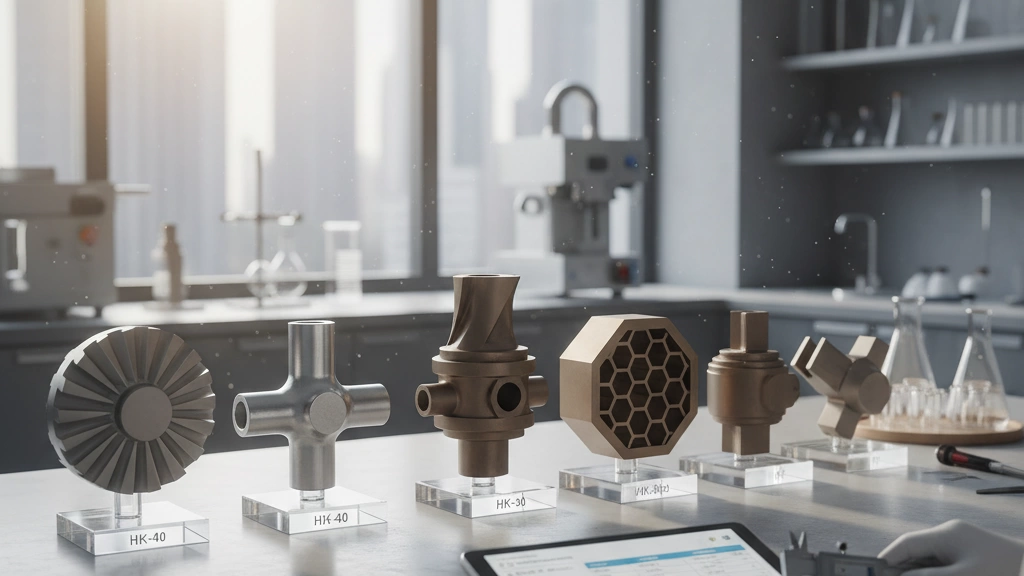
Beyond the common stainless steel grades, there are specialty alloys designed to handle extreme heat or harsh chemical environments in investment casting.
HH, HK, HT Grades
These are high-chromium nickel alloys, like 25Cr-12Ni (HH) and 25Cr-20Ni (HK/HT), built to withstand temperatures from 800°C up to 1100°C. You’ll often find them in power plants, heat exchangers, and gas turbines where steady mechanical strength and oxidation resistance matter.
Inconel 625 and Hastelloy
When standard stainless grades fall short, especially in highly corrosive or highly demanding heat settings, Inconel 625 and Hastelloy are go-to solutions. They’re nickel-based superalloys favored in chemical processing, aerospace, and marine sectors for their excellent corrosion resistance and toughness at high temperatures.
These specialty alloys are pricier than your typical 304L or 316L but bring unmatched performance where stainless steel can’t deliver. If your project faces extreme heat cycles or aggressive chemicals, these are the alloys worth considering.
Common Mistakes When Specifying Stainless Grades for Investment Casting
Choosing the wrong stainless steel grade can cost time and money. Here are some common traps we see when specifying grades for investment casting:
Copying wrought 304 or 316 specs directly
Many try to use the same specs for cast stainless as they do for wrought versions—but that ignores key differences. For example, cast 304L and 316L have stricter carbon limits (the L grades) to reduce carbide precipitation during casting. Using regular 304 or 316 specs risks weld cracking or corrosion issues in the finished casting.
Ignoring ferrite content in duplex castings
Duplex grades like 2205 need balanced ferrite and austenite phases for strength and corrosion resistance. Overlooking ferrite content during casting can cause brittleness or reduced corrosion resistance — a costly problem, especially for critical parts.
Over-specifying 17-4 PH when 316L would do
17-4 PH offers high strength but comes at a premium price. It’s common to see projects specified with 17-4 PH “just in case,” when 316L would be sufficient for corrosion and mechanical needs. This leads to unnecessary cost spikes without real benefit.
Avoid these mistakes by matching grade choice to actual performance needs, casting process capabilities, and post-cast machining plans. This ensures you get the best balance of cost, durability, and machinability for your investment cast stainless steel parts.
Post-Casting CNC Machining Considerations
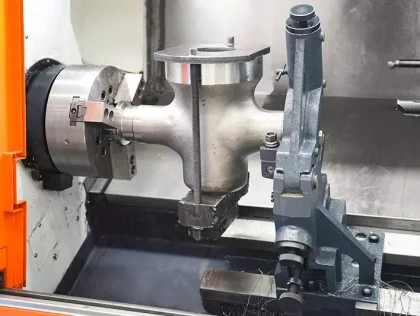
Even though investment casting produces detailed stainless steel parts, most still need secondary CNC machining. That’s because features like tight tolerances, precise threads, and smooth sealing faces usually can’t be achieved straight from the cast. CNC machining ensures the final part meets exact specs and functions properly.
At MS Machining, we specialize in handling tough grades like 17-4 PH, Duplex 2205, and Nitronic 60. These alloys can sometimes work-harden during machining, making them tricky to cut. But with the right tools, speeds, and experience, we minimize work-hardening and deliver clean, accurate finishes every time.
If your project involves precipitation hardening stainless casting or Duplex stainless steel investment casting, we’ve got the CNC know-how to keep your parts on point and on schedule.
How to Choose the Right Stainless Steel Grade – Decision Flowchart
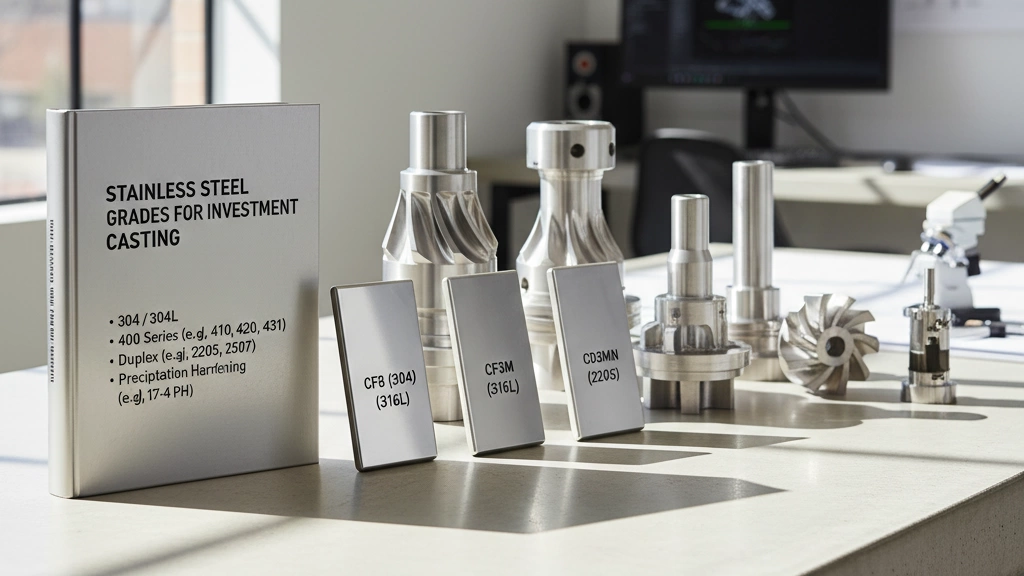
Picking the right stainless steel grade for investment casting can be tricky. To make it simple, we’ve put together a straightforward decision flowchart that guides you through the main factors—from corrosion resistance to strength and cost.
Key Decision Points:
- Corrosion environment: Is your part exposed to marine, chemical, or mild conditions?
- Strength needed: Do you require high strength or moderate durability?
- Heat resistance: Will the casting operate under elevated temperatures?
- Machinability: Are you planning extensive secondary CNC work?
- Budget: Does cost limit your grade choices?
Quick Grade Selection Table
| Requirement | Recommended Grade(s) | Notes |
|---|---|---|
| General corrosion resistance | 304L (CF-3) | Most economical, good all-rounder |
| Marine or medical use | 316L (CF-3M) | Excellent corrosion, great machinability |
| High strength, wear | 17-4 PH (CB7Cu-1) | Precipitation-hardened, heat-treatable |
| Moderate corrosion | 430 (CB-30) | Ferritic, lower cost |
| High strength + corrosion | Duplex 2205 (CD3MN / 1.4462) | Rising star in demanding environments |
| Extreme corrosion resistance | Super Duplex 2507 (CE3MN) | For very harsh, aggressive environments |
| Galling resistance | Nitronic 60 (CG6MMN) | Ideal for sliding or rubbing parts |
Want the full flowchart?
We’ve made a downloadable PDF that maps your project’s needs to the best stainless steel grade for investment casting. It’s easy to follow and saves time on specs.
[Download Stainless Steel Grade Selector PDF]
Choosing the right grade upfront means better performance, easier machining, and cost savings. Use this tool to get your project off to the right start. And if you need help, MS Machining is here to guide you through the details.
& Next Steps
To wrap up, when it comes to investment casting stainless steel grades, 304L, 316L, and 17-4 PH cover about 80% of projects across industries. These three offer a solid balance of corrosion resistance, strength, and machinability for most applications, making them the reliable default choices.
If you’re looking to get the best results on your next investment casting part—whether you need corrosion resistance for food and medical sectors or high strength for aerospace—starting with these grades is a smart move.
At MS Machining, we’re here to help you pick the right stainless steel grade and handle the CNC machining side without hassle. Reach out today for a free Design for Manufacturing (DFM) review on your upcoming investment cast plus CNC machining project. Let’s make sure you get the best performance and cost efficiency from your parts.