

If you’re stepping into manufacturing or precision machining, the term CNC will quickly become part of your daily vocabulary. Simply put, CNC stands for Computer Numerical Control, the game-changing technology that automates machine tools with exact digital instructions. From punched tapes in the 1950s to today’s AI-enhanced systems, CNC has transformed how parts are made—delivering unmatched accuracy, speed, and complexity that manual machining can’t match. Understanding what CNC means—and how it works—is essential whether you’re a beginner, buyer, or engineer looking for top-tier manufacturing solutions in 2025. In this guide, we’ll break down the core definition, evolution, and real-world impact of CNC machining, so you get the full picture without the jargon. Let’s dive in!
CNC Meaning and Core Definition
What does CNC stand for in manufacturing? CNC means Computer Numerical Control. At its core, CNC is a technology that uses computers to control machine tools like mills, lathes, and routers with extreme precision.
Let’s break down the term:
-
Computer: This refers to the digital system that runs the machine. Instead of manual control, a computer interprets a programmed set of instructions.
-
Numerical: This relates to the numbers – specifically, the coordinates and commands – that direct the machine’s movements. It’s all about translating design data into precise numbers the machine can follow.
-
Control: This is the action of guiding the machine’s tools to perform cutting, drilling, or shaping. The control system ensures accuracy and repeatability on the shop floor.
In simpler terms, CNC replaces manual hand-operated machining with computer-driven automation. This means parts can be made faster, with higher consistency and tighter tolerances, which is a game-changer for modern manufacturing. Whether you’re milling complex aerospace parts or turning metal shafts, CNC technology delivers predictable, precise results every time.
The Evolution of CNC Technology
CNC technology didn’t appear overnight—it’s a result of decades of innovation. Back in the 1940s and 1950s, manufacturing used Numerical Control (NC) systems that relied on punched tapes to guide machine tools. These early systems automated simple repetitive tasks but were bulky and limited in flexibility.
By the 1970s, the game changed with the rise of Computer Numerical Control (CNC). Instead of punched tapes, machines became controlled by computers, allowing much greater precision and the ability to easily edit programs. This shift opened the door for complex parts and faster production cycles.
Fast forward to the 2020s through 2026, CNC technology is integrating advanced features like artificial intelligence (AI), the Internet of Things (IoT), and Industry 4.0 capabilities. These enhancements enable smart factories where machines communicate, adapt in real-time, and optimize themselves for maximum efficiency.
For those curious about the roots and development, check out a deeper dive into the history of CNC technology to see how these milestones shaped modern manufacturing.
How CNC Machining Actually Works – Step by Step

CNC machining starts with a CAD design, where engineers create a precise 3D model of the part using computer-aided design software. This digital blueprint defines all the shapes and dimensions. Next comes CAM programming, which converts the CAD model into instructions that the CNC machine can understand. CAM software generates the necessary G-code and M-code — these are the language commands that tell the machine how to move, at what speed, and when to turn on or off tools.
Once the program is loaded, the CNC machine’s controller takes over. It reads the G-code, sending signals to the machine’s servomotors, which control the movement along various axes (X, Y, Z, and sometimes more). Feedback loops continuously monitor the tool’s position and speed, making tiny adjustments in real-time for maximum precision.
In simple terms, the process flows like this:
- CAD design creates the part digitally.
- CAM software translates design into G-code/M-code.
- The controller reads and executes these commands.
- Servomotors move the cutting tools precisely.
- Sensors and feedback loops constantly adjust movements.
Think of it like a highly skilled robotic arm following an exact recipe, ensuring every cut is spot on. This seamless interaction between software and hardware is what makes CNC machining so reliable and repeatable.
For a deeper dive into CNC machining and the controllers involved, check out our detailed CNC engineering services to see how this technology is applied in real manufacturing environments.
Main Types of CNC Machines
CNC machines come in different types, each built for specific manufacturing tasks. Here’s a quick rundown:
-
CNC Milling Machines: Usually available in 3-axis, 4-axis, and 5-axis models. The number of axes determines the complexity and flexibility of the part you can create. Milling machines cut and carve materials using rotating tools, perfect for complex shapes and surfaces. For more details, check out our guide on CNC milling machines.
-
CNC Turning / Lathes: These machines rotate the workpiece while cutting tools shape it, ideal for cylindrical parts like shafts or bushings. Swiss-type lathes add extra precision for small, intricate components.
-
CNC Plasma Cutters: Use a plasma torch to slice through electrically conductive materials, such as steel and aluminum, great for fast, rough cuts.
-
CNC Laser Cutters: Employ focused laser beams for extreme precision cutting or engraving, often used in sheet metal or plastic fabrication.
-
CNC Routers: Similar to milling machines but optimized for softer materials like wood, plastic, or composites. They’re widely used in cabinetry and sign making.
-
Multi-Axis and Swiss-Type Machines: These combine several movements for complex parts with tight tolerances, common in aerospace and medical industries.
| Machine Type | Primary Use | Material Suitability | Complexity Level |
|---|---|---|---|
| CNC Milling | Complex shaping | Metals, plastics | Moderate to high |
| CNC Turning / Lathes | Cylindrical parts | Metals, plastics | Moderate |
| CNC Plasma Cutter | Fast cutting | Metals (conductive) | Basic to moderate |
| CNC Laser Cutter | High-precision cutting | Metals, plastics | High |
| CNC Router | Cutting softer materials | Wood, plastics, composites | Basic to moderate |
| Swiss-Type | Small, detailed machining | Metals | Very high |
Knowing these types helps you pick the right CNC machine for your project, ensuring the best balance of speed, precision, and cost. For large or complex parts, our large part CNC machining capabilities provide tailored solutions for demanding specs.
CNC Milling vs CNC Turning – When to Use Which
CNC milling and CNC turning are two cornerstone processes in manufacturing, each suited for different types of parts and operations.
What’s the Difference?
- CNC Milling: Uses rotary cutters to remove material from a stationary workpiece. Ideal for creating flat surfaces, slots, complex 3D shapes, and multi-axis parts. Common in aerospace, automotive, and mold making.
- CNC Turning: The workpiece spins while a stationary cutting tool shapes it. Perfect for round or cylindrical parts like shafts, bushings, and threaded components.
When to Choose CNC Milling:
- Complex shapes with multiple features on different sides
- Parts that require high precision with tight tolerances
- Materials that need detailed contouring or drilled holes
- Examples: Engine brackets, complex manifolds, surgical blades
When to Choose CNC Turning:
- Cylindrical parts needing smooth finishes or threading
- High-volume production of rods, pins, or bolts
- Simplified parts with rotational symmetry
- Examples: Shafts, bushings, pulleys
Quick Pros and Cons Table
| Feature | CNC Milling | CNC Turning |
|---|---|---|
| Best for | Complex, multi-axis parts | Round, cylindrical parts |
| Precision | High precision on multiple axes | High precision on diameter & length |
| Speed | Slower due to complex paths | Generally faster for simple parts |
| Cost | Usually higher machine cost | Lower cost per part |
| Material Waste | Typically more due to cutting paths | Less waste, especially for round stock |
Choosing right depends on your part requirements. For example, if you’re machining intricate aerospace or medical components, CNC milling often fits best. Meanwhile, for automotive shafts or defense pins, turning usually delivers quicker, cost-effective results.
For a deep dive into milling, check out this detailed guide on CNC milling.
Avoid mixing these processes unless you have multi-axis hybrid machines that can do both, which is becoming common in advanced shops focusing on versatility.
Key Advantages of CNC Machining in 2026
CNC machining today offers unmatched precision and repeatability, with tolerances as tight as ±0.0002″ possible. This level of accuracy ensures every part meets exact specifications, which is essential for industries like aerospace and medical.
Another big advantage is the ability for 24/7 production, often using lights-out manufacturing—where machines run unattended overnight or during weekends. This boosts output while cutting downtime and labor costs.
CNC machines can easily handle complex geometries and intricate designs that manual machining simply can’t achieve. This opens the door to innovative parts and components with complex curves, deep cavities, and multi-axis cuts.
By automating most of the process, CNC controls help reduce human error and ensure consistent quality. They also lower labor costs since fewer operators are needed to run machines efficiently.
Lastly, CNC machining now supports a wide variety of materials—from standard metals like aluminum and stainless steel to advanced composites and exotic alloys. This material versatility meets the needs of diverse U.S. manufacturing sectors, from automotive to defense.
For reliable, high-quality CNC manufacturing with these advantages, consider trusted services like precision CNC machining or rapid CNC machining solutions to get your parts done right on time.
Common Materials Used in CNC Machining
CNC machining is versatile when it comes to materials, handling everything from common metals to advanced engineering plastics and exotic alloys. Here’s a quick look at some popular choices:
- Aluminum: Lightweight, strong, and corrosion-resistant, it’s a favorite for aerospace, automotive, and consumer goods.
- Stainless Steel: Known for durability and corrosion resistance, ideal for medical devices and food industry parts. Check out our stainless steel polishing services to see how finished products really shine.
- Titanium: Offers excellent strength-to-weight ratio and biocompatibility, widely used in aerospace and medical implants. For specialized needs, explore our CNC titanium machining services.
- Brass and Copper: Great for electrical components and decorative parts due to conductivity and aesthetic appeal.
- Engineering Plastics: Materials like PEEK, Delrin, and Nylon are prized for chemical resistance, lightweight, and low friction, perfect for custom insulators and mechanical parts.
- Exotic Alloys: Inconel, Hastelloy, and similar alloys excel in high-temperature, corrosive environments, often used in aerospace and defense.
The ability to work across this wide material range is one reason CNC machining remains a go-to process in demanding American manufacturing sectors today.
Real-World CNC Applications by Industry
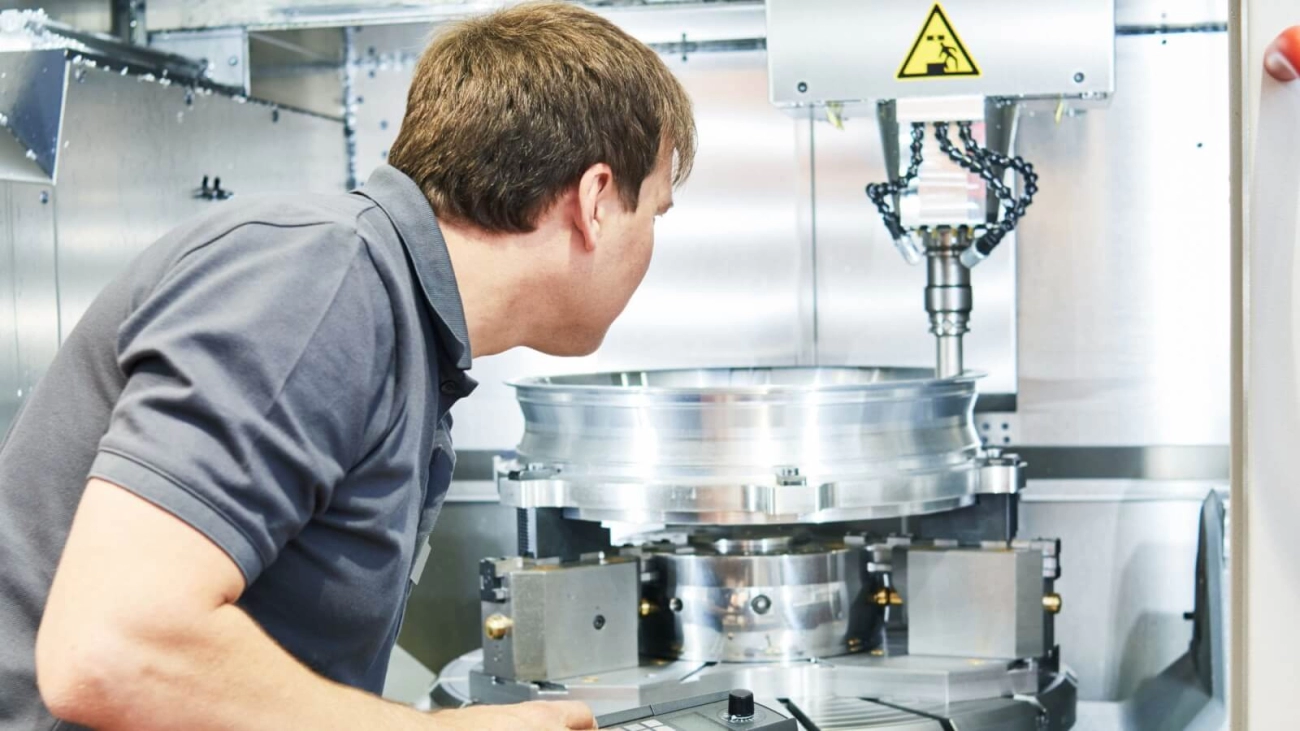
CNC machining plays a vital role across diverse industries, delivering precision and efficiency where it counts most. Here’s a quick look at how various sectors rely on CNC technology:
-
Aerospace: CNC machines produce critical components like turbine blades and structural parts with tight tolerances and complex geometries. These parts must meet stringent safety and performance standards, which is why precision CNC machining is essential. For detailed insight into aerospace-grade components, check out our aerospace machining components manufacturer services.
-
Automotive: From engine blocks to transmission parts, CNC machining ensures durable, high-quality components that withstand demanding operating conditions. The ability to rapidly prototype and mass-produce parts helps automotive manufacturers stay competitive.
-
Medical: CNC is key for producing implants, surgical instruments, and other medical devices with exacting specifications. Biocompatible materials often require specialized machining processes to maintain integrity and functionality.
-
Defense and Electronics: Precision is critical for defense hardware and electronic enclosures, where reliability can be a matter of safety. CNC machining handles custom components that meet rigorous specifications.
-
Consumer Goods: From household appliances to sports equipment, CNC machining allows the production of complex parts at scale with consistent quality.
These applications highlight CNC’s versatility and critical role in manufacturing today. Whether creating high-precision aerospace parts or durable automotive components, CNC offers unmatched accuracy and efficiency across sectors.
Limitations and Challenges of CNC

While CNC machining offers incredible precision and efficiency, it does come with some limitations and challenges that manufacturers in the U.S. should consider:
-
High Initial Machine Cost: CNC machines, especially multi-axis setups, require significant upfront investment. This can be a barrier for startups or small shops wanting to compete on tight budgets.
-
Skilled Programming Required: CNC machining depends heavily on experienced programmers who can write and optimize G-code. Without skilled operators, it’s tough to unlock the full potential of CNC.
-
Tool Wear Management: Even with automation, cutting tools wear over time and need regular monitoring and replacement. Poor tool management can lead to errors, poor finishes, or machine downtime.
Overall, while CNC technology advances rapidly, managing these challenges ensures consistent quality and cost-effective production.
For insight on machining processes that complement CNC, check out our detailed guide on wire EDM vs traditional machining.
The Future of CNC – Trends to Watch in 2026-2030
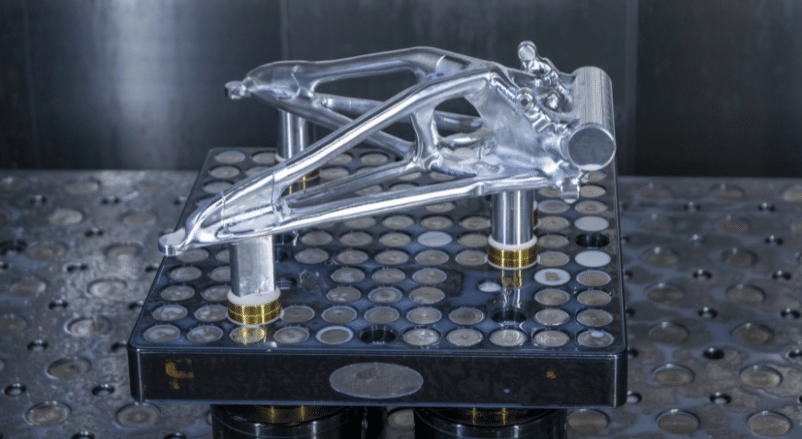
CNC technology is evolving fast, and the next five years will bring some game-changing trends. One major shift is AI-driven adaptive control, where machines automatically adjust cutting speeds and tool paths in real-time to optimize efficiency and quality. This means fewer errors and less waste without constant human oversight.
Another exciting development is the rise of hybrid additive + CNC systems. These combine 3D printing with traditional subtractive machining in one setup. This hybrid approach lets manufacturers create complex parts layer-by-layer, then finish them with precision CNC cutting—ideal for lightweight aerospace components and intricate medical implants.
Digital twins—virtual models of CNC machines and production lines—are gaining traction for predictive maintenance. By monitoring machine health before issues arise, downtime is minimized and maintenance is smarter, not reactive.
Lastly, expect to see greater automation and collaborative robots (cobots) working alongside CNC machines. Cobots handle material loading and unloading, freeing up skilled operators for programming and quality control. This blend of human and robot teamwork boosts productivity while maintaining flexibility.
Keeping up with these trends ensures your manufacturing stays competitive, efficient, and ready for future demands. For a closer look at how modern CNC machining works and its latest capabilities, check out our detailed guide on how CNC machining works.
Why Choose MS Machining as Your CNC Partner
When it comes to CNC machining, you want a partner with proven skill and reliability. MS Machining stands out with over 20 years of precision experience serving diverse U.S. industries. Here’s why we’re a top choice:
| Feature | What It Means for You |
|---|---|
| AS9100 & ISO 9001 Certified | Guaranteed quality standards for aerospace, medical, and more |
| 3-/4-/5-Axis CNC + Swiss Turning | Handles complex parts with tight tolerances and intricate geometries |
| Rapid Prototyping to High-Volume Production | Flexibility to scale from one-off samples to thousands of parts efficiently |
| Free DFM Feedback & Quotes in 24 Hours | Early design advice saves time and cost; quick turnaround on estimates |
Our capabilities cover everything from detailed aerospace components to precision medical devices, such as those detailed in our medical manufacturing devices and equipment solutions. We combine cutting-edge CNC technology with hands-on expertise to ensure your parts meet exact specifications and arrive on time.
Choose MS Machining for consistent quality, fast communication, and manufacturing solutions built around your needs. Let’s bring your project to life with precision you can count on.