Why Titanium Excels in Medical and Aerospace Applications
Why do engineers keep choosing titanium?
In both medical devices and aerospace components, you need metals that are light, strong, and reliable under real-world stress. That’s exactly where precision titanium CNC machining and DMLS titanium parts shine.
Strength-to-Weight Advantages for Aerospace
For aircraft and spacecraft, every pound matters.
Key benefits of aerospace titanium components:
High strength-to-weight ratio – ideal for lightweight aerospace brackets, titanium engine components, and structural parts
Less mass, same or higher strength compared to many steels and nickel alloys
Enables fuel savings, higher payload, and better performance
Property
Titanium (Ti-6Al-4V)
Stainless Steel (304)
Aluminum (7075)
Density (g/cm³)
~4.4
~8.0
~2.8
Yield Strength (MPa)
~880
~215–275
~500–550
Strength-to-Weight
Excellent
Moderate
Good
We use this advantage daily when we design and machine topology-optimized titanium aerospace components using 5-axis titanium machining and additive manufacturing titanium workflows.
Corrosion Resistance and Biocompatibility in Medical
For implants, “safe in the body” is non-negotiable.
Why medical grade titanium machining is the standard:
Excellent corrosion resistance in body fluids and saline environments
Biocompatible titanium alloys that work with human tissue, not against it
Strong track record in titanium orthopedic implants, spinal titanium hardware, dental titanium components, and titanium surgical instruments
These properties make titanium a go-to choice for FDA-compliant titanium implants and medical device titanium solutions that must last decades in the body.
Fatigue Strength and Thermal Stability
Aerospace and medical parts don’t just need static strength—they must survive millions of cycles and extreme temperatures.
What titanium delivers:
High fatigue strength – critical for fatigue-resistant titanium bone plates, spinal rods, and engine brackets
Thermal stability – holds mechanical properties at elevated temperatures
Performs reliably in high-temperature titanium alloys used in engine zones and demanding surgical instruments
For us, this means we can confidently design high-strength titanium parts that maintain performance under long-term vibration, loading, and temperature swings.
Grade Comparison: Ti-6Al-4V Grade 5 vs Grade 23 ELI
The two workhorse grades for CNC machining and direct metal laser sintering titanium are Ti-6Al-4V Grade 5 and Ti-6Al-4V Grade 23 ELI.
Grade 5 is our default for aerospace grade titanium machining, precision titanium milling, and titanium turning services.
Grade 23 ELI is our choice for medical grade titanium machining where fracture toughness and biocompatibility margin are critical.
How Titanium Properties Affect CNC Machining and DMLS
Those same properties that make titanium attractive also affect how we manufacture it.
Impact on precision titanium CNC machining:
Low thermal conductivity → heat stays at the cutting zone, increasing tool wear
Tendency to work harden → requires controlled feeds and sharp tooling
Elasticity and springback → tighter process control for titanium tolerance control
Impact on DMLS titanium parts:
Laser energy sensitivity demands precise process windows to avoid porosity and residual stress
Microstructure and cooling rates impact fatigue; we adjust titanium build orientation and titanium support structure design to manage this
Post-processing (heat treatment + CNC post-processing for DMLS parts) is critical for consistent performance
Because we run both integrated CNC and DMLS solutions, we match material grade, manufacturing route, and post-processing to your application—whether that’s traceable titanium components for ISO 13485 medical devices or AS9100-certified aerospace titanium components.
Precision Titanium CNC Machining Fundamentals
Precision titanium CNC machining is all about taking solid titanium bar, plate, or billet and cutting it down into high-accuracy parts using computer-controlled mills and lathes. With the right programming and fixturing, we hold tight tolerances, clean edges, and consistent quality on everything from small titanium screws to complex medical and aerospace components.
3-axis titanium machining – Great for simpler prismatic parts, brackets, and plates.
4-axis titanium machining – Adds rotary motion for features around the part, reducing setups.
5-axis titanium machining – Ideal for complex titanium parts with organic shapes, undercuts, and tight features; we can reach more faces in a single setup, which boosts accuracy and repeatability.
This is how we keep precision high and setups low on complex aerospace and medical titanium parts.
Tight tolerances and complex titanium geometries
With rigid machines, proper workholding, and proven process control, we routinely hit:
Tolerances in the ±0.0005″ range on critical features
True position control for mating parts
Clean transitions on complex 3D contours and pocketing
5-axis titanium machining lets us blend complex surfaces and maintain consistent wall thickness, which is key for high-strength, lightweight structures and precision medical devices.
Titanium CNC machining challenges
Titanium doesn’t cut like aluminum or mild steel. We plan our process around issues like:
Heat buildup – Titanium holds heat in the cutting zone, which can damage tools and the part.
Tool wear – Tools dull faster, especially at high speeds or with poor coolant delivery.
Work hardening – If feeds and speeds are wrong, the surface hardens and gets even harder to cut.
Deflection – Thin walls and long, slender features can flex, hurting tolerance and surface finish.
These are the same kinds of challenges we manage when we handle demanding metals like hardened steels, similar to the approach used in specialized hardened steel machining services.
Best practices for titanium milling and turning
To keep titanium machining stable and repeatable, we focus on:
Tooling – High-quality carbide tools, rigid holders, and short stick-out
Coolant – High-pressure, flood coolant aimed at the cutting edge to remove heat and chips
Feeds and speeds – Lower surface speeds, higher chip loads, and consistent engagement to avoid rubbing
Toolpaths – Constant-chip-load strategies, trochoidal milling, and smooth entry/exit moves
Turning setups – Sharp inserts, stable clamping, and controlled depth of cut to avoid chatter
This allows our titanium milling and titanium turning services to hit demanding tolerances without burning through tools or parts.
When CNC machining is the right titanium process
We recommend precision titanium CNC machining when:
You need tight tolerances and critical fits (bearing seats, screw interfaces, sealing surfaces)
Volumes are low to mid and flexibility is important
The design uses standard or semi-complex geometries where a subtractive process is more efficient
You want known, fully dense material properties with clean surface finishes and sharp edges
You’re moving from prototype to production and need repeatable, certifiable parts
For many U.S. OEMs in medical and aerospace, CNC machining remains the most reliable, cost-effective way to get precision titanium parts into service quickly and with full documentation. If you’re ready to discuss a titanium project or need help choosing between machining and other processes, you can reach out through our contact page at MS-Machining.
DMLS Titanium Additive Manufacturing Basics
How DMLS Works for Titanium Parts
Direct Metal Laser Sintering (DMLS) lets me build titanium parts layer by layer from metal powder instead of cutting from solid stock.
Simple breakdown:
Step
What Happens
1
Thin layer of Ti-6Al-4V or medical grade titanium powder is spread
2
Laser selectively melts the powder per CAD slice
3
Build plate drops, next layer is added
4
Process repeats until the titanium part is complete
5
Part is removed, supports are cut, then CNC post-processing if needed
This process is ideal for precision titanium CNC machining plus DMLS workflows, especially when you need complex geometries fast.
Benefits of DMLS Titanium Parts
DMLS titanium parts give you design freedom that traditional titanium CNC machining can’t touch:
Organic, topology-optimized shapes without tooling
Titanium lattice structures for weight reduction and energy absorption
Internal channels and cooling passages impossible to machine
Near-net-shape titanium parts that need only light CNC finishing
For aerospace programs, this is huge when you’re looking at lightweight aerospace brackets and complex DMLS aerospace components. For medical, we can create porous titanium implants tailored to bone growth.
If you’re exploring advanced geometries, this aligns well with what we already do for rapid prototyping and complex CNC work for the aircraft industry.
Material Options for DMLS Titanium
I focus on proven, high-performance titanium powders:
Material
Typical Use
Ti-6Al-4V Grade 5
Aerospace titanium components, brackets, housings
Ti-6Al-4V ELI (Grade 23)
Medical grade titanium machining, orthopedic implants
These biocompatible titanium alloys meet the bar for both medical device titanium solutions and demanding aerospace needs.
Surface Finish, Accuracy & Post-Processing
Raw DMLS titanium parts come out strong but need finishing to hit tight specs:
As-built roughness: ~Ra 150–250 µin (5–6.3 µm) on most surfaces
Accuracy: typically ±0.003–0.005 in (±0.08–0.13 mm), tighter with process tuning
Post-processing options:
Heat treatment / stress relief
Support removal
CNC post-processing for DMLS parts (milling, drilling, turning)
Shot peen, bead blast, polishing, machining of sealing and mating faces
This combo gives you the best of precision titanium CNC machining and additive: complex forms plus tight tolerance control.
When DMLS Beats Traditional Machining
I recommend direct metal laser sintering titanium over pure subtractive machining when:
You need high-strength titanium parts with:
Extreme weight reduction
Complex internal channels
Custom or patient-specific geometries
Tooling costs or fixturing for machining are too high
You’re iterating designs and want titanium rapid prototyping
Cutting from billet would produce excessive scrap titanium
For aerospace titanium components, additive manufacturing titanium wins on topology optimization, fuel-saving brackets, and integrated features. For medical, DMLS is ideal for porous structures that boost osseointegration, then we bring in precision titanium milling and titanium turning services to finish critical interfaces.
Hybrid Titanium CNC Machining and DMLS Solutions
Hybrid titanium manufacturing combines precision titanium CNC machining with DMLS titanium additive manufacturing in one connected workflow. I use DMLS to build near-net-shape Ti-6Al-4V parts with internal channels, lattice structures, and organic geometries, then finish them with 5-axis titanium machining for tight tolerances, clean interfaces, and critical sealing surfaces.
What Hybrid Additive–Subtractive Really Means for Titanium
In a hybrid setup, I:
Print near-net-shape titanium parts with direct metal laser sintering (DMLS)
Leave machining stock only where I need precision fits or smooth surfaces
Come back with precision titanium milling and turning to hit final specs
This cuts raw material use dramatically compared with machining titanium from billet and helps control heat-affected zones and surface integrity at the same time.
Cutting Waste and Lead Time
Hybrid titanium workflows are built for speed and cost control:
Less scrap: DMLS builds only what’s needed; CNC removes minimal stock
Faster iteration: I can tweak a DMLS build and re-machine only critical areas
Shorter ramp to production: One process chain from titanium rapid prototyping to low-rate and then full-rate production
For teams already using advanced CNC, integrating additive is a natural extension of modern CNC machining workflows rather than a replacement.
Better Mechanical Performance with Combined Processes
By combining additive manufacturing titanium with CNC post-processing, I can:
Control surface finish in high-stress zones to improve fatigue life
Manage support removal and residual stress through strategic machining
Tighten tolerance control on critical bores, interfaces, and bearing seats
Improve consistency across runs for aerospace and medical programs
The result is high-strength titanium parts with optimized weight and reliable, certifiable performance.
Real-World Hybrid Titanium Use Cases
Some practical hybrid titanium CNC machining and DMLS solutions I support:
Aerospace
Topology-optimized lightweight aerospace brackets printed in DMLS, then 5-axis machined at interfaces for bolt patterns and mounting faces
Complex titanium engine components with internal cooling channels built additively, finished by CNC for sealing surfaces and alignment features
Medical
Porous titanium implants (hip, knee, spinal cages) printed with bone-friendly lattice structures, then CNC finished for precision fits and smooth joint surfaces
Dental titanium components and titanium surgical instruments with DMLS features combined with machined grip areas and connection points
This hybrid approach lets me deliver custom titanium prototypes fast and then scale to production with the same integrated titanium CNC and DMLS process chain.
Aerospace Titanium CNC Machining and DMLS Applications
Precision Titanium Aerospace Components
For aerospace programs in the U.S., I rely on precision titanium CNC machining and DMLS titanium parts to hit strict weight, strength, and certification targets. Typical aerospace titanium components we support include:
Swapping steel or nickel brackets for lightweight aerospace titanium brackets cuts mass without losing strength. Across an airframe, that weight reduction:
Improves fuel efficiency and range
Increases payload capacity
Helps meet aggressive emissions targets
Using topology optimization and titanium lattice structures, we remove every unnecessary gram while keeping stiffness exactly where it’s needed.
High-Temperature and Fatigue Performance
For engines and hot zones, high-temperature titanium alloys and fatigue-resistant titanium are essential. With the right machining and heat management strategies, we deliver:
Stable performance at elevated temperatures
Long fatigue life under cyclic loading
Reliable performance for rotating and structural parts
Our titanium CNC machining services focus on surface integrity and precise geometry so these parts survive long-term flight cycles.
AS9100 Titanium Manufacturing
To support aerospace OEMs and tier suppliers, we work within AS9100 titanium manufacturing frameworks:
Controlled processes for aerospace grade titanium machining
Full material certs and lot traceability
Documented process control and risk management
This reduces supplier risk and makes it easier for engineering and quality teams to approve and qualify new titanium designs.
DMLS for Topology-Optimized Aerospace Parts
Direct metal laser sintering titanium (DMLS) lets us produce topology-optimized aerospace titanium components that are impossible to machine from solid:
Internal cooling channels in titanium engine hardware
Complex brackets with organic, weight-saving geometries
Consolidated multi-part assemblies into one printed part
We then use CNC post-processing for DMLS parts where needed to tighten critical fits and finishes.
From Prototype to Certified Production
For aerospace programs, we typically:
Start with titanium rapid prototyping using DMLS or quick-turn CNC.
Validate form, fit, and function with engineering teams.
Shift to custom precision titanium machining and refined DMLS parameters for low-rate initial production.
Lock in titanium tolerance control, inspection, and documentation for certified volume runs.
By keeping integrated CNC and DMLS solutions under one roof, we shorten the path from first prototype to fully certified, flight-ready titanium components.
Medical Titanium CNC Machining and DMLS Applications
When it comes to medical devices, I rely on precision titanium CNC machining and DMLS titanium parts to hit the tight tolerances and safety standards U.S. OEMs expect.
Common Medical Titanium Components
We machine and print a wide range of medical grade titanium components, including:
Titanium orthopedic implants (plates, screws, hip and knee components)
These parts demand consistent quality, precise geometry, and full lot traceability from raw bar or powder to finished device.
Biocompatible Alloys and Osseointegration
For medical grade titanium machining, I typically use biocompatible titanium alloys like Ti-6Al-4V ELI (Grade 23). They offer:
Excellent biocompatibility and corrosion resistance
Proven osseointegration performance for long-term implants
Strong mechanical properties with good fatigue resistance
That combination is why titanium remains the go-to material for FDA-compliant titanium implants in the U.S. market.
DMLS Porous Structures for Better Bone In-Growth
With direct metal laser sintering titanium, I can build:
Porous titanium implants that mimic cancellous bone
Lattice structures to promote bone in-growth and reduce stiffness mismatch
Integrated features like patient-specific geometries and internal channels
DMLS gives design freedom you simply can’t get with traditional machining alone, especially for complex orthopedic and spinal devices.
CNC Finishing for Precision Fits and Surface Quality
Even with advanced additive manufacturing, CNC post-processing for DMLS parts is critical:
5-axis titanium machining for precise mating surfaces and connection interfaces
Tight tolerance control on tapers, threads, and joint surfaces
Controlled surface finishing for articulating surfaces and critical contact areas
We use the same type of workflows we apply in our high-speed CNC machining services to keep lead times tight while holding medical-grade accuracy.
Regulatory Compliance and Clean Manufacturing
For U.S. medical programs, I build titanium manufacturing around:
ISO 13485 titanium manufacturing practices
Processes that support FDA submissions and validations
Documented titanium CMM inspection, in-process checks, and final verification
Full traceable titanium components from material certs through final lot release
Controlled cleanliness, handling, and packaging to protect implant surfaces
This combination of precision titanium CNC machining, additive manufacturing titanium, and strict quality control lets me support demanding medical device titanium solutions from prototype through full production.
Technical Challenges in Titanium CNC Machining and DMLS
Precision titanium CNC machining and DMLS titanium parts both come with real technical headaches. We solve them by focusing on heat control, stability, and repeatable quality from prototype to production.
Material Behavior in Titanium Machining & DMLS
Titanium behaves very differently from aluminum or steel:
Low thermal conductivity → heat stays at the cutting zone or laser spot
High strength at temperature → aggressive cutting or scanning can cause rapid tool wear and microcracks
Reactivity → in DMLS, oxygen pickup can ruin mechanical properties
This is why precision titanium CNC machining and direct metal laser sintering titanium demand tight process control and clean environments.
Managing Heat, Vibration, and Distortion in CNC
On the CNC side, heat and movement are the enemy of tight tolerance titanium parts:
Use rigid setups and short tool overhangs to cut vibration
Run conservative surface speeds with higher feeds to reduce rubbing and work hardening
Apply high-pressure, flood coolant directly at the cutting edge
Rough in stages and finish with light passes to keep distortion down
Avoiding Residual Stress and Defects in DMLS Titanium
For DMLS titanium parts, stress and defects are the main risks:
Residual stresses from rapid heating/cooling can cause warping or cracking
Poor parameter control can lead to:
Lack of fusion
Porosity
Inconsistent microstructure
We manage this with:
Validated scan strategies and layer thickness
Preheat settings tuned for Ti-6Al-4V machining and printing
Mandatory stress-relief heat treatment and controlled cooling
Surface Integrity, Microstructure, and Fatigue
For both CNC and DMLS aerospace titanium components and medical parts, surface and microstructure directly affect fatigue life:
Avoid aggressive re-cutting of chips that can smear or burnish the surface
Use sharp, coated tools to reduce tearing and surface damage
For DMLS, follow with CNC post-processing on critical interfaces to:
Remove surface defects
Control Ra/Rz values
Improve fatigue performance
Support Structures and Build Orientation in DMLS
Build strategy makes or breaks additive manufacturing titanium jobs:
Choose build orientation to:
Minimize supports
Reduce overhang risk
Align layers with primary load paths
Design supports for:
Easy access
Clean removal
Minimal scarring in critical regions
We often reverse-engineer or re-orient existing designs, similar to our structured approach in this reverse engineering and design process to cut down on support-related rework.
Reducing Scrap and Rework in Titanium Manufacturing
Titanium is too expensive to waste. To keep scrap and rework low in titanium CNC machining services and DMLS:
Lock in process windows with small DOE test runs
Use in-process probing and monitoring to catch drift early
Standardize toolpaths, feeds, and speeds for each titanium grade
Implement feedback loops from inspection back into CAM and build parameters
This is how we keep precision titanium CNC machining, DMLS titanium parts, and hybrid workflows predictable, cost-effective, and ready for tight U.S. aerospace and medical requirements.
Quality Control and Certifications for Precision Titanium CNC Machining & DMLS
Dimensional Inspection for Titanium Parts
On precision titanium CNC machining and DMLS jobs, we lock in dimensions from day one:
CMM inspection for critical aerospace titanium components and medical implants
In-process checks at the machine to catch drift before it becomes scrap
Final inspection reports with full dimensional layouts and tolerance verification
For customers who want a deeper dive into how tight-tolerance CNC works, I often point them to this overview of CNC precision machining fundamentals, which aligns closely with how we manage titanium projects.
NDT for Aerospace & Medical Titanium Components
For high-value titanium parts, we rely on non-destructive testing (NDT) to verify internal quality without hurting the part:
X-ray / CT scanning for DMLS titanium parts with internal channels and lattice structures
Dye penetrant and fluorescent penetrant for surface-breaking flaws on titanium engine components and surgical tools
Ultrasonic testing for structural aerospace titanium components and thick sections
These methods help us confirm integrity on both CNC machined and direct metal laser sintering titanium builds.
Material Certification, Traceability & Documentation
Every medical and aerospace titanium job we ship is fully traceable:
Mill certs and material certificates for Ti-6Al-4V Grade 5, Grade 23 ELI, and other biocompatible titanium alloys
Lot and heat number traceability from raw bar or powder through final titanium orthopedic implants or aerospace brackets
Controlled documentation workflows tied to work orders, inspection data, and special processes
You get a clean paper trail that supports FDA submissions, PPAPs, and customer audits.
AS9100 & ISO 13485 for Titanium CNC & DMLS
We build our titanium CNC machining services and additive manufacturing titanium workflows around aerospace and medical standards:
AS9100-driven controls for aerospace titanium components, from risk management to configuration control
ISO 13485-compliant processes tailored to medical grade titanium machining, DMLS implants, and surgical instruments
These systems standardize how we plan, machine, inspect, and release parts so quality is repeatable, not accidental.
Validating Titanium DMLS for Repeatability
For DMLS titanium parts, we don’t just “print and hope”:
Process validation and PQ runs to lock in build parameters for each titanium alloy
Statistical monitoring of key dimensions, density, and mechanical properties
Routine powder control and machine calibration to keep each lot consistent
Once a DMLS titanium process is validated, you can rely on the same results build after build.
Lower Risk for OEMs and Engineers
A strong quality system around precision titanium milling, 5-axis titanium machining, and DMLS pays off directly for your team:
Fewer surprises in testing and verification
Lower scrap and rework on complex titanium parts
Faster approvals because documentation, inspection, and certifications are already in place
If you’re designing precision titanium parts and need a quick refresher on how modern CNC workflows support that, this guide to the best introduction of CNC machining gives a solid baseline that mirrors how we approach titanium projects at scale.
Choosing a Partner for Precision Titanium CNC Machining and DMLS
Key capabilities to look for
When you’re picking a partner for precision titanium CNC machining and DMLS titanium parts, you want a shop that can actually deliver, not just quote:
True 5-axis titanium machining with experience in thin walls, deep pockets, and complex contours
Proven Ti-6Al-4V machining for both Grade 5 and Grade 23 ELI
In-house CNC milling and turning backed by modern inspection (CMM, in-process gauging)
Dedicated additive manufacturing titanium capacity (DMLS) with validated parameters
Strong quality system aligned with AS9100 and ISO 13485 expectations
A shop that already runs tight-tolerance work like precision CNC milling parts is usually better set up for demanding titanium jobs.
Experience in medical and aerospace titanium
For U.S. customers in medical and aerospace, experience is non‑negotiable. You want a partner that can show:
History with titanium orthopedic implants, spinal titanium hardware, dental titanium components, and titanium surgical instruments
Track record on aerospace titanium components like brackets, housings, and engine hardware
Familiarity with FDA‑compliant titanium implants, ISO 13485, and AS9100 titanium manufacturing
Sample parts, case studies, and process documentation—not just a capability list
Prototyping, DFM, and engineering support
A strong titanium partner helps you get the design right before you lock it in:
Fast titanium rapid prototyping via DMLS and CNC
Design for manufacturability (DFM) feedback to cut cost and risk
Guidance on when to use additive manufacturing titanium vs. traditional machining
Support for CNC post‑processing for DMLS parts (tolerance-critical surfaces, threads, sealing faces)
Scaling from prototype to production
You don’t want to switch vendors mid‑program. Look for:
Ability to go from custom titanium prototypes to steady production runs
Flexible setups for low, medium, and high volumes
Stable titanium CNC machining services with repeatable processes and fixtures
Capacity planning so your lead times don’t blow up once volumes increase
Lead times, cost drivers, and budget control
A good U.S. titanium shop is transparent about what drives cost:
Material choice (Ti-6Al-4V, ELI, specialty alloys) and stock sizes
Part complexity, tolerances, and required titanium surface finishing
Inspection and non-destructive testing titanium requirements
Converting from full machining to near-net-shape titanium parts via DMLS
Consolidating assemblies into a single topology-optimized part
Using standard features where possible to speed machining and reduce tool wear
Shops that already manage complex CNC turning and milling workflows often bring better insight into real-world cost tradeoffs.
Value of an integrated CNC + DMLS provider
An integrated titanium CNC and DMLS partner is a long-term asset, especially for U.S. medical device and aerospace OEMs:
One team handling hybrid additive subtractive manufacturing from concept through production
Seamless transition from printed DMLS aerospace components or porous titanium implants to CNC-finished, inspection-ready parts
Unified titanium tolerance control, documentation, and traceable titanium components for audits and regulatory reviews
Fewer handoffs, less finger-pointing, and a partner that understands your full program, not just single parts
That’s the type of partner I build around: end-to-end integrated CNC and DMLS solutions that support your titanium programs for years, not just one PO.

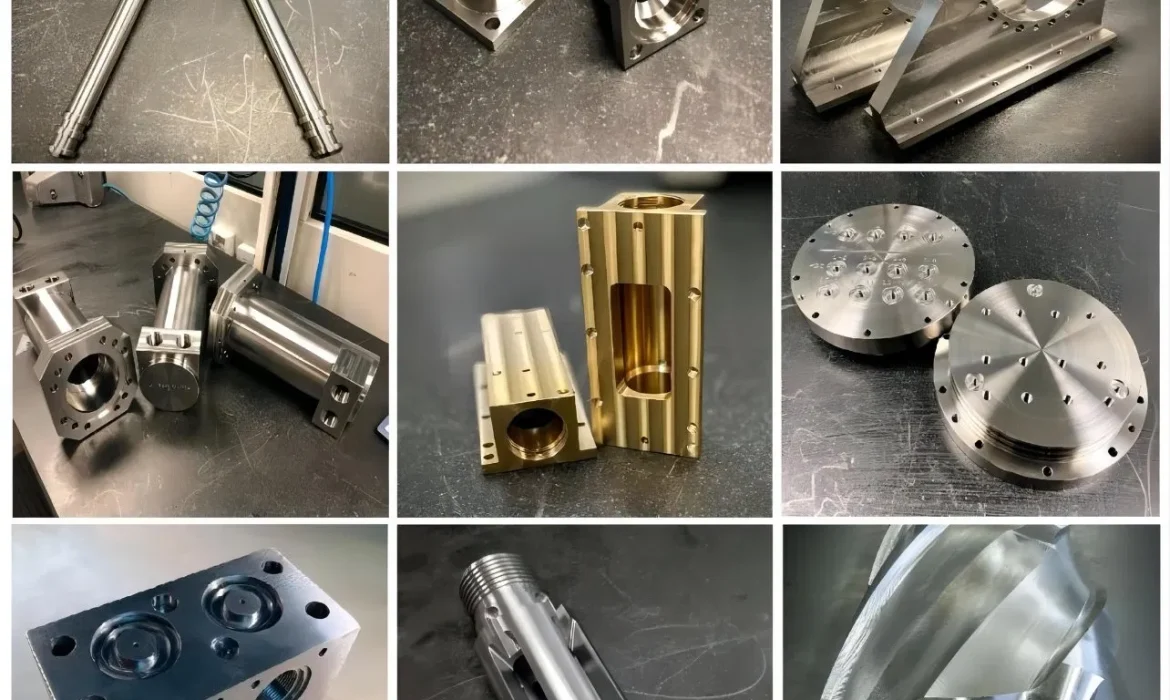
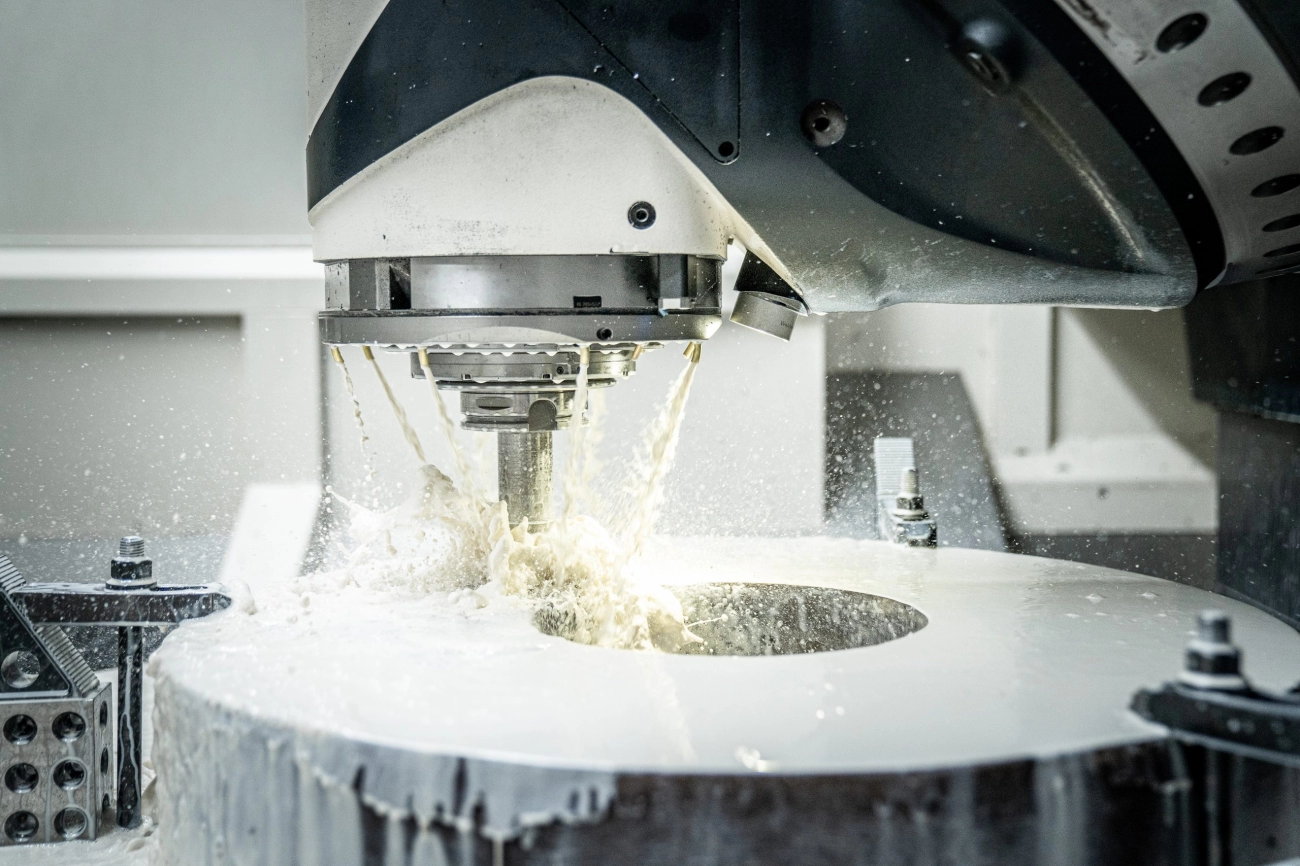
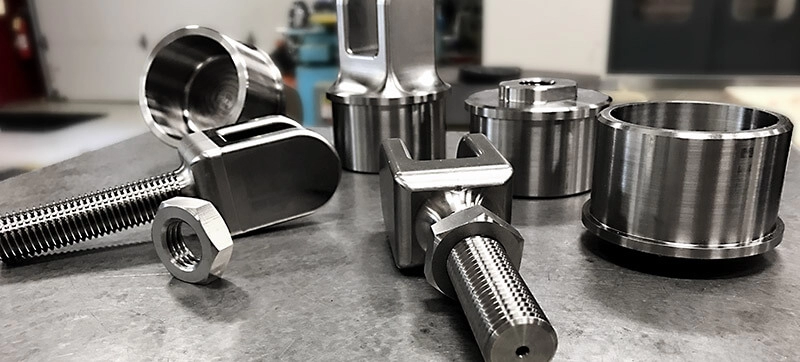 Precision titanium CNC machining and DMLS titanium parts both come with real technical headaches. We solve them by focusing on heat control, stability, and repeatable quality from prototype to production.