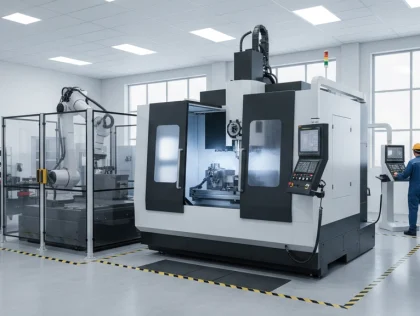
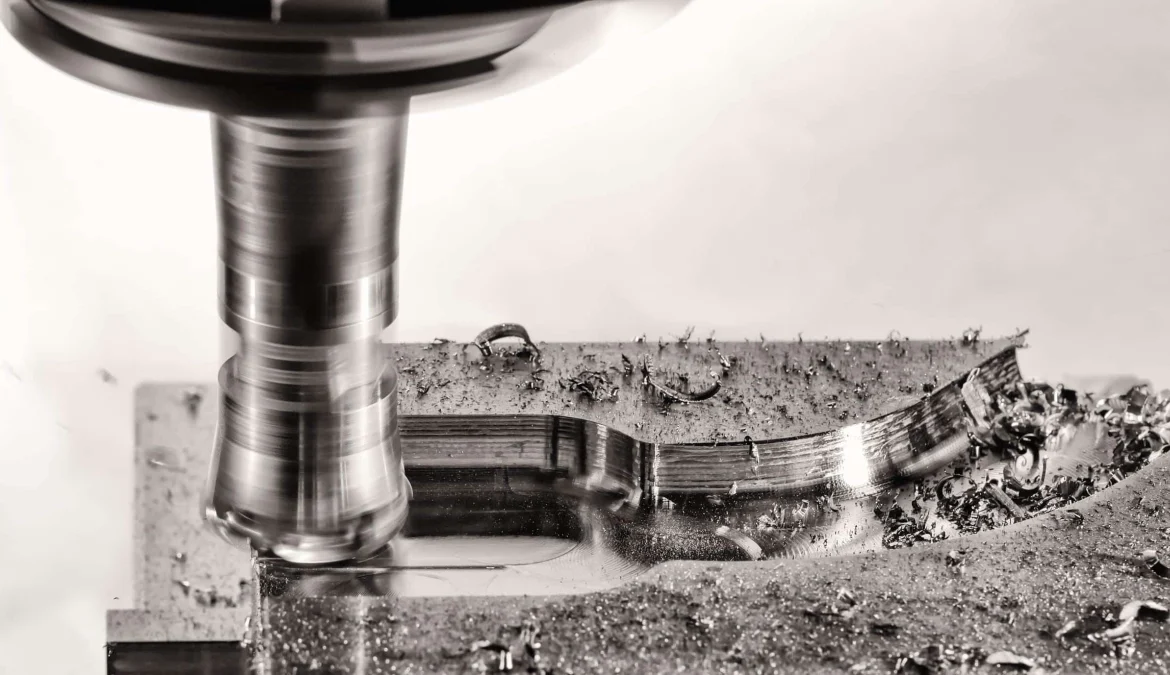
If you’re searching for a milling machine with CNC, you already know this isn’t just any old manual mill. CNC milling machines have revolutionized how we shape metal, wood, and plastics—from hobbyist workshops to full-scale production floors. In the past five years, demand for these machines has skyrocketed, thanks to faster prototyping, small-batch manufacturing, and the ever-growing maker movement.
Whether you’re a startup owner, a job shop operator, or a serious hobbyist, understanding the ins and outs of CNC mills is crucial before you invest. What’s the real difference between a manual and a CNC milling machine? How do 3-axis mills stack up against their 5-axis counterparts? What specs matter most for your projects and budget?
By the time you finish this guide, you’ll not only grasp the key benefits of CNC milling machines, but you’ll also be ready to pick the best model for your needs in 2025. Let’s cut through the noise and get you the right machine for the job.
CNC Milling Machine Basics – How They Actually Work
If you’re wondering how a CNC milling machine actually works, here’s the deal: it’s basically a computer-controlled tool that cuts and shapes metal or other materials with precision. Unlike a manual mill, where you turn handles and adjust settings by hand, CNC mills follow exact instructions from a computer program.
Manual Milling vs CNC Milling
| Feature | Manual Milling | CNC Milling Machine |
|---|---|---|
| Control | Operator moves the tool manually | Computer controls all movements |
| Precision | Depends on operator skill | High, repeatable accuracy |
| Speed | Slower due to manual handling | Faster, automated cutting |
| Complexity | Limited to simple shapes | Can handle complex, 3D parts |
| Learning Curve | Hands-on skill needed | Programming knowledge required |
Core Components of a CNC Milling Machine
- Spindle: The motor that spins the cutting tool at various speeds (measured in RPM). It’s the heart of the mill.
- Axes: Most machines move the tool or table along X, Y, and Z directions. More axes mean more freedom to cut complex shapes.
- Controller: The “brain” that reads G-code & tells the spindle and axes where to go.
- Work Envelope: The maximum size your machine can work on—basically, the cutting area.
- Tool Changer: Automatically swaps cutting tools during operations, boosting efficiency.
G-code & CAD/CAM Workflow in Simple Terms
- You start with a design in a CAD (Computer-Aided Design) program.
- Use CAM (Computer-Aided Manufacturing) software to turn that design into G-code—a set of instructions your CNC mill understands.
- The controller reads the G-code, moves the spindle and axes accordingly, and voilà—your part gets cut with precision.
In short, CNC milling takes care of the hard, repetitive parts so you can focus on design and production. It’s like having a super-smart assistant who never gets tired or bored.
3-Axis vs 4-Axis vs 5-Axis – Which Do You Really Need?
Choosing between a 3-axis, 4-axis, or 5-axis CNC milling machine depends largely on what you plan to make and your budget. Here’s the lowdown.
3-Axis CNC Mills are the workhorses for most users—about 90% will find these sufficient. They move the cutting tool in X, Y, and Z directions and handle everything from basic parts to moderately complex shapes. They’re simpler, more affordable, and easier to program, making them ideal for small shops, hobbyists, or straightforward metal milling.
4-Axis Machines add rotation around the X-axis (often called the A-axis), allowing you to work on different sides of a part without removing it from the machine. This improves efficiency, especially for parts with features that wrap around a cylinder or require indexing. It’s a step up in price and complexity but worthwhile if your projects demand it.
5-Axis Milling Machines add two more rotational axes (usually A and B), which means the tool can approach the workpiece from almost any angle. This capability is essential for highly complex, contoured parts found in aerospace, automotive, and medical industries. The trade-off is a significant cost jump and a steeper learning curve.
Which one to pick?
- Stick with a 3-axis if you’re making mostly flat or prismatic parts or are just starting out.
- Consider a 4-axis for projects needing around-the-part machining without manual repositioning.
- Invest in a 5-axis if you handle complex geometries or high-precision components regularly.
Each step up brings more versatility but also more money and programming time. For most users, a solid 3-axis CNC milling machine offers the best balance of cost, capability, and ease of use. For specialized jobs, exploring 4-axis or 5-axis options can pay off, assuming you’re ready for the added complexity and investment.
If your projects involve rotational work or require specialized 4-axis capabilities, check out dedicated resources on 4-axis CNC machining services to understand the benefits in detail.
Benchtop & Desktop CNC Mills (Under 4×4 ft Footprint)
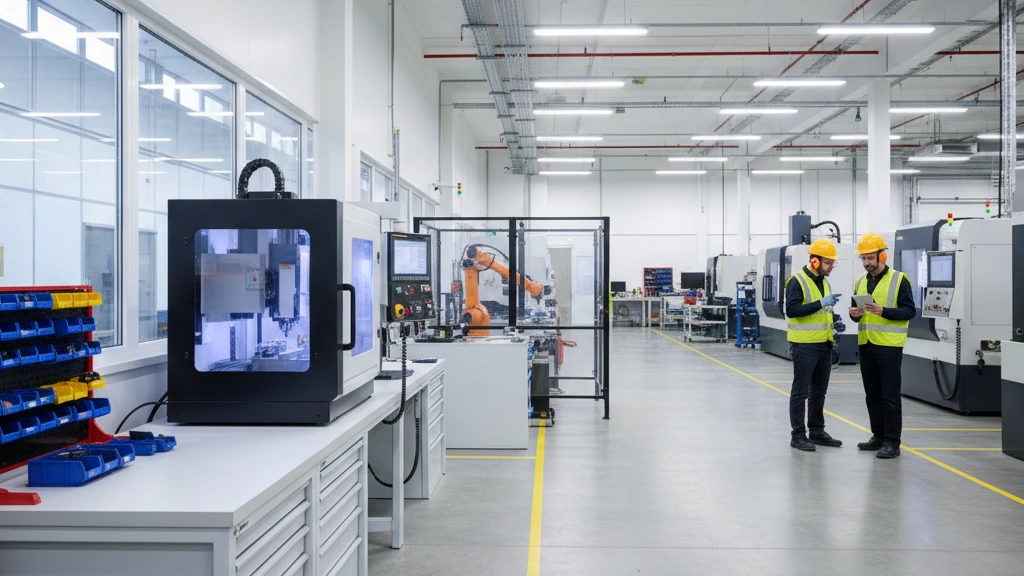
Benchtop and desktop CNC milling machines are designed to fit in tight spaces—usually under a 4×4 ft footprint. These compact mills are perfect for garages, apartments, makerspaces, and small businesses where space is limited but precision machining is still needed.
Top 2025 Benchtop CNC Models Compared
| Model | Price Range | Work Area (X×Y×Z in inches) | Spindle Power (HP) | Notes |
|---|---|---|---|---|
| Tormach PCNC 440 | $7,000-$9,000 | 10×6.25×16 | 1.7 | Great for hobbyists, versatile |
| Syil X7 | $7,500-$8,500 | 12×7×14 | 1.5 | Compact, user-friendly |
| DN Solutions Ares | $3,500-$6,000 | 8×5×5 | 0.75 | Budget-friendly, light jobs |
| Pocket NC V2-50X | $18,000-$20,000 | 3.94×2.5×2.5 | 0.5 | 5-axis capabilities, very compact |
| MS Machining Mini Mill | $6,000-$8,000 | 9×6×7 | 1.2 | European linear guides, reliable |
Honest Pros and Cons of Compact CNC Mills
Pros:
- Fit in small spaces like home workshops and small offices.
- Lower initial costs, making CNC milling more accessible.
- Easier setup and maintenance compared to full-size machines.
- Great for prototyping, hobby projects, and small batch production.
- Reduced power consumption and noise.
Cons:
- Limited work envelope; larger parts require multiple setups or bigger mills.
- Lower spindle power, so less suitable for heavy metals or deep cutting.
- Often less rigid than industrial machines—can affect finish quality and tool life.
- Smaller tool changers or even manual tool swaps in many models.
- Slower feed rates and limited speed ranges for demanding production work.
For many users, a benchtop CNC mill is the ideal entry point into precision CNC machining without the space and cost commitment of a full-size machining center. If you’re considering an affordable option with a modest footprint, check models with proven reliability like those from MS Machining or Tormach.
For detailed insights on milling precision and machining jobs suitable for these smaller machines, see our guide on precision CNC machining services.
Full-Size Vertical Machining Centers (VMCs) for Serious Production

When it’s time to step up from benchtop CNC mills to full-size vertical machining centers (VMCs), you’re looking at industrial-grade machines built for serious production and precision. These VMCs typically come with large travel sizes, commonly around 40×20 inches or 50×26 inches on the X and Y axes, giving you ample room to work on bigger parts or batch runs.
A key factor here is the type of guide system: linear guides versus traditional box ways. Linear guides offer smoother, quieter motion with higher accuracy, making them the go-to choice for maximizing precision and speed. Box ways, on the other hand, are known for their rigidity and durability, which is great for heavy roughing and tough materials but usually comes with more friction and maintenance.
You’ll also want to consider spindle taper standards like BT40 vs CAT40. Both offer robust tool holding, but BT40 is more common worldwide, especially in Asian and European markets, while CAT40 is widely popular in the US. The difference is subtle but can influence tooling compatibility and spindle upgrade options down the road.
Full-size VMCs are ideal for shops aiming for consistent, high-volume CNC milling of metal parts with tight tolerances. They often incorporate advanced controllers and larger tool changers to support uninterrupted production runs. For precision CNC machining of components like those covered in our in-depth pipeline fittings guide, a full-size VMC is often indispensable.
Key Specifications You Must Compare Before Buying a CNC Milling Machine
When shopping for a CNC milling machine, understanding the key specs helps you pick the right one for your work. Here’s a simple breakdown of the most important:
| Specification | What It Means | Why It Matters |
|---|---|---|
| Table Size & Travel (X/Y/Z) | The working area and how far the tool can move | Larger travel means bigger or more complex parts |
| Spindle Power & Speed Range | Motor strength and max RPM | More power and speed handle tougher materials and smaller tools |
| Rapid Feed Rate | Max speed the mill moves when not cutting | Faster setup time, better production speed |
| Rigidity & Machine Weight | Frame strength and overall stability | Less vibration for higher precision and longer tool life |
| Controller Type | CNC brain (e.g., Fanuc, Siemens, LinuxCNC) | Affects ease of use, programming, and support |
| Tool Changer Capacity | Number of tools the machine can swap automatically | More tools = fewer stops, better efficiency |
| Accuracy & Repeatability | How precise and consistent the machine is | Critical for detailed, precision CNC milling |
Why These Specs Matter
- Table Size & Travel: If you mostly work on smaller parts, a smaller travel range is fine. For bigger projects, aim for larger travel in all three axes.
- Spindle Power & Speed: Machining metals like aluminum or steel needs more spindle power and higher RPM compared to plastics or wood.
- Rapid Feed Rates: High rapid rates cut down idle time and boost throughput, important for small shops and production facilities.
- Rigidity & Weight: Heavier, rigid machines reduce chatter and improve finish quality, key for precision CNC milling.
- Controller: Big brands like Fanuc and Siemens offer robust, industry-leading controls, while open-source options like LinuxCNC give flexibility and lower cost.
- Tool Changer: Bigger tool magazines let you run complex jobs without stopping, good for automated, multi-tool operations.
- Accuracy & Repeatability: Look for specs in microns; tighter tolerance means better part quality and consistency.
For a deeper dive into the types of controllers and machining setups, check out our detailed CNC machining introduction and information on advanced 5-axis CNC machining services.
Knowing these specs upfront helps avoid surprises and ensures your CNC milling machine fits your needs perfectly.
Average Price Ranges in 2025 (Real Numbers)
When shopping for a CNC milling machine in 2025, understanding the price landscape helps you match features to your budget. Here’s a clear breakdown:
-
Entry-level benchtop CNC mills: $2,500 – $8,000
Perfect for hobbyists, small workshops, and beginners. These compact machines cover basic 3-axis milling with limited travel and spindle power, ideal for light metals, plastics, and prototypes. -
Mid-range 3-axis CNC mills: $12,000 – $35,000
This range suits serious hobbyists, small businesses, and light industrial use. Expect improved rigidity, faster spindle speeds, larger work envelopes, and better controllers—great for precision CNC machining and more demanding tasks. -
Professional 4/5-axis and production Vertical Machining Centers (VMCs): $60,000 – $250,000+
These industrial-grade machines offer maximum flexibility, multi-axis capabilities for complex parts, high spindle power, and rapid feed rates. They support full-scale production, tooling capacity, and sensitive repeatability—perfect for advanced manufacturing.
At higher price points, you get enhanced durability, accuracy, advanced controllers (like Fanuc or Siemens), and better tool changers, which all add up to efficiency and lower downtime. Balancing your budget with these specs is key to making the right choice for your needs. For a deeper dive into machining materials and workflow, check out this detailed guide on machined metal parts materials.
Top CNC Milling Machine Brands in 2025
When shopping for a CNC milling machine in 2025, brand reputation and support matter as much as specs. Here’s a quick honest look at some of the top names:
-
Haas: The industry standard for industrial VMCs. Known for reliable, heavy-duty machines with strong dealer networks. Great for serious production and high-volume shops, but pricey for beginners.
-
Tormach: Popular with small shops and hobbyists. Offers good 3-axis mills with solid rigidity and user-friendly controls at a mid-range price. Perfect for startups and educational use.
-
Syil: Affordable and compact, Syil serves benchtop and desktop markets well. Their machines offer decent performance, though not as rugged or precise as pricier options.
-
DN Solutions: A rising player from South Korea, known for combining innovative features with good value. Solid choice for those who want a bit more than entry-level.
-
Hurco: Strong in the mid to high-end range, Hurco machines come with user-friendly conversational programming and solid build quality. Well-suited for shops looking to boost productivity without ultra-high costs.
-
Pocket NC: The go-to for ultra-compact 5-axis mills, Pocket NC machines are ideal for prototyping and complex small parts. Their desktop footprint fits into tight spaces, but with limited power.
Spotlight on MS Machining
MS Machining stands out in 2025 for its European linear guides that ensure smooth, precise motion and long-term durability. Their in-house controller optimization means faster, more reliable performance tailored to real-world machining needs. Plus, MS Machining backs this up with a 3-year warranty, which is rare at this level of CNC milling equipment.
If your work includes specialty metals like titanium, copper, or Hastelloy steel, MS Machining’s expertise in precision CNC machining titanium, copper, and exotic materials can be a major advantage.
Choosing the right brand depends on your budget, production volume, and the complexity of parts you want to machine. Each of these brands offers something unique for 2025, so match your needs to their strengths to get the best value.
Common Mistakes First-Time Buyers Make
When buying a CNC milling machine, first-timers often slip up in a few key areas:
-
Buying too small or too big: It’s tempting to get the cheapest small benchtop or go all-in on a massive VMC, but mismatching your machine size to your projects leads to wasted money or frustration. Make sure your work envelope fits your typical part size without overpaying for unused capacity.
-
Ignoring rigidity to save money: A rigid machine cuts cleaner and lasts longer. Skimping on build quality or weight just to grab a bargain often means chatter, poor finish, and faster wear down the line.
-
Choosing proprietary controllers with high consumable costs: Some CNC mills come with locked-in controllers that hike prices on consumables and software updates. Opt for brands or systems known for lower ongoing costs or open platforms to avoid surprises.
-
Forgetting to budget for accessories: Coolant systems, enclosures, and decent tooling aren’t optional extras — they’re essential for safe, precise, and clean machining. Factor these in early to avoid gaps in your setup.
Being mindful of these common mistakes will save you time and money, and help you pick the right CNC milling machine that suits your real needs. If you want more on choosing a machine, check out this helpful guide on tool and die maker essentials.
How to Convert a Manual Milling Machine to CNC (Budget Option)
Converting a manual milling machine to CNC can be a smart budget-friendly way to upgrade, especially if you’re working with limited funds or want a DIY project. In 2025, popular CNC conversion kits include brands like CNCFusion, Masso, and Stepcraft, which offer retrofit kits that add stepper or servo motors, a controller, and sometimes a basic tool changer setup.
What to Expect in Cost and Time
- Cost: Conversion kits typically range from $2,000 to $7,000 depending on your mill’s size and the kit’s capabilities.
- Additional costs: You’ll want to budget for a good controller, wiring, potential spindle upgrade, and maybe upgraded linear guides or ball screws for better precision.
- Time investment: It usually takes several weekends to finish the conversion if you have decent mechanical skills and some CNC programming knowledge.
When Does It Make Sense?
- Good fit: If you have a reliable manual mill that’s structurally sound but outdated for precision CNC work, converting can extend its life affordably.
- DIY hobbyists and small shops: Ideal when you want to learn CNC basics without a high upfront investment.
- Not so good: If your manual mill is old, worn out, or low rigidity, or if you need high production efficiency, buying a ready-made CNC machine often makes more sense.
For high-quality parts and custom machining after conversion, checking suppliers that specialize in precision CNC machining can help you source upgrades and components tailored to your needs, such as those featured by MS Machining’s custom CNC machining parts manufacturing.
Future Trends – What’s Coming in 2026–2028
The CNC milling machine landscape is evolving fast, and the next few years will bring some exciting shifts:
-
Hybrid additive/subtractive machines: Rather than just cutting away material, hybrid setups will combine 3D printing with milling. This means you can build up complex parts layer by layer and then machine them to precise specs—all in one machine. This trend will boost efficiency and open new possibilities in aerospace, medical, and custom manufacturing.
-
AI-assisted toolpath optimization: Expect smarter software that learns from past jobs to generate faster, more efficient toolpaths. AI will help reduce cycle times, improve surface finishes, and predict tool wear. This means less manual programming and more consistency in production.
-
Easier conversational programming: CNC programming won’t require deep G-code knowledge anymore. More machines will come with simplified, user-friendly interfaces, allowing operators to program jobs by selecting options or answering simple questions. This will lower the barrier for small shops and hobbyists to use industrial CNC milling tech effectively.
These innovations will make CNC milling more accessible and productive, whether you run a small benchtop mill or a full-size vertical machining center. For those curious about foundational knowledge on CNC machining, exploring how precise carbon steel parts are made can offer valuable insights (CNC machined components made from carbon steel).