Looking to unlock the full potential of medical device CNC machining? Whether you’re designing surgical instruments, custom implants, or diagnostic components, precision and compliance aren’t negotiable—they’re mission-critical. In this post, you’ll discover how advanced CNC machining delivers micron-level accuracy, supports biocompatible materials, and accelerates product development—all while meeting strict FDA and ISO standards. If precision, regulatory confidence, and scalable manufacturing are on your radar, you’re in the right place. Let’s dive into the world of high-precision medical device CNC machining that’s shaping the future of healthcare innovation.
Fundamentals of CNC Machining
What is CNC machining?
CNC stands for Computer Numerical Control. It’s an automated process where computer software controls machine tools to create precise parts. In the medical device industry, CNC machining is essential because it delivers consistent accuracy and repeatability needed for complex parts.
Core CNC processes include:
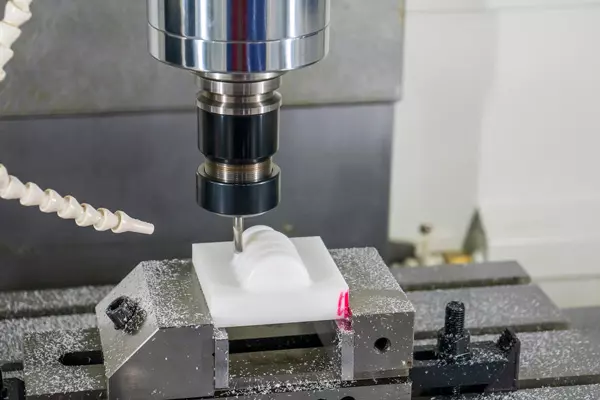
Milling: Removing material with rotary cutters to create intricate shapes.
Turning: Rotating the workpiece while cutting to produce cylindrical components.
5-axis routing: Combining milling and turning with multi-directional tool movement for complex geometries.
Evolution in medical technology has transformed CNC machining:
Early medical machining used basic 3-axis mills and lathes.
Today, advanced multi-axis systems allow for micro-machining — creating tiny, detailed features critical for implants and minimally invasive devices.
Key equipment used:
Swiss-style lathes: Perfect for small precision parts like screws and fasteners.
High-speed mills: Enable fast cutting of hard materials such as titanium and stainless steel.
CAD/CAM integration: Digital design software pairs seamlessly with CNC machines, ensuring tight tolerances and quick modifications.
Why precision matters:
Medical devices often require tolerances as tight as ±0.0001 inches. This level of accuracy directly impacts performance and safety — for example, an orthopedic implant or surgical tool must fit perfectly to function effectively and reduce patient risk. CNC machining is uniquely suited to meet these demanding standards, making it a core process in medical device manufacturing.
Materials Mastery in Medical Device CNC Machining
When it comes to medical device CNC machining, mastering materials is crucial. The most common metals we work with include titanium and stainless steel, both prized for their strength, corrosion resistance, and biocompatibility. For applications requiring lightweight and durable plastics, polymers like PEEK (polyether ether ketone) and UHMW-PE (ultra-high-molecular-weight polyethylene) are go-to choices due to their excellent wear resistance and chemical stability.
Biocompatibility is a must, governed by standards like ISO 10993, ensuring materials don’t cause adverse reactions when inside the body. Plus, these materials have to maintain their integrity during sterilization processes such as autoclaving and gamma radiation, which can challenge polymers and metals differently.
Emerging options are also making waves, including advanced composites for enhanced strength-to-weight ratios, and nitinol, a shape-memory alloy that offers flexibility and resilience for dynamic implants. Here’s a quick look at the pros and cons:
Material
Pros
Cons
Titanium
Lightweight, strong, corrosion-resistant
Higher cost, harder to machine
Stainless Steel
Cost-effective, good strength
Heavier, less biocompatible than titanium
PEEK
Biocompatible, chemical resistant
Limited high-temp use
UHMW-PE
Excellent wear resistance
Lower mechanical strength
Nitinol
Shape memory, flexibility
Complex machining, costly
Advanced Composites
High strength-to-weight ratio
Newer technology, supply varies
At MS Machining, we pride ourselves on material expertise combined with rigorous traceability. Each batch is tracked from raw material through production to final inspection, supporting compliance and consistent quality in every part we deliver.
We also integrate our materials knowledge seamlessly with our machining processes—from Swiss-style lathe turning to high-speed milling—to ensure every medical part meets exacting specifications and regulatory demands.
For more technical insights on our equipment capabilities, check out our detailed overview of CNC turning services and how we optimize materials with advanced CNC milling machines.
Applications Spotlight in Medical Device CNC Machining
CNC machining plays a vital role in crafting a wide range of medical devices with precision and reliability. Surgical instruments like scalpels, forceps, and endoscopes are designed with ergonomic features and high tolerance levels to enhance surgeon control and patient safety. Orthopedic and dental implants benefit from custom machining, where patient-specific 3D scans help produce perfectly fitted joints, screws, and plates that improve healing outcomes.
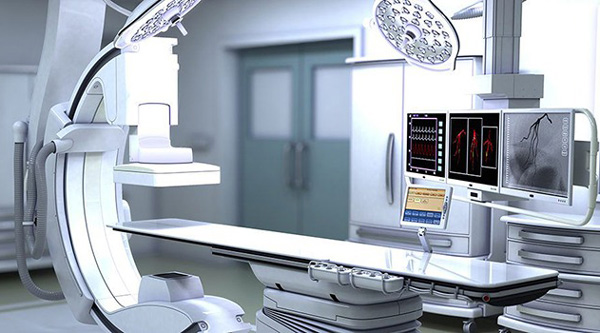
In diagnostic and imaging equipment, CNC machining creates durable MRI housings and microfluidic channels that require corrosion resistance and exact dimensions to ensure consistent performance. Wearables and minimally invasive devices—including pacemaker components, insulin pumps, and robotic surgical arms—depend on sophisticated CNC processes for both durability and biocompatibility.
A notable example from MS Machining is our rapid prototyping of ventilator components, which demonstrates how CNC medical machining can quickly adapt to urgent healthcare needs without sacrificing precision. For complex parts, our expertise in high-speed milling and Swiss-style turning supports intricate designs tailored to medical requirements. You can also explore our 5-axis CNC machining services for complex medical components demanding multi-axis precision.
Whether it’s surgical tools or implantable devices, the precision and repeatability of CNC machining are critical in delivering safe, reliable medical parts tailored to patient and provider needs.
Navigating Regulations in Medical Device CNC Machining
When it comes to medical device CNC machining, understanding regulations is crucial. The FDA classifies medical devices into Class I, II, and III based on risk, with Class III devices requiring the most stringent controls. Compliance with ISO 13485 ensures quality management systems specifically designed for medical manufacturing, while the EU’s MDR focuses on risk-based validation to guarantee safety across markets.
CNC machining for medical parts demands strict protocols like IQ (Installation Qualification), OQ (Operational Qualification), and PQ (Performance Qualification) to validate equipment and processes. Serialized traceability and detailed audit documentation help maintain accountability at every step, essential for FDA-compliant medical parts.
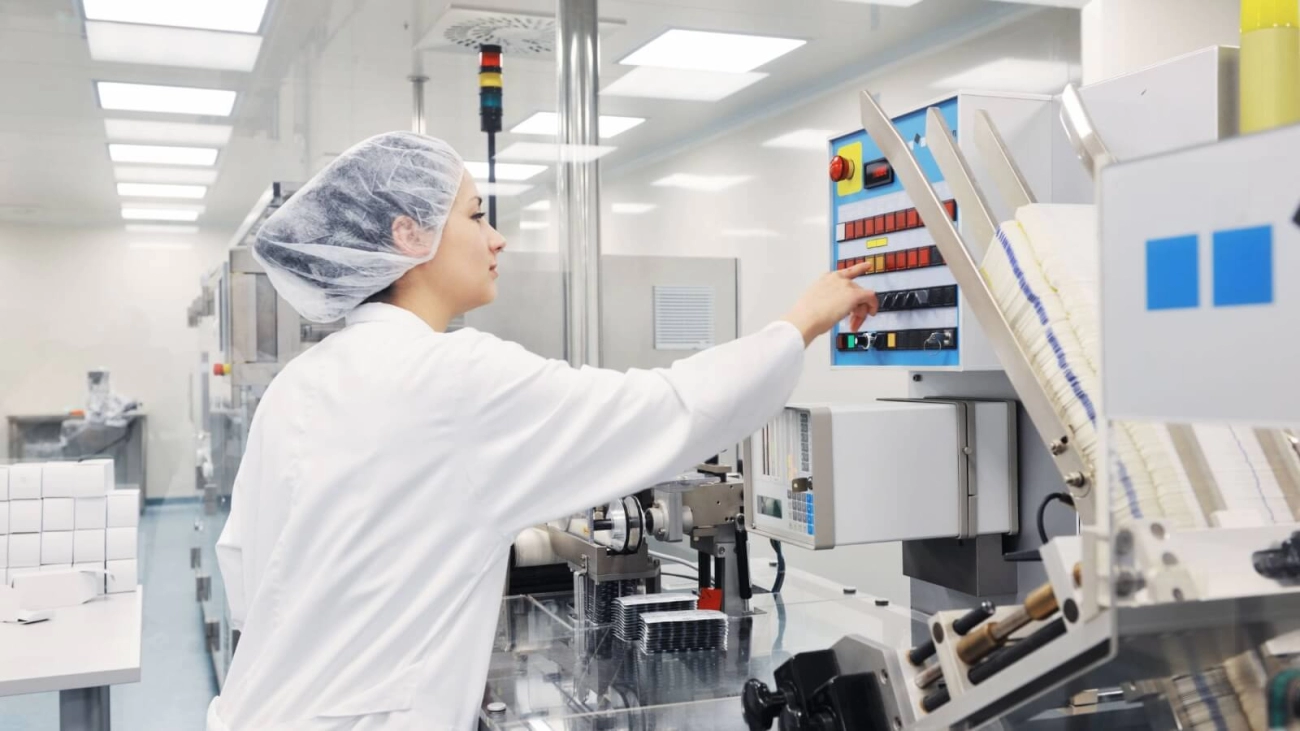
Contamination risks from coolants and machining fluids are real challenges. Many manufacturers use dry machining techniques or controlled cleanroom setups to avoid introducing contaminants that can compromise sterilization. Adopting these measures helps ensure sterile medical CNC processes align with industry regulations.
Global regulatory harmonization, including REACH compliance, is another layer to watch for U.S. companies exporting medical devices. Staying ahead with these standards smooths the path for international approvals and market entry.
For more details on precision turning and milling that meets medical standards, explore CNC turning and milling services tailored to the medical field.
Advantages and Challenges of Medical Device CNC Machining
CNC machining for medical parts offers clear benefits but also some hurdles. Here’s a quick look:
Benefits
Precision and repeatability: Machines hold tight tolerances (±0.0001 inches), ensuring consistent part quality every run.
Cost efficiency: High accuracy reduces waste and rework, saving dollars on materials and labor.
Speed for R&D: Fast setup and programming let teams iterate prototypes quickly, cutting product development time.
Scalability: Whether it’s a one-off prototype or a large production run, CNC machining scales smoothly, boosting ROI.
Advantage
Description
Precision
High-tolerance parts reduce defects and improve fit.
Repeatability
Consistent output meets strict medical standards.
Cost Efficiency
Less scrap and faster turnaround cut overall costs.
Rapid Prototyping
Speeds design tweaks for faster market entry.
Volume Scaling
Efficient for low to high-volume manufacturing.
Challenges
Upfront costs: Programming multi-axis machines and developing CNC codes takes time and expertise.
Material sourcing: Medical-grade metals and polymers require strict supplier vetting to ensure compliance and traceability.
Supplier vetting: Choosing the right partner is critical—certifications, audit history and capacity all matter.
Future-Proofing
Looking ahead, smart machining integrates AI-driven predictive maintenance that reduces downtime and avoids defects. Hybrid additive-subtractive machines combine 3D printing and CNC milling to tackle complex medical geometries faster.
Leveraging these advances helps medical device makers stay competitive and compliant while pushing innovation on critical parts. For a partner experienced in high-tolerance medical device machining, MS Machining offers the equipment and expertise to help navigate these advantages and challenges smoothly. See how our medical manufacturing capabilities support scalable, precise prototyping and production.
The MS Machining Advantage
At MS Machining, we bring a strong edge to medical device CNC machining with over 30 advanced CNC machines, including multi-axis centers that handle everything from simple parts to complex geometries. Our cleanroom environments ensure every medical part meets the strictest cleanliness standards, vital for sterile medical CNC processes.
Our track record speaks for itself — we maintain a 99.9% on-time delivery rate and have zero non-conformance findings across all audits. This reliability is critical for medical device manufacturers needing precision and consistency.
We offer tailored solutions, from design consultation and collaborative prototyping to full assembly. This hands-on customization supports everything from one-off rapid prototypes to scalable medtech production runs.
On the sustainability front, we prioritize eco-friendly practices, using recycled materials where possible and running energy-efficient equipment. This approach aligns with the shift toward green medtech manufacturing, helping partners reduce their environmental footprint without compromising quality.
For more details about the materials we handle, you can check out our comprehensive CNC machining materials list.
Frequently Asked Questions About Medical Device CNC Machining
In the medical field, precision CNC machining means using computer-controlled equipment to produce tiny, complex, and highly accurate medical components. These parts often need extremely tight tolerances because they’re used in devices that go into the human body or assist with life-critical procedures. Even a small deviation can affect performance, so every cut, edge, and dimension must be perfectly controlled.
Many medical applications require tolerances of ±0.01 mm or even tighter. Advanced 3-axis, 4-axis, and 5-axis machining centers—combined with strict quality control—ensure these tolerances remain consistent even in production runs. This level of accuracy is critical for bio-compatible parts, mating features, and miniature mechanisms used in medical devices.
Typical materials include titanium (such as Ti-6Al-4V), stainless steel (such as 316L), aluminum, PEEK, POM, Ultem, and other medical-grade engineering plastics. These materials offer biocompatibility, corrosion resistance, and strong mechanical properties needed for surgical tools, implants, and device housings.
Yes. CNC machining is ideal for rapid prototypes, engineering validation parts, and low-volume production. Its flexibility allows even complex geometries to be converted from CAD models into physical components quickly, helping shorten development cycles for medical devices.

 When it comes to medical device CNC machining, mastering materials is crucial. The most common metals we work with include titanium and stainless steel, both prized for their strength, corrosion resistance, and biocompatibility. For applications requiring lightweight and durable plastics, polymers like PEEK (polyether ether ketone) and UHMW-PE (ultra-high-molecular-weight polyethylene) are go-to choices due to their excellent wear resistance and chemical stability.
Biocompatibility is a must, governed by standards like ISO 10993, ensuring materials don’t cause adverse reactions when inside the body. Plus, these materials have to maintain their integrity during sterilization processes such as autoclaving and gamma radiation, which can challenge polymers and metals differently.
Emerging options are also making waves, including advanced composites for enhanced strength-to-weight ratios, and nitinol, a shape-memory alloy that offers flexibility and resilience for dynamic implants. Here’s a quick look at the pros and cons:
When it comes to medical device CNC machining, mastering materials is crucial. The most common metals we work with include titanium and stainless steel, both prized for their strength, corrosion resistance, and biocompatibility. For applications requiring lightweight and durable plastics, polymers like PEEK (polyether ether ketone) and UHMW-PE (ultra-high-molecular-weight polyethylene) are go-to choices due to their excellent wear resistance and chemical stability.
Biocompatibility is a must, governed by standards like ISO 10993, ensuring materials don’t cause adverse reactions when inside the body. Plus, these materials have to maintain their integrity during sterilization processes such as autoclaving and gamma radiation, which can challenge polymers and metals differently.
Emerging options are also making waves, including advanced composites for enhanced strength-to-weight ratios, and nitinol, a shape-memory alloy that offers flexibility and resilience for dynamic implants. Here’s a quick look at the pros and cons:
 When it comes to medical device CNC machining, mastering materials is crucial. The most common metals we work with include titanium and stainless steel, both prized for their strength, corrosion resistance, and biocompatibility. For applications requiring lightweight and durable plastics, polymers like PEEK (polyether ether ketone) and UHMW-PE (ultra-high-molecular-weight polyethylene) are go-to choices due to their excellent wear resistance and chemical stability.
Biocompatibility is a must, governed by standards like ISO 10993, ensuring materials don’t cause adverse reactions when inside the body. Plus, these materials have to maintain their integrity during sterilization processes such as autoclaving and gamma radiation, which can challenge polymers and metals differently.
Emerging options are also making waves, including advanced composites for enhanced strength-to-weight ratios, and nitinol, a shape-memory alloy that offers flexibility and resilience for dynamic implants. Here’s a quick look at the pros and cons:
When it comes to medical device CNC machining, mastering materials is crucial. The most common metals we work with include titanium and stainless steel, both prized for their strength, corrosion resistance, and biocompatibility. For applications requiring lightweight and durable plastics, polymers like PEEK (polyether ether ketone) and UHMW-PE (ultra-high-molecular-weight polyethylene) are go-to choices due to their excellent wear resistance and chemical stability.
Biocompatibility is a must, governed by standards like ISO 10993, ensuring materials don’t cause adverse reactions when inside the body. Plus, these materials have to maintain their integrity during sterilization processes such as autoclaving and gamma radiation, which can challenge polymers and metals differently.
Emerging options are also making waves, including advanced composites for enhanced strength-to-weight ratios, and nitinol, a shape-memory alloy that offers flexibility and resilience for dynamic implants. Here’s a quick look at the pros and cons:
 CNC machining for medical parts offers clear benefits but also some hurdles. Here’s a quick look: