If you need CNC machining metal parts with pinpoint precision, you’re in the right place. Whether you’re an engineer, product designer, or procurement pro, understanding the nuances of material selection, tolerances, surface finishes, and lead times is critical—and that’s just the start. The good news? In this guide, we break down everything from machining processes to cost drivers, plus how to pick a reliable partner who can handle everything from steel and aluminum to exotic alloys like titanium and Inconel.
Ready for parts that hit your specs, on time, and without minimum order headaches? Let’s get into the real deal on precision CNC metal machining you can trust in 2026.
What Is CNC Machining for Metal Parts and Why It’s the Industry Standard
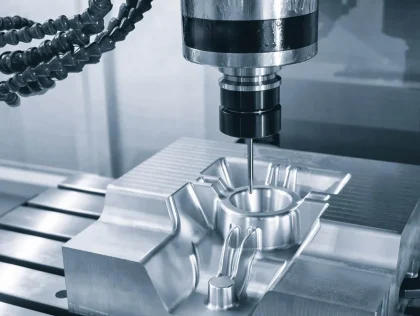
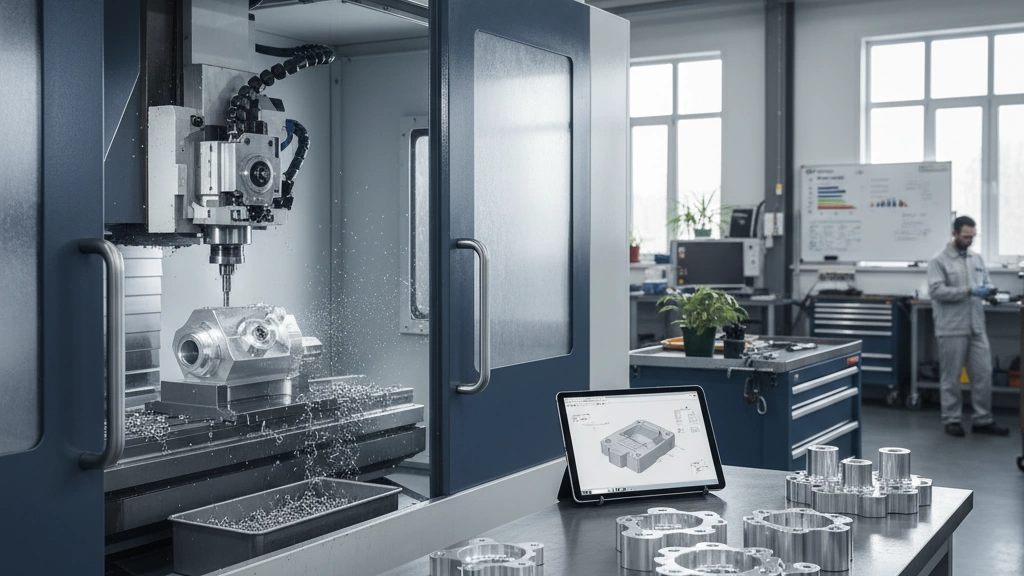
CNC machining for metal parts is a subtractive manufacturing process. That means it starts with a solid block of metal and carefully removes material using computer-controlled cutting tools. Unlike 3D printing or casting, CNC machining carves out the exact shape you need by cutting away metal bit by bit, ensuring precision and repeatability.
Why is CNC machining the industry standard for metal parts? Here’s why:
- Precision and accuracy: CNC machines deliver tight tolerances (often ±0.001″ or better), essential for custom machined metal parts where fit and function matter.
- Versatility: Suitable for a wide range of metals—from aluminum and steel to exotic alloys like titanium and Inconel.
- Superior mechanical properties: Unlike 3D printing, which can sometimes produce parts with weaker layers or internal defects, CNC-machined metal parts have consistent density and strength.
- Better surface finish: CNC machining creates clean, smooth surfaces right off the machine — often needing less secondary work than casting or forging.
- Faster prototyping and lower tooling costs: Especially compared to casting and forging, CNC machining requires minimal upfront tooling, ideal for short runs or prototypes.
- Complex geometry capability: While forging suits simple shapes and casting can struggle with high precision, CNC excels at detailed, complex metal components.
In short, CNC machining is the go-to method when you need high-quality, reliable, and precision machined metal components for industries like aerospace, medical devices, automotive, and more. It combines speed, accuracy, and flexibility in a way few other metal manufacturing processes can match.
Common Metals We Machine at MS Machining
At MS Machining, we specialize in precision CNC machining of a wide range of metals to meet diverse project needs across industries.
- Aluminum: We machine popular alloys like 6061, 7075, 5083, and MIC6, prized for their lightweight strength and excellent machinability.
- Steel: Our capabilities cover carbon steels such as 1018, 4140, A36, plus various tool steels for durable, high-strength parts.
- Stainless Steel: We handle common grades like 303, 304, 316/316L, and the high-strength 17-4PH, ensuring corrosion resistance and toughness.
- Titanium: Whether Grade 2 or the aerospace-standard Grade 5 (Ti-6Al-4V), we provide expert CNC titanium machining for critical applications.
- Brass & Copper: Machining metals like C360, C101, and C172 supports projects requiring excellent conductivity and corrosion resistance.
- Exotic Alloys: We also work with Inconel, Hastelloy, Monel, and other specialized superalloys for extreme environments.
Our experience across these materials ensures your custom CNC metal parts meet both quality and performance expectations.
CNC Processes Used for Metal Parts
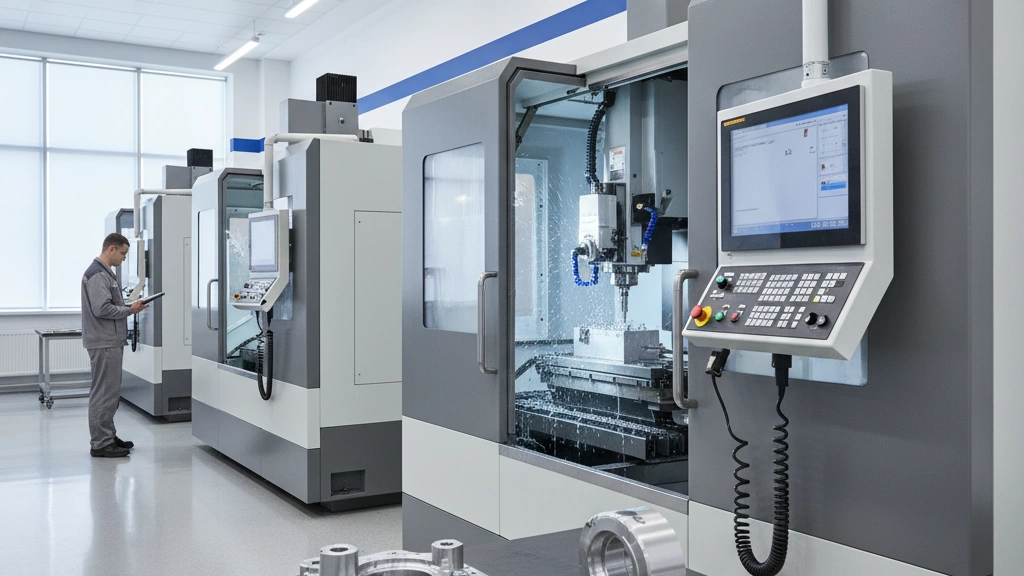
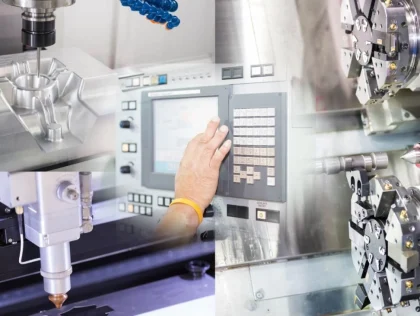
At MS Machining, we use a range of CNC processes to create precise metal parts, from simple shapes to complex geometries. Our 3-axis, 4-axis, and 5-axis milling machines allow us to handle anything from basic flat surfaces to intricate multi-sided components with high accuracy. For parts that are more cylindrical, we rely on CNC turning and Swiss-style lathes, which excel at producing detailed features on round parts like shafts, bushings, and threaded components.
We also offer live tooling and mill-turn combinations, which blend milling and turning in one setup, cutting down lead times and improving consistency—especially important for complex parts. Choosing between milling and turning depends on your part’s shape and features: milling is ideal for block-shaped parts or those needing complex slots and cavities, while turning works best for round parts where symmetry around an axis is key.
For projects that require tight tolerances and complex machining, our capabilities cover everything from basic metal prototyping to advanced production runs. If your parts demand special processes and precision, check out how we apply CNC optical machining for superior surface finishes and accuracy.
Achievable Tolerances and Surface Finishes

When it comes to CNC machining metal parts, hitting precise tolerances is crucial. At MS Machining, we commonly achieve standard tolerances around ±0.001″ (±0.02 mm), which is tight enough for most precision machined metal components. For projects that demand even greater accuracy, we can work with tighter tolerances depending on the material and geometry.
Surface finish quality also plays a big role in your part’s performance and appearance. As-machined Ra values typically range from 0.8 to 3.2 microns, depending on the metal and machining process. To enhance finishes, we offer a variety of post-processing options such as bead blasting for uniform matte surfaces, anodizing (ideal for aluminum), passivation for stainless steel to improve corrosion resistance, plating for enhanced wear or conductivity, and powder coating for durable, colorful finishes.
Understanding these tolerance and finish options early in your design helps avoid unnecessary machining costs while ensuring your custom CNC metal parts meet all functional and aesthetic needs. For more on how CNC machining compares to other manufacturing methods, check out our detailed guide on casting vs CNC machining.
Design Guidelines for Machining Metal Parts (DFM)
When designing custom CNC metal parts, following proper design guidelines helps ensure manufacturability, quality, and cost-efficiency. Here are key tips for machining metal components:
-
Wall Thickness, Ribs, and Undercuts
Maintain consistent wall thickness to avoid warping and uneven machining. Thin walls can flex or deform during cutting. Adding ribs strengthens thin sections without much added weight. Avoid deep undercuts where possible—they increase complexity and cost.
-
Internal Radii and Corner Breaking
Sharp internal corners are hard to machine and can cause stress concentrations. Use minimum internal radii matched to your tooling size. Similarly, break external corners with a small chamfer or radius to reduce stress and improve finish.
-
Threads and How to Specify Them Correctly
Specify thread type, size, class, and tolerance clearly. Use standard thread forms (UNC, UNF, metric) to simplify production. For small holes, tapped threads may require allowances on hole dimensions to maintain strength and accuracy.
-
Avoiding Unnecessary Costs on Complex Geometries
Complex shapes with many tight features drive up machining time and increase scrap rates. Simplify designs where possible by minimizing unnecessary curves, tiny pockets, or intricate details that require specialty tooling.
Following these Design for Manufacturing (DFM) practices helps get your precision machined metal components made faster, within tighter tolerances, and at better cost. For detailed guidance on materials and machining techniques, check out our page on machined metal parts materials.
From Prototype to Production: Volume Capabilities at MS Machining
At MS Machining, we support your project from the first prototype all the way to full production. Whether you need rapid prototyping with 1–50 custom CNC metal parts delivered in 3–7 days, or you’re ready for low-volume bridge production, we’ve got you covered. For medium-volume runs, we use fixtures and automated cells to maintain consistency and speed, helping you scale without sacrificing quality.
We also offer a no minimum order quantity policy, so you can order just what you need—no extra costs or waste. This flexibility is ideal for businesses looking to test metal prototypes or produce precision machined metal components without large upfront orders.
If you want to learn more about how to kick off your project with a quick prototype, check out our detailed guide on how to create a prototype.
Quality Assurance & Certifications

At MS Machining, quality is not an afterthought — it’s built into every step. We hold ISO 9001:2015 certification, ensuring our processes meet strict international quality standards for consistency and reliability. Every batch of custom CNC metal parts comes with full material traceability and a Certificate of Compliance (CoC), so you know exactly where your metal components originate and their specifications.
For critical projects, we offer First Article Inspection (FAI) and Production Part Approval Process (PPAP) reports on request, giving you confidence that your precision machined metal parts meet exact requirements before production ramps up. Our quality team uses advanced Coordinate Measuring Machines (CMM) and optical measurement systems to verify dimensions and surface finishes, ensuring your parts match CAD data down to the tightest tolerances.
This comprehensive quality control guarantees the high standards you expect for your CNC steel parts, CNC aluminum parts, and other metal components.
Industries We Serve with Precision Metal Parts
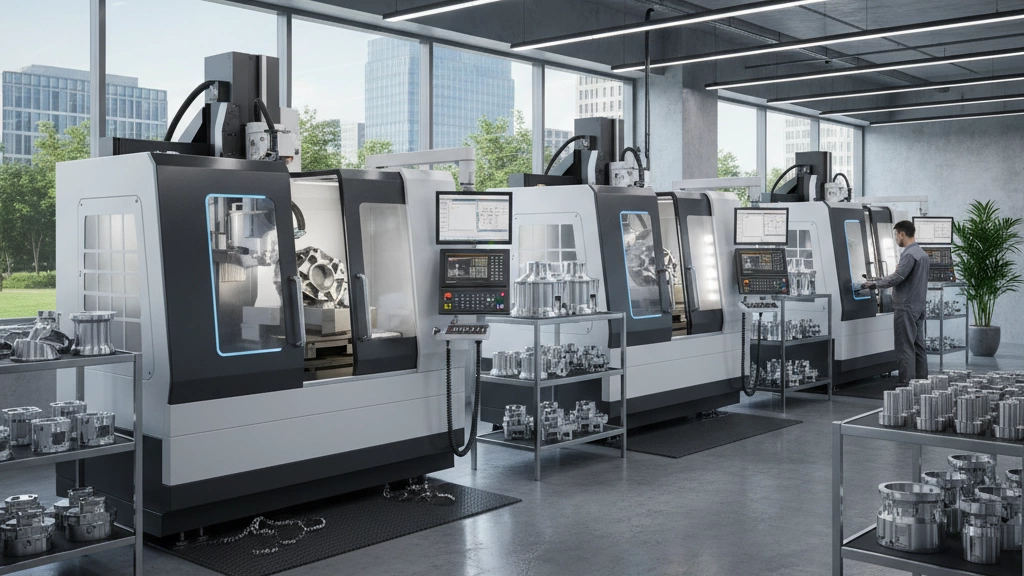
At MS Machining, we provide custom CNC metal parts that meet the exacting standards of several demanding industries across the United States.
- Aerospace & Defense: Our precision machined metal components help ensure safety and performance in critical aerospace and defense applications.
- Medical Devices and Instruments: We specialize in CNC machining for medical devices, supplying parts that meet strict regulatory and quality standards with exceptional reliability. Check out our expertise in medical manufacturing devices and equipment for more details.
- Robotics & Automation: High-precision CNC steel parts and aluminum parts power robotic assemblies and automated systems across sectors.
- Semiconductor: We provide complex geometry metal machining essential for semiconductor manufacturing equipment.
- Oil & Gas: Our durable CNC stainless steel machining helps meet harsh environmental standards in oil and gas components.
- Automotive & EV: From prototypes to volume runs, we deliver tight tolerance metal machining that supports innovations in automotive and electric vehicle development.
Whether you need CNC aluminum parts, titanium machining, or brass and copper components, MS Machining offers the industry-leading quality and consistency you rely on.
How Much Does CNC Machining Metal Parts Cost in 2026?
The cost of CNC machining metal parts in 2026 depends on several key factors: material choice, part complexity, required tolerances, production volume, and surface finish. Materials like aluminum are generally more affordable, while exotic metals such as titanium or Inconel naturally drive higher prices. Complex geometries and tight tolerance requirements also add to machining time and tooling costs, increasing the overall expense.
For a quick price comparison, a simple aluminum bracket machined on a 3-axis mill might cost a few dollars per piece in low volumes. On the other hand, a precision 5-axis titanium housing with tight tolerances and specialized surface finishes can run significantly higher, reflecting the material cost and machining sophistication involved.
At MS Machining, we make sure to balance cost and quality by leveraging our extensive CNC fleet and efficient workflows. Our expertise in custom CNC metal parts and in-house finishing helps avoid unnecessary expenses, keeping pricing competitive without cutting corners. This approach ensures you get precision machined metal components that meet your needs while staying within budget.
For a detailed breakdown of machining options and cost-saving strategies, check out our dedicated page on CNC metal machining.
Lead Times: How Fast Can You Get Your Metal Parts?
At MS Machining, our standard lead times for CNC machining metal parts typically range from 7 to 15 business days. This timeline fits most project needs, balancing quality and efficiency for custom machined metal parts, whether it’s for prototyping or production runs.
Need parts faster? We offer expedited options with 3 to 5-day turnaround on many CNC steel parts, aluminum components, and other metals. This is ideal for urgent projects where speed can’t come at the cost of precision.
We’ve even handled 48-hour turnaround projects for clients requiring rapid prototyping or emergency low-volume CNC metal production. These quick turn jobs show our capability to deliver high-quality, precision machined metal components on a tight schedule without compromising standards.
No matter your industry, from aerospace to medical devices, you can count on us to meet your deadline with reliable lead times tailored to your project’s urgency.
How to Get a Quote from MS Machining (Step-by-Step)
Getting a quote for your custom CNC metal parts at MS Machining is straightforward and fast. To get started, we accept common file formats like STEP, IGES, DXF, and SolidWorks files. Providing clear, detailed 3D CAD models or 2D drawings helps speed up the process.
Here’s what really helps us quote faster:
- Part dimensions and tolerances
- Material type and grade
- Surface finish requirements
- Quantity and desired lead time
- Any special secondary operations (like anodizing or plating)
Once we have these details, our team usually sends you a detailed quote within 24 hours. Fast, transparent pricing allows you to plan your project confidently without waiting around.
For guidance on preparing files or info, check out our best introduction of CNC machining, which breaks down what we need to get you the best quote quickly.
Why Choose MS Machining for Your Metal CNC Projects
When it comes to custom CNC metal parts, MS Machining stands out with over 15 years focused solely on metal machining. Our expertise means you get precision machined metal components made right the first time.
What sets us apart?
| Feature | Benefit |
|---|---|
| 50+ CNC machines | 3-, 4-, 5-axis milling & mill-turns for complex geometries |
| In-house anodizing & finishing | Faster turnaround with surface finishes like anodizing and plating done onsite |
| US-based engineering support | Clear, local communication combined with Asia-Pacific cost advantages |
| 100% on-time delivery in 2025 | Dependable schedules to keep your projects on track |
Choosing MS Machining means tapping into advanced capabilities—whether you need tight tolerance metal machining or cost-effective low-volume CNC metal production. Our facility is built to handle diverse metals including steel, aluminum, stainless steel, titanium, and exotic alloys.
Partner with a team that balances precision, speed, and pricing, so your CNC metal parts projects get the quality and reliability you expect. For more on our machining processes and metal options, check our detailed alloy CNC machining services and custom metal fabrication offerings.