
Custom Copper Fabrication Services
Custom copper parts manufactured through CNC machining, sheet metal fabrication, laser cutting, welding, and finishing for prototype and production projects.
Our Service
What Copper Components Are You Looking to Manufacture?
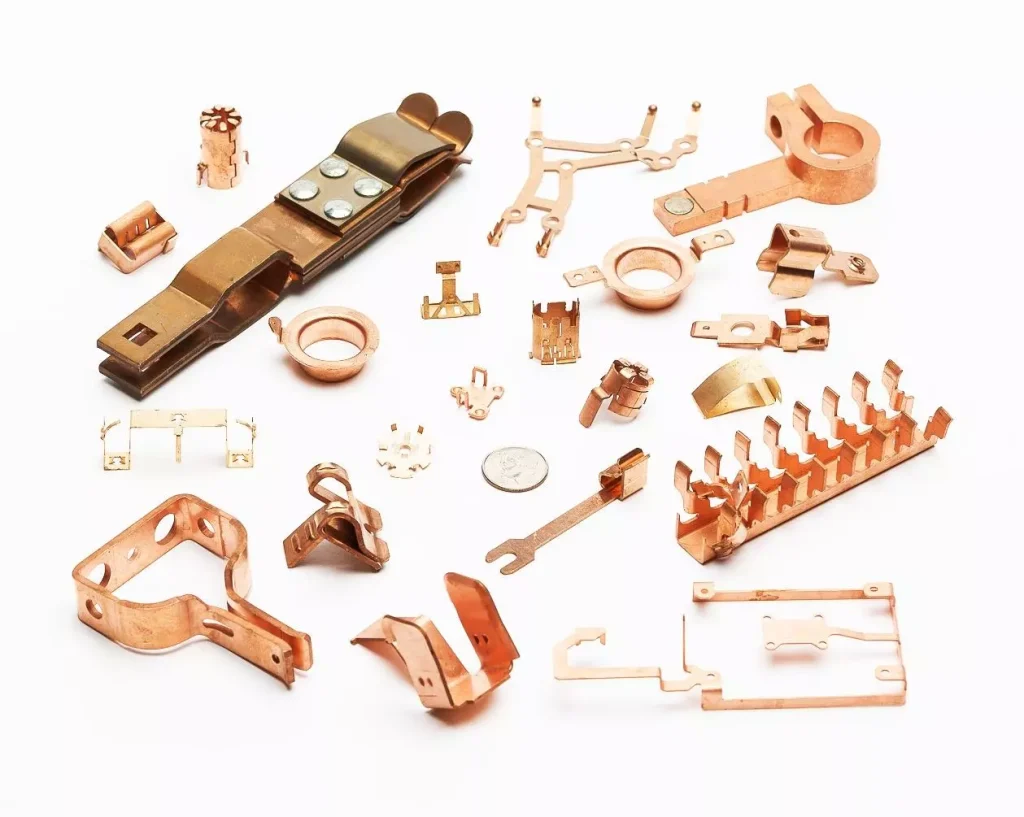
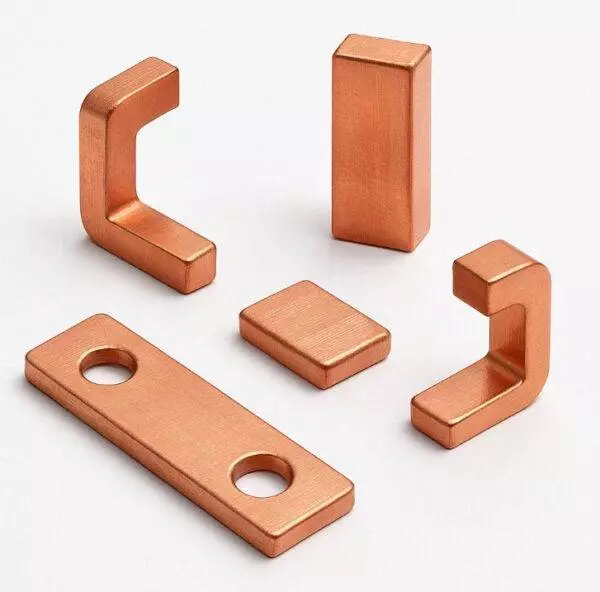
We manufacture custom copper components for electrical, thermal, and industrial applications, supporting projects that require complex geometries, accurate features, and reliable part integration. Based on customer drawings and specifications, we produce copper parts for prototypes, small batches, and production requirements.
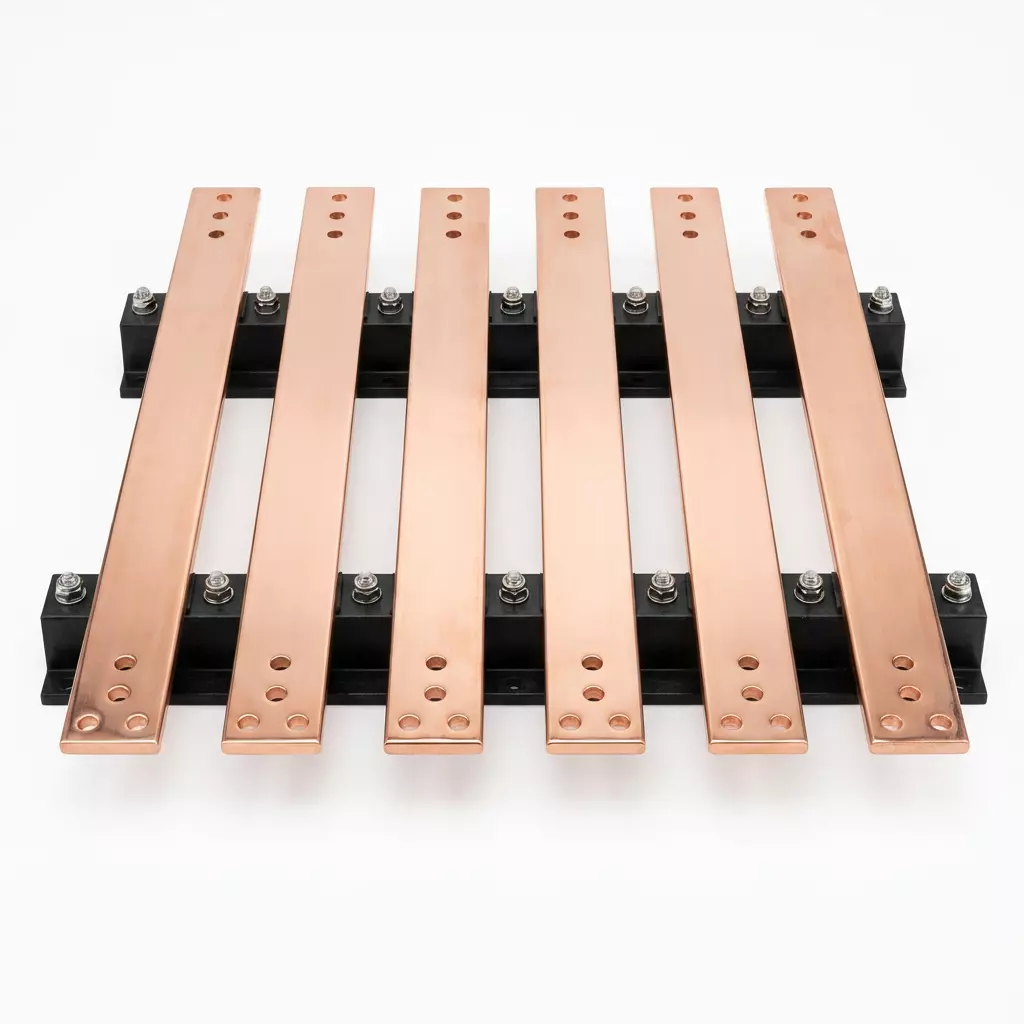
- Copper Busbars---Copper busbars with machined holes, slots, bends, and mounting features for electrical connection and power distribution assemblies.
- Copper Connectors---Custom copper connectors with complex shapes, drilled features, and interface details for electrical and mechanical integration.
- Copper Heat Sinks---Copper heat sinks with machined cooling structures and mounting interfaces for thermal management applications.
- Copper Contact Plates---Copper contact plates with controlled flatness and surface requirements for conductive contact assemblies.
- Copper Electrodes---Copper electrodes manufactured in different profiles and geometries for EDM, welding, and industrial applications.
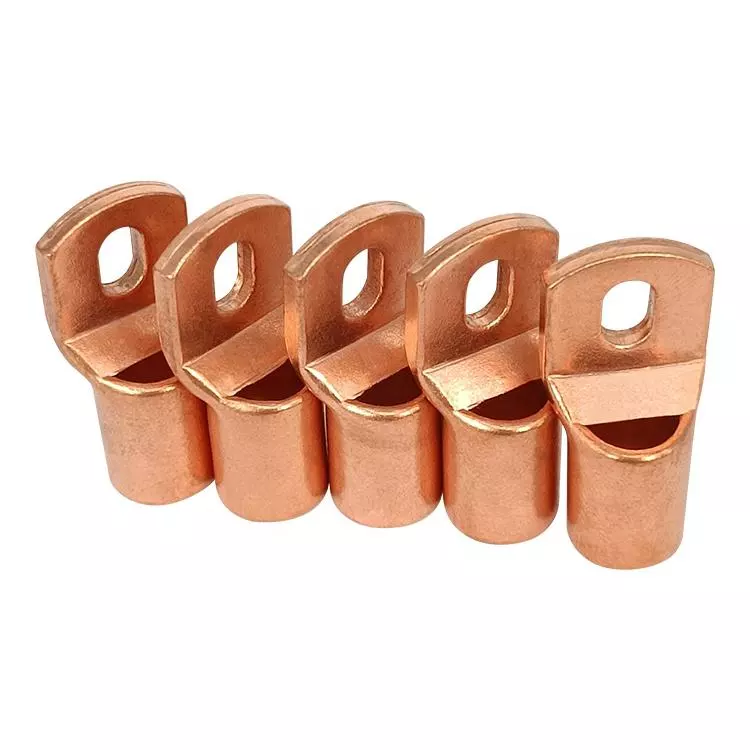
- Copper Terminals---Copper terminals with customized connection features, holes, and mounting structures for electrical assemblies.
- Copper Housings---Copper housings with integrated mechanical features for applications requiring conductivity and thermal performance.
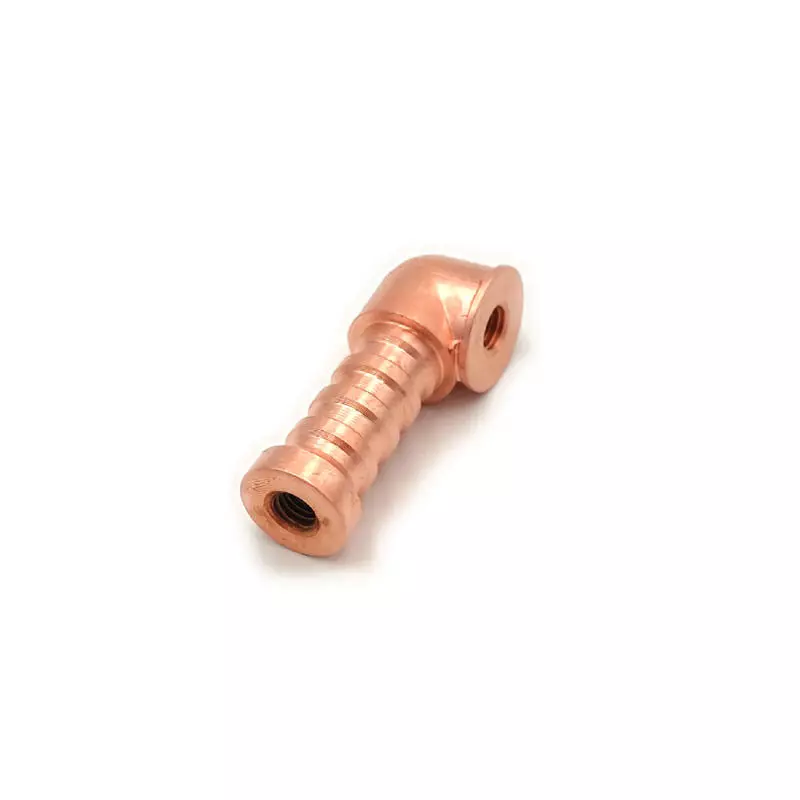
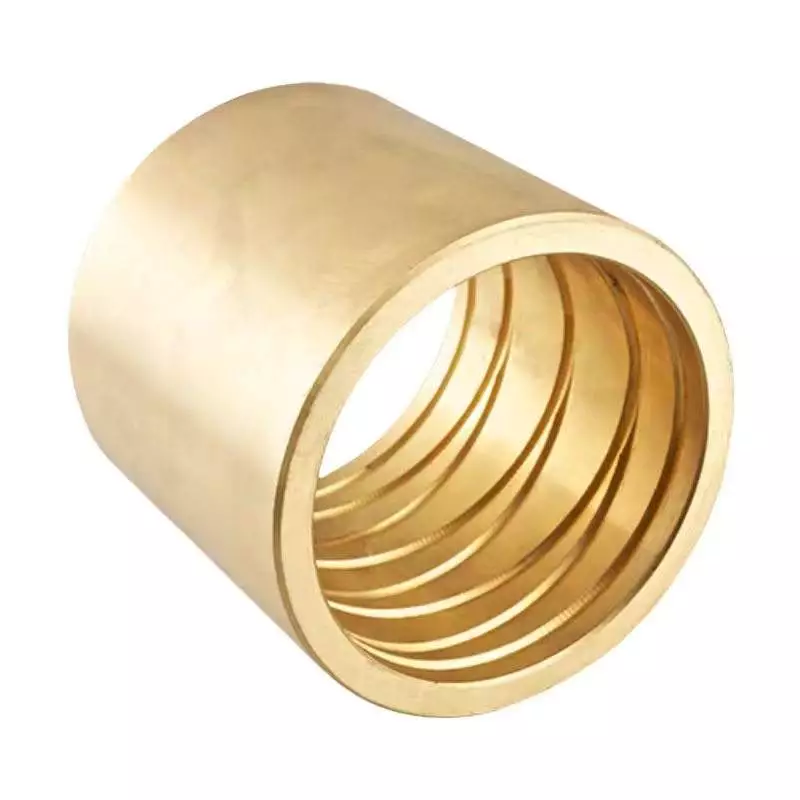
- Copper Sleeves---Copper sleeves with accurate internal and external dimensions for fitting and assembly applications.
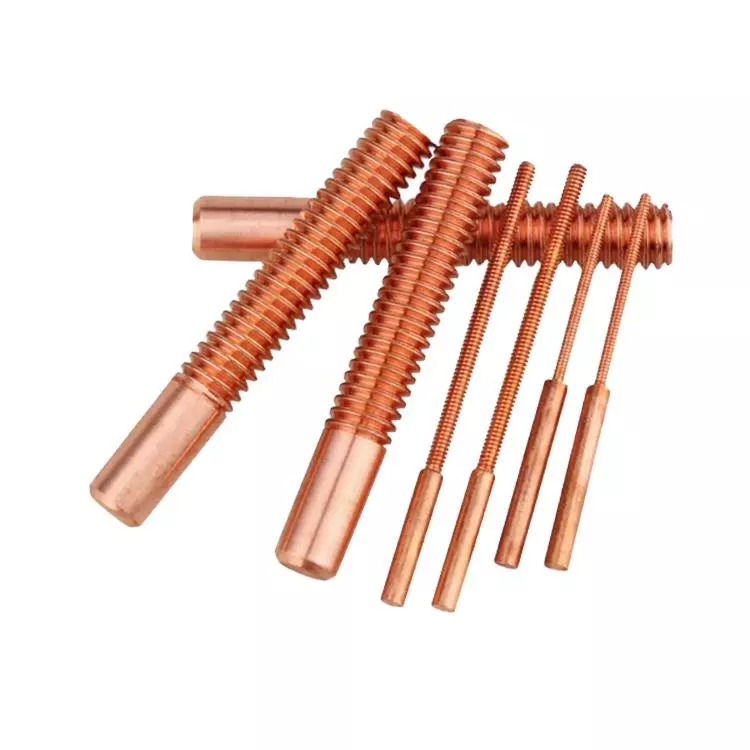
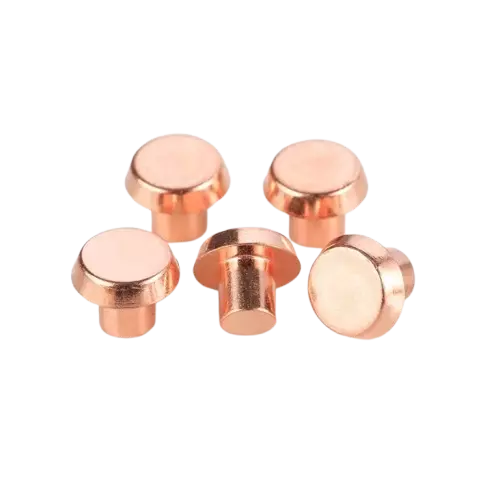
- Copper Pins---Copper pins with controlled dimensions for electrical contact, alignment, and component positioning.
- Copper Grounding Components---Copper grounding parts with customized configurations for electrical grounding applications.
MS Machining
Copper Fabrication Capabilities & Process Control
Copper components often require careful process control during fabrication due to their softness, surface sensitivity, and dimensional requirements. We manage key manufacturing factors including material handling, forming, machining, joining, and finishing processes to produce copper parts that meet project specifications.
Burr Control & Edge Quality
Cutting and machining copper can create burrs around edges, holes, and detailed features. Proper processing methods help achieve cleaner edges and reduce additional finishing requirements.
Surface Protection
Copper surfaces can be easily scratched or marked during fabrication and handling. Controlled processes help protect critical surfaces throughout production.
Dimensional Stability
Copper parts with thin sections, complex shapes, or tight interfaces require proper forming, machining, and fixturing methods to maintain required dimensions.
Fabrication & Machining Integration
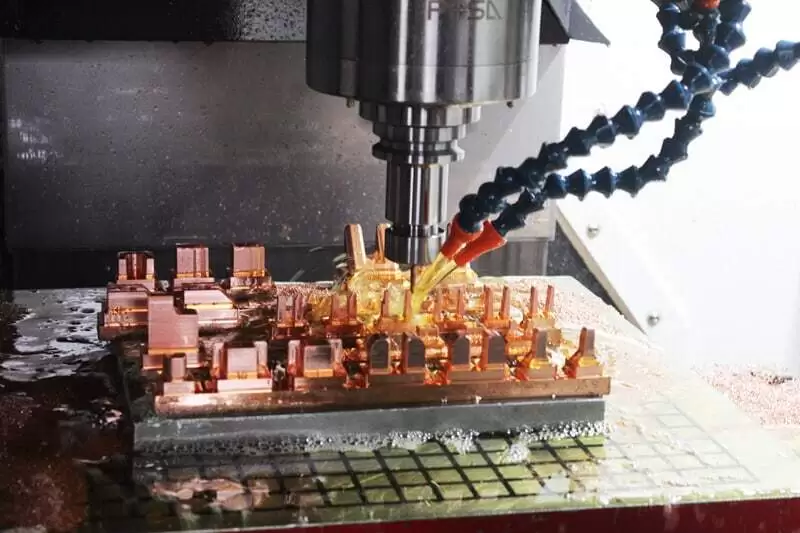
Combining fabrication processes with CNC machining allows copper components to achieve complex geometries, mounting features, and precise interfaces.
Production Consistency
Process control, inspection methods, and manufacturing planning help maintain consistent results across prototype and production quantities.
MS Machining
How We Manufacture Copper Components
Every copper fabrication project starts with understanding the part requirements, material specifications, and application needs. We follow a structured manufacturing process from drawing review to final inspection to ensure each component is produced according to project requirements.
1. Drawing & Requirement Review
We review customer drawings, 3D models, technical specifications, tolerances, and application requirements to understand the part structure and manufacturing needs.
2. Material Selection
Based on the application requirements, suitable copper materials and specifications are selected to support electrical, thermal, mechanical, or fabrication requirements.
3. Manufacturing Process Planning
We determine suitable fabrication methods, machining operations, tooling approaches, and production steps based on the component design and quantity requirements.
4. Copper Part Fabrication
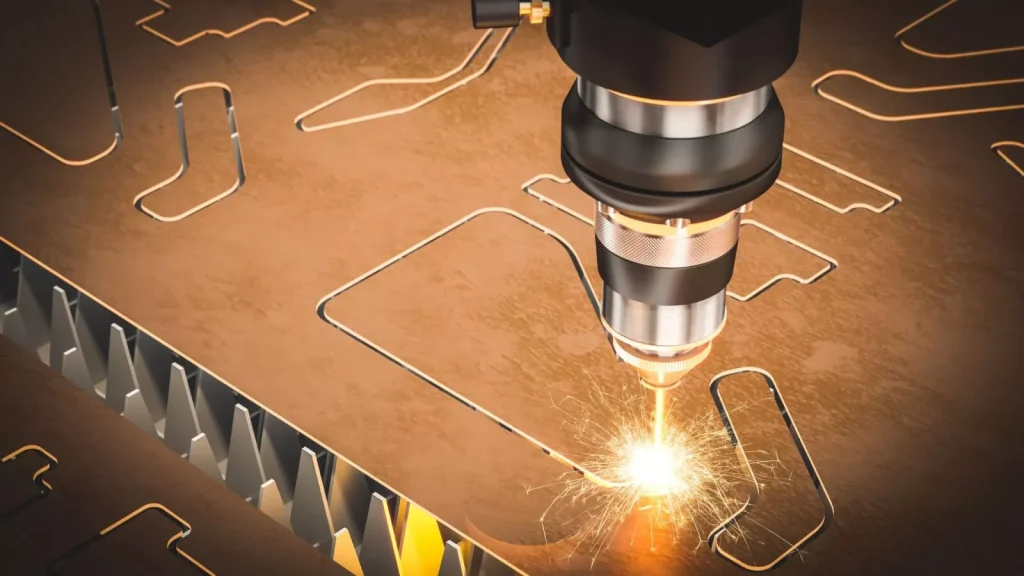
Copper components are produced through appropriate manufacturing processes, including CNC machining, cutting, forming, drilling, and other required operations.
5. Deburring & Surface Finishing
After fabrication, parts undergo deburring and finishing processes to improve edge quality, surface condition, and final appearance according to requirements.
6. Inspection & Final Verification
Finished copper components are inspected to verify dimensions, critical features, and specifications before delivery.
MS Machining
Copper Material Selection for Different Applications
Choosing the right copper grade depends on the component function, electrical performance requirements, machining considerations, and final application. We support material selection based on part design and manufacturing requirements.
Copper Busbars
Recommended Grade: C110 Copper
Commonly used for electrical busbars and conductive components where high conductivity and good fabrication performance are required.
Copper Connectors & Terminals
Recommended Grade: C145 Copper
Selected for components requiring good machinability, accurate features, and reliable electrical connections.
Copper Contact Plates
Recommended Grade: C101 Copper
Used for applications where high electrical conductivity and low electrical resistance are important considerations.
CNC Machined Copper Components
Recommended Grade: C110 / C145 Copper
Suitable for a wide range of machined copper parts requiring a balance of conductivity, machinability, and availability.
Our Service
Copper Machining Capabilities for Custom Components
Our copper machining capabilities support custom components with different geometries, material requirements, and production needs. We combine CNC machining processes with suitable tooling, workholding methods, and process control to produce copper parts according to customer drawings and specifications.
CNC Milling
CNC milling is used for copper components requiring machined surfaces, pockets, slots, holes, and complex profiles. It supports detailed features and multi-face machining requirements.
CNC Turning
CNC turning is suitable for copper parts with cylindrical features, including shafts, sleeves, pins, and rotational components requiring accurate dimensions.
Complex Feature Machining
Copper components with thin walls, tight interfaces, intricate profiles, or multiple machining features require careful process planning and controlled machining methods.
Copper Grade Processing
Different copper grades have different machining characteristics. Material selection and machining parameters are considered together to achieve suitable part performance and manufacturing results.
Our Service
Surface Requirements for Copper Parts
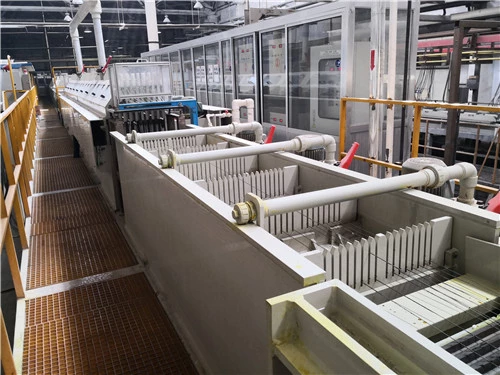
Surface requirements for copper components depend on the application, operating environment, and functional needs of the part. Different surface treatments may be selected to improve conductivity, solderability, corrosion resistance, appearance, or contact performance.
Learn more about metal fabrication materials and material selection considerations.
- Prevent Oxidation---Copper surfaces can naturally oxidize when exposed to air and environmental conditions. Surface treatments such as tin plating, nickel plating, or protective coatings can help improve surface stability for specific applications.
- Improve Solderability---For copper components used in electrical assemblies, tin plating is commonly selected to improve soldering performance and provide a suitable surface for assembly processes.
- Enhance Electrical Contact Performance---Copper contact components may require surface treatments such as silver plating or gold plating to support reliable electrical contact and reduce surface-related performance issues.
- Improve Wear & Surface Protection---For components exposed to mechanical contact or repeated use, nickel plating can be considered to improve surface durability and provide additional protection.
- Appearance & Surface Finish---For copper parts where appearance is important, polishing and finishing processes can improve surface appearance while maintaining the required component characteristics.
Frequently Asked Questions About Copper Fabrication
What factors affect the cost of copper fabrication?
Copper part cost depends on several factors, including material grade, part size, design complexity, machining time, surface requirements, and production quantity. Providing complete drawings and specifications helps evaluate the project more accurately.
Can you review my copper part design before production?
Yes. Design and manufacturing requirements can be reviewed before production to identify potential machining challenges, material considerations, and possible process adjustments.
How do you prevent damage to copper surfaces during manufacturing?
Copper surfaces are sensitive to scratches and handling marks. Proper fixturing, machining methods, and part handling procedures are considered during production to protect critical surfaces.
What if my copper part has thin walls or complex features?
Thin sections, small features, and complex geometries require careful process planning. Manufacturing methods can be adjusted based on part structure, tolerances, and application requirements.
Can you support low-volume copper fabrication projects?
Yes. Copper fabrication projects can be supported for prototypes, small batches, and production quantities depending on the part design and manufacturing requirements.
How can I reduce problems when ordering custom copper parts?
Providing detailed drawings, material requirements, tolerances, and application information helps reduce communication issues and allows the manufacturing process to be planned more effectively.
What information should I confirm before starting a copper fabrication project?
Important details include part dimensions, material grade, critical tolerances, surface requirements, quantity, and intended application. These details help determine suitable manufacturing methods.