
Custom Titanium Fabrication Services
Custom titanium parts manufactured from your drawings through CNC machining, fabrication, surface finishing, and dimensional inspection for prototype and production requirements.
MS Machining
Why Titanium Requires a Different Manufacturing Approach
Titanium parts are manufactured differently from many commonly used metals because the material behaves differently during machining and fabrication. Factors such as heat generation, tooling, workholding, and dimensional control can influence the manufacturing process.
During machining, titanium tends to retain heat near the cutting area due to its lower thermal conductivity. This can affect tool performance over time, so cutting parameters and tooling selection need to be considered based on the part requirements and machining conditions.
Workholding is another factor when producing titanium components. Parts with thin walls, small features, or specific geometries may need suitable fixturing methods to maintain stability during machining operations.
Dimensional control also becomes an important consideration for titanium parts with multiple features or tighter tolerances. Planning the machining sequence and checking dimensions at appropriate stages can help maintain consistency throughout production.
The material grade, part design, tolerance requirements, surface finish, and production quantity all influence the manufacturing approach. Reviewing these details before machining helps determine suitable processes and inspection methods for each titanium project.
Learn more about metal fabrication materials and material selection considerations.
MS Machining
Our Titanium Fabrication Capabilities
Titanium components often require different manufacturing processes depending on part geometry, tolerance requirements, and production needs. Our fabrication capabilities combine machining, secondary operations, and finishing processes to support titanium parts from prototype development through production manufacturing.
- CNC Milling---CNC milling is used for titanium parts with flat surfaces, pockets, slots, contours, and multi-feature designs. Different machining strategies can be applied based on part geometry and material conditions to support stable processing and consistent dimensions.
- CNC Turning---CNC turning is suitable for cylindrical titanium components such as shafts, sleeves, bushings, and threaded parts. Proper tooling selection and machining parameters help maintain required diameters, surface conditions, and feature accuracy.
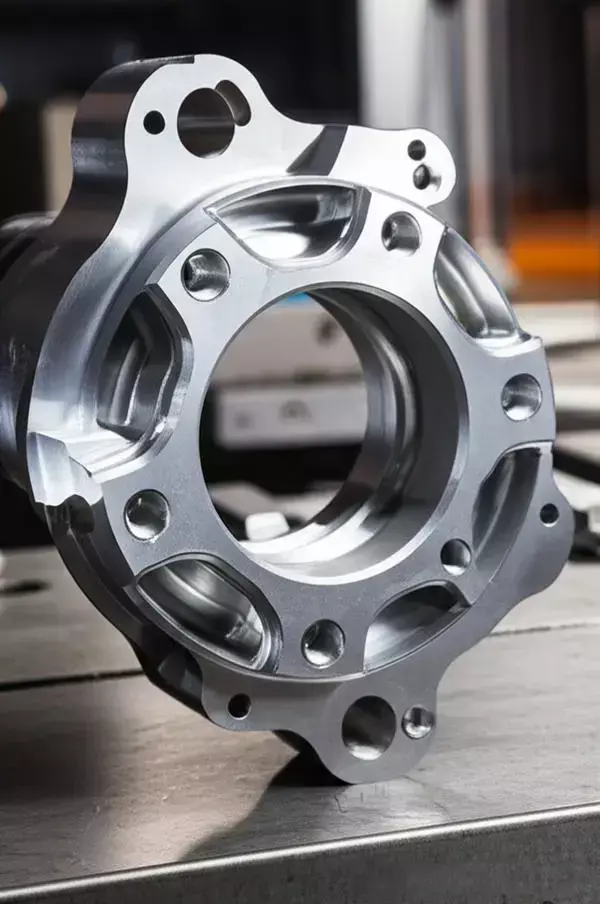
- 5-Axis Machining---5-axis machining allows multiple features to be machined from different angles within fewer setups. It is commonly used for titanium components with complex surfaces, angled features, or reduced accessibility for standard machining methods.
- Precision Drilling & Secondary Machining---Titanium parts may include drilled holes, tapped threads, reamed features, or other secondary operations. These processes are planned according to the drawing requirements and part structure.
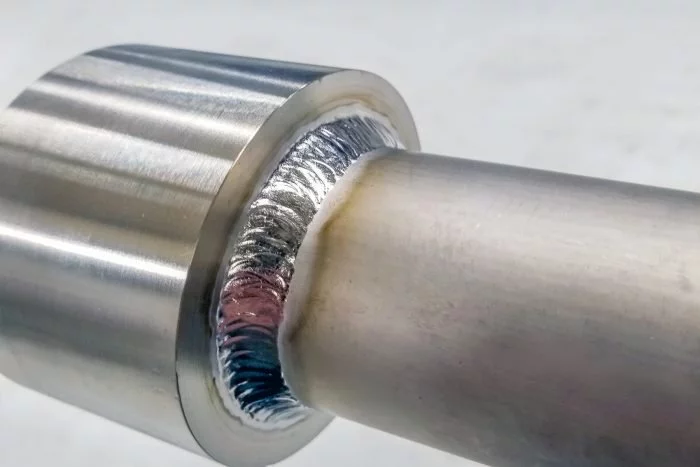
- Welding & Assembly---For titanium assemblies that require joining or additional fabrication steps, welding and assembly processes can be considered based on material grade, design requirements, and application conditions.
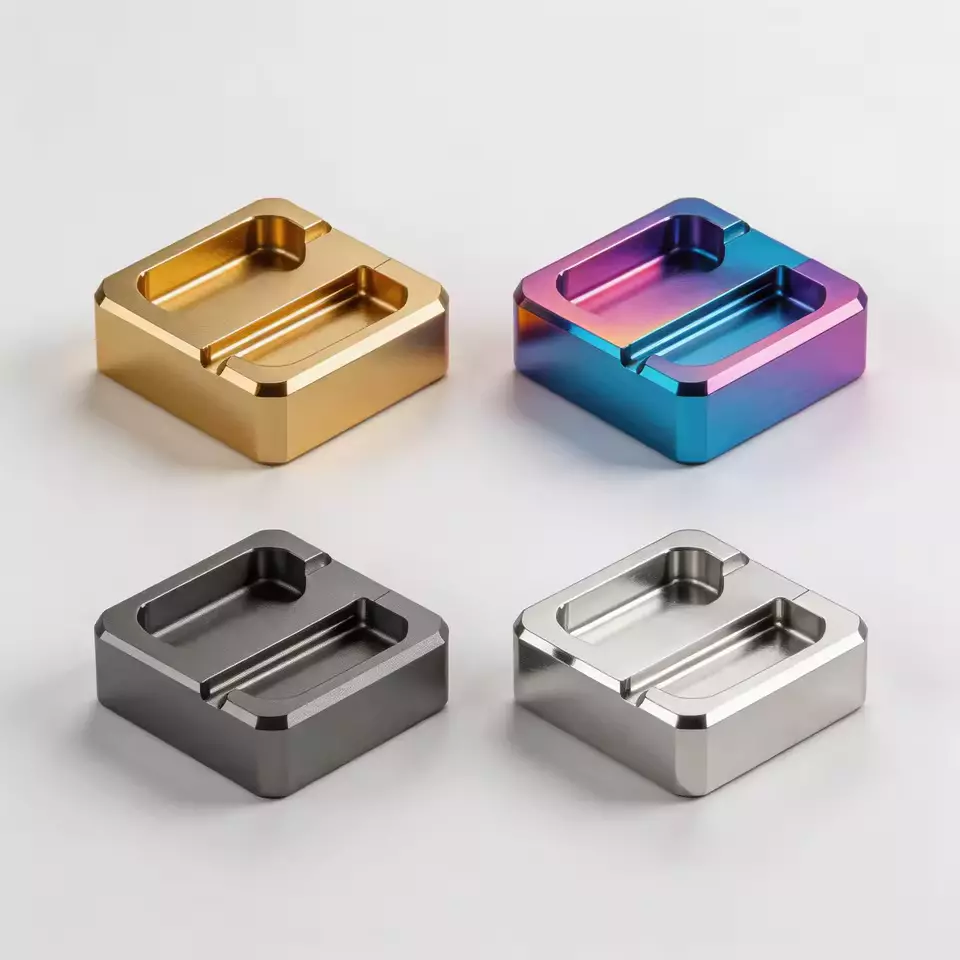
- Surface Finishing---Surface finishing options such as bead blasting, polishing, and other finishing processes can be applied according to appearance, surface requirements, and functional needs.
Titanium Grades We Commonly Machine
Titanium grades are selected according to the requirements of the part, including strength needs, corrosion conditions, weight considerations, and manufacturing requirements. We support common titanium grades for CNC machining and fabrication projects based on customer drawings and specifications.When selecting a titanium grade, factors such as part structure, required tolerances, finishing requirements, and production volume should be considered together. If your drawing specifies a titanium grade, we can review the requirements and determine a suitable manufacturing process.
MS Machining
Designing Titanium Parts for Manufacturability
The design of titanium components can influence machining methods, tooling selection, workholding, and inspection requirements. Considering manufacturability during the design stage helps determine a suitable approach based on part geometry and production needs.
- Wall Thickness---Thin-wall sections may require additional consideration during titanium machining due to cutting forces and workholding conditions. As a general reference, wall thickness below approximately 1–2 mm may need further evaluation depending on part size and geometry.
- Hole Depth & Feature Access---Deep holes and difficult-to-reach features can affect tool selection and machining setups. Hole depth-to-diameter ratios above approximately 5:1 may require specific tooling or machining strategies.
- Corner Radius---Internal corner radius affects tool selection and machining paths. Using practical corner radii, such as R2 mm or larger where possible, can provide better tool access for standard milling operations.
- Tolerance Requirements---Tolerances should be defined according to part function. Typical CNC machining tolerances may range from approximately ±0.01 mm to ±0.05 mm, depending on part geometry, machining process, and inspection requirements.
MS Machining
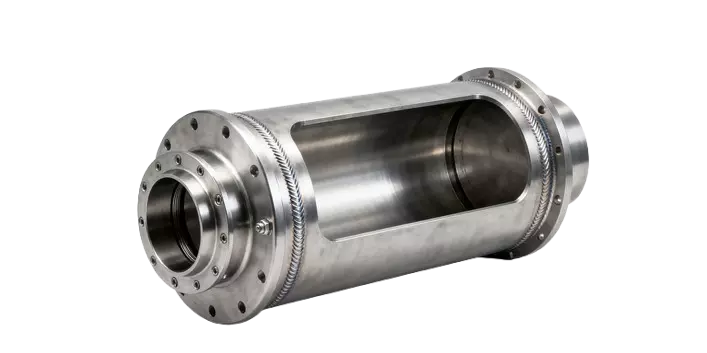
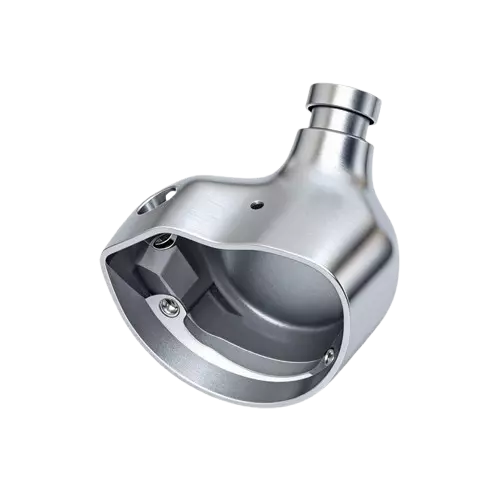
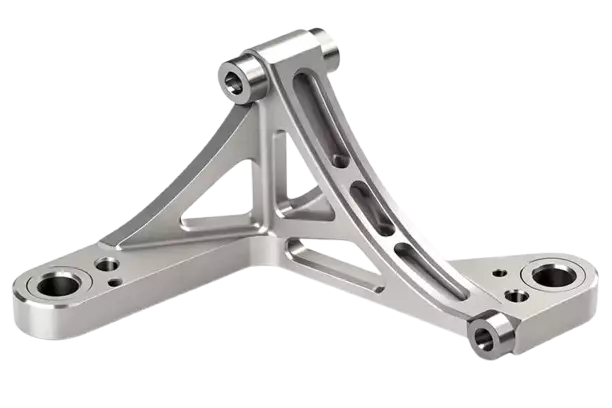
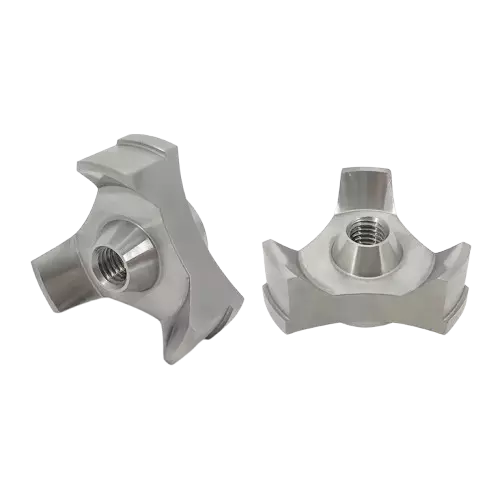
Typical Titanium Fabricated Components
We manufacture custom titanium components based on customer drawings and specifications. Our capabilities cover a range of machined and fabricated parts with different geometries, features, and dimensional requirements.
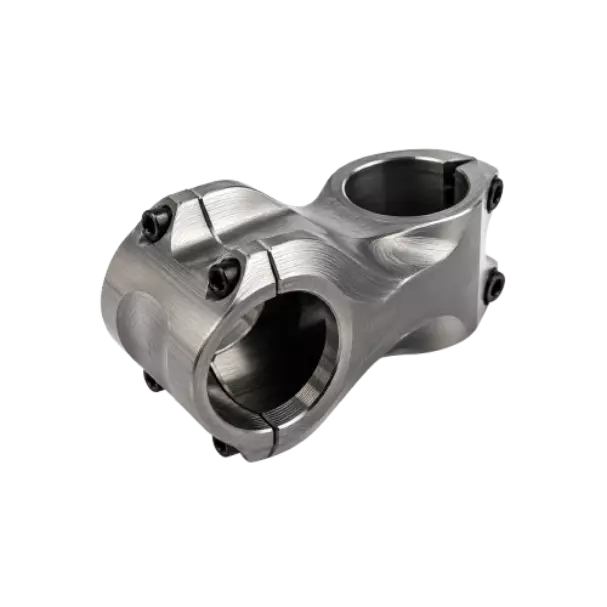
- Titanium Brackets---Mounting components with holes, slots, and custom geometries.
- Titanium Housings---Machined enclosures with pockets, openings, and internal features.
- Titanium Flanges---Components with bolt patterns, sealing surfaces, and connection features.
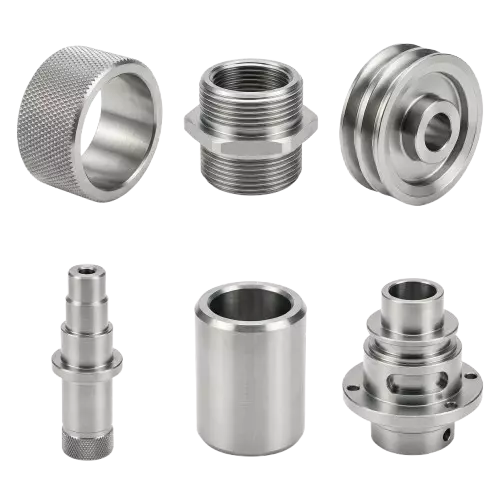
- Titanium Shafts---Cylindrical parts with controlled diameters, threads, and surface requirements.
- Titanium Bushings---Precision components with internal and external diameter requirements.
- Titanium Plates---Custom plates with drilled holes, slots, pockets, and profiles.
- Titanium Fixtures---Machined tooling and holding components for assembly or positioning.
- Titanium Rings & Spacers---Circular components with defined dimensions for specific assemblies.
- Titanium Fasteners---Custom fasteners produced according to specified sizes and material requirements.
MS Machining
Inspection and Quality Control
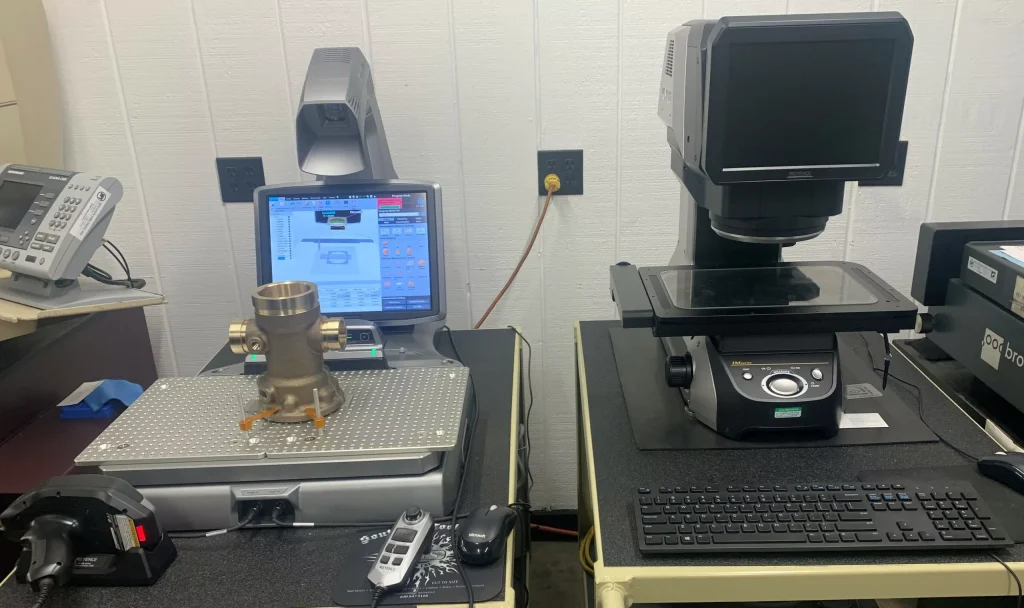
Titanium components are inspected according to drawing requirements, dimensional specifications, and project documentation. Inspection methods are selected based on part geometry, tolerance requirements, and customer needs.
- CMM Inspection
Measure critical dimensions, positions, and geometric features based on engineering drawings. - Dimensional Verification
Check key features and tolerances using suitable measuring equipment. - Material Certification
Provide material certificates to verify titanium grade and material specifications when required. - Surface Inspection
Verify surface conditions according to specified finish requirements. - Inspection Reports
Document measurement results and inspection details for project review.
MS Machining
CNC Machining for Titanium Components
CNC machining is commonly used for titanium components that require controlled dimensions, complex features, and repeatable manufacturing processes. The machining approach is selected based on part geometry, tolerance requirements, and production needs.
Precision Features
CNC machining allows the production of detailed features such as holes, pockets, slots, threads, and contoured surfaces according to engineering drawings.
Complex Geometries
Multi-axis machining capabilities can support titanium parts with angled features, curved surfaces, and designs that require multiple machining operations.
Dimensional Consistency
Using programmed machining processes helps maintain consistent dimensions across multiple parts, especially for repeat production requirements.
Reduced Secondary Operations
Proper machining planning can combine multiple features within fewer setups, reducing the need for additional manual operations after machining.
Frequently Asked Questions
Can you provide a complete titanium fabrication solution?
Yes. We provide integrated manufacturing services for titanium components, including CNC machining, finishing, inspection, and related manufacturing processes based on project requirements.
Do you handle titanium parts from prototype to production?
Yes. We support prototype development, small-batch production, and repeat manufacturing. The process is planned according to part complexity, quantity, and production requirements.
Can you source titanium materials for custom projects?
Yes. Titanium materials can be provided according to specified grades and project requirements. Material documentation can be supplied when required.
Do you provide surface finishing for titanium components?
Yes. Surface finishing options can be arranged according to the required appearance, surface condition, and functional requirements of the part.
How do you control titanium part dimensions during manufacturing?
Dimensions are controlled through machining process planning and inspection methods such as CMM inspection, dimensional verification, and inspection reports based on drawing requirements.
Can you review my titanium part design before production?
Yes. We can review drawings to evaluate machining considerations such as part geometry, tolerances, feature accessibility, and manufacturing requirements.
What files are needed to evaluate a titanium fabrication project?
3D CAD files, engineering drawings, material specifications, quantity, tolerances, surface finish requirements, and inspection requirements help us evaluate the project.