
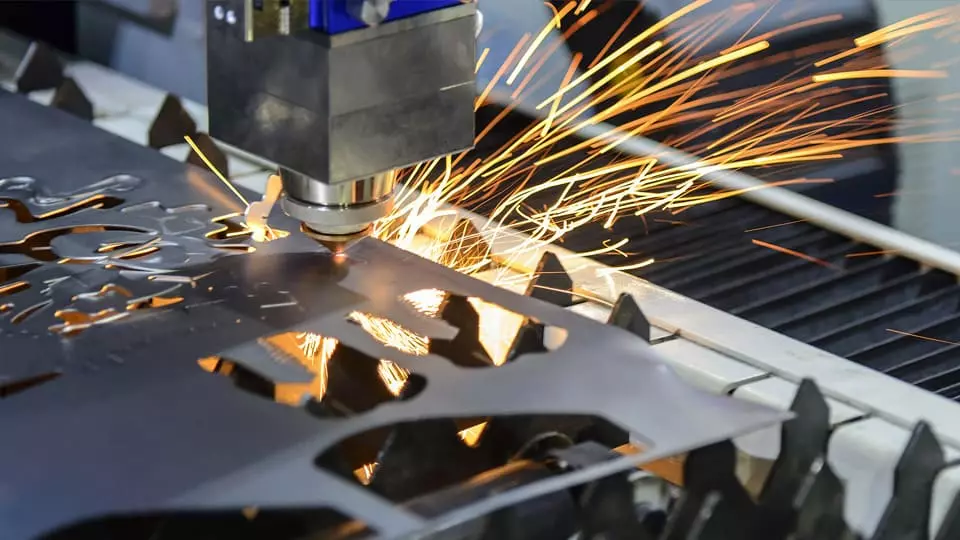
Introduction to CNC Metal Cutting: Understanding Its Role in Modern Manufacturing
CNC metal cutting has revolutionized the way industries approach fabrication and manufacturing. This technology combines computer numerical control (CNC) with advanced cutting tools to shape and refine metal parts with incredible precision. In today’s fast-paced manufacturing environment, understanding CNC metal cutting is essential for producing high-quality components efficiently and consistently.
Modern manufacturing relies heavily on CNC metal machining because it offers unmatched accuracy and repeatability. Whether creating complex aerospace parts or custom automotive components, CNC metal cutting ensures each piece meets exact specifications. This process not only improves quality but also helps manufacturers reduce waste, save time, and lower production costs.
As industries demand tighter tolerances and better surface finishes, CNC metal cutting continues to evolve with innovative processes and machinery. Its ability to work with a variety of materials, from aluminum to stainless steel, makes it a cornerstone of modern metal fabrication. If you want reliable, scalable, and precision-driven manufacturing, understanding CNC metal cutting is a crucial first step.
What Is CNC Metal Cutting and Why It Matters
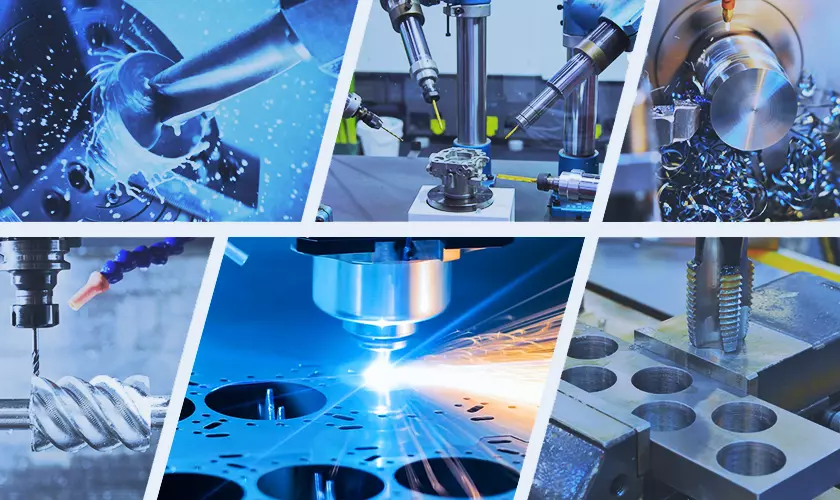
CNC metal cutting is the backbone of modern manufacturing. It uses computer-controlled machines to cut, shape, and form metal parts with high precision. This process is essential across industries like aerospace, automotive, and medical device production. It allows for complex designs and tight tolerances, which are hard to achieve manually.
Fundamentals of CNC Technology in Metalworking
CNC (Computer Numerical Control) technology automates the cutting process by translating designs into precise machine commands. This eliminates human error and ensures consistent quality. CNC machines can handle a variety of operations—milling, turning, laser cutting, and more—making them versatile for different jobs.
Key Benefits: Precision, Repeatability, and Scalability
| Benefit | Description |
|---|---|
| Precision | Achieves extremely accurate cuts, often within thousandths of an inch. |
| Repeatability | Produces identical parts repeatedly, ideal for mass production. |
| Scalability | Easily scales from prototyping to high-volume runs without sacrificing quality. |
Why Tight Tolerances and Surface Finishes Matter
Tight tolerances guarantee that parts fit perfectly, reducing assembly issues and improving performance. Surface finishes influence the look, corrosion resistance, and wear of the final product. CNC metal cutting excels at maintaining these standards, essential for high-quality metal fabrication.
For more on how CNC machining can handle specific materials and tighter tolerances, check out what materials can a CNC machine cut.
Core CNC Metal Cutting Processes Explored
There are several key processes in CNC metal cutting, each suited for different materials and project needs. Understanding these methods helps in choosing the right technology for the job.
CNC Milling: Versatile Material Removal for Complex Shapes
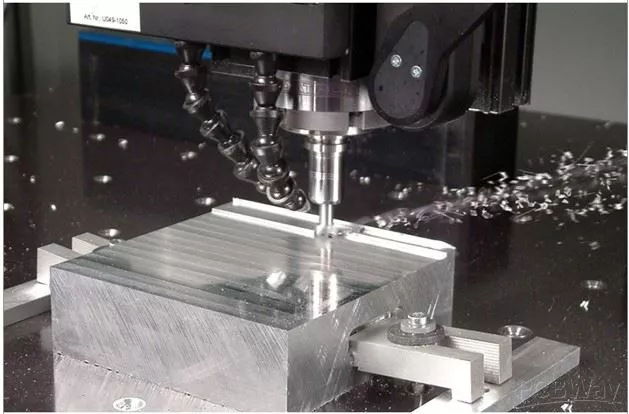
CNC milling is one of the most common precision metal cutting techniques. It uses rotary cutters to carve out complex shapes from various metals, including aluminum, steel, and titanium. This process is highly adaptable, making it ideal for prototypes and production parts that require tight tolerances. With advancements like 5-axis CNC machining, we can achieve intricate designs with high accuracy. CNC milling is a go-to method for metal fabrication CNC projects that need detailed, multi-sided surfaces.
CNC Turning (Lathe): Efficient for Cylindrical Components
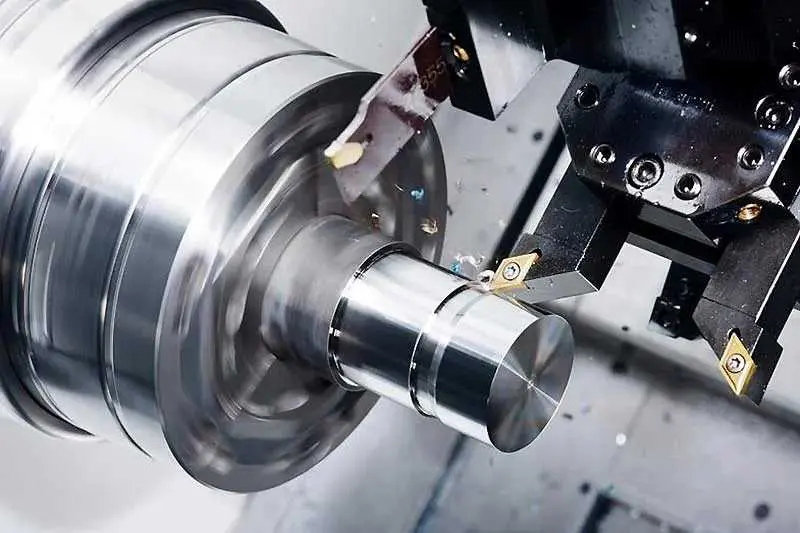
CNC turning, often called CNC lathe work, is perfect for creating round and cylindrical parts. It involves rotating the metal piece while a cutting tool shapes it precisely to specifications. This process is extremely efficient for manufacturing shafts, sleeves, and similar components. Thanks to high-speed metal cutting tools, CNC turning offers smooth finishes and tight tolerances quickly. It’s a staple in producing components for industries like automotive and aerospace.
Laser Cutting Metal: High-Speed Precision for Sheets
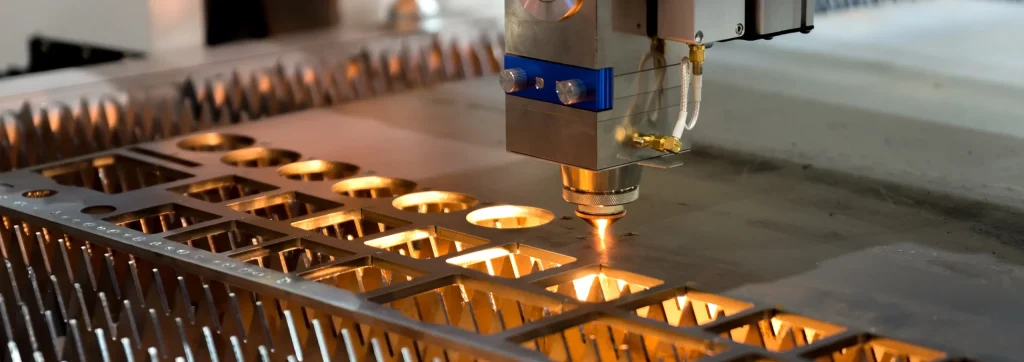
Laser cutting metal is a high-speed process that uses concentrated laser beams to slice through sheet metal with incredible accuracy. It’s best suited for thin to medium-thick materials like steel, stainless steel, and aluminum. The precision helps in cutting complex patterns or intricate designs with minimal waste. Laser cutting metal is often used for detailed prototypes, signage, and decorative parts where detail and surface finish matter. For projects requiring fine detail, laser cutting is an excellent choice.
CNC Plasma Cutting: Cost-Effective Thick Metal Cuts
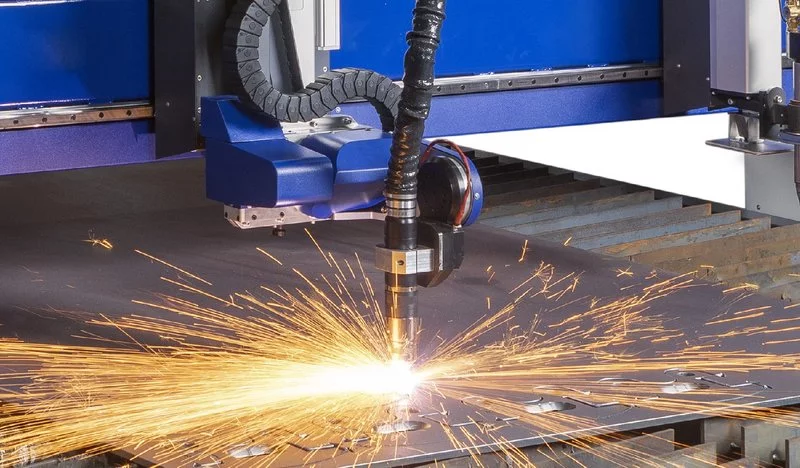
CNC plasma cutting offers a cost-effective way to cut thick steel and other conductive metals. It uses a high-temperature plasma arc to quickly traverse large sheets or blocks of metal. While it might not match laser cutting’s precision, plasma cutting is fast and powerful for heavy-duty tasks like structural steel fabrication or large industrial parts. It’s widely used in industries where speed and size are priorities.
Waterjet Cutting: Cold, No-Heat Process for Sensitive Materials
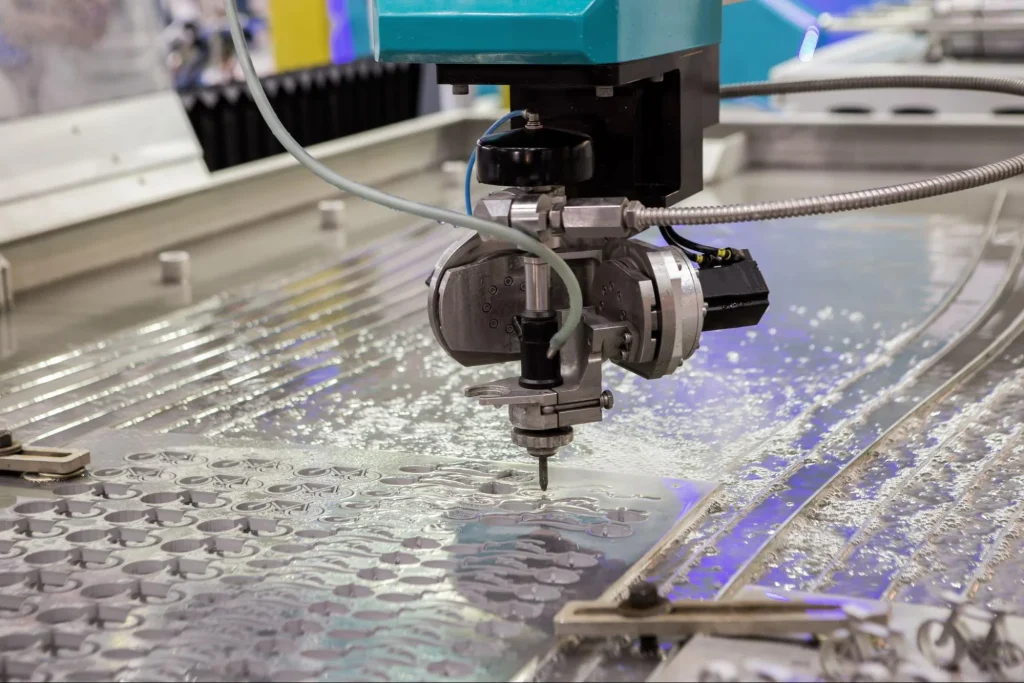
Waterjet cutting utilizes a high-pressure jet of water mixed with abrasive particles to cut metals and other materials without generating heat. This cold cutting process is perfect for sensitive or heat-sensitive metals, like certain alloys or composites, where surface integrity is critical. Waterjet cutting produces smooth edges with no warping or burrs, making it popular for custom fabrication, aerospace, and artistic projects. It’s an essential technique for precision metal cutting when heat distortion isn’t an option.
Electrical Discharge Machining (EDM): Intricate, Hard Material Cutting
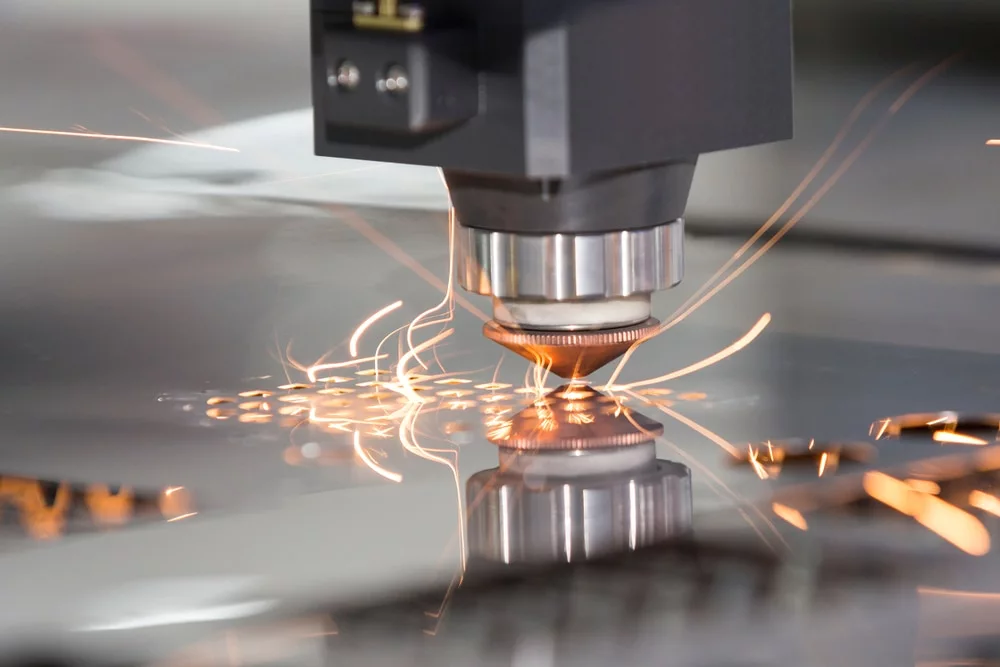
EDM is unique—it uses electrical sparks to erode hard materials like tool steel or tungsten. This process produces incredibly precise cuts, especially for complex geometries or tiny internal features that are difficult with traditional CNC metal machining. While slower than other methods, EDM is unmatched for accuracy on hard metals and for creating molds, dies, and intricate components in high-end manufacturing.
By understanding these core CNC metal cutting processes, manufacturers can select the right method to meet project specifications and budget. Whether you need high-speed sheet metal cutting or detailed, hard-material machining, there’s a technique suited for your manufacturing needs.
Materials Compatible with CNC Metal Cutting
CNC metal cutting techniques work well with a variety of common metals, including aluminum, steel, stainless steel, titanium, brass, and copper. These materials are widely used because they can be precisely machined into complex shapes and tight tolerances, making them ideal for many manufacturing needs. Whether you’re producing aerospace parts or custom prototypes, CNC machining services can handle these metals efficiently.
When selecting materials for CNC metal fabrication, several factors come into play:
- Strength: Ensures the part can withstand operational stresses.
- Corrosion resistance: Critical for parts exposed to moisture or harsh environments.
- Cost: Balances budget constraints with material performance.
- Machinability: Refers to how easily a material can be cut and shaped without excessive tool wear or process complications.
For example, aluminum is popular for its excellent machinability and light weight, while stainless steel offers superior corrosion resistance. Titanium is favored in aerospace for its strength-to-weight ratio, but it can be more challenging to machine. Choosing the right material depends on your project’s end-use requirements and budget considerations.
If you’re looking for high-precision CNC machining services tailored to these metals, understanding these factors helps ensure you get the best results for your project.
Machines, Tooling, and Technological Advances in CNC Metal Cutting
When it comes to CNC metal cutting, having the right equipment and tools makes all the difference. Types of CNC machinery include CNC mills, lathes, and hybrid systems that combine multiple functions. Milling machines are great for versatile material removal, especially for complex shapes, while CNC turning is ideal for cylindrical parts like shafts and sleeves. Hybrid CNC systems now offer combined capabilities, boosting efficiency and reducing setup times—more on this can be found in 5-axis CNC machining services vs. 3-axis.
Recent advances include high-speed spindles, which enable faster cutting and smoother finishes, and automation technologies, like robotic load/unload systems, helping to cut costs and improve throughput. These innovations keep modern metal fabrication CNC highly competitive.
Tooling has also evolved. Carbide tools are popular for their durability and ability to hold tight tolerances, especially in high-speed metal cutting, while high-speed steel tools can be a cost-effective choice for softer metals or slower operations. Coatings such as Titanium Nitride (TiN) extend tool life by reducing wear, keeping production smooth and reliable.
On the software side, CAD/CAM integration plays a vital role. Advanced simulation tools help predict potential errors before actual machining, significantly reducing material waste and setup time. This integration allows for precise, repeatable, and high-quality machined parts—an essential factor in tight tolerance machining for industries like aerospace and medical devices.
By leveraging the latest CNC equipment, tooling, and software, manufacturers can achieve higher precision, faster turnaround, and better overall quality.
Design for Manufacturability (DFM) Tips for CNC Metal Cutting
To get the best results from CNC metal machining, it’s essential to keep design for manufacturability (DFM) in mind from the start. Good design reduces costs, speeds up production, and improves quality.
Optimize Part Design
Focusing on key design features helps make CNC metal cutting more efficient:
| Feature | Tips |
|---|---|
| Wall thicknesses | Keep walls at least 0.04 inches for stability and machinability. Thicker walls reduce warping and tool wear. |
| Fillet radii | Use fillets of at least 0.02 inches to avoid stress points and facilitate smooth tool paths. |
| Hole sizes | Design holes large enough for the chosen CNC cutting tools, typically 0.02 inches or bigger, to prevent breakage. |
Avoid Common Pitfalls
Certain design choices can cause problems down the line:
- Deep pockets: These can lead to tool chatter and difficulty in clearing chips. Keep pockets shallow or plan for multiple setups.
- Thin features: Features thinner than 0.02 inches are hard to machine accurately and may break or warp during cutting.
File Formats & Early Collaboration
Using standard file formats like STEP or IGES is key to seamless CNC programming. Sharing your designs early with your machining partner helps catch potential issues before they become costly.
Getting involved in early discussions reduces revisions, speeds up turnaround, and ensures your project stays within budget.
For more tips on optimizing your designs for CNC precision metal cutting, check out our best 5-axis CNC machining services.
Factors Impacting Cost, Speed, and Quality of CNC Metal Cutting
Several key factors can influence the overall cost, speed, and quality of your CNC metal cutting projects. Understanding these helps you plan better and choose the right manufacturing partner.
Material and Quantity Effects
- Material Type: Harder metals like titanium or stainless steel cost more to cut because they require tougher tools and longer machining time.
- Order Quantity: Larger runs typically reduce per-part costs, thanks to setup efficiencies and bulk tooling.
Complexity and Tolerance Requirements
- Design Complexity: More intricate shapes or tight features increase machining time and tool wear, raising costs.
- Tolerance Levels: Tight tolerances demand precision, often needing slower speeds, better tooling, and more post-processing, which can add to expenses.
Setup Time and Post-Processing
- Setup Time: Custom fixtures or complex setups take longer, impacting overall project schedules and costs.
- Post-Processing: Finishing steps like deburring, polishing, or coating can add time and expenses, especially for high-precision parts.
In-House vs. Outsourcing
- In-House Machining: Gives more control but requires significant initial investment.
- Outsourcing: Usually more cost-effective for small batches or complex parts, with access to advanced CNC machinery and the latest tech like high-speed metal cutting and automation.
Choosing the right strategy depends on your project’s complexity, volume, and desired quality. It’s worth weighing these factors to strike a
Real-World Applications of CNC Metal Cutting
CNC metal cutting plays a crucial role across many industries, thanks to its ability to produce highly precise and consistent parts. In aerospace, it’s used to create lightweight, complex components that need to meet strict safety and performance standards. These parts often require tight tolerance machining to ensure perfect fit and function, especially in flight-critical systems.
In the automotive sector, CNC machining services are key for prototyping and producing custom components. From engine parts to body fixtures, companies rely on high-speed metal cutting to deliver both quality and speed. CNC milling metal is common here, allowing manufacturers to quickly iterate on designs with minimal scrap.
Medical device manufacturing benefits greatly from CNC prototyping metal and precision metal cutting. The ability to produce biocompatible, intricate parts with high surface finish quality ensures safety and reliability for patients. This application demands tight tolerance machining to meet strict medical standards.
Other areas like electronics, architecture, and general fabrication also depend on CNC metal cutting. Sheet metal CNC cutting, for instance, helps craft precise enclosures for electronic devices or architectural features with complex geometries.
Several case studies highlight how CNC machining has solved complex manufacturing challenges—delivering parts with the exact specifications needed to meet demanding performance and safety criteria. This versatility showcases why CNC metal cutting remains an essential tool for modern industry.
How to Choose the Best CNC Metal Cutting Partner
Picking the right partner for CNC metal cutting is key to ensuring your project’s success. Here’s what to look for:
Evaluating Capabilities and Equipment
Make sure the provider has the right CNC machining services, including CNC milling, turning, laser cutting, or waterjet cutting. Check their machinery’s age and versatility—modern equipment like 5-axis machining can handle complex parts with tight tolerance machining. For example, MS Machining offers advanced CNC equipment capable of high-speed metal cutting and complex geometries.
Certifications and Quality Standards
Look for certifications like ISO 9001 or AS9100. They show the shop follows strict quality standards, which is crucial for industries like aerospace or medical devices. Certifications indicate a focus on precision metal cutting and reliability.
Lead Times, Cost, and Customer Support
Fast turnaround times without sacrificing quality are essential. Get clear estimates on lead times and costs. A trustworthy partner, like MS Machining, provides transparent communication, helping you plan better. Good customer support means quick answers to technical questions about CNC prototyping metal or sheet metal CNC cutting.
Experience with Materials and Projects
Ensure the company has experience working with your materials—aluminum, steel, titanium, or copper. Check their track record in handling complex projects and tight tolerance machining.
Why MS Machining Stands Out
MS Machining’s commitment to quality and precision makes us a top choice. Our team has extensive experience with various materials and high-speed metal cutting. We focus on delivering parts that meet your specifications and deadlines. Whether you need intricate CNC machining for aerospace components or durable parts for industrial use, we got you covered.
Choosing a partner with the right capabilities and a proven track record helps ensure your project is done right the first time.
Common Challenges and Practical Solutions in CNC Metal Cutting
When working with CNC metal cutting, it’s normal to encounter some challenges that can affect quality, speed, and cost. Tool wear is a big one—plus, thermal distortion and burrs tend to pop up if not managed properly. Programming errors and setup mistakes can also lead to wasted material and delays.
To keep things running smoothly, here are some effective solutions:
- Tool Wear: Regularly monitor and replace cutting tools, especially when using high-speed metal cutting techniques. Using high-quality carbide tools that are coated can extend their lifespan.
- Thermal Distortion: Using coolant or even air blast helps keep temperatures down, reducing warping or distortion. Proper cooling not only improves precision but also prolongs tool life—check out micro-tip precision engineering for advanced heat management solutions.
- Burrs: Minimize burr formation with optimized cutting speeds and feed rates. Post-processing techniques like deburring machines or manual finishing can also help achieve tight tolerance machining and better surface finishes.
- Programming & Setup Errors: Double-check computer-aided design (CAD) and CAM files before starting. Using simulation software can catch errors early, saving time and material.
Consistently applying these mitigation techniques ensures high-precision results and keeps your CNC metal machining projects on track. Proper setup, tooling, and process control make a huge difference in delivering quality parts efficiently.
Emerging Trends and Future of CNC Metal Cutting
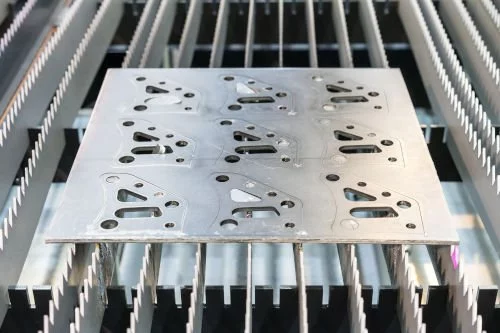
The world of CNC metal cutting is constantly evolving, driven by new technology and industry demands. AI-assisted programming is transforming how we set up and optimize machining processes, making them faster and more accurate. This technology helps prevent errors early, ensuring tight tolerances and better surface finishes.
Automation is also playing a bigger role, with lights-out manufacturing gaining traction. This means machines can operate with minimal human intervention, boosting productivity and reducing labor costs—especially crucial for high-speed metal cutting and complex parts.
Sustainable practices are becoming a priority, with recycling and eco-friendly coolant options gaining popularity. Manufacturers are increasingly focused on reducing waste and energy use, aligning with environmentally responsible manufacturing standards.
Finally, hybrid systems that combine additive manufacturing with traditional CNC metal cutting are opening new design possibilities. These systems enable creating lightweight, intricate parts faster and more cost-effectively, meeting the growing needs for precision metal cutting in industries like aerospace and medical devices.
Staying ahead in this field requires embracing these emerging trends, which are shaping the future of CNC machining services and metal fabrication CNC.
Final Thoughts on CNC Metal Cutting
CNC metal cutting offers a range of key benefits that make it essential in modern manufacturing. From high precision and consistent repeatability to scalable production, the process ensures quality results whether for small prototypes or large batches. Understanding the different core processes—like CNC milling, turning, laser, and waterjet cutting—helps you choose the right method for your project.
Partnering with experienced providers like MS Machining can make a big difference. They bring expertise, advanced equipment, and strong quality standards that ensure your parts meet tight tolerances and surface finish expectations. Whether it’s complex aerospace components or custom automotive parts, working with pros helps avoid costly mistakes and speeds up delivery.
Ready to get started? Contact MS Machining today to discuss your project and see how our CNC machining services can deliver precise, reliable results for your metal fabrication needs.