
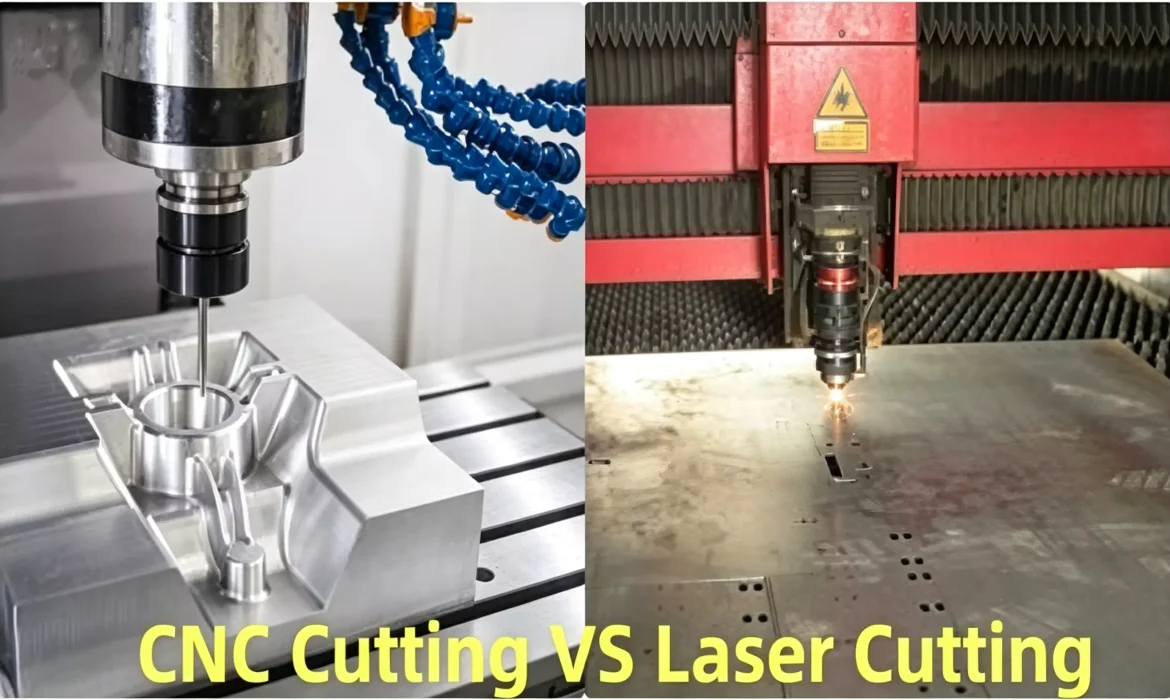
Are you trying to decide between CNC cutting and laser cutting for your project? Understanding the key differences can save you time, money, and frustration. Both methods are powerful, but they serve different needs—whether you’re working with wood, metal, or plastics, and whether you need intricate detail or heavy-duty cuts. In this article, you’ll discover how each process works, their strengths and limitations, and which one best fits your material, design, and budget. Get ready to make an informed choice that takes your creative or manufacturing goals to the next level.
What Is CNC Cutting?
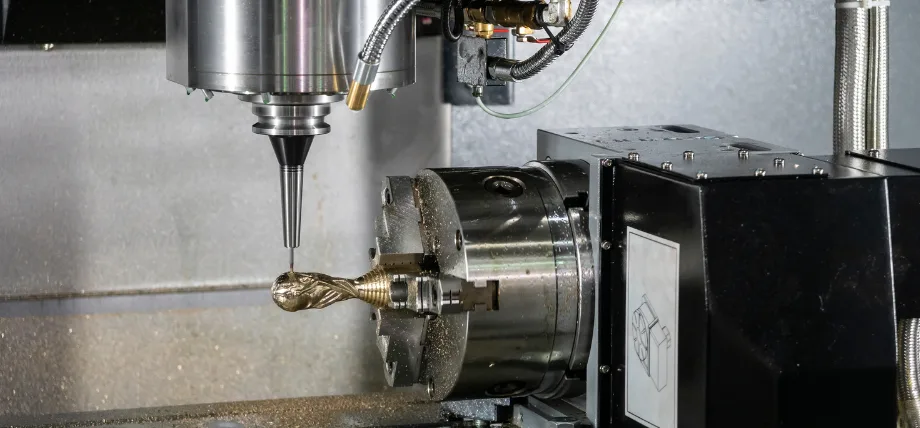
CNC cutting refers to a process where computer-controlled machines precisely cut and shape materials like wood, metal, plastics, and composites. This technology uses programmed toolpaths that direct cutting tools to follow exact paths, ensuring high accuracy and repeatability.
Basic Mechanism of CNC Routing and Milling
At its core, CNC routing and milling involve software that guides a machine tool along predetermined paths. A typical CNC machine uses a spindle that rotates cutting bits or tools at controlled speeds. As the machine follows the computerized design, it removes material gradually, creating complex shapes and details. The process can handle a variety of operations such as cutting, drilling, or pocketing, all governed by precise computer commands.
Types of CNC Machines
There are several types of CNC machines, each suited for different applications:
- CNC Routers: Ideal for cutting softer materials like wood, plastics, and composites. Perfect for signage, furniture components, and detailed engraving.
- CNC Mills: Designed for more heavy-duty work on metals and thicker materials. They often have multiple axes for intricate 3D shaping.
- 3D CNC Machines: These machines integrate multi-axis capabilities, allowing complex, three-dimensional carvings and sculpting.
How CNC Cutting Works
CNC cutting operates through a combination of computer programming and precise mechanical movement. Basic steps include:
- Programming: Creating a digital design with specific toolpaths.
- Toolpath Control: The machine follows the programmed routes, adjusting spindle speeds and feed rates for efficiency and quality.
- Multi-Axis Options: More advanced CNC machines can move in multiple directions, enabling complex geometries and 3D shapes.
Common Applications of CNC Cutting
CNC cutting is widely used across various industries:
- Signage and display making
- Furniture components and cabinetry
- Mold making for casting or plastic parts
- Structural parts for machinery or construction
- Intricate engraving and pocketing for artistic or functional purposes
Advantages of CNC Cutting
Some of the key benefits include:
- Depth Control: Precise control over cutting depths, ideal for complex or layered designs.
- Handling Thick Materials: Suitable for thicker stock that other methods can’t easily cut.
- Versatility: Can use multiple tools to produce complex geometries and detailed features.
Limitations of CNC Cutting
However, CNC cutting isn’t perfect for every project:
- Tool Wear: Cutting tools can wear out over time, needing replacements.
- Speed: Slower for high-detail small features compared to laser cutting.
- Surface Finishing: May produce burrs or surface imperfections that require post-processing.
In , CNC cutting offers a reliable and versatile option for machining thick, complex parts with high precision, though it involves considerations like tool wear and setup time. Whether you’re working with metal, plastic, or wood, understanding these basics can help you decide if CNC cutting is the best fit for your project.
What Is Laser Cutting?
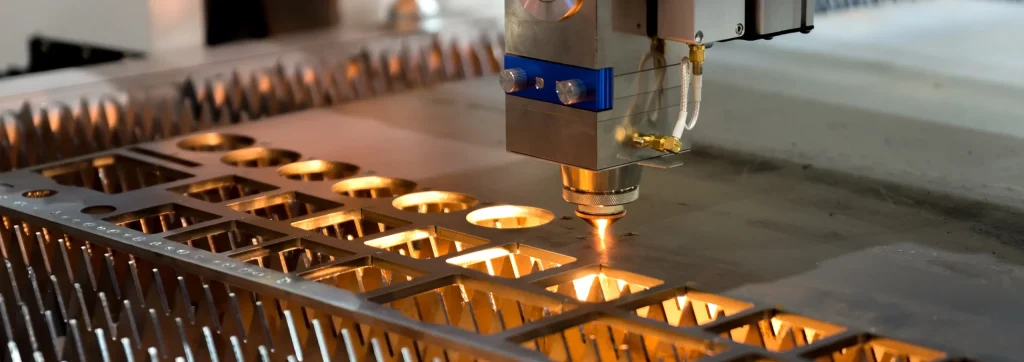
Laser cutting technology uses focused high-energy laser beams to cut or engrave materials with precision. This non-contact process involves directing a concentrated laser beam along a programmed path to melt, burn, or vaporize the material, creating clean and detailed cuts. It’s ideal for producing intricate designs and fine detail work, especially in industries like signage, decorative panels, and prototypes.
There are different types of lasers used in laser cutting, primarily CO2, fiber, and diode lasers. Each type suits specific applications: CO2 lasers excel at cutting non-metals like wood and acrylic, fiber lasers are great for metals, and diode lasers are often used for small-scale or specialized jobs.
In terms of how it works, laser cutting is a thermal process. The focused beam heats up the material intensely, melting or vaporizing it precisely along the desired path without physical contact. This makes laser cutting highly accurate and fast, especially for thin materials.
Some common applications for laser cutting include creating detailed 2D designs, prototypes, signage, decorative panels, and thin sheet fabrication. The process produces smooth edges with minimal post-processing, making it a popular choice for high-volume and detailed work.
Advantages of laser cutting include high speed, precise detail, no tool wear, and minimal material distortion—all of which help ensure high-quality results. It’s especially effective for creating intricate patterns and small features. You can learn more about laser for CNC cutting here.
However, there are some downsides to consider. Laser cutting is typically limited to thinner materials—usually up to a few inches thick depending on the laser type—due to the heat-affected zones that can cause warping or discoloration. Additionally, the process generates fumes and smoke, necessitating proper ventilation, and it may produce heat damage on certain reflective materials.
CNC Cutting vs Laser Cutting: Head-to-Head Comparison
| Aspect | CNC Cutting | Laser Cutting |
|---|---|---|
| Cutting Mechanism | Contact or friction-based tools (routers, mills) | Non-contact, thermal process using focused laser beams |
| Precision & Detail | Good for internal corners, limited by tool radius | Very sharp and detailed, ideal for intricate designs |
| Speed | Varies depending on material and project complexity | Usually faster for flat, detailed cuts, especially in thin materials |
| Material Thickness Handling | Better suited for thicker, 3D work | Works best with thinner sheets, limited thickness capacity |
| Edge Quality | Smooth edges, but may require finishing | Sharp, clean edges with minimal finishing needed |
| Waste & Cleanup | Chips and dust, easy to collect | Fumes and smoke, need extraction systems |
| Noise & Setup | Noisy, requires fixture setup and tool changes | Quieter, quick setup but needs safety precautions |
| Cost Factors | Higher initial investment, tooling costs, higher per-part costs for small runs | Lower maintenance, faster for high-volume runs, lower per-piece costs |
- CNC cutting handles thick, complex, or 3D parts well with good depth control but might produce burrs and wear over time.
- Laser cutting excels in producing precise, detailed, and clean edges on thinner materials, making it ideal for quick prototyping and intricate designs.
Choosing between the two depends on your project size, material, and detail requirements. For thicker or 3D parts, CNC is generally better, while laser cutting is perfect for detailed, flat designs with tight tolerances.
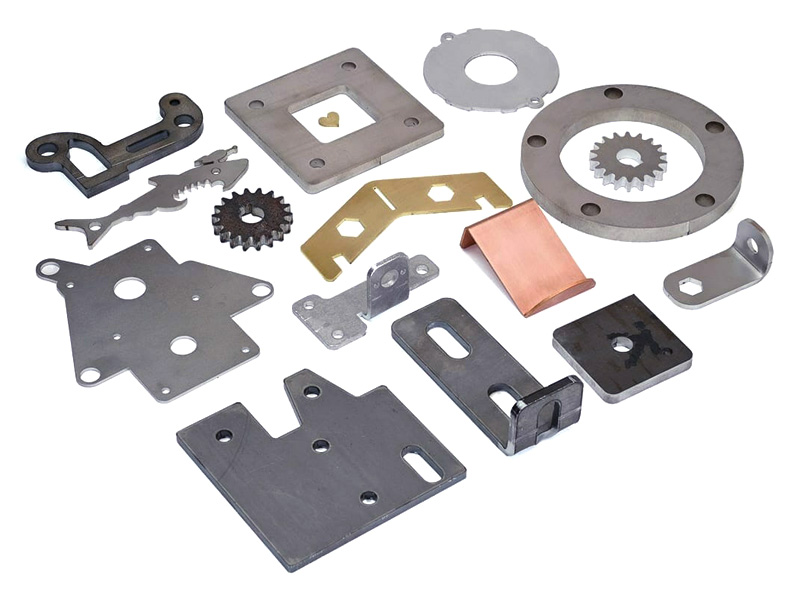
Pros and Cons of CNC Cutting
Advantages of CNC Cutting
CNC cutting is great when working with thick, heavy, or complex 3D parts. Its ability to precisely control depth means you can make intricate cuts without sacrificing accuracy. The variety of tooling options allows for cutting different materials and shapes, making it highly versatile. One big plus is that CNC cutting produces minimal heat distortion, so the shape remains true to the design—even with tougher materials like metals or dense woods.
Disadvantages of CNC Cutting
However, CNC machines do come with some downsides. Tool wear is a common issue because the cutting tools are constantly in contact with the material, which can lead to increased maintenance costs. Setup times tend to be longer compared to other methods, especially for small runs. For very detailed or tiny features, CNC can be slower and less efficient. Additionally, it can create burrs or rough edges that might require post-process finishing.
Ideal Use Cases for CNC Cutting
CNC cutting excels when projects need significant depth, involve large or thick stocks, or require complex 3D features. It’s perfect for manufacturing structural components, molds, or furniture parts where precision and durability are critical. If your project involves heavy-duty machining or tough materials like metals and thick plastics, CNC is often the best choice. For more information on CNC machining of metal parts, you can explore MS Machining’s metal CNC machining services.
Pros and Cons of Laser Cutting
Advantages of Laser Cutting
Laser cutting offers several big advantages. It provides high precision and detailed cuts, making it perfect for intricate designs and prototypes. The process is fast and requires low maintenance, which helps keep production costs down—especially for high-volume runs like signage or decorative panels. Plus, because there’s no physical contact with the material, there’s minimal tool wear, and the clean edges often mean little to no post-processing is needed. For those in the U.S. looking to speed up production without sacrificing quality, laser cutting can be a game-changer, especially when working with thin sheets of materials like acrylic, paper, or thin metals.
Disadvantages of Laser Cutting
However, laser cutting does have its limitations. It’s generally best suited for thinner materials, usually up to a few millimeters thick, depending on the laser type. When cutting thicker materials, the heat-affected zone can lead to warping or discoloration. Fumes and smoke generated during the process require good ventilation and proper fume extraction systems—these are especially important in smaller workshops or manufacturing setups. Additionally, reflective materials like certain metals can pose challenges for laser cutting, often needing specialized equipment or techniques to avoid damage.
Ideal Use Cases for Laser Cutting
Laser cutting really shines in applications that demand fine detail and high speed. It’s ideal for creating intricate patterns, detailed engravings, and prototypes in materials like wood, plastics, and thin metals. Whether you’re making decorative panels, signage, or small batch custom parts, laser cutting allows for rapid turnaround and a clean finish, making it a popular choice for many American manufacturers focused on high-quality, detailed work.
Material Compatibility: Which Process Is Better?
Choosing between CNC cutting and laser cutting really depends on the material you’re working with.
Wood and plastics are versatile options where both methods work well. CNC is great for thicker cuts or parts that need 3D shaping, like furniture components or molds. Laser cutting, on the other hand, is ideal for quick, precise engraving or intricate designs on thinner sheets, such as acrylic signs or decorative panels. If you want more detail and speed on plastics, laser cutting often wins.
Metals are a bit more specialized. For thin metal sheets with clean edges, fiber laser cutting offers high speed, minimal burrs, and sharp detail. When working with heavier or more complex metal parts that require milling or 3D features, CNC milling becomes the top choice. This process handles thicker metals better and gives more control over complex geometries. If you’re unsure whether CNC or laser is better for metal, check out CNC milling for metal for more insights.
Other materials like foams, composites, or fabrics come with unique challenges regarding fumes and heat. Laser cutting is popular here because it can produce fine details with minimal waste, but it requires good ventilation since it produces fumes and fumes that need extraction. CNC cutting can handle these materials too, especially when thickness or shape complexity is high. Ultimately, selecting the right method depends on your project’s tolerance for heat, waste, and finish quality.
Edge finish, tolerances, and waste are also key factors in deciding. CNC typically offers better control over depth and tolerances for thicker or heavy-duty parts, while laser cutting provides clean, sharp edges ideal for decorative work. When choosing, consider how much post-processing or finishing your material will need after cutting.
Cost, Speed, and Production Strategies
When deciding between CNC cutting and laser cutting, understanding the costs, speed, and how they fit into your production plan is essential. Initial equipment costs can vary a lot, with CNC machines often requiring a bigger upfront investment due to their versatility and ability to handle complex 3D parts. On the other hand, laser cutters tend to have a lower initial cost, especially for smaller setups focused on detailed, high-speed work. Both processes have different operational costs—CNC machines may need more maintenance and tooling replacements over time, while laser cutters need proper ventilation and fume extraction systems.
Speed is another key factor. Laser cutting is typically faster when it comes to nestling flat parts, especially for thin materials like acrylic, wood, or metal sheets. It’s great for quick turnaround on prototypes or signage. CNC cutting, however, excels for more detailed or heavy removal tasks, such as carving 3D forms or thicker materials. If you’re working on projects requiring precise depth or complex shapes, CNC milling or routing is often the way to go—more info on this can be found in our CNC prototyping benefits.
Volume scalability is important too. For small batches or custom jobs, in-house CNC or laser machines offer flexibility and faster turnarounds. For large-scale production, outsourcing might be more cost-effective, especially if you need to keep machinery and labor costs down. Whether you choose to keep things in-house or outsource depends on your project size and budget. For more guidance on CNC machining costs and how they fit into your production plan, check out our CNC machining cost guide.
How to Decide: CNC Cutting or Laser Cutting?
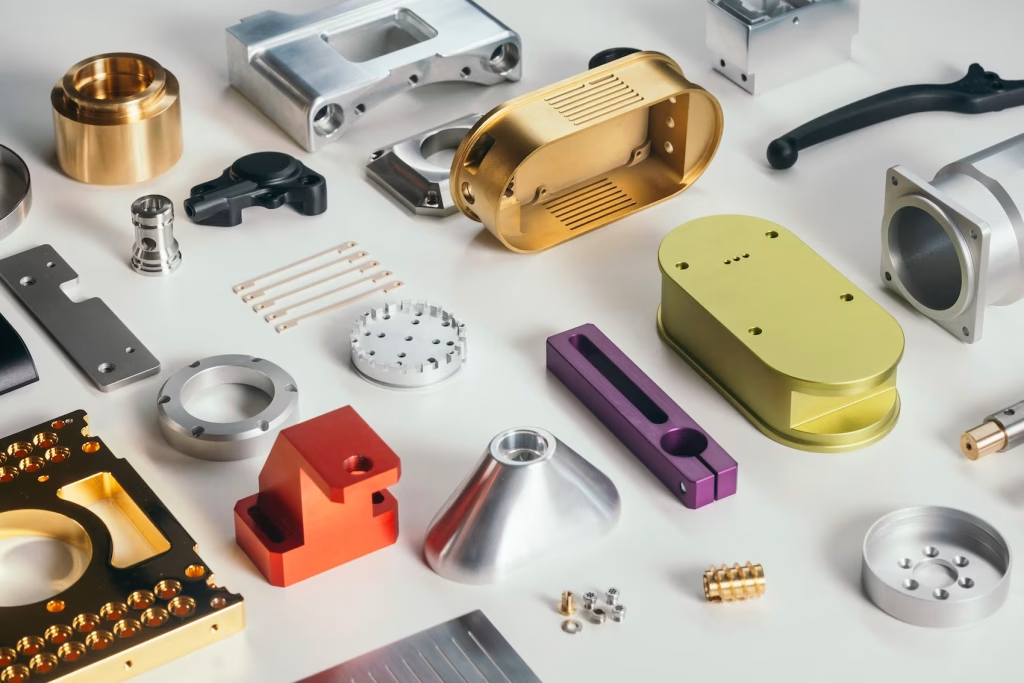
Choosing between CNC cutting and laser cutting depends on several key factors like material type, thickness, design complexity, volume, budget, and the desired finish quality.
Key Questions to Ask
- What material are you working with?
CNC cutting handles thicker metals and 3D parts well, while laser cutting is perfect for thin sheets and intricate designs. - How complex is the design?
Laser cutters excel at precision and detailed 2D patterns, whereas CNC is better suited for complex 3D shapes and heavy-duty work. - What’s the volume?
For high-volume runs and rapid prototyping, laser cutting offers speed and minimal maintenance. CNC is ideal for low-volume, custom, or heavy-duty projects. - What’s your budget?
While laser equipment can be less costly initially for flat, detailed parts, CNC machines tend to require a bigger investment but provide greater versatility. - What finish do you need?
Laser cutting produces clean edges with minimal post-processing, making it great for decorative panels and signage. CNC cutting may leave burrs or surface roughness that need finishing.
Decision Framework
- Use CNC cutting if your project involves thick materials, 3D carving, or heavy-duty parts. It’s great for handling large, complex, or layered workpieces.
- Opt for laser cutting when your focus is on fine detail, speed, and high-volume production of thin sheets or intricate patterns.
Combining Both Methods
Sometimes, integrating CNC and laser cutting can provide a better result. For example, you might use laser cutting for detailed surface designs and CNC for shaping thicker, more complex parts. This hybrid approach helps maximize efficiency and quality.
Real-World Scenarios and Tips
- For manufacturing custom furniture parts with intricate engraved details, laser cutting is usually the go-to option.
- When producing large, thick metal structures or complex 3D components like molds or structural parts, CNC is the stronger choice.
- Consider if you need quick turnaround with high precision—laser cutting’s speed and sharp detail make it ideal here.
- On the other hand, if your project involves heavy materials or deeper cuts, CNC’s depth control and ability to handle thick stock are key advantages.
Deciding between CNC cutting and laser cutting doesn’t have to be complicated. By evaluating your project’s needs along these lines, you can choose the right process or even combine both for the best results. For custom projects or production planning, consulting with experts like MS Machining can also help ensure you pick the best technology for your specific needs.
Final Thoughts
In , understanding the key differences between CNC cutting and laser cutting helps you choose the right technology for your specific project. CNC cutting excels at handling thick, complex, 3D parts with precise depth control, making it ideal for larger, heavy-duty applications. On the other hand, laser cutting shines when it comes to intricate 2D designs, detailed engravings, and fast turnaround times for thin materials. Matching the right process to your material, design complexity, and volume needs can significantly improve your final results.
For personalized advice tailored to your project, I recommend consulting with experts like MS Machining. They can help you navigate options and suggest the best cutting method for your application, whether it’s CNC routing, milling, or laser cutting.
As manufacturing technology continues to evolve, hybrid solutions that combine CNC and laser techniques are becoming more popular. These options offer greater efficiency, higher quality, and better flexibility, enabling you to meet the demands of modern fabrication projects more effectively.