
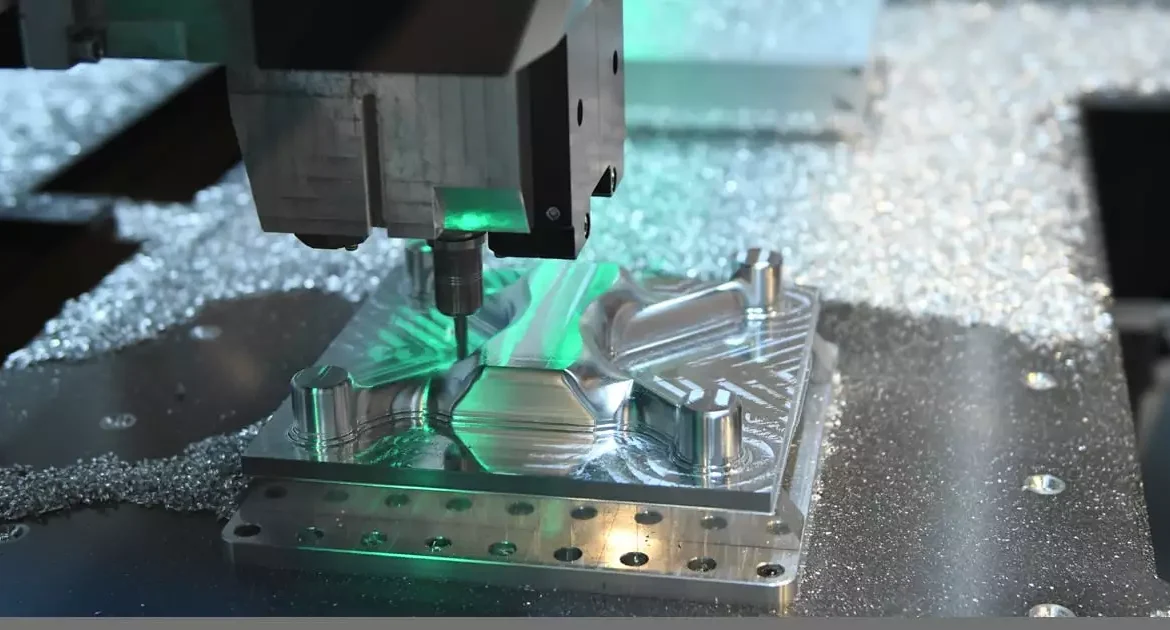
In today’s fast-paced manufacturing world, speed and precision aren’t just goals—they’re survival factors. If you’re looking to slash cycle times, boost part accuracy, and stay competitive, high speed CNC machining could be your game changer. This isn’t just about cranking up spindle speeds; it’s a refined process combining optimized toolpaths, advanced tooling, and machine dynamics to deliver unmatched efficiency and surface quality. Whether you’re prototyping complex aerospace components or ramping up production on intricate medical parts, understanding high speed milling unlocks new possibilities. Ready to see how these cutting-edge techniques can transform your projects? Let’s dive in.
What Is High Speed CNC Machining?
High speed CNC machining (HSM CNC) is a precision manufacturing process characterized by spindle speeds exceeding 15,000 RPM, high feed rates, and shallow cuts designed to maximize metal removal rates (MRR) efficiently. Unlike conventional CNC milling, which often relies on deeper cuts and slower speeds, high speed CNC machining focuses on light, fast passes that reduce cutting forces and heat buildup, promoting better tool life and superior surface finishes.
The core philosophy behind high speed milling emphasizes maintaining stable thermal conditions and proactive tool management, allowing shops to achieve rapid CNC prototyping and production without sacrificing accuracy. This approach minimizes vibration and thermal distortion, critical for tight tolerance parts in aerospace, medical devices, and electronics.
Historically, high speed machining evolved alongside advances in CNC controls and CAM software, integrating adaptive clearing toolpaths and optimized speeds and feeds calculations that enable trochoidal milling and other innovative techniques. Modern CNC machines now combine rigid frames, high RPM spindles, and sophisticated motion control, making high speed CNC machining an essential option for manufacturers seeking faster cycle times and enhanced productivity.
High Speed CNC Machining vs Conventional CNC Machining
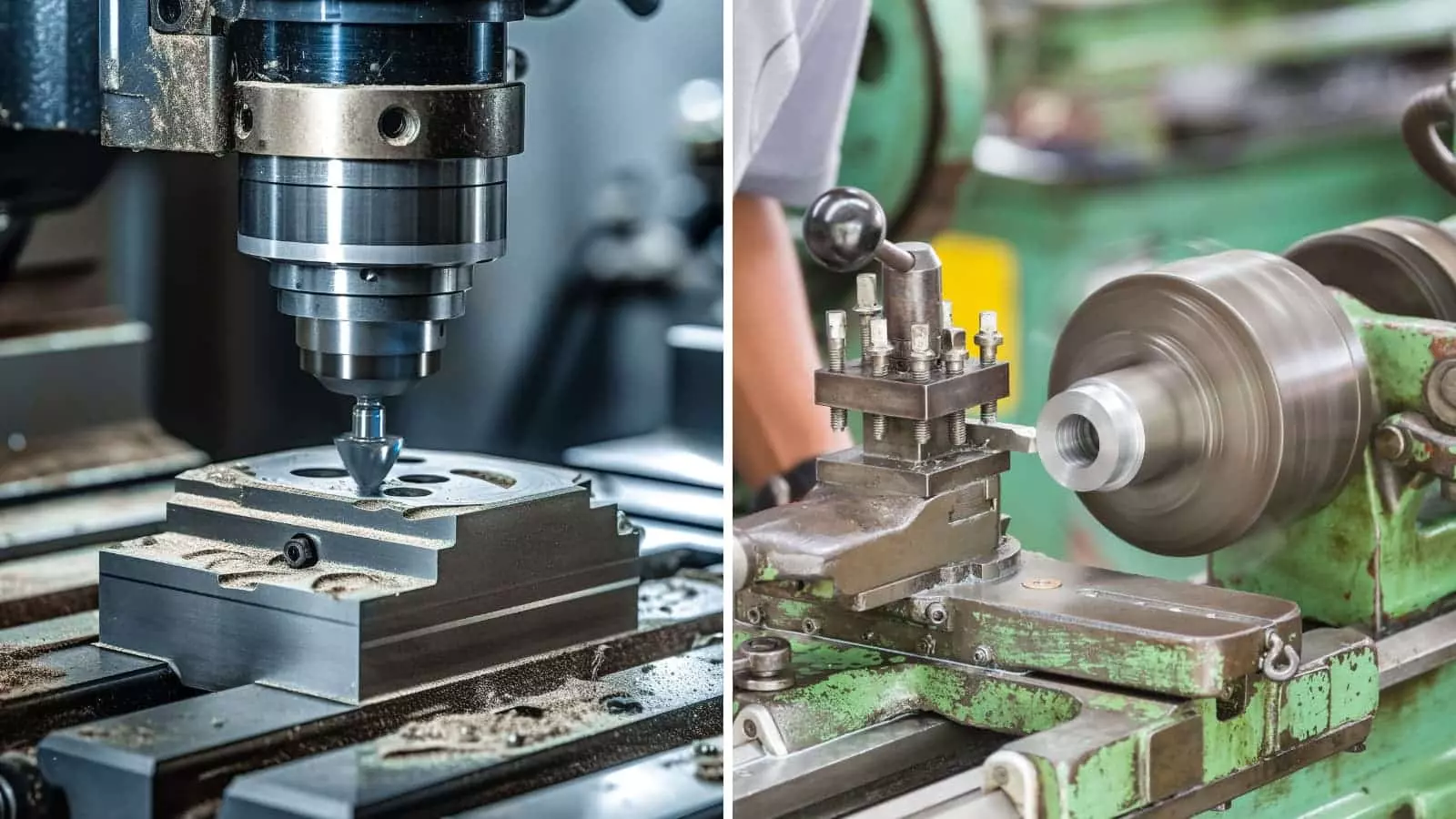
High speed CNC machining (HSM) and conventional CNC machining differ significantly in how they handle spindle speeds, feed rates, cut depths, and overall metal removal rates (MRR). Understanding these differences helps decide which process fits your project best.
| Aspect | High Speed CNC Machining (HSM) | Conventional CNC Machining |
|---|---|---|
| Spindle Speed (RPM) | Over 15,000 RPM (often 20,000+ RPM) | Usually 3,000 to 12,000 RPM |
| Feed Rates | High feed rates, optimized for shallow cuts | Moderate feed rates, deeper cuts |
| Cut Depth | Shallow passes to reduce heat and tool wear | Deeper cuts, heavier material removal |
| Metal Removal Rate | High through rapid, repeated light cuts | High with fewer, deeper passes |
| Heat Generation | Lower due to quick passes and chip thinning | Higher, increased thermal distortion |
| Tool Wear | Reduced wear with stable RPM and cooling | Higher wear from heavier cuts and heat |
| Surface Finish | Superior finish, often no secondary polishing | Requires finishing in many cases |
| Accuracy & Tolerance | Better with less deformation | Good but may need more correction |
| Best Geometries | Complex, intricate shapes, thin walls | Simpler, bulkier parts, heavy cuts |
When to Choose High Speed CNC Machining vs Conventional
- Choose HSM if:
- You need superior surface finishes.
- Your parts have intricate, thin, or complex geometries.
- Faster cycle times and higher accuracy matter.
- You want to reduce secondary finishing steps.
- Choose Conventional CNC if:
- Parts are large, heavy, and require deep cuts.
- The job volume is low and tooling cost needs minimizing.
- You deal mainly with tough metals where HSM struggles.
Table: HSM vs Conventional
| Factor | High Speed CNC Machining | Conventional CNC Machining |
|---|---|---|
| Cycle Time | Faster | Slower |
| Surface Finish | High (often no polishing needed) | Moderate (may require polishing) |
| Tool Life | Longer | Shorter |
| Heat & Thermal Load | Low | Higher |
| Setup Cost | Higher (more advanced machines) | Lower |
| Part Complexity | Best for complex, detailed parts | Best for simple, heavy cuts |
Using high speed milling or high spindle speed machining delivers faster, cleaner results when precision and fine details matter. For more on materials suitable for these methods, check our detailed guide on what materials a CNC machine can cut.
Key Benefits of High Speed CNC Machining
High speed CNC machining delivers several clear advantages over conventional methods, making it a go-to choice for many U.S. manufacturers. Here’s why it stands out:
| Benefit | Explanation |
|---|---|
| Faster cycle times | Higher spindle speeds and feed rates slash machining time, speeding up lead times. |
| Improved surface finish | Fine, shallow cuts reduce the need for secondary polishing and finishing. |
| Enhanced accuracy | Precise control of toolpaths and thermal management leads to tighter tolerances. |
| Longer tool life | Efficient chip evacuation and optimized cutting reduce wear on tooling. |
| Lower thermal distortion | Light, fast passes minimize heat buildup, preserving part integrity. |
| Higher productivity | Greater metal removal rates (MRR) boost overall throughput and reduce costs. |
| Reduced burr formation | Cleaner cuts produce less burr, lowering post-processing time and improving part quality. |
This mix of speed, precision, and cost-effectiveness makes high speed CNC machining an excellent choice for industries needing quick turnaround without compromising quality. For manufacturers looking to get more consistent and reliable results, mastering high feed rate CNC along with optimized toolpaths boosts productivity significantly.
To explore how these benefits integrate within varied machining setups, check out our detailed guide on CNC precision machined parts and discover advanced 4-axis and 5-axis CNC capabilities for complex geometries.
Core Techniques and Best Practices for High Speed CNC Machining
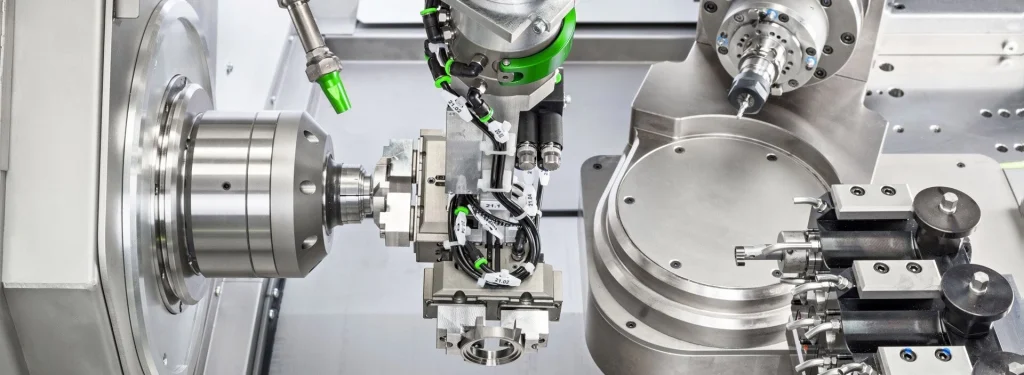
Mastering high speed CNC machining means focusing on smart techniques and setup to get the best results. Here are the essentials:
-
Optimized Toolpath Strategies
Use toolpaths like trochoidal milling, adaptive clearing, and high-feed milling to keep cuts light and constant. These paths reduce tool load and heat buildup while maximizing material removal rate (MRR).
-
Speeds and Feeds Calculation
Accurate calculation of spindle speeds and feed rates is crucial. Consider chip thinning to maintain ideal chip load at high feed rates, which extends tool life and ensures smooth cutting.
-
Tool Selection
Choose tools designed for high spindle speeds, focusing on balance and RPM stability to avoid vibration and tool wear. Tools with advanced coatings help deal with heat generated at high speeds.
-
Machine Requirements
A rigid machine frame and high-speed spindles with advanced motion control and thermal compensation systems keep the machining process stable and precise during rapid cuts.
-
CAM Software Features
Modern CAM software offers adaptive toolpaths and simulation to optimize high speed milling strategies, helping reduce trial runs and improving cycle times.
-
Setup: Fixturing and Vibration Damping
Proper workholding with stable fixturing and vibration damping techniques minimize chatter and improve surface finish. Both coolant and dry machining setups should be evaluated based on material and application needs.
-
Process Monitoring and Parameter Tuning
Continuously monitor machining parameters for signs of tool wear or instability. Fine-tune feeds, speeds, and depths as you gain feedback to maintain efficiency and precision.
Following these best practices ensures you leverage the full power of high spindle speed machining, resulting in faster, accurate, and cost-effective production cycles. For specialized parts requiring tight tolerances and superior finishes, combining these techniques with the right expertise makes a big difference. For example, if you want precision components like aerospace or medical device parts, explore our precision CNC milling parts custom services for expert support in this space.
Materials and Applications Best Suited for High Speed CNC Machining

High speed CNC machining shines when working with materials like aluminum, plastics, and other non-ferrous metals. These materials respond well to the high spindle speed machining and rapid feed rates typical of HSM CNC, allowing faster cycle times and cleaner cuts. On the flip side, tougher materials like steels, titanium, and certain alloys present challenges due to their hardness and heat sensitivity, which can cause tool wear and require slower speeds or more specialized tooling.
This precision high speed machining method is a go-to for industries needing intricate, high-quality parts with tight tolerances. You’ll often see it in aerospace parts where lightweight metals like aluminum are popular, medical device prototyping that demands accuracy, automotive prototyping for rapid CNC metal removal rate, and electronics where small, detailed components are the norm. It’s also preferred for molds and dies manufacturing, where surface finish CNC machining matters most.
At MS Machining, we leverage our expertise to optimize high speed milling for these materials and applications, ensuring you get the most out of adaptive clearing toolpaths and trochoidal milling strategies. For plastic components, our experience with plastic CNC machining ensures we can produce high-quality, precise results efficiently, all while managing the challenges that come with various materials.
Choosing high speed CNC machining means quicker turnaround and better part quality for these material sets — an advantage you’ll notice right away in prototyping and production runs alike.
Challenges and Limitations of High Speed CNC Machining
High speed CNC machining offers many advantages but also comes with some challenges to keep in mind.
Higher initial investment: The machines and specialized tooling required for high spindle speed machining can be expensive. This upfront cost may not fit every budget, especially for smaller shops or low-volume work.
Skilled programming and tooling balance: High speed milling demands precise programming and the right tools designed for RPM stability. Without experienced operators and balanced tooling, results can suffer in accuracy and tool life.
Setup rigidity and chatter sensitivity: Because high speed machining relies on light, fast cuts, the setup needs to be rock solid. Any vibration or insufficient rigidity can cause chatter, damaging the part surface and tools.
Not ideal for heavy cuts or simple jobs: For very large, heavy material removal or straightforward low-volume tasks, conventional CNC might prove more cost-effective and easier to manage.
Mitigation strategies and guidance
- Invest gradually, focusing on high-value parts where high feed rate CNC justifies costs.
- Partner with experienced shops that understand adaptive clearing toolpaths and thermal management.
- Focus on strong fixturing and vibration damping during setup.
- Evaluate part designs carefully for suitability to precision high speed machining early on.
If you’re exploring options, MS Machining offers expert insight and tailored support to help decide when high speed vs conventional CNC is the best fit for your project needs and budget. Check out our CNC machining services to get started.
How to Get Started with High Speed CNC Machining Services
Starting with high speed CNC machining begins by evaluating your part design to ensure it fits this process. Look for features that benefit from faster spindle speeds and high feed rates, like intricate shapes or parts needing excellent surface finish and tight tolerances.
Partnering with experienced providers like MS Machining is key. Choose a shop that offers comprehensive high speed milling expertise, from design feedback to advanced CAM software and specialized tooling. Ask these important questions:
- Do you have experience with high spindle speed machining and adaptive clearing toolpaths?
- What materials and geometries do you specialize in?
- How do you handle thermal management and tool wear at high MRR?
- Can you provide design for manufacturability feedback to optimize my parts for HSM CNC?
- What are your lead times and quoting process for high speed CNC jobs?
At MS Machining, we focus on precision high speed machining with a full range of support. We offer detailed quoting and part design consultation, ensuring your project runs smoothly and efficiently. Our commitment to using best practices and advanced equipment means you get top-quality results faster and more cost-effectively.
For a deeper look at machining service options and how to choose the right process during product development, consider exploring our insights on contract CNC machining and learn how CNC fits alongside other prototyping methods such as injection molding over at prototype injection molding vs CNC machining. These resources can help guide your decision to adopt high speed CNC machining effectively.