
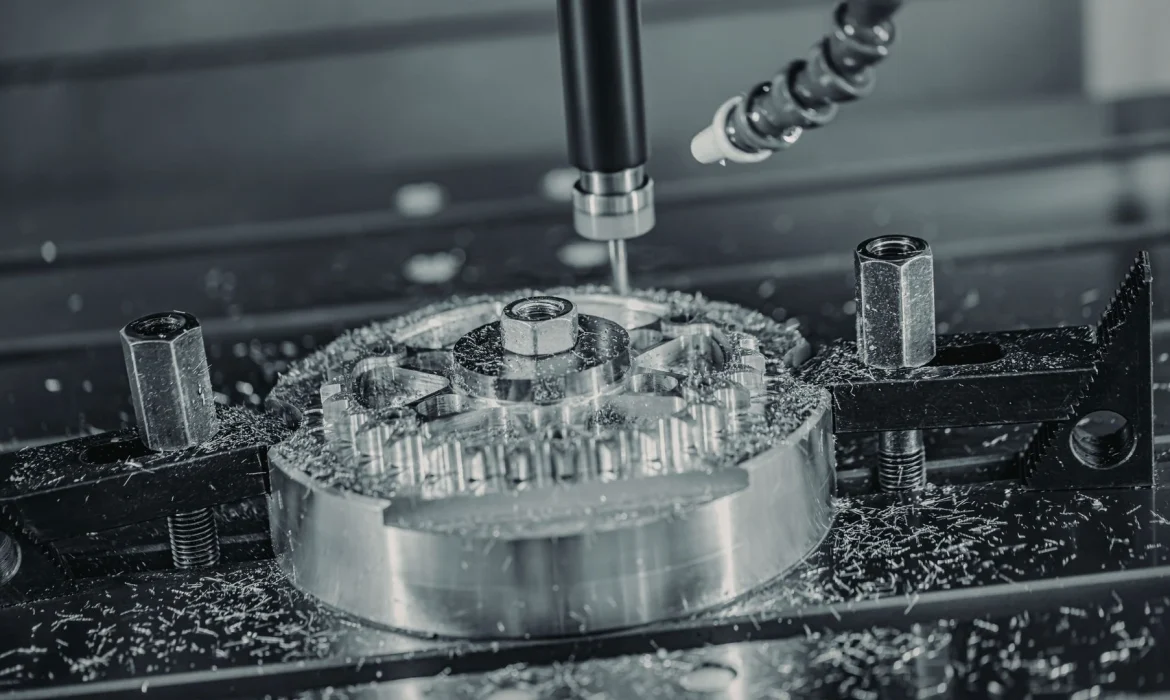
Challenges in Aluminum CNC Machining
Aluminum is a manufacturing staple due to its lightweight and strength, yet it remains unforgiving when process variables are ignored. While it generally allows for high-speed machining, its softness and high thermal conductivity create a unique set of hurdles. Mastering these challenges is essential for maintaining profitability and ensuring consistent quality in your shop.
Common Causes of Scrap in Aluminum Parts
Scrap rates often spike due to specific physical interactions between the tool and the workpiece. In our production experience, the most frequent causes of rejected parts include:
- Built-Up Edge (BUE): Aluminum is “sticky” and tends to pressure-weld onto the cutting tool. This alters the tool’s geometry, leading to poor surface finishes and tool breakage.
- Chip Re-cutting: If chips are not evacuated immediately, the cutter slices through them again. This damages the part’s surface and accelerates tool wear.
- Workholding Deformation: Because aluminum is relatively soft, overtightening vices or clamps can warp the material. The part is machined while distorted and springs back out of tolerance once released.
Precision Issues and Their Sources
Delivering high-quality cnc precision parts requires strict control over environmental and mechanical factors. When accuracy drifts, it is usually traced back to these sources:
- Thermal Expansion: Aluminum expands significantly with heat. If temperature isn’t managed via coolant, the part grows during the cut and shrinks out of tolerance upon cooling.
- High-Speed Chatter: Aluminum requires high spindle speeds. Without rigid setups, this speed induces vibration (chatter), leaving distinct marks on the surface.
- Tool Deflection: Aggressive feed rates with long, slender end mills can cause the tool to flex, compromising the dimensional accuracy of precision cnc parts.
Material-Specific Considerations for Aluminum
Treating aluminum like steel is a recipe for failure. To optimize your process, you must account for the material’s specific characteristics:
- The “Gummy” Factor: Unlike brittle materials that chip away, aluminum shears and flows. This requires sharp, polished tool flutes to prevent material adhesion.
- Alloy Variations: Not all aluminum is equal. 6061 is versatile but prone to gumminess, whereas 7075 is harder and machines with shorter, cleaner chips.
- Abrasiveness: Certain cast aluminum alloys contain high silicon content, which is highly abrasive and rapidly dulls standard carbide tools.
Strategies to Reduce Scrap in Aluminum CNC Machining
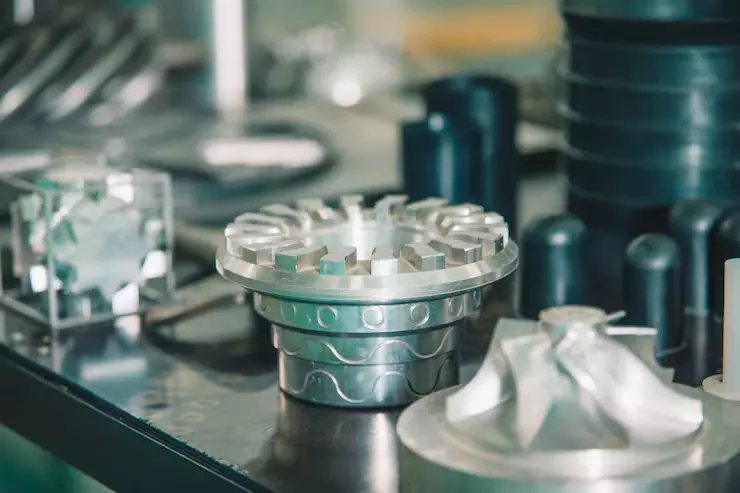
Reducing scrap isn’t just about saving material; it’s about keeping our production schedule on track and maintaining profitability. When we are aiming for high-quality precision cnc parts, we have to tackle the specific behaviors of aluminum head-on. It is a soft metal, but that actually makes it tricky if you don’t respect its properties. Below are the strategies I use to keep the scrap bin empty.
Optimizing Cutting Parameters and Toolpaths
Aluminum loves to stick. If the cutting parameters aren’t dialed in, the material gets gummy and welds itself to the tool (built-up edge), which ruins the surface finish and breaks tools. We need to run high spindle speeds to keep the cutter moving fast enough to shear the metal cleanly, rather than plowing through it.
However, speed isn’t everything. We must balance it with the correct feed rate to ensure chips are thick enough to carry away the heat. If we cut too slow, the heat stays in the part, causing thermal expansion and dimensional errors. This efficiency is a massive factor in controlling CNC machining service costs, as every scrapped part eats directly into the project budget.
Quick Troubleshooting for Aluminum Parameters:
| Issue | Probable Cause | Adjustment |
|---|---|---|
| Built-Up Edge (BUE) | Feed too slow / Speed too low | Increase RPM, use coolant. |
| Chatter / Vibration | Tool stick-out too long | Shorten tool, check workholding. |
| Poor Surface Finish | Chip re-cutting | Improve chip evacuation (air/coolant). |
Effective Tooling and Fixturing Practices
You cannot treat aluminum like steel when picking tools. I always stick to carbide end mills with 2 or 3 flutes. Aluminum chips are large and need plenty of room to escape. If you use a 4-flute cutter, the flutes pack with chips instantly, leading to tool breakage and a scrapped part.
Rigidity is equally critical. Aluminum is prone to vibration if not held securely. Whether we are running a simple job or a complex CNC milling machine operation, we use soft jaws machined to match the part’s profile. This distributes clamping force evenly so we don’t deform the part while holding it tight.
- Use Polished Flutes: Helps chips slide off easily.
- High Helix Angles: Helps pull chips up and out of deep pockets.
- Balanced Clamping: Avoid overtightening, which warps the material.
Material Handling and Setup Optimization
Scrap often happens before the spindle even turns. Aluminum stock is soft and scratches easily during transport or setup. We inspect every bar for dents or bends that might affect the final dimensions of our cnc precision parts.
I also emphasize strict setup protocols. We double-check work offsets (G54) and tool length offsets every time a job is changed. A simple data entry error here is the fastest way to crash a machine or cut a part out of tolerance. Keeping the machine table and fixture surfaces distinctively clean is mandatory; even a single aluminum chip trapped under a fixture can throw off the flatness by several thousandths of an inch.
Techniques to Improve Precision in Aluminum CNC Parts
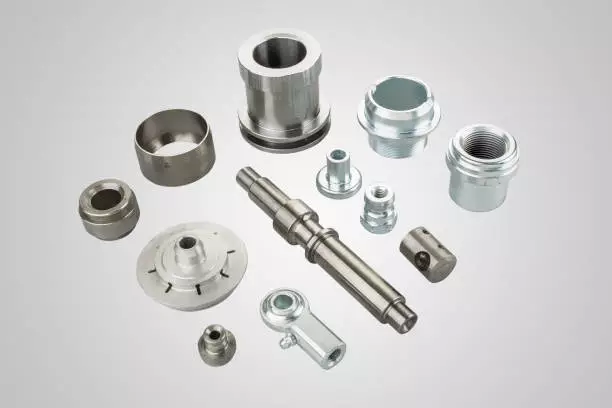
Achieving tight tolerances isn’t magic; it is a systematic approach to manufacturing. When we produce precision cnc parts, we look at the entire ecosystem—from the machine’s health to the final inspection. Improving precision often comes down to eliminating variables that cause vibration or thermal expansion.
Machine Calibration and Maintenance Protocols
You cannot produce high-quality components on a machine that lacks rigidity or accuracy. We treat our machines like high-performance athletes; they need constant care to perform. If a machine has backlash in the ball screws or spindle runout, no amount of programming wizardry will fix the part.
To ensure we deliver top-tier cnc precision parts, we stick to a strict maintenance schedule:
- Warm-up Cycles: We run spindle warm-up programs to stabilize thermal expansion before cutting critical features.
- Calibration Checks: Regularly checking axis alignment and squareness using ball bar testing.
- Coolant Maintenance: Keeping coolant concentration consistent to manage heat and lubricity effectively.
Our commitment to CNC engineering for precision metal and plastic parts starts with ensuring every piece of equipment is calibrated to factory specifications or better.
Design-for-Manufacturability (DFM) Tips
Sometimes the design itself fights against precision. As a manufacturer, I see prints that are technically possible but incredibly difficult to machine consistently. By tweaking the design, you can make it much easier to hold tight tolerances.
Here are a few DFM adjustments that make a huge difference:
- Avoid Deep, Narrow Pockets: These require long tools which vibrate and deflect, killing surface finish and accuracy.
- Standardize Corner Radii: Don’t ask for sharp internal corners. Allow for a radius that is slightly larger than the cutter radius to prevent tool dwell marks.
- Wall Thickness: Aluminum is soft. Thin walls will chatter and warp. Keep walls thick enough to support the cutting forces.
Implementing these design changes is one of the most effective ways to reduce CNC machining costs while simultaneously improving the geometric accuracy of the final component.
Post-Processing and Quality Assurance Methods
The job isn’t done when the spindle stops. Post-processing and inspection are where we verify that we hit the mark. For aluminum, we have to be careful during manual deburring not to gouge the part or alter critical dimensions.
Key Quality Assurance Steps:
- In-Process Probing: We use machine probes to check features before the part even leaves the fixture. If it’s off, we can re-cut immediately.
- CMM Inspection: For complex geometries, a Coordinate Measuring Machine (CMM) verifies that all tolerances are met relative to the datums.
- Surface Treatment Compensation: If the parts are getting anodized, we must account for the chemical etch and the oxide layer buildup in our initial machining dimensions.