

What is CNC Machining Titanium?
CNC machining titanium refers to the precise process of cutting, milling, and shaping titanium metal using computer-controlled machines. This includes milling, turning, and multi-axis machining, allowing complex and highly accurate titanium parts to be produced efficiently. CNC machines follow programmed instructions to remove material from titanium billets or bars, creating custom titanium parts with tight tolerances and excellent surface finishes.
Compared to machining other metals like aluminum or steel, titanium presents unique challenges. It is more difficult to cut due to its strength and toughness, which requires specialized tooling, slower speeds, and careful heat management. Unlike aluminum’s softness or steel’s predictable behavior, titanium demands precise control to prevent work hardening, excessive tool wear, and heat buildup. These key differences make CNC machining titanium a specialized process that calls for experience and advanced equipment to deliver high-quality results.
Titanium Grades Commonly Used in CNC Machining
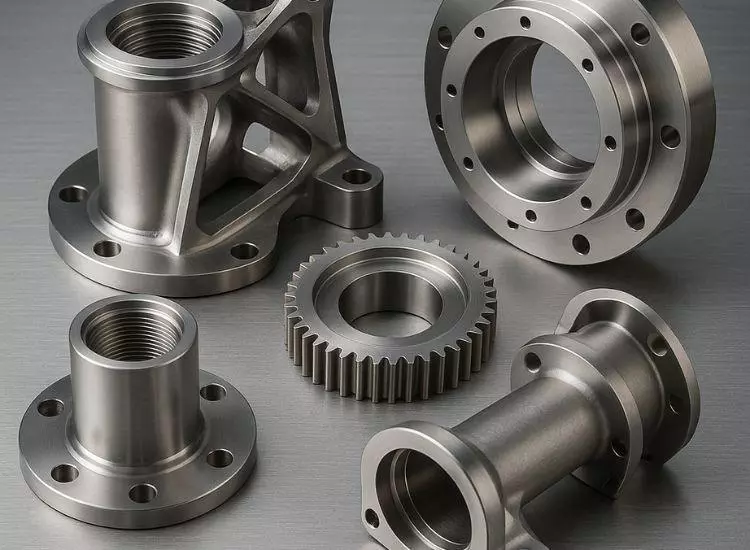
When it comes to CNC machining titanium, the choice of grade plays a big role in how easy or hard the job gets. Here’s a quick look at the most common grades you’ll encounter and what makes each one stand out.
| Grade | Description | Machinability | Key Uses | Notes |
|---|---|---|---|---|
| Grade 2 | Commercially pure titanium | Good | Corrosion resistance, chemical, marine | Easier to machine, less strong but highly corrosion resistant |
| Grade 5 | Ti-6Al-4V alloy (most popular) | Moderate | Aerospace, medical implants | High strength and toughness, industry standard |
| Grade 1 | Highest purity titanium | Fair | Extreme corrosion resistance | Softer and more ductile, less common |
| Grade 23 | Ti-6Al-4V ELI (extra low interstitials) | Moderate | Medical implants, aerospace | Improved fracture toughness for critical parts |
Grade 2: Commercially Pure Titanium
This grade is easier on tools and machines because it’s softer compared to alloys. It’s perfect when corrosion resistance is the priority—think marine parts or chemical processing equipment. It machines more like aluminum, making it a great option for precision parts where toughness isn’t as critical.
Grade 5: Ti-6Al-4V Alloy
By far the most common for CNC machining titanium alloys, Grade 5 combines strength and toughness with good corrosion resistance. It’s the go-to for aerospace components and medical implants where reliability is non-negotiable. This grade does require more care during machining, as heat buildup and tool wear can happen quickly.
Other Grades: Grade 1 and Grade 23
Grade 1 is the softest and most ductile titanium, used mostly when extreme corrosion resistance is needed but machining speed isn’t a priority. Grade 23 is a variant of Grade 5 with extra-low interstitials, boosting fracture toughness — ideal for critical aerospace or medical parts.
For custom titanium parts or specialized projects, knowing your titanium grade helps set expectations on machinability, cost, and performance. If you’re looking to learn more about how different metals behave during machining, check out our CNC engineering services for insights on material selection and process optimization.
Major Challenges in CNC Machining Titanium
Machining titanium comes with unique challenges that set it apart from other metals like aluminum or steel. One major issue is titanium’s low thermal conductivity, which causes heat to build up quickly during cutting. This heat can damage tools and affect part quality if not managed properly.
Another challenge is work hardening—titanium tends to harden right where it’s being cut, making continued machining tougher and leading to built-up edge buildup on cutting tools. This not only reduces tool life but also impacts surface finish.
Titanium also demands high cutting forces, which can cause vibration and chatter, creating dimensional inaccuracies and surface defects. Maintaining machine rigidity and optimizing cutting parameters is key to controlling this.
Additionally, chip adhesion and tool wear are significant problems. Titanium chips stick to cutters, accelerating wear and sometimes causing tool failure. Using the right tool coatings and cooling methods helps mitigate these effects.
All these factors mean higher costs for titanium CNC machining—thanks to expensive raw material, specialized tooling, and longer cycle times. Understanding and managing these challenges is critical for delivering precise, reliable titanium parts.
For detailed insights on overcoming these challenges, see our page on CNC aerospace machining, where we highlight best practices for tough materials like titanium.
Best Practices and Techniques for Successful Titanium Machining
Machining titanium takes some know-how to get right, but following these best practices can make a big difference in the quality and efficiency of your parts.
Tool Selection
Use carbide tools coated with TiAlN (titanium aluminum nitride) or similar coatings to handle titanium’s heat and wear resistance. Sharp tool geometries help reduce cutting forces and prevent built-up edges, which are common when machining titanium alloys.
Feeds, Speeds, and Depth of Cut
Keep your feeds and speeds moderate—too fast generates heat, and too slow can cause work hardening. Typically, a higher feed rate combined with moderate speeds works best. Smaller, consistent depths of cut reduce tool strain and prevent chatter.
Coolant Strategies
Use high-pressure coolant or flood cooling to manage heat effectively. Titanium has poor thermal conductivity, so cooling at the tool-workpiece interface is critical to avoid excessive heat buildup that wears tools prematurely.
Toolpath Strategies
Optimizing your toolpath is key. Use climb milling, which minimizes tool deflection, and trochoidal machining paths to maintain constant engagement and reduce cutting forces. These techniques help maintain surface finish and tool life.
Machine Rigidity and Workholding
Ensure your CNC machine and workholding setups are rock solid. Titanium’s toughness means any vibration or movement can cause chatter and poor finishes. Use rigid fixtures and minimize tool overhang to increase stability.
Avoid Work Hardening
Avoid letting the tool dwell in one spot; constant motion prevents the titanium from hardening beneath the cutter. Maintain smooth, continuous cuts to lower the risk of work hardening, which can dramatically increase tool wear.
For more on optimizing milling and machining parameters, check out our detailed guide on what is CNC milling.
Following these proven strategies will help you get the most reliable results from your CNC machining titanium projects—saving time, reducing costs, and extending tool life.
Applications of CNC Machined Titanium Parts
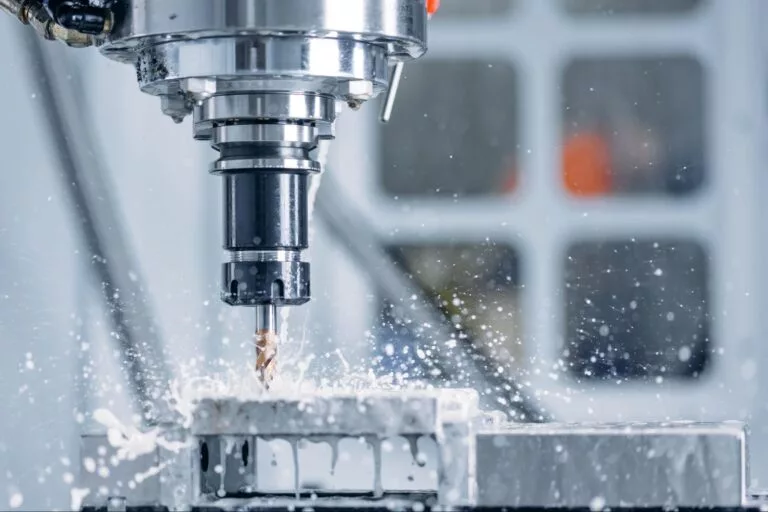
CNC machining titanium is ideal for industries demanding high strength, corrosion resistance, and lightweight parts. Here’s where you’ll commonly find custom titanium parts making a difference:
- Aerospace: Titanium’s strength-to-weight ratio makes it perfect for turbine components, structural brackets, and airframe parts where reliability and durability are critical.
- Medical: Titanium’s biocompatibility is unmatched, which is why it’s widely used for implants, surgical tools, and prosthetics that require precision machining and long-term body tolerance.
- Automotive: High-performance engines benefit from titanium valves and exhaust system components—these parts help reduce weight while withstanding high temperatures and stress.
- Other industries: Marine applications rely on titanium for corrosion resistance, while its toughness suits defense gear and sporting goods like bicycle frames and golf clubs.
For more details on precision machining and industry-specific manufacturing, check out our insights on CNC metal machining and advanced processes like 5-axis CNC machining services.
Surface Finishing Options for Titanium Parts
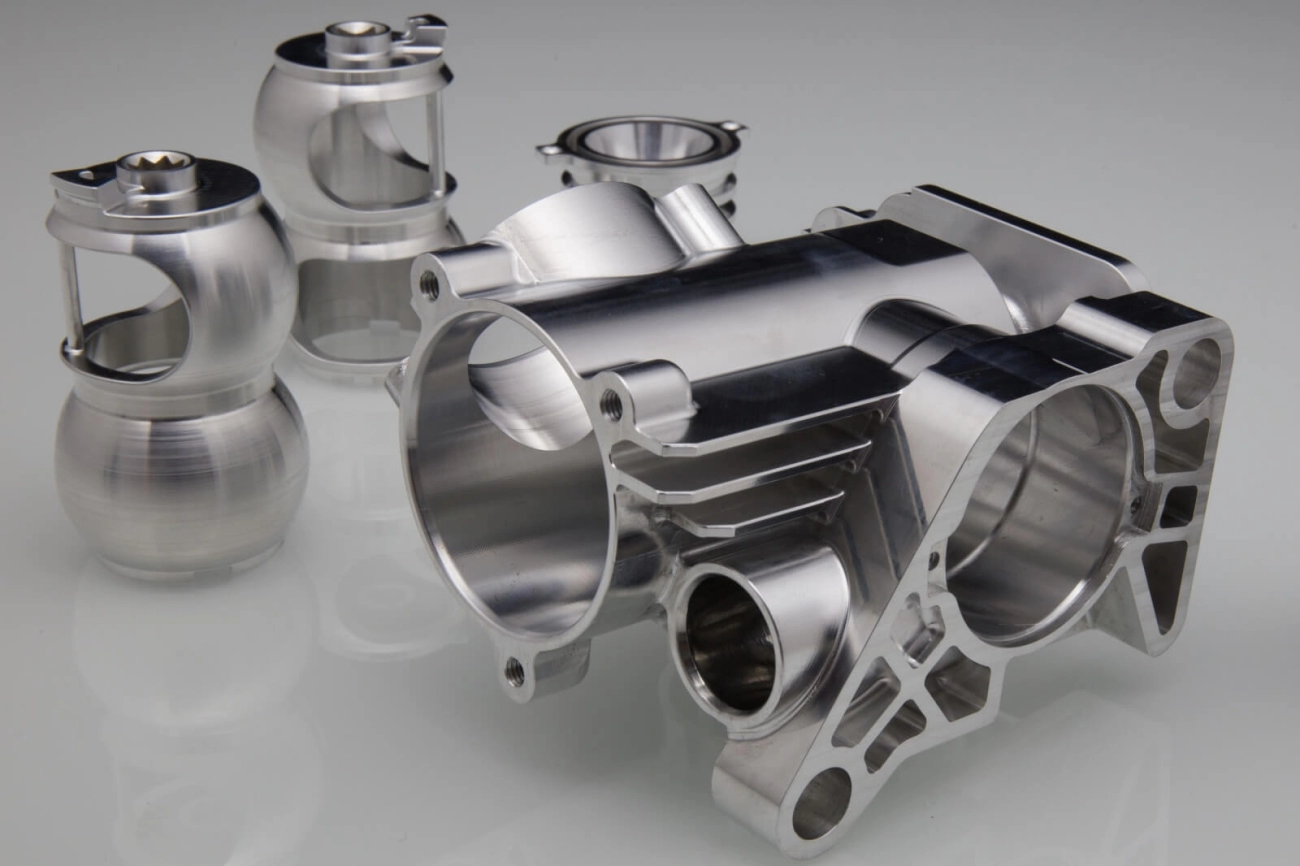
Titanium parts from CNC machining often need finishing to improve both function and look. Here are common surface finishing methods used for titanium, along with their benefits:
| Finishing Method | Description | Benefits |
|---|---|---|
| As-machined | Left as-is after CNC cutting | Retains precision, cost-effective |
| Anodizing | Electrochemical coloring process | Enhanced corrosion resistance, attractive color options |
| Bead Blasting | Abrasive treatment with glass beads | Uniform matte finish, removes surface impurities |
| Polishing | Mechanical buffing to a smooth shine | Improves aesthetics, easier cleaning, reduces bacterial adhesion |
These surface finishes not only protect against corrosion but also help meet specific industry standards in aerospace, medical, and automotive sectors. For delicate titanium parts, like medical implants, anodizing adds a thin oxide layer that boosts corrosion resistance without affecting biocompatibility.
Choosing the right finish depends on the part’s final use and desired appearance. At MS Machining, we tailor finishing processes to optimize your titanium components for durability and visual quality.
For detailed machining processes, including titanium CNC milling, you can check our guide on CNC milling.
Why Choose MS Machining for Your Titanium Projects?
When it comes to CNC machining titanium, MS Machining stands out for several key reasons that matter to your project’s success:
Expertise in Custom Titanium Parts
We specialize in both titanium CNC milling and precision titanium turning, delivering custom titanium parts tailored to your exact specs. Whether it’s titanium grade 5 machining for aerospace or medical-grade implants, our team knows the material’s quirks and how to handle them efficiently.
Advanced CNC Equipment & Quality Control
Our state-of-the-art CNC machines and strict quality control processes ensure every part meets tight tolerances. We use optimized toolpaths and the latest carbide tools for titanium to reduce tool wear and improve surface finishing. This means better consistency and less scrap for your project.
Fast Turnaround & Competitive Pricing
We understand your time and budget are critical. MS Machining offers rapid turnaround without cutting corners, plus competitive pricing on both prototype runs and full production. Our streamlined workflows minimize downtime and keep costs reasonable.
Proven Results
From aerospace structural brackets to medical titanium implants, we have a track record of delivering high-quality titanium components that perform reliably. Check out our success stories and examples of complex titanium machining projects on our About Us page.
| What MS Machining Offers | Benefits for Your Titanium Project |
|---|---|
| Custom titanium parts | Precision fit and function |
| Advanced CNC equipment | Tight tolerances and superior surface finish |
| Strict quality control | Consistent, reliable results |
| Rapid turnaround | Fast delivery to keep your project on schedule |
| Competitive pricing | Cost-effective solutions without compromising quality |
Ready to get started with your next titanium machining project? Contact MS Machining today for a quote and see why we’re the trusted partner for CNC titanium work in the U.S.
Explore our expertise in manufacturing high-spec components like stainless steel parts that often complement titanium assemblies, and reach out via our contact page to discuss your needs.