
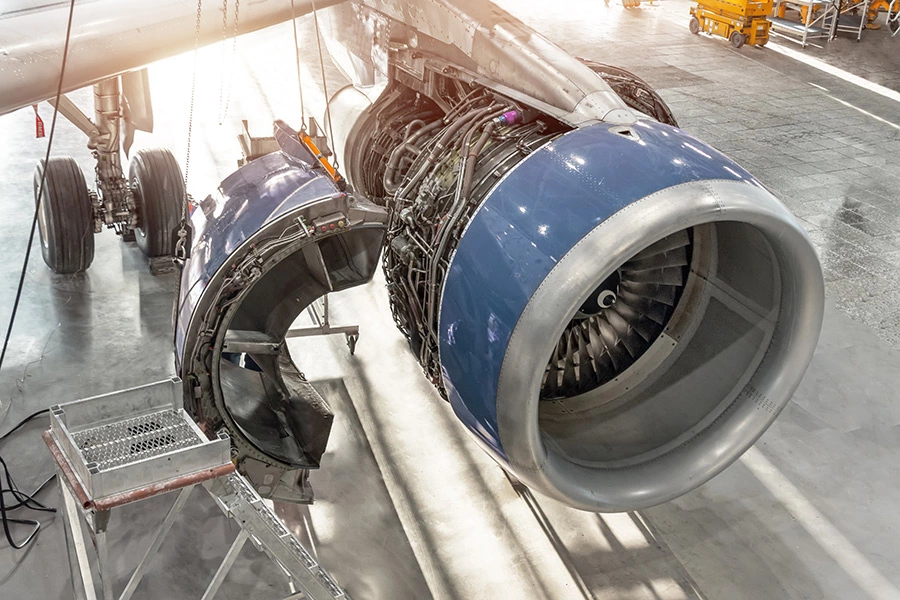
If you’re searching for CNC aerospace machining that delivers razor-sharp precision, unmatched reliability, and full compliance with stringent industry standards, you’re in the right place. Aerospace manufacturing demands components with tolerances tighter than ±0.0001″—where even the smallest deviation can ground a program or compromise flight safety. Understanding the critical role of advanced CNC machining—from 5-axis milling to exotic alloy expertise—is essential if you want to partner with a supplier who can consistently hit those marks, provide full traceability, and meet AS9100 and NADCAP certifications. Let’s cut through the noise and explore what truly sets elite aerospace CNC machining apart.
Why Aerospace CNC Machining Is Different
Aerospace CNC machining demands the highest level of precision and reliability. Every component impacts flight safety, so tight tolerances and flawless finishes are non-negotiable. Unlike general manufacturing, aerospace parts must meet stringent performance and durability requirements under extreme conditions.
Critical Role and Precision Needs
- Tight tolerances: Typically within ±0.001 inch or finer to ensure proper fit and function.
- Consistent repeatability: Vital for batch production where parts must be interchangeable.
- Surface finish quality: Smooth finishes reduce fatigue and wear on critical parts.
Material Certifications and Regulatory Standards
Material traceability and certifications are essential due to strict aerospace regulations. Providers must comply with industry standards such as:
| Standard | Importance |
|---|---|
| AS9100 | Quality management system specific to aerospace manufacturing |
| NADCAP | Accreditation for special processes, ensuring consistent quality |
| FAA & EASA specs | Government body approvals for airworthiness and safety |
Using certified materials with full documentation guarantees parts meet all regulatory requirements. This protects OEMs and Tier 1 suppliers from costly recalls or failures.
In , aerospace CNC machining is distinguished by unmatched precision, reliable certifications, and an uncompromising focus on safety and compliance.
Core Aerospace CNC Capabilities
Aerospace CNC machining demands unmatched repeatability and precision. Meeting tight aerospace CNC part tolerances ensures each component functions flawlessly under extreme conditions. By focusing on reduced lead times without sacrificing quality, manufacturers can keep up with the fast-paced aerospace supply chain.
One major advantage in this field is 5-axis simultaneous milling. This technology allows complex parts to be machined in a single setup, improving accuracy and cutting down production time. It’s especially valuable for crafting intricate aerospace components where every micron counts.
These core capabilities set the foundation for reliable, high precision aerospace machining. For more insights on milling processes, exploring our guide on CNC milling can be helpful.
Complex Geometries and CNC Precision Demands
Aerospace parts often feature extreme geometries—think turbine blades and structural components with intricate curves and channels. These shapes aren’t just for looks; they’re designed to optimize performance under harsh conditions. CNC aerospace machining must meet ultra-tight tolerances to achieve these complex forms precisely. Any deviation can impact engine efficiency or structural integrity, raising safety risks.
Meeting regulatory standards is a big part of the challenge. Aerospace manufacturers must follow strict guidelines to minimize risk and ensure every part performs exactly as intended. Precision machining helps reduce variation, making compliance with FAA and NADCAP aerospace standards smoother. This level of control also supports quality assurance practices that are critical in the aerospace supply chain.
Advanced CNC machining capabilities, like 5-axis simultaneous milling, enable the production of these complex shapes in fewer set-ups, increasing accuracy and reducing lead times. This combination of precision and reliability is crucial for mitigating risks in aerospace manufacturing.
For machining such demanding aerospace components, using specialized processes like those described on our metal CNC machining page can streamline production while ensuring top-tier quality.
Key Aerospace Materials
Aerospace CNC machining relies heavily on specialized materials chosen for strength, weight, and durability. Aluminum alloys are widely used due to their excellent strength-to-weight ratio and corrosion resistance, making them ideal for structural components and aircraft bodies.
Titanium grades play a crucial role in aerospace parts that require high strength at extreme temperatures and corrosion resistance—common in engine components and airframes. These grades include commercially pure titanium and alloyed variants like Ti-6Al-4V, known for their toughness and lightness.
When it comes to extreme-performance parts, nickel-based superalloys like Inconel, Hastelloy, and Rene alloys are the go-to choices. These alloys withstand high temperatures and stress, especially in turbine blades and exhaust systems, where durability is non-negotiable.
We also see the use of stainless steel and advanced composites, which offer resistance to heat and wear while maintaining precision in machining. For machining such varied materials, advanced techniques and tooling adapted to each metal’s properties ensure consistent results. For example, our expertise in CNC metal machining ensures the best handling of these demanding aerospace materials without compromising quality or precision.
Advanced CNC Technologies in Aerospace
Aerospace CNC machining relies heavily on the right technology to meet strict precision and complexity requirements. While 3-axis machining handles simpler shapes, 4-axis adds rotation to reach more angles—ideal for cylindrical parts. The real game changer is 5-axis CNC machining aerospace shops use, which moves the tool or part along five different axes simultaneously. This allows for highly complex geometries and tighter tolerances in parts like turbine blades and structural components.
For smaller, intricate aerospace parts, Swiss turning centers are key. They deliver exceptional precision by supporting long, slender parts during machining, making them perfect for fasteners, pins, and tiny fittings found in aircraft systems.
Multi-task mill-turn centers combine the capabilities of milling and turning in one setup. This reduces cycle times and the need for multiple machines, especially valuable for aerospace plastics machining, where lightweight composite parts are becoming more common.
By leveraging these advanced CNC techniques, aerospace manufacturers can achieve faster lead times and superior quality, meeting the demanding standards of the industry. For more details on precision machining processes, exploring our insights on CNC machining investment cast parts postprocessing can be very helpful.
Common Aerospace Components Produced

In aerospace CNC machining, precision is key when producing critical components. Turbine blades and cooling vanes are among the most demanding parts, requiring exacting CNC processes to handle complex cooling channels and aerodynamic shapes. Similarly, engine mounts and structural frames undergo high-precision machining to ensure strength and reliability under extreme conditions.
Hybrid manufacturing is also gaining traction, where CNC machining is used to finish parts created by additive manufacturing. This approach enhances surface quality and tightens tolerances, merging the strengths of both methods for optimal aerospace component performance. These processes highlight why CNC machining is essential across the entire aerospace part manufacturing spectrum.
Quality Assurance & Certifications in Aerospace CNC Machining
In aerospace CNC machining, quality assurance isn’t optional—it’s a must. Certifications like AS9100 and NADCAP are the gold standards, ensuring every process meets strict aerospace industry requirements. These certifications confirm that suppliers maintain consistent quality and control, critical for flight safety and regulatory compliance.
Inspection goes beyond just measuring parts. Techniques like Coordinate Measuring Machine (CMM) checks provide detailed dimensional accuracy, while ultrasonic testing and dye penetrant inspections help detect hidden flaws in components. These non-destructive tests are key to catching issues before parts leave the shop.
Another vital step is the First Article Inspection (FAI). This thorough review verifies the initial production run meets all design specs and regulatory standards. Coupled with complete traceability documentation, it becomes possible to backtrack every part to its material batch and machining stage—essential for maintaining accountability across the aerospace supply chain.
Choosing a supplier skilled in these quality processes, with proper certifications and inspection capabilities, guarantees precision aerospace CNC machining that stands up to aerospace’s toughest demands. For companies wanting reliable production and strong quality controls, this is non-negotiable.
To learn how these standards integrate with advanced CNC practices, check our detailed overview of custom CNC machining services.
Real Aerospace Project Case Studies: Traceability and Zero-Defect Philosophy
In aerospace CNC machining, real-world project success hinges on strict traceability and a zero-defect mindset. At MS Machining, each aerospace component—whether a turbine blade or a structural frame—is tracked meticulously from raw material to final inspection. This traceability ensures every part meets the high standards required by AS9100 certified machining and NADCAP aerospace standards, minimizing risk and maintaining full compliance.
Continuous improvement is another cornerstone of aerospace manufacturing. We apply lessons learned from each project to refine tool paths, optimize machining strategies, and enhance inspection protocols like CMM inspection aerospace teams rely on. This ongoing cycle reduces lead times and boosts precision with every batch, delivering consistent, reliable results our customers expect.
By combining rigorous documentation with a zero-defect philosophy, we help OEMs and Tier 1 suppliers maintain top-quality parts with complete aerospace component traceability, meeting evolving industry demands without compromise.
Advantages of Partnering With MS Machining
When you choose MS Machining for aerospace CNC machining, you get more than just parts—you gain a partner committed to your success from rapid prototyping through full-rate production. Our streamlined processes help reduce aerospace manufacturing lead times and keep costs in check without sacrificing quality.
We specialize in handling exotic materials like titanium aerospace components and Inconel aerospace machining with a proven, reliable supply chain that ensures your materials arrive on time and meet all regulatory standards. This consistency supports tight aerospace CNC part tolerances and keeps your projects on schedule.
Whether you need precision aerospace components quickly or large production runs, MS Machining’s expertise delivers at every stage, making us a trusted choice for OEMs and Tier 1 suppliers alike. To see how advanced 5-axis CNC machining aerospace techniques optimize complex part manufacturing, check out our insights on why 5-axis machining is ideal for low-volume, high-mix manufacturing.
Future Trends in Aerospace CNC Machining
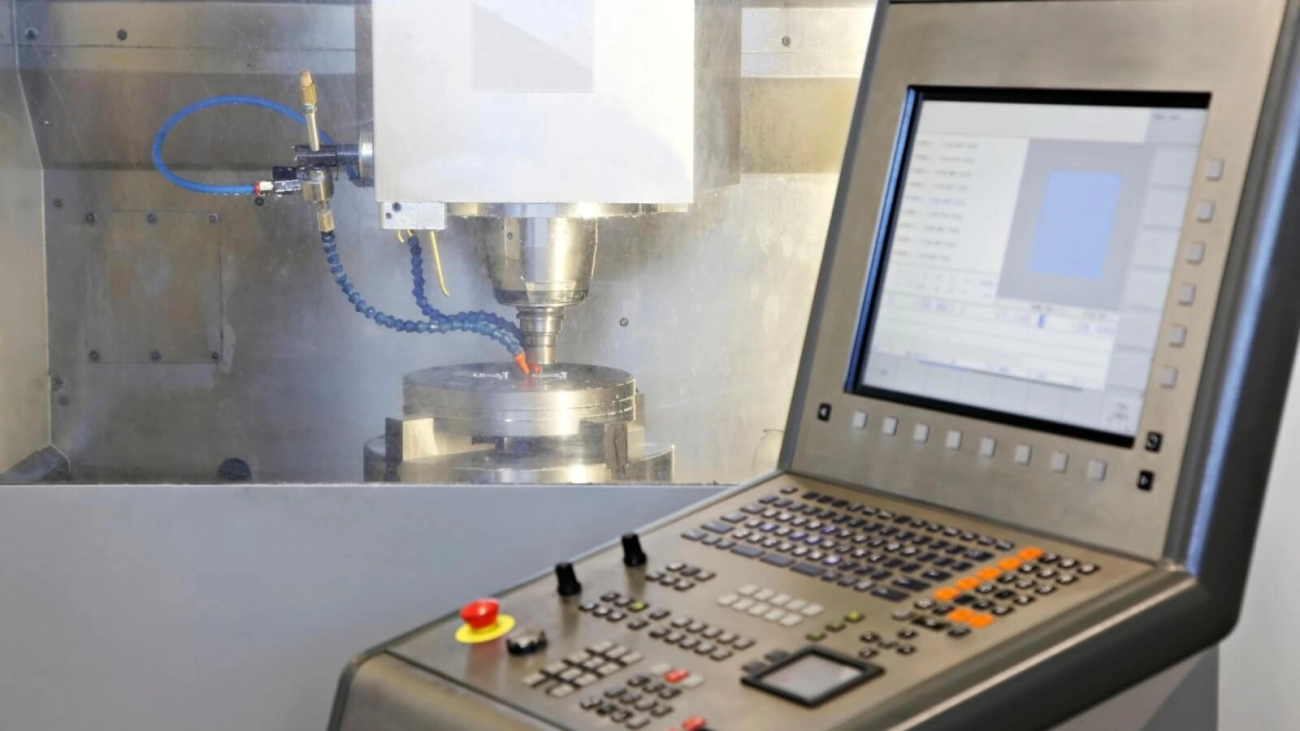
The future of aerospace CNC machining is tied closely to digital innovation and sustainability. Digital twins and Industry 4.0 integration are transforming how aerospace parts are designed, produced, and maintained. Digital twins create virtual replicas of physical components, allowing for real-time monitoring and predictive maintenance that reduce downtime and improve quality.
Robotics and AI-driven prototyping are speeding up development cycles by automating complex machining tasks and enhancing precision. These technologies help manufacturers quickly adapt to design changes and optimize processes, moving beyond traditional CNC methods.
Sustainability is also a growing focus. Aerospace machining is adopting energy-efficient practices and sustainable materials to reduce environmental impact while maintaining strict tolerances. These energy-saving techniques, combined with waste reduction strategies, reflect the industry’s commitment to both performance and responsibility.
Adopting these trends ensures aerospace CNC machining keeps pace with demand for faster, more reliable, and greener manufacturing solutions. For specialized aerospace parts that require advanced machining, exploring multi-axis capabilities like those offered in our 4-axis CNC machining services can provide a competitive edge.
Why Precision CNC Machining Is the Backbone of Safe, Reliable Flight
Precision CNC machining is the foundation of safety and reliability in aerospace. Every flight depends on parts manufactured to exact tolerances, made from certified materials, and inspected rigorously. For OEMs and Tier 1 suppliers, choosing the right aerospace CNC machining partner means fewer risks and higher confidence in each component’s performance during flight.
At MS Machining, we understand the critical role precision plays in aerospace manufacturing. Our expertise and advanced CNC capabilities ensure that every part meets the strict requirements of AS9100 and NADCAP aerospace standards. From high-precision turbine blades to complex structural components, we help improve traceability, reduce lead times, and guarantee consistent quality.
Partnering with us means getting more than just machining—we provide a reliable supply chain for exotic aerospace materials, streamlined production from prototyping through full-rate manufacturing, and solutions tailored to the demanding needs of the United States aerospace market. Safe, reliable flight starts with precision CNC machining, and MS Machining is proud to be a core supplier in that mission.