

If you’re hunting for the best 5 axis CNC machine, you already know precision and versatility aren’t optional—they’re mission critical. Whether you’re a machinist tackling complex aerospace components or a shop owner aiming to cut cycle times without breaking the bank, the right 5-axis CNC can transform your workflow. But with so many options—from trunnion-style mills to swivel-head giants—how do you pin down the perfect match for your needs in 2025? This guide cuts through the noise and delivers clear, actionable insight to help you make an informed choice and elevate your manufacturing game. Let’s get into what really matters.
Core Criteria: What Makes a 5-Axis CNC Machine Truly “Best” for Your Needs
Choosing the best 5-axis CNC machine begins with understanding what really matters for your shop’s success. Here’s a straightforward breakdown of the core criteria to focus on:
Precision and Accuracy Benchmarks
- Tolerances: Look for machines that consistently hold tight tolerances, often in the micron range, essential for aerospace or medical parts.
- Volumetric Error Control: This ensures the machine maintains accuracy across the entire work envelope, not just at one point.
- Thermal Stability: Machines with strong thermal control keep performance consistent, even during long runs or temperature swings.
Build Quality and Kinematics
- Trunnion-Style vs. Head-Style: Trunnion-style machines offer superior rigidity and accuracy for heavy, complex parts, while head-style setups provide more flexibility for large workpieces.
- Rigidity: Solid machine frames resist vibrations and deflections—key for precision 5-axis machining capability.
- Spindle Power: Higher horsepower spindles improve cutting efficiency, especially for tough materials like titanium or hardened steel.
- Chip Evacuation: Efficient chip removal prevents re-cutting debris, keeping surfaces smooth and tooling protected.
Software and Controls
- User-Friendly Interfaces: Intuitive control panels reduce programming errors and shorten setup time, crucial for shops new to simultaneous 5-axis milling.
- 5-Axis-Specific Cycles: Look for built-in machining cycles like tool center point control (TCPC) that simplify complex moves.
- Minimizing Programming Hurdles: Seamless CAD/CAM integration and offline programming support save hours on creating toolpaths.
Capacity and Versatility
- Work Envelope Sizes: Match the machine’s travel limits with your largest parts to avoid unnecessary compromises.
- Multi-Material Handling: The best 5-axis machining centers handle metals, composites, and plastics without sacrificing precision.
- Automation Options: Features like pallet changers or robotic loading boost throughput and reduce labor costs.
Cost of Ownership
- Upfront Pricing: Balance your budget with the features needed — going overly cheap often means high retrofit costs later.
- Maintenance: Machines with accessible components and local support minimize downtime.
- Energy Efficiency: Modern drives and cooling systems lower power consumption, trimming operating expenses.
- ROI from Faster Cycle Times: Faster, more accurate machining means you recover investment quicker and scale production confidently.
In short, the “best” 5-axis CNC machine isn’t just about specs—it’s about how well the machine’s precision, build, software, versatility, and economics fit your specific machining goals. Prioritize these essentials, and you’ll find a 5-axis center that drives real shop-floor results.
Top Contenders: Our Expert Picks for the Best 5-Axis CNC Machines in 2026
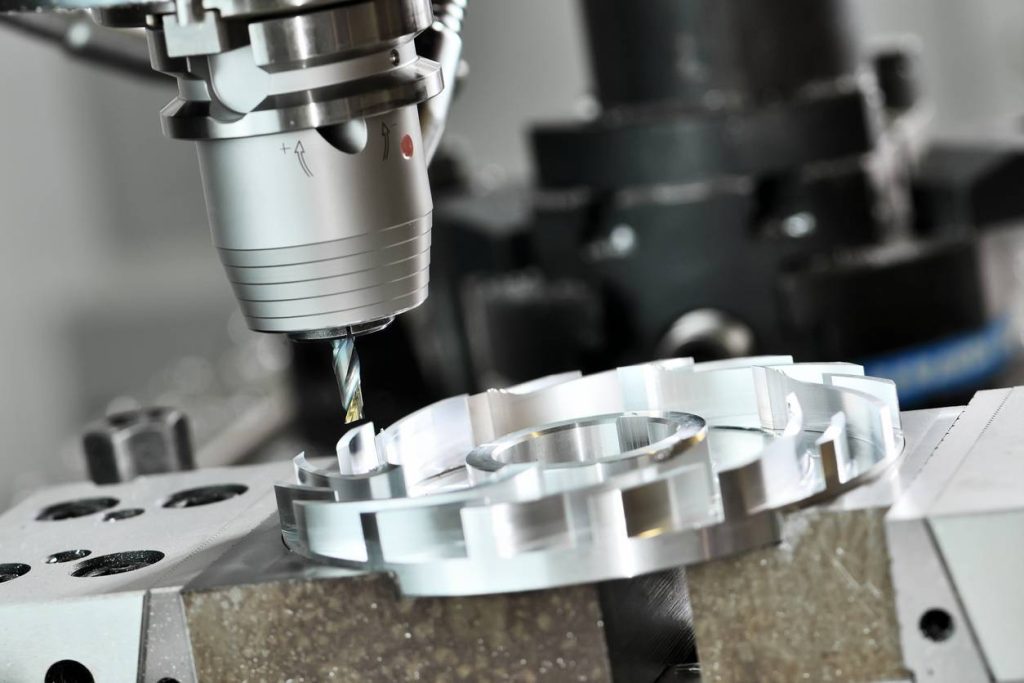
When choosing the best 5-axis CNC machine, the right fit depends on your budget, precision needs, and application. Here are our top picks for 2026, covering everything from entry-level to high-end industrial options.
Budget-Friendly Entry: Haas UMC-750
The UMC-750 is a solid choice for shops needing reliable 5-axis machining without breaking the bank. It uses a trunnion-style rotary table that offers great rigidity and precision for complex parts. Its user-friendly controls minimize programming headaches, making it ideal for automotive prototyping and small-series manufacturing.
Mid-Range Precision Leader: DMG MORI DMU 50
This compact yet rigid mill stands out with excellent thermal stability and an advanced cooling system. It offers a wide swivel range for tackling intricate aerospace components. The DMU 50 balances precision and versatility, perfect for shops moving up to high-precision 5-axis machining.
High-End Industrial Beast: Okuma MU-5000V
At the top tier, the MU-5000V excels in heat control and spindle speed, handling aerospace-grade materials like titanium with ease. Its robust build supports long production runs with tight volumetric accuracy. Aerospace and medical device manufacturers will appreciate its capability for sub-micron finishes.
Versatile Router Option: Blue Elephant ELECNC-1325
For those working with wood or composites, this 5-axis CNC router delivers cost-effective prototyping and smaller production runs. It’s optimized for woodworking and non-metal materials, making it the best choice for furniture makers or composite part fabricators looking to tap into 5-axis advantages.
Desktop Innovators: Penta Solo and Xmachine XM-100
These compact 5-axis machines bring high-precision milling to R&D labs and small workshops. Their smaller work envelopes suit prototype development, educational purposes, or small-batch production. They’re a smart pick for innovation-driven environments needing multi-axis capability without the footprint of an industrial mill.
Spotlight on MS Machining
MS Machining’s high-precision trunnion-style 5-axis lineup stands out for excellent build quality, local support, and customization options. Their machines are tailored for complex part production with tight tolerances, backed by a strong parts and software ecosystem to future-proof your investment. Exploring their solutions also offers insights into integrating advanced machining into your workflow efficiently. Learn more about their capabilities on their prototype CNC machining page.
This range covers various industries and budgets, ensuring there’s a best 5-axis machining center for prototyping, production, or R&D needs in the U.S. market today.
Applications and Case Studies: Real-World Wins with Top 5-Axis Machines
5-axis CNC machines truly shine when tackling complex, precision-driven projects across industries. In aerospace and defense, the DMG MORI DMU 50 dramatically speeds up titanium turbine blade production, maintaining tight tolerances with excellent volumetric accuracy. This machine’s advanced cooling and swivel range handle demanding high-precision 5 axis machining tasks efficiently.
For automotive prototyping, the Haas UMC-750 stands out with its trunnion-style design, offering exceptional rigidity and stability to create intricate engine components. Its user-friendly controls help accelerate the development process without sacrificing accuracy.
In the medical sector, the Okuma MU-5000V delivers unmatched precision for manufacturing cobalt-chrome implants requiring sub-micron finishes — critical in producing reliable, biocompatible devices. Its thermal stability and spindle power make it ideal for these delicate, high-value parts.
Locally, MS Machining’s trunnion-style lineup has made waves with rapid prototyping success stories, including an electric vehicle startup achieving a remarkable 99.9% yield in early production runs. Their experience with customized solutions and close support helps ensure clients get the most from their 5-axis machining capability.
These examples highlight how choosing the right 5-axis CNC machine, paired with tailored software and effective chip evacuation, can make all the difference for high precision manufacturing needs. For related complex work, explore how MS Machining’s expertise extends into 4-axis CNC machining services for additional versatility.
Buyer’s Guide: How to Choose and Set Up Your 5-Axis CNC Machine
Selecting the best 5-axis CNC machine for your shop takes careful planning. Start by assessing your workflow with a simple checklist:
- Materials handled: Metals, composites, or wood? Make sure your machine supports these.
- Part complexity: Do you need high precision 5-axis machining for detailed, complex parts?
- Production volume: Consider whether you need a machine for prototyping or high-volume runs.
Next, look at your budget. Factor in upfront costs, plus options like leasing or financing. Don’t forget to explore grants or incentives for technology upgrades. Use cost calculators to estimate return on investment based on cycle times and maintenance.
When talking with vendors, ask about demo availability to see machines in action. Confirm uptime guarantees and how quickly local support responds. Having a nearby partner can save you downtime and improve service reliability.
During installation, focus on proper leveling and calibration to maintain volumetric accuracy. Good CAD/CAM integration is a must for 5-axis machining cycles and reducing programming hurdles. Make sure your software supports tool center point control and simultaneous 5-axis milling.
Watch out for common pitfalls:
- Spindle taper mismatches can cause tooling issues.
- Underestimating programming time slows production—invest in skilled operators or training.
For complex parts and diverse materials, reliable setup and provider support will pay off long-term. Check out our guide on custom CNC machining services to understand how aligning your equipment with your workflow drives success.
Future-Proofing Your Investment: Maintenance, Upgrades, and Trends in 5-Axis Tech
Keeping your 5-axis CNC machine running smoothly means sticking to routine care like spindle alignment and regular coolant flushes. These basic steps prevent wear and maintain accuracy over time. More advanced shops benefit from IoT-based predictive maintenance, which flags issues before they cause downtime—saving you both time and money.
Upgrade options for high precision 5 axis machining now include hybrid additive retrofits, letting you combine milling with 3D printing. Plus, AI-driven toolpath optimization is a game-changer, trimming programming time and boosting cycle efficiency.
Looking at 2026 trends, expect AI collision avoidance systems that protect your machine and your workpiece. Sustainable coolants are also catching on, cutting environmental impact without losing performance. Modular Industry 4.0 designs make it easier to add new capabilities and connect your machine to smart factory networks.
For long-term value, MS Machining’s parts and software ecosystem stands out. Their local support and customization options ensure your machine stays updated, helping you get the most out of your investment in precision 5 axis milling technology.
For more details on what CNC machining entails and how it supports complex parts production, check out their detailed insights on what is CNC machining and what does CNC stand for.