
The demand for stainless steel investment casting combined with CNC machining is skyrocketing in industries that require precision, durability, and complexity. By 2028, the global investment casting market is expected to hit $18.2 billion—driven largely by stainless steel parts engineered with exacting tolerances and superior surface finishes. This hybrid process is the secret sauce behind many critical components in automotive, aerospace, medical, and energy sectors. It delivers near-net-shape castings with minimal waste, then refines those parts through precision CNC machining to achieve tight tolerances and flawless functionality. At MS Machining, we specialize in marrying these technologies to produce stainless steel components that meet the most demanding industrial standards. In this article, you’ll discover how this powerful combination is reshaping manufacturing across various high-performance applications—giving you the insight you need to specify the right process for your next project.
Why Stainless Steel + Investment Casting + CNC Machining Is the Go-To Process
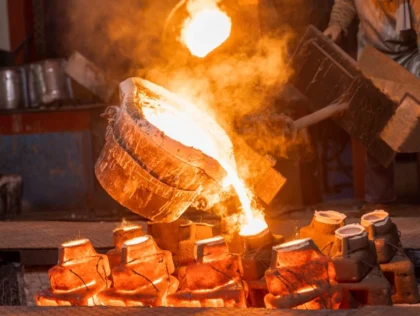
Combining stainless steel investment casting with CNC machining offers a powerful manufacturing solution that balances precision, performance, and cost-effectiveness. Investment casting creates complex, near-net-shape stainless steel parts that minimize material waste and reduce machining time. This process allows you to start with a component closely matching the final geometry, cutting raw material usage by up to 30% compared to traditional machining from solid blocks.
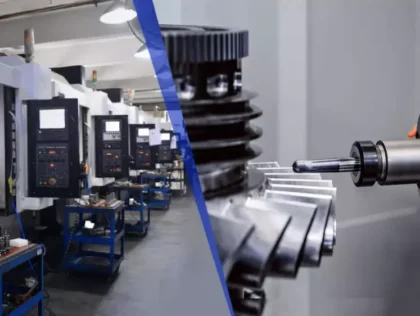
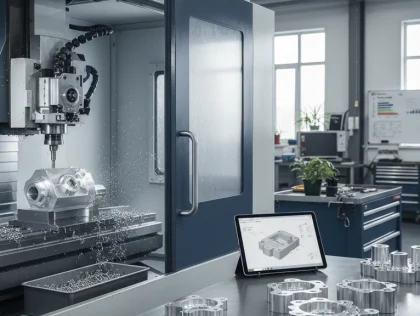
CNC machining then steps in to refine these castings, delivering tight tolerances—often as precise as ±0.001 inch—and superior surface finishes down to Ra 16 microinches. This hybrid approach ensures critical features, holes, and finishes meet exacting specifications without excessive secondary work.
Stainless steel grades like 316L, 17-4PH, and Duplex 2205 provide excellent corrosion resistance, high tensile strength (up to 160 ksi for 17-4PH), and heat resistance beyond 1000°F. These properties make them ideal for harsh environments where durability and longevity are non-negotiable.
From a cost-benefit perspective, stainless steel investment casting combined with CNC machining often outperforms pure machining or forging by lowering total manufacturing costs and lead times. You get less scrap, fewer secondary operations, and faster turnaround without compromising quality—making this hybrid process the smart choice for demanding industrial applications.
Automotive Industry Applications
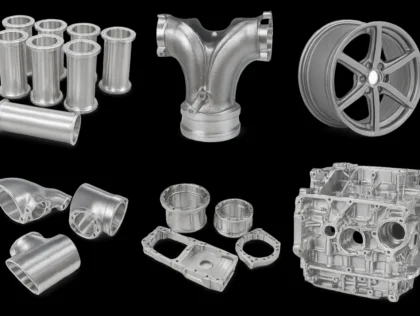
Stainless steel investment casting combined with precision CNC machining plays a vital role in today’s automotive industry. This hybrid process works great for parts that demand complex shapes and high performance, like turbocharger wheels and housings. These components benefit from the corrosion resistance and heat tolerance of stainless steel, while CNC machining ensures tight tolerances for optimal efficiency.
Fuel system parts such as injectors and pump bodies also rely on this method. The near-net-shape advantage of investment casting minimizes material waste, while CNC machining refines surfaces and critical dimensions to meet strict automotive standards. Transmission and valve body components, which require both strength and precision, see improved durability and fit using this combined process.
Exhaust system components stand out as another prime example where stainless steel’s heat resistance is crucial. Cast parts are machined to exact specs to withstand thermal cycling and corrosive exhaust gases. A case study from MS Machining demonstrates how using stainless steel investment casting with secondary CNC machining reduced lead times and cut costs for a major automotive supplier, delivering parts that met performance and quality targets.
For more on machining precision parts for demanding applications, MS Machining’s CNC engineering services provide valuable insights into combining casting with machining for complex automotive parts.
Aerospace & Defense Applications
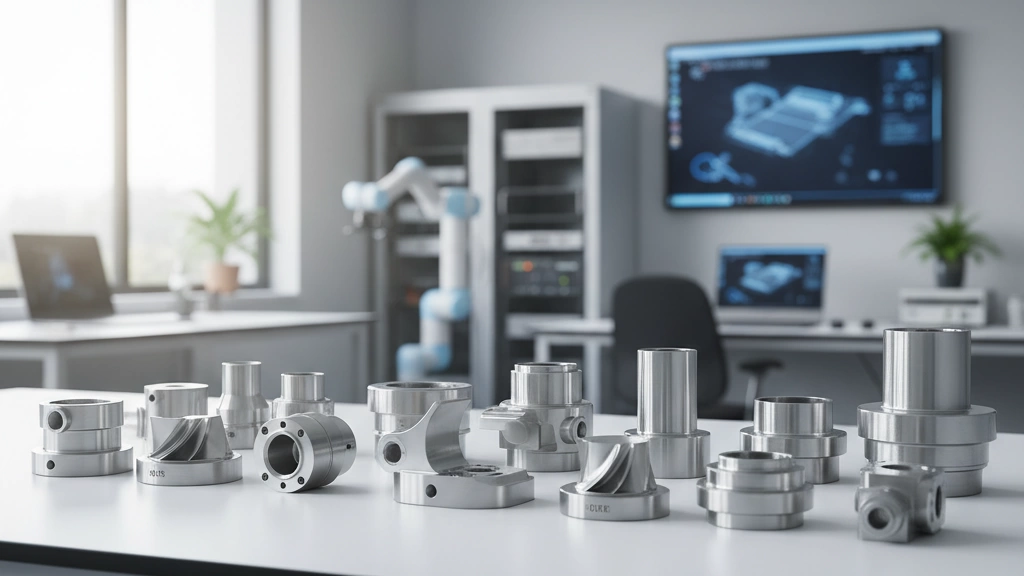
Stainless steel investment casting combined with precision CNC machining plays a crucial role in aerospace and defense. This hybrid process allows for the creation of complex parts like turbine blades, vanes, and impellers that demand both strength and tight tolerances. Structural fittings and brackets often require the corrosion resistance and toughness that stainless steel provides, while CNC machining refines these cast components to exact specifications.
Hydraulic and actuation components used in aircraft and defense systems benefit from this approach, offering reliable performance under high pressure and stress. Missile and satellite parts, needing consistent quality and exact detail, are often produced under strict standards such as AS9100 and NADCAP. These certifications ensure that components meet the high safety and reliability demands of the aerospace industry.
For more on precision machining support for defense components, check out our detailed insights on military machining and defense components.
Medical & Surgical Devices
Stainless steel investment casting combined with precision CNC machining is a top choice for medical and surgical devices. This process produces implantable components such as orthopedic and spinal implants that require exacting strength and durability. Surgical instruments and robotic surgery tools also benefit from this hybrid manufacturing for their complex shapes and high precision needs. Dental implant abutments, which demand biocompatibility and tight tolerances, are another common application.
Using medical-grade stainless steels like 316L, these parts meet stringent biocompatibility and sterilization standards, including ASTM F138 and F139. The seamless combination of investment casting’s near-net-shape capabilities with CNC machining’s fine finishing delivers parts that are both mechanically reliable and ready for demanding healthcare environments.
For those seeking detailed insights into manufacturing medical devices with stainless steel, our resources on medical manufacturing devices and equipment offer valuable information about materials and processes.
Oil & Gas and Energy Sector Applications
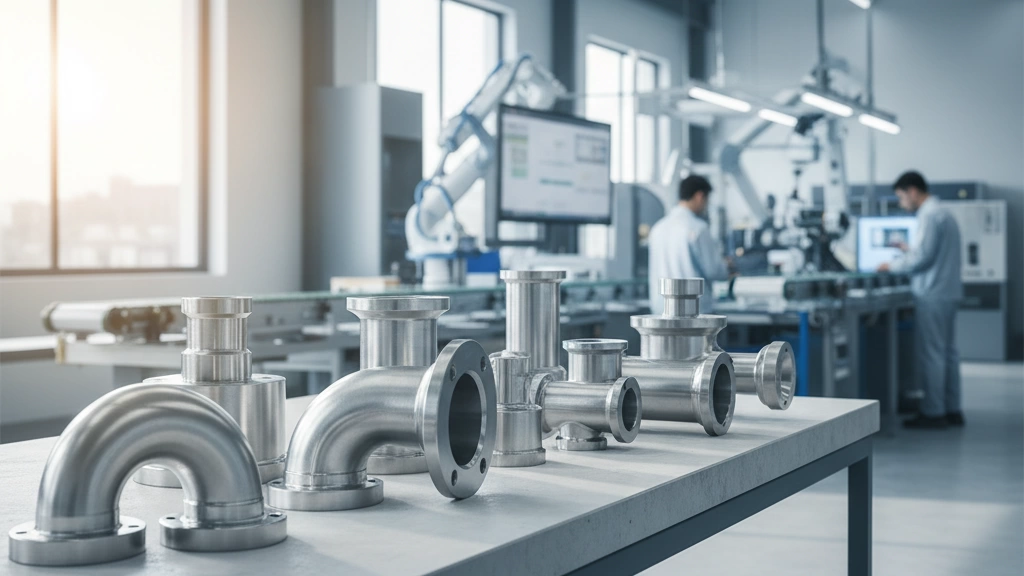
In the oil & gas and energy industries, stainless steel investment casting combined with precision CNC machining is ideal for producing robust, high-performance parts. Components like subsea valve bodies and connectors require excellent corrosion resistance and durability to withstand harsh underwater environments. Investment casting provides near-net-shape parts such as pump impellers and housings that are complex but cost-effective to produce, while CNC machining delivers the tight tolerances and smooth finishes critical for optimal pump efficiency.
Wellhead components demand materials that can handle extreme pressures and corrosive conditions, making stainless steel grades conforming to NACE MR0175 standards a go-to choice. These high-pressure, sour-service applications rely heavily on the strength and chemical resistance that stainless steel investment castings offer. Machining these castings ensures precise fits, leak-proof seals, and long service life.
For more insights on critical components in oilfield equipment, visit our detailed guide on manufacturing oil and gas equipment, which explores the importance of quality materials and precision machining in this demanding sector.
Food & Beverage and Pharmaceutical Processing Applications
Stainless steel investment casting combined with CNC machining plays a crucial role in food, beverage, and pharmaceutical industries where hygiene and precision are non-negotiable. Sanitary pump components made from stainless steel ensure clean, contaminant-free fluid handling, meeting strict 3A sanitary standards. Valve bodies and fittings crafted through this process offer tight seals and corrosion resistance, complying fully with FDA requirements for safe contact with consumables and medications.
Additionally, mixing and filling equipment parts benefit from the near-net-shape accuracy of investment casting, minimizing machining waste and maintaining smooth surfaces that prevent bacterial buildup. These high-quality components ensure reliability and longevity in environments where cleanliness and safety are top priorities.
For companies looking to optimize precision and quality in pharmaceutical manufacturing, exploring our expertise in manufacturing CNC medical and pharmaceutical equipment can provide valuable insights into tailored solutions.
Industrial Machinery & Automation Applications
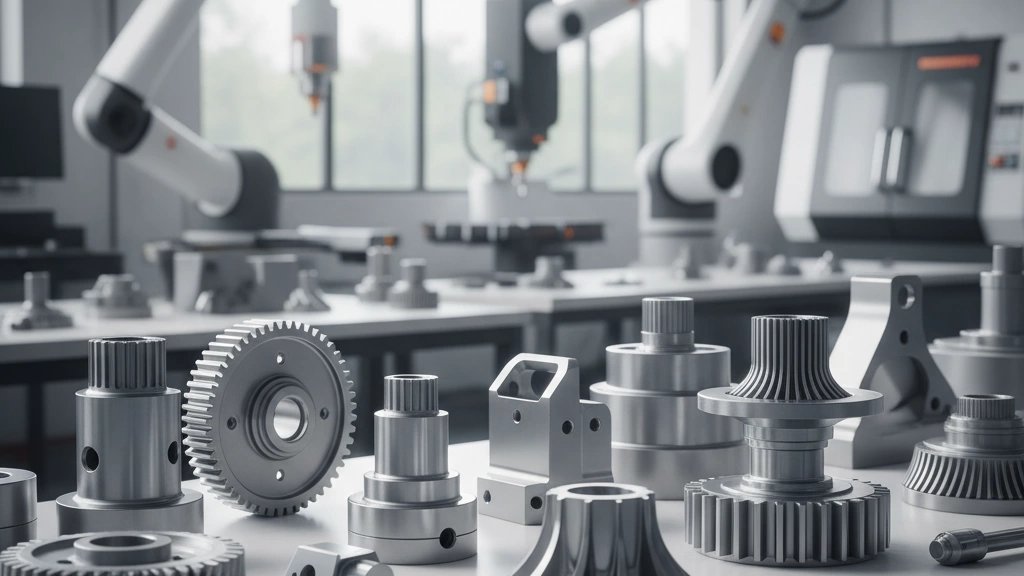
In industrial machinery and automation, stainless steel investment casting combined with CNC machining is a game-changer. Components like robot end-effectors and grippers demand precise geometry and high durability—investment casting delivers near-net-shape parts, while CNC machining ensures tight tolerances and smooth finishes. Hydraulic manifolds also benefit from this hybrid process, as complex internal channels created by casting can be finely machined to meet exact specifications, improving fluid control and system performance.
High-wear tooling components require stainless steel grades that resist abrasion and corrosion over time, making investment casting the ideal method for producing tough, long-lasting parts with intricate designs. Custom gearbox housings, often critical in automation, rely on this approach to achieve complex shapes that are both lightweight and structurally sound.
For manufacturers seeking reliable, precision stainless steel components in the automation sector, combining casting with secondary machining streamlines production and reduces waste, all while maintaining stringent quality standards. This approach aligns well with advanced manufacturing trends and is frequently utilized in automated assembly systems and heavy-duty machinery.
Explore more on the precision and control advantages in hydraulic component manufacturing with this detailed look at manifold components essential elements in fluid control systems.
Material Selection Guide for Stainless Steel Investment Casting
Choosing the right stainless steel grade for investment casting is key to meeting performance and durability requirements. Here’s a quick comparison of common stainless steel types used in investment casting, focusing on mechanical properties, corrosion resistance, and temperature limits.
| Grade | Tensile Strength (ksi) | Corrosion Resistance | Max Service Temp (°F) | Key Uses |
|---|---|---|---|---|
| 304 | 75–85 | Good, general-purpose | 870 | Food processing, general parts |
| 316L | 70–80 | Excellent, especially against chlorides | 800 | Marine, medical, chemical |
| 17-4PH | 130–160 | Very good, heat-treatable | 600 | Aerospace, high-strength parts |
| Duplex 2205 | 90–110 | Superior, resists pitting | 600 | Oil & gas, corrosive environments |
| Nitronic 60 | 90–110 | Outstanding, wear & corrosion | 1200 | High-wear, high-temp applications |
Key Points:
- 304 suits cost-effective, corrosion-resistant parts with moderate strength.
- 316L is preferred when superior corrosion resistance is needed, especially in marine and medical environments, thanks to its low carbon content.
- 17-4PH offers higher strength and hardness, often used in aerospace and defense components.
- Duplex 2205 blends high strength and corrosion resistance, ideal for demanding oil & gas and chemical applications.
- Nitronic 60 excels where wear resistance and heat tolerance are critical.
For detailed info on stainless steel grades in casting, check out our stainless steel grades casting guide. This helps US manufacturers choose the best material for their investment casting plus CNC machining needs.
Design Tips for Optimal Results When Combining Stainless Steel Investment Casting and CNC Machining
Getting the best results from stainless steel investment casting combined with CNC machining means thoughtful design from the start. Here are some practical tips to keep your parts efficient, cost-effective, and high quality:
-
Wall Thickness Guidelines: Aim for consistent wall thickness to avoid casting defects like porosity or shrinkage. Typically, keep walls between 0.08” to 0.25” depending on the stainless steel grade and part size.
-
Draft Angles and Undercuts: Incorporate draft angles of at least 1° to 3° on all vertical surfaces to ensure smooth mold release during casting. Avoid undercuts where possible, as they complicate mold design and increase costs.
-
Machining Stock Allowances: Plan for enough stock material on critical surfaces that require CNC machining. A stock allowance of 0.010” to 0.030” is common to accommodate final precision cutting and surface finishing.
-
Transition from Cast to Machined Features: Clearly define the areas that will be CNC machined versus those left as-cast. Smooth transitions prevent stress risers and simplify machining setups—consider blending fillets or radii to avoid sharp corners between cast and machined sections.
By incorporating these design basics, you can fully leverage the near-net-shape benefits of stainless steel investment casting with the tight tolerances and fine finishes achievable through CNC machining. For more details on coordinating casting with machining, check out this guide on investment casting with secondary machining.
Quality Assurance & Certifications at MS Machining
At MS Machining, quality assurance is a top priority for every stainless steel investment casting and CNC machining project. We use in-house non-destructive testing (NDT) methods like X-ray, dye penetrant, and ultrasonic inspections to catch defects early and ensure the integrity of each part. Our advanced Coordinate Measuring Machine (CMM) systems provide precise dimensional verification, backed by thorough First Article Inspections (FAI) to confirm every detail meets your specifications.
Our rigorous quality processes are supported by key industry certifications including ISO 9001 for quality management, AS9100 for aerospace standards, and ISO 13485 for medical device manufacturing. These credentials highlight our commitment to delivering reliable, compliant components, whether for complex aerospace parts, medical-grade stainless steel components, or high-precision industrial parts. To keep tight control over final parts, we combine these inspections with expert craftsmanship in both casting and precision CNC machining, ensuring that you get consistent, high-quality results every time.
For more on how precision CNC machining enhances cast parts, see our detailed stainless steel CNC machining services.
When to Choose Investment Casting + CNC vs. Other Processes
Deciding between stainless steel investment casting combined with CNC machining and other manufacturing methods depends on several key factors: quantity, part complexity, tolerance requirements, and material choice. Here’s a quick decision matrix to guide your selection:
| Factor | Investment Casting + CNC | Pure CNC Machining | Forging |
|---|---|---|---|
| Quantity | Best for medium to high volumes | Ideal for low to medium volumes | Suitable for very high volumes |
| Complexity | Excellent for complex, intricate shapes | Limited by tool access and shape | Limited to simpler geometries |
| Tolerance | Tight tolerances after CNC finishing | Very tight, high-precision | Moderate tolerances, less precise |
| Material Options | Wide range of stainless steel grades | Broad, including hard-to-machine | Mostly ductile metals |
| Lead Time | Moderate, including tooling and machining | Shorter setup, longer machining times | Long tooling setup, fast production |
| Cost Efficiency | Lower waste, near-net-shape saves cost | Higher material waste, longer machine time | Low unit cost at scale |
When to Choose Each Process:
- Investment casting + CNC: Best for moderately high quantities needing complex shapes and tight tolerances with corrosion-resistant stainless steels like 316L or 17-4PH. This hybrid process balances material savings with precise finishing.
- Pure CNC machining: Preferable for prototype runs or low-volume production where feature complexity is moderate, and surface finish matters. Check out our guide on investment casting vs. CNC machining for more insights.
- Forging: Ideal when strength and mechanical properties are critical, and parts have simpler shapes with very high volume demands, but cost and design flexibility are less important.
For U.S. manufacturers focused on delivering quality stainless steel parts with an optimized balance of cost, precision, and lead time, the investment casting plus CNC machining route often provides the best value—especially for parts with intricate designs and demanding standards.