
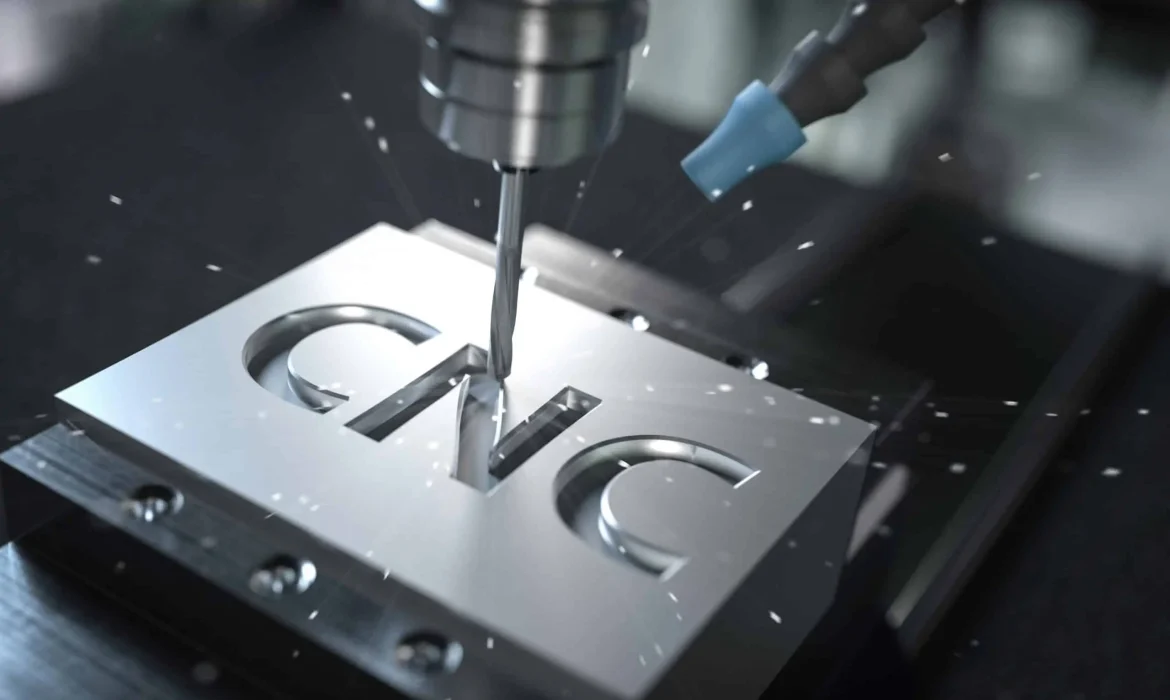
If you’re exploring ways to boost manufacturing efficiency without sacrificing quality, understanding Rapid CNC Machining is essential. This process unlocks unparalleled speed and precision, giving engineers and production managers a powerful edge in prototyping and small-batch runs. In this guide, you’ll discover exactly how rapid CNC machining accelerates workflows, maintains tight tolerances, and drives innovation across key industries. Whether you’re evaluating suppliers or refining your production strategy, what follows will clarify why rapid CNC machining is redefining modern manufacturing standards. Let’s get started.
Understanding Rapid CNC Machining
What is Rapid CNC Machining?
Rapid CNC machining is a high-speed manufacturing process that produces precision parts quickly, combining the accuracy of traditional CNC machining with significantly faster cycle times. Unlike conventional CNC machining, which often balances speed and quality more conservatively, rapid machining leverages advanced technology to accelerate production without sacrificing tight tolerances.
Principles vs. Conventional CNC Machining
While both methods use computer-controlled tools to shape materials, rapid CNC machining focuses on reducing lead times by optimizing tool paths, employing high-speed spindles, and using automated processes. Conventional CNC machining may prioritize setup flexibility and general production, but rapid machining targets fast turnaround and efficiency for small to medium batch runs or prototypes.
Key Technological Differences
High-speed spindles enable faster cutting without tool damage.
Advanced CAM software generates optimized tool paths for minimal machining time.
Automation and tool wear monitoring maintain precision during rapid cycles.
Enhanced machine tool rigidity supports stable holding at high speeds.
Evolution and Importance in Manufacturing
Rapid CNC machining has evolved alongside digital manufacturing trends, addressing the demand for quicker product development and just-in-time production. It plays a crucial role in industries where time-to-market and iterative testing are vital, making it a cornerstone of modern manufacturing strategies.
Common Terminology
- CNC machining parts: Components produced via CNC machining processes.
- CNC rapid: A shorthand referring to rapid CNC machining services that emphasize speed.
- Rapid machining: The general term for fast, high-precision CNC manufacturing methods.
Understanding these fundamentals sets the stage for appreciating how rapid CNC machining drives efficiency and precision across industries.
Key Advantages of Rapid CNC Machining
Rapid CNC machining stands out mainly for its exceptional speed, significantly cutting down production cycle times. By using high-speed CNC machining techniques, parts that once took days can now be completed in hours, which is a game-changer for manufacturers needing quick turnaround CNC machining.
Despite moving fast, rapid CNC keeps precision and accuracy sharp—maintaining tight tolerances even at increased speeds. This ensures CNC machining precision parts meet demanding standards without delays.
Another big plus is the enhanced material versatility. Rapid CNC can handle a wide range of materials—from metals like aluminum and stainless steel to plastics and composites—making it ideal for diverse industrial rapid machining needs. This versatility means you can rely on rapid machining services for complex parts across various sectors.
Cost-effectiveness is also a key benefit. With reduced lead times, rapid CNC machining lowers overhead and speeds up time-to-market, especially valuable for small-batch and prototype manufacturing. Fast production cycles mean you save money without compromising quality, making rapid CNC perfect for custom CNC machining parts or short runs.
Finally, rapid CNC machining supports dynamic product development by enabling quick iterations on prototypes. Whether you’re testing new designs or manufacturing low-volume parts, rapid CNC accelerates your process while ensuring consistent quality.
For more on materials suited to precision machining, check out our guide on manufacture components of stainless steel.
How Speed and Precision are Achieved
Rapid CNC machining owes its performance to several advanced technologies working together. High-speed spindles enable machines to cut materials faster without sacrificing accuracy. Optimized tool paths, programmed through sophisticated CNC techniques, reduce unnecessary movements and ensure smooth, efficient machining.
CAM software plays a critical role by generating precise instructions that balance speed and precision, allowing for tighter tolerances even at increased feed rates. Effective tool wear management is another key factor; automated systems monitor tool condition in real time, preventing defects and maintaining consistent quality throughout production.
These innovations combined make rapid CNC machining a powerful solution for quick turnaround CNC machining projects that don’t compromise on detail or finish. For a deeper look at the technologies behind precision CNC manufacturing, explore our CNC precision machining services.
Common Applications and Industry Use Cases
Rapid CNC machining brings speed and precision to a wide range of industries, delivering quick turnarounds without sacrificing quality. In aerospace, it’s perfect for rapid prototyping of complex components, ensuring designs can be tested and refined fast. The automotive sector benefits from fast iteration of parts and tooling, helping manufacturers move from concept to production with agility.
For medical devices, rapid CNC machining produces precision parts for implants and surgical tools where accuracy is critical. In the electronics industry, it handles small, detailed part production efficiently, supporting the fast-paced innovation cycles. Additionally, consumer goods prototyping and low-volume manufacturing gain from rapid machining’s ability to quickly produce custom CNC machining parts tailored to market demands.
MS Machining’s portfolio highlights how industrial rapid machining techniques come to life across these sectors, providing reliable solutions that meet tight tolerances and accelerate time-to-market. To see our expertise in precision work, check out our precision CNC machining services and how we handle intricate parts for high-performance applications in our micro tip precision engineering projects.
Rapid CNC Machining vs. Traditional CNC Machining
When comparing rapid CNC machining to traditional CNC machining, speed stands out as the biggest difference. Rapid CNC machines use advanced tool paths, high-speed spindles, and optimized programming to cut production times drastically, often reducing lead times from weeks to days. Traditional CNC machining, while reliable, tends to be slower because it prioritizes a more deliberate process to ensure quality over speed.
In terms of precision, both methods can achieve tight tolerances, but rapid CNC machining leverages automated tool wear management and smart CAM software to maintain consistency even at high speeds. Traditional CNC may offer slightly more flexibility for extremely complex or large-scale parts but often requires longer setup and cycle times.
Cost-wise, rapid CNC machining cuts expenses related to labor and time, especially beneficial for prototype runs and small-batch production. Traditional CNC might still be preferable for very large batches or materials that require slower processing.
Choosing between rapid and conventional CNC machining depends on your project’s timeline, complexity, and budget. If you need quick turnaround without sacrificing quality, rapid CNC machining is ideal. For parts that demand ultra-precise, slow machining or complex setups, conventional methods may be better.
Overall, rapid CNC machining reshapes supply chains by drastically shortening time-to-market, allowing U.S. manufacturers to respond faster to customer demands and market changes.
For more on how CNC machining works, check out our detailed guide on what CNC machining is and what CNC stands for.
How to Get a CNC Machining Quote for Rapid Machining
Getting an accurate rapid CNC machining quote starts with having the right information ready. To speed up the process and get precise pricing, prepare details like:
- Material type and complexity: Different materials affect machining time and costs.
- Part design and precision needed: Tight tolerances or complex geometries can influence pricing.
- Batch size: Smaller runs or prototypes may cost more per part compared to larger orders.
- Delivery timeline: Faster lead times could affect the cost.
At MS Machining, we keep the quote process simple and customer-focused. Once you provide your project details, our team quickly evaluates the technical requirements and presents a transparent estimate. Whether it’s a one-off prototype or a small-batch production run, we tailor our rapid CNC machining services to meet your needs while keeping costs competitive. For specialized materials or industries, like aerospace or medical devices, we can factor in unique demands for an accurate quote.
Preparing this info upfront helps save time and ensures your CNC machining quote online from MS Machining reflects your project’s true scope and requirements.
Considerations and Challenges in Rapid CNC Machining
While rapid CNC machining offers speed and precision, it comes with some challenges that manufacturers need to consider. One key limitation is material constraints—certain materials may not respond well to high-speed cutting or require special tooling. At MS Machining, we carefully assess material properties and recommend the best options to ensure durability and quality.
Design considerations are also crucial. Complex geometries might need adjustments to maintain structural integrity when machined rapidly. Our experienced team works closely with clients to optimize designs for manufacturability without sacrificing performance.
Maintaining precision at increased speeds demands strict quality control. We use advanced monitoring systems and automated inspection tools to detect and correct any deviations in real-time. This ensures consistent accuracy throughout the rapid machining process, even with tight tolerances.
By addressing these factors head-on, MS Machining delivers reliable rapid CNC machining services that meet the high standards expected across industries like aerospace, automotive, and medical device manufacturing. For customers seeking precision parts with quick turnaround, we blend expert craftsmanship with the latest CNC machine tool technology to overcome common challenges efficiently.
Future Trends in Rapid CNC Machining
Rapid CNC machining is evolving fast, driven by smart manufacturing and Industry 4.0 technologies. Integration with digital systems allows machines to communicate, self-adjust, and optimize production in real-time. This connectivity means faster setups, less downtime, and improved consistency—key for keeping lead times short in today’s competitive market.
AI-driven CNC programming is another major trend. Advanced software can now generate optimized tool paths and machining strategies automatically, cutting programming time and boosting precision. Automation is becoming smarter too, with robotic tool changers and inspection systems ensuring quality without slowing down production.
We’re also seeing new materials designed for rapid machining. Lightweight composites and advanced alloys are becoming easier to machine quickly without losing strength or finish quality. Paired with innovations in cutting tools and coolant systems, these materials open new doors for industries needing fast turnaround on high-performance parts.
At MS Machining, we stay ahead by adopting these future-ready technologies, so you get the speed, precision, and flexibility your projects demand as rapid CNC machining continues to advance.
Why Choose MS Machining for Your Rapid CNC Machining Needs?
Choosing the right partner for rapid CNC machining is crucial for getting quality parts fast without surprises. Here’s why MS Machining stands out:
| Key Strength | What It Means for You |
|---|---|
| Quality Commitment | Consistent precision that meets tight tolerances—every time |
| Speed & Efficiency | Fast turnaround times to cut your CNC machining lead time reduction noticeably |
| Advanced Capabilities | State-of-the-art rapid CNC machining equipment for high-speed CNC machining and complex geometries |
| Experienced Engineering | Expert support for custom CNC machining parts and challenging projects, ensuring feasibility and optimization |
| Industry Diversity | Proven success across aerospace, medical, automotive, and more—delivering reliable industrial rapid machining solutions |
We prioritize maintaining top precision while speeding up the rapid machining process, thanks to our investment in the latest CNC machine tool technology and automated CNC machining practices. Plus, our team works closely with you, ensuring your rapid CNC machining quote is accurate and tailored to your needs for prototype or batch production.
For example, our experience includes producing precision CNC manufacturing parts for aerospace assemblies, similar to the exacting standards in spiral groove bearing solutions for medical equipment and aerospace applications.
With MS Machining, you get the perfect blend of speed, precision, and dependability that helps your product get to market faster, without compromise.