
Introduction: Why Precision Machined Parts Are Important
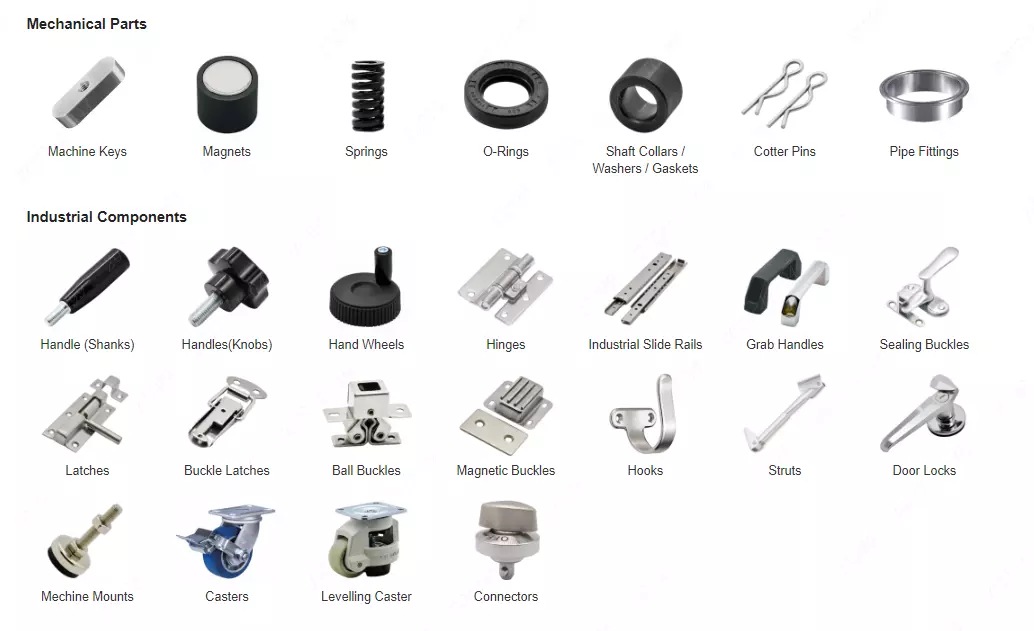
Precision mechanical parts are the backbone of many advanced industries today, including aerospace, automation, robotics, and medical equipment. These components are manufactured to exact specifications, ensuring dimensional accuracy and consistent quality. This level of precision is critical because even the slightest variation in size or shape can lead to product failure or decreased performance. In highly demanding applications, such as aircraft assemblies or surgical instruments, reliability depends on the stringent tolerances and repeatability of these parts. By maintaining tight control over dimensions and surface finishes, precision machined parts guarantee that machines and devices operate smoothly, safely, and efficiently. As a result, industries across the United States continue to rely heavily on precision machining to meet their quality and performance standards.
What Are Precision Machined Parts?
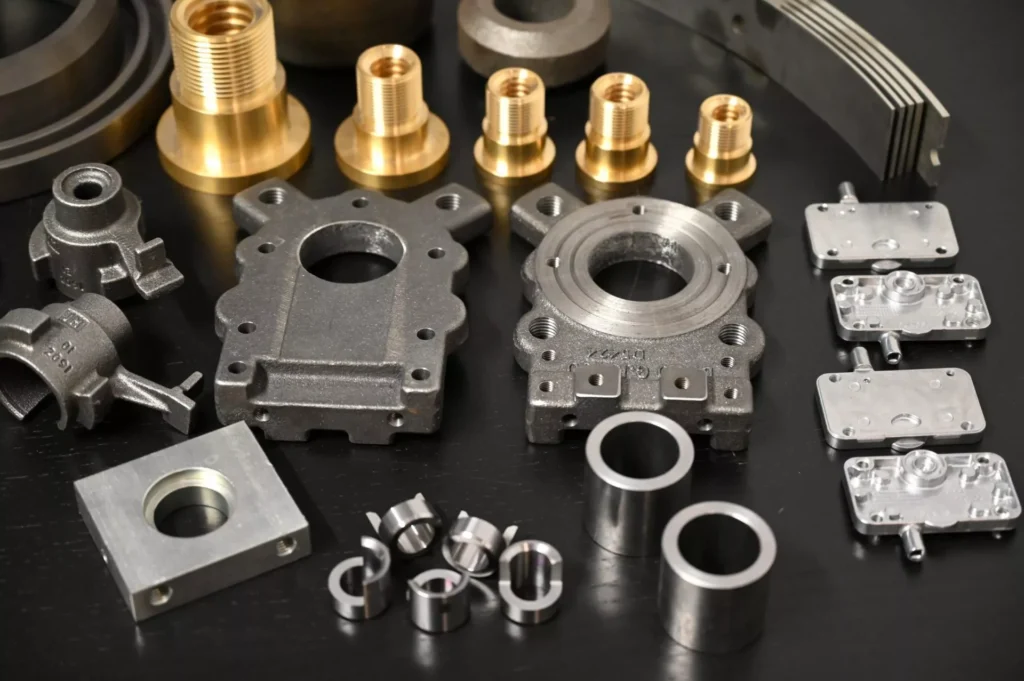
Precision machined parts are components made with extremely tight tolerances using advanced machining processes. These parts are crafted to exact specifications, ensuring every dimension, angle, and surface finish meets strict requirements. Unlike standard machined pieces, precision mechanical parts deliver consistent performance and fit perfectly in assemblies where reliability matters.
These parts are found in industries like aerospace, automotive, medical devices, and robotics, where small deviations can lead to system failures or safety risks. Precision machining involves cutting, shaping, and finishing metals or plastics using computer-controlled tools, guaranteeing repeatability and accuracy.
Because of their critical roles, precision machined parts often demand high-quality materials and sophisticated manufacturing methods. For manufacturers, understanding these demands means investing in technology and expertise to produce parts that maintain standards throughout their life cycle. For example, choosing the right CNC fixtures during production ensures parts stay stable and consistent, which you can explore more about in resources on CNC fixtures.
Accuracy vs Precision in Machining
In manufacturing, especially when producing precision mechanical parts, understanding the difference between accuracy and precision is crucial. Accuracy refers to how close a part’s dimensions are to the intended target or design specs. If a part is accurate, it means it meets the exact measurements required for proper function. On the other hand, precision is about consistency—how repeatable the measurements are when producing multiple parts. High precision means you can make many parts with very little variation between them.
Both accuracy and precision impact product quality and how well parts fit together during assembly. If dimensions aren’t accurate, parts might not work as intended or could cause failures down the line. Without precision, even if the first part is accurate, subsequent parts might vary and cause assembly issues or reduce reliability. That’s why top-quality precision mechanical parts combine both — precise repeatability and accurate dimensions — to ensure performance, reliability, and ease of manufacturing. For industries like aerospace or medical equipment, getting this balance right is non-negotiable. For more detailed processes, you can check out how CNC precision machining parts are produced with these principles in mind.
Characteristics of High-Precision Machined Components
High-precision mechanical parts stand out because of several key features that ensure their reliability and performance. First, tight tolerances are crucial—they mean the dimensions are controlled to very exact limits, often within microns. This precision helps parts fit together perfectly in assemblies, preventing issues like excessive wear or failure.
Next is repeatability, which means each part produced matches the specified dimensions consistently across large production runs. This consistency is essential for industries in the U.S. where product reliability and interchangeability are non-negotiable.
Dimensional stability ensures that parts maintain their size and shape even under stress, temperature changes, or over time. Materials and machining processes are selected carefully to guarantee stability, so components don’t warp or shift once in use.
Finally, surface quality is another hallmark. A smooth, defect-free surface reduces friction, improves part lifespan, and enhances the overall function, especially in demanding applications like aerospace or medical devices.
By focusing on these characteristics, precision mechanical parts deliver the dependable performance modern industries require. For more on how machining processes achieve this, check out our detailed overview of precision CNC lathe machines and their role in producing high-quality components.
How Precision Machined Parts Are Manufactured
Precision mechanical parts are made using highly controlled manufacturing processes that focus on exact dimensions and consistent quality. The process starts with a detailed design based on the part’s function and required tolerances. From there, skilled machinists and engineers select the right materials and machining methods.
Machining involves cutting, shaping, and finishing the raw material—usually metal or engineering plastic—using computer-controlled machinery. These machines follow precise instructions programmed from CAD (computer-aided design) files to ensure every part meets exact specifications. The goal is to deliver parts that fit perfectly and perform reliably in their applications.
Throughout manufacturing, close attention is paid to tool selection, machine calibration, and setup to maintain dimensional accuracy. Multiple steps often include rough machining to remove bulk material, followed by fine machining and finishing to meet tight tolerances. After machining, parts undergo inspection and quality checks to confirm they meet all requirements before shipping.
This controlled manufacturing approach is essential to producing high-quality precision mechanical parts that serve industries such as aerospace, medical devices, and robotics with consistent reliability and performance. For specialized operations, companies may use dedicated services like advanced CNC machining services for precision parts or CNC turning services to meet complex specifications.
CNC Machining Processes Used for Precision Parts
Precision mechanical parts are typically made using advanced CNC machining processes that ensure tight tolerances and consistent quality. The most common methods include CNC milling, where rotary cutters remove material to shape components, and CNC turning, which rotates the workpiece against a cutting tool to create cylindrical parts. For more complex geometries and tighter precision, multi-axis machining is widely used. This process allows tools to move in several directions, providing greater flexibility and accuracy, essential for intricate parts. Precision grinding is another key process for achieving ultra-smooth surfaces and exact dimensions, often used for finishing parts that demand the highest standards. Each of these processes plays a critical role in producing reliable precision mechanical parts tailored to meet stringent industry demands like aerospace and medical sectors. For specialized applications, advanced setups like 5-axis CNC machines offer even more control and precision, as detailed in this guide to the best 5-axis CNC machines.
Typical Production Workflow
The production workflow for precision mechanical parts starts with thoughtful design, where engineers develop detailed plans to meet exact specifications. Next comes programming, where CNC machines are set up with precise instructions to ensure accurate cutting and shaping. During the machining phase, these programs guide the tools to create parts with tight tolerances and consistent quality.
After machining, inspection is critical—using advanced measurement tools to verify dimensions and surface finishes match the design. Finally, finishing processes like polishing or coating enhance durability and aesthetics before the parts are ready for assembly or shipment.
This well-structured workflow ensures reliable, high-quality precision machined parts. To understand how each machining stage works, consider exploring our detailed guide on how CNC machining works and the variety of high-precision CNC machining services available to meet exact industry standards.
Design Considerations for Precision Machining
When designing precision mechanical parts, thinking ahead can save time and reduce costs during manufacturing. Proper design improves manufacturability by simplifying complex features and minimizing tight tolerances where they’re not critical. This approach helps reduce machining complexity, preventing unnecessary tool changes, setups, or rework.
To optimize design for precision machining:
- Keep tolerances realistic: Avoid extremely tight tolerances unless the part’s function demands it. Overly strict dimensions increase production time and cost.
- Simplify geometry: Straightforward shapes and consistent cross-sections are easier to machine accurately and repeatably.
- Consider tool access: Design parts so cutting tools can reach all critical surfaces without complex fixturing or special tooling.
- Material choice: Some materials machine better than others; consider machinability in the design phase.
- Allow for inspection: Design features that make it easier to verify critical dimensions, which supports quality control.
By integrating these design tips early, you improve the overall efficiency of producing precision mechanical parts, leading to better part quality and faster turnaround. For a deeper dive into laser precision and machining techniques, checking out services like CNC precision engineering can provide valuable insights.
Key Factors That Influence Machining Precision
Precision mechanical parts rely on several critical factors to achieve consistent accuracy and quality. Understanding these elements helps ensure your components meet strict specifications and perform reliably.
-
Machine Tool Stability and Accuracy: The foundation of precision machining is a stable, well-maintained machine. Any vibration, backlash, or wear can impact dimensional accuracy and surface finish.
-
Cutting Tools and Machining Parameters: Using sharp, high-quality cutting tools set with the right speeds, feeds, and depth of cut is essential. Tool wear or improper settings lead to deviations and surface defects.
-
Workholding and Fixturing: Securely clamping parts prevents movement during machining, which can cause inaccuracies. Custom fixtures often improve repeatability for complex geometries.
-
Environmental Conditions and Temperature Control: Temperature fluctuations cause metal expansion or contraction, affecting dimensions. Controlling workshop climate and cooling systems helps maintain tight tolerances.
Each of these factors plays a vital role in producing high-precision mechanical parts consistently. Proper management and regular checks ensure your machining process stays on target for the best product performance.
Machine Tool Stability and Accuracy
The stability and accuracy of machine tools are the foundation of producing high-quality precision mechanical parts. When a machine tool holds its position firmly during cutting, it ensures tight tolerances are met without unwanted vibrations or deviations. This stability minimizes errors and contributes directly to consistent, repeatable results.
Key factors influencing machine stability include machine frame rigidity, quality of linear guides, and robust spindle design. A stable machine also resists thermal expansion, which can otherwise throw off accuracy during long production runs. High-precision CNC machines often use temperature controls and calibrated components to maintain dimensional integrity.
Ensuring your machining center has top-notch stability and accuracy means you can rely on smooth surface finishes and precise dimensions every time. This reliability is crucial whether you’re producing aerospace-grade parts or components for industrial automation, where even minor flaws can cause big issues downstream. For specialized machining services, like custom precision CNC milling parts or alloy CNC machining services, investing in stable, accurate tools guarantees the quality your customers expect.
Cutting Tools and Machining Parameters
Cutting tools play a crucial role in achieving high-quality precision mechanical parts. The right tool type, material, and coating maintain sharpness and reduce wear, which directly affects dimensional accuracy and surface finish.
Key Cutting Tool Types:
| Tool Type | Use Case | Common Materials |
|---|---|---|
| Carbide End Mills | High-speed milling, tough materials | Carbide with coatings |
| HSS Drills | Drilling lighter alloys and plastics | High-speed steel |
| Diamond Tools | Ultra-fine finish and non-metals | Diamond-coated |
Important Machining Parameters:
| Parameter | Effect on Precision |
|---|---|
| Spindle Speed (RPM) | Controls surface finish quality |
| Feed Rate | Impacts tool life and dimensional control |
| Depth of Cut | Influences cutting forces and accuracy |
| Coolant Usage | Reduces heat, preserves tool life, prevents workpiece distortion |
Optimizing cutting tools and machining parameters helps produce consistent precision mechanical parts with tight tolerances. For example, tools used in custom CNC machining settings are selected and adjusted carefully to prevent tool deflection and maintain repeatability.
In the U.S. market, where reliability is crucial, balancing speed, tool wear, and precision is key to cost-effective production without sacrificing quality.
Workholding and Fixturing
Workholding and fixturing play a critical role in producing precision mechanical parts. These systems secure the material firmly during machining to prevent any movement that could impact dimensional accuracy and surface finish. Proper fixturing helps maintain consistent positioning, which is essential for repeatability and tight tolerances.
High-quality fixtures reduce vibration and tool deflection, factors that directly influence machining precision. Custom fixtures are often designed to fit complex parts, ensuring every angle is accessible while keeping the part stable. Using modular fixturing systems can also speed up production by simplifying setup changes without sacrificing accuracy.
In short, effective workholding and fixturing ensure that precision mechanical parts meet strict quality standards, improving overall reliability and performance in demanding applications.
Environmental Conditions and Temperature Control
Maintaining stable environmental conditions is critical for producing precision mechanical parts. Even small temperature fluctuations can cause metals and plastics to expand or contract, leading to dimensional changes that throw off tight tolerances. That’s why many shops control humidity and temperature within strict limits to ensure consistent machining results.
Temperature control helps keep both the machine tools and workpieces stable during the cutting process. For example, advanced CNC machines often include built-in cooling systems or are operated in climate-controlled rooms to minimize thermal distortion. This stability is especially important when machining materials like aluminum alloys or titanium, which are sensitive to heat.
In short, controlling the environment reduces measurement variations and improves repeatability, ensuring the consistent quality and accuracy that precision mechanical parts demand. This focus on environmental factors works hand-in-hand with other precision machining best practices to maximize product reliability and performance.
Quality Control for Precision Machined Parts
Quality control is crucial when it comes to precision mechanical parts. These components must meet exact specifications to perform reliably, especially in critical fields like aerospace and medical devices. Consistent inspection and testing ensure every part is made to the tight tolerances required.
Implementing a robust quality control program typically involves multiple steps:
- Incoming material checks to verify raw materials meet standards.
- In-process inspections during machining to catch issues early.
- Final dimensional verification against the design drawings.
- Surface finish checks to ensure the correct smoothness and texture.
Using advanced equipment such as coordinate measuring machines (CMMs) and optical inspection systems helps maintain the accuracy and repeatability needed. These technologies can detect even the smallest deviations from specifications.
Investing in thorough quality control not only reduces scrap and rework but also guarantees parts will fit and function properly in the final assembly. For industries demanding the highest precision, reliable quality management is non-negotiable.
To see how precision machining integrates quality at every stage, check out insights on manufacturing critical components with CNC machining.
Inspection Methods and Measurement Equipment
When it comes to precision mechanical parts, thorough inspection is key to ensuring dimensional accuracy and consistent quality. Common methods include using coordinate measuring machines (CMM), which provide highly accurate 3D measurements of complex shapes and tight tolerances. Optical inspection systems also play a big role, especially for capturing detailed surface features without contact. To verify surface finishes, surface roughness measurement tools are used, helping maintain the high-quality standards expected in industries like aerospace and medical devices. These reliable measurement tools help catch any deviations early, keeping production efficient and parts within exact specifications.
Quality Management Systems
Manufacturing standards like ISO 9001 and AS9100 play a critical role in keeping quality consistent for precision mechanical parts. These systems set clear guidelines for process control, documentation, and continuous improvement. Following these standards helps manufacturers minimize errors and ensure every precision machined part meets strict tolerances and performance requirements.
For industries like aerospace, medical, and automotive, where part reliability is non-negotiable, having a certified quality management system builds trust and reduces costly defects. Adopting these standards not only guarantees product quality but also streamlines workflows from design through final inspection—a key factor for successful precision machining.
If you’re looking into high-quality CNC machining services with rigorous quality controls, check out our professional precision machining options designed to meet these standards.
Reliability of Measurement Systems
When it comes to precision mechanical parts, the reliability of measurement systems is critical. Accurate and consistent measurements ensure that machined components meet the tight tolerances necessary for top performance and safety, especially in industries like aerospace and medical devices.
Reliable measurement systems reduce errors and variability in quality checks. This means fewer defects, less rework, and better overall product consistency. To achieve this, manufacturers use calibrated tools and maintain strict standards for inspection equipment.
Common reliable measurement systems include coordinate measuring machines (CMM), optical scanners, and surface roughness testers. These tools provide repeatable and precise data that help confirm a part’s dimensions match design specifications.
In the US market, where traceability and compliance with standards such as ISO 9001 and AS9100 are essential, reliable measurement systems are a must-have to maintain customer trust and ensure product quality over time. Investing in dependable measurement technology ultimately supports the consistent production of high-quality precision mechanical parts.
Equipment Used in High-Precision CNC Machining
High-precision CNC machining relies on specialized, advanced equipment to achieve tight tolerances and consistent quality. The core machines include multi-axis CNC machines, which allow complex geometries to be cut with excellent accuracy. These machines often feature high-speed spindles that enhance cutting efficiency and precision.
Automatic tool changers are crucial for reducing downtime and maintaining machining accuracy by ensuring the correct tool is always in place without manual intervention. Vibration control systems also play a big role—they help stabilize the machine, reducing chatter and improving surface finishes.
Using this sophisticated equipment helps manufacturers produce precision mechanical parts that meet strict dimensional requirements and quality standards. For those looking to learn more about CNC machining metal components, explore CNC machining metal to see how these machines come together in modern manufacturing.
Multi-Axis CNC Machines
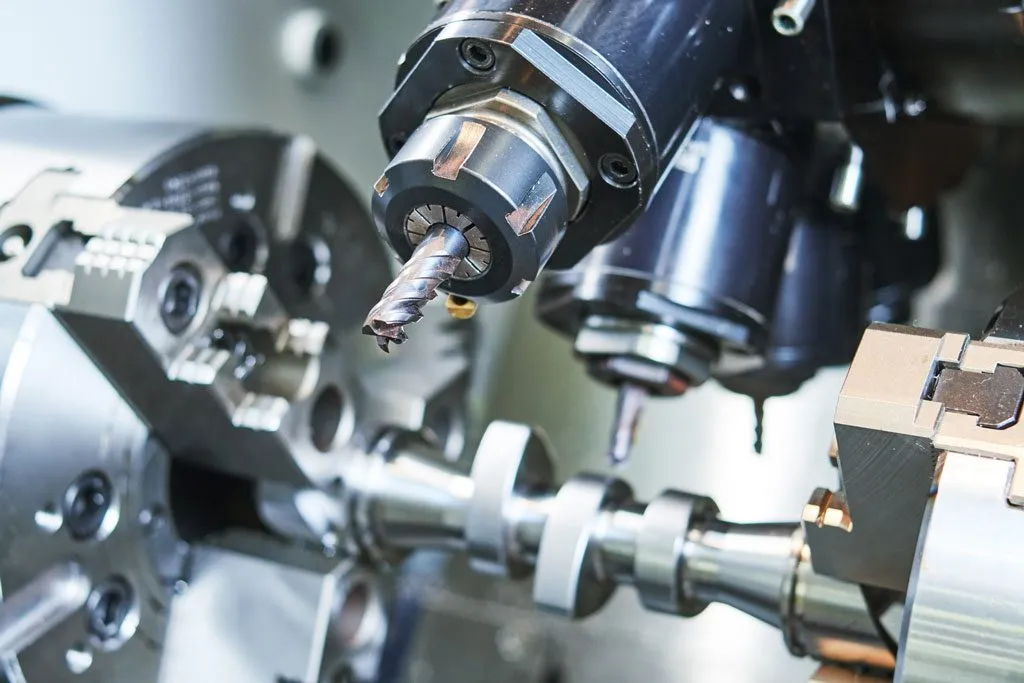
Multi-axis CNC machines are a game-changer for producing precision mechanical parts in the U.S. manufacturing scene. Unlike traditional 3-axis machines that move tools along the X, Y, and Z axes, multi-axis machines add extra degrees of freedom—typically 4, 5, or even more axes. This means they can machine complex geometries in a single setup, improving accuracy and cutting down production time.
These machines allow for intricate shapes, undercuts, and angled features without needing to reposition the part multiple times. The result? Better dimensional consistency, fewer errors, and a smoother finish. Multi-axis CNC machining is especially valuable in industries like aerospace, medical devices, and robotics, where precision and tight tolerances are non-negotiable.
Because these machines handle complex motions, they work well with advanced materials such as titanium and stainless steel, which are common in precision parts. For those exploring materials, understanding what CNC machines can cut efficiently can be found in resources on metal cutting capabilities of CNC machines.
Using multi-axis CNC technology ensures that the United States manufacturing industry stays competitive by delivering high-precision mechanical parts faster and with unmatched quality.
High-Speed Spindles and Automatic Tool Changers
High-speed spindles are essential for precision mechanical parts manufacturing. They allow machines to operate at faster speeds while maintaining the tight tolerances required for accuracy and surface finish. By spinning cutting tools at thousands or even tens of thousands of RPMs, these spindles enable smoother cuts, reduced tool wear, and shorter cycle times—ultimately improving productivity for complex parts.
Automatic tool changers (ATCs) complement high-speed spindles by enabling quick, seamless switching between different cutting tools during CNC machining. This reduces downtime and allows for multi-step machining processes to be completed in one setup, which is critical for maintaining consistency and precision across batches. Together, these technologies boost efficiency and help deliver high-precision CNC machining parts that meet tight dimensional requirements.
For manufacturers focusing on quality and speed in making precision machined components, integrating high-speed spindles with reliable automatic tool changers is a game changer. To learn more about complex parts production, including spindle and tooling setups, check out our guide on CNC machining complex parts.
Vibration Control and Motion Systems
In precision mechanical parts manufacturing, controlling vibration and ensuring smooth motion are key to achieving tight tolerances and consistent quality. Excessive vibration during machining can cause surface imperfections, dimensional errors, and even tool wear. That’s why modern CNC machines use advanced motion systems combined with vibration damping technologies.
High-quality linear guides, ball screws, and servo motors provide precise and stable movement, reducing errors caused by backlash or mechanical play. Additionally, manufacturers often integrate vibration isolation pads or active damping systems to absorb and minimize machine chatter.
By optimizing vibration control and motion systems, shops can improve the reliability of precision machining processes, guaranteeing parts that meet strict dimensional and surface finish requirements demanded by aerospace, medical, and industrial automation sectors. These improvements translate directly into better-performing precision mechanical parts designed for critical applications.
Applications of Precision Machined Parts
Precision mechanical parts play a critical role across a variety of industries where exact dimensions and tight tolerances are non-negotiable. Here’s a quick look at key sectors relying on these components:
-
Aerospace Components: Precision parts ensure safety and performance in aircraft engines, landing gear, and control systems where any deviation can compromise reliability.
-
Automotive and Transportation Parts: From engine blocks to transmission gears, these parts improve fuel efficiency, durability, and overall vehicle safety.
-
Medical Device Components: Surgical instruments, implants, and diagnostic equipment demand high precision for effectiveness and patient safety.
-
Industrial Automation and Robotics: Accurate mechanical parts help robots and automated systems maintain consistent operation with minimal downtime.
Each of these applications demands the highest standards of quality and precision, making the choice of manufacturing process and material crucial. For specialized jobs like lightweight but strong components, technologies such as CNC titanium machining provide the perfect solution. Overall, precision mechanical parts are foundational to advancing innovation and maintaining competitive edges in American manufacturing.
Aerospace Components
Precision mechanical parts are critical in aerospace, where safety and performance can’t be compromised. Aircraft components like turbine blades, engine parts, landing gear elements, and structural fittings demand exact tolerances and flawless consistency. These parts often face extreme conditions—high pressures, temperatures, and stresses—so even minor deviations can lead to failure.
Using high-quality precision machining ensures that aerospace parts meet strict industry standards and regulatory requirements. Materials like titanium and specialized aluminum alloys are commonly machined to deliver lightweight strength and corrosion resistance. Advanced CNC machining techniques make it possible to produce complex geometries with tight tolerances, improving aerodynamic efficiency and overall reliability.
If you’re involved in aerospace manufacturing, understanding how to optimize the machining process for these complex components is vital. For example, exploring detailed CNC machining tips can help improve precision, reduce waste, and shorten production times while maintaining quality.
Automotive and Transportation Parts
Precision mechanical parts play a critical role in the automotive and transportation industries, where performance, safety, and reliability are non-negotiable. From engine components and transmission gears to braking systems and suspension parts, every piece must meet tight tolerances to ensure smooth operation and longevity. Consistent dimensional accuracy helps reduce wear and tear, improve fuel efficiency, and maintain compliance with strict industry standards.
Modern vehicles rely heavily on precision machined parts to handle the demanding conditions of speed, vibration, and temperature changes. For example, CNC precision machining enables manufacturers to produce complex shapes with exact specifications, ensuring parts fit perfectly within assemblies to avoid failures. This attention to detail directly translates into improved vehicle safety and reduced maintenance needs.
Additionally, precision machining supports the production of lightweight components using materials like aluminum alloys and titanium, contributing to overall weight reduction and better fuel economy. Whether manufacturing components for conventional cars, electric vehicles, or heavy-duty trucks, precision mechanical parts drive innovation and quality in transportation engineering.
For more insight into machining methods tailored for different materials used in automotive parts, check out our guide on CNC precision machining.
Medical Device Components
Precision mechanical parts play a vital role in medical device manufacturing, where exact dimensions and consistent quality can impact patient safety and device performance. From surgical instruments to implantable devices, these components must meet stringent standards for accuracy and surface finish to ensure reliability. Materials like stainless steel, titanium, and certain engineering plastics are commonly used to balance strength, biocompatibility, and machinability.
High-precision machining allows for tight tolerances critical in devices such as pacemakers, prosthetics, and diagnostic tools. The ability to control every aspect of machining ensures that medical components fit perfectly and function without failure. Many manufacturers rely on advanced CNC production machining processes to deliver these precision parts consistently, contributing to improved healthcare outcomes.
Industrial Automation and Robotics
Precision mechanical parts play a vital role in industrial automation and robotics. Machines and robotic systems rely on components with exact dimensions and consistent quality to operate smoothly and efficiently. Even minor variations in part size or shape can lead to misalignment, reduced performance, or system failure.
In automation, precision machined parts help ensure accurate movement, repeatable positioning, and reliable operation over long periods, which is crucial for industries like manufacturing and packaging. Robotics often demands complex geometries and tight tolerances, especially for joints, gears, and sensor housings, where precision directly impacts range of motion and functionality.
Using high-quality precision components also reduces downtime and maintenance costs, helping U.S. manufacturers stay competitive with reliable, high-performing automation systems. To meet these strict requirements, advanced machining techniques, such as multi-axis CNC machining, are commonly used, improving both complexity and precision. For more on advanced CNC machining, see how a 5-axis CNC machine enhances precision and capability in manufacturing.
In short, precision mechanical parts are the backbone of efficient industrial automation and robotics, delivering the accuracy, repeatability, and durability these high-tech systems demand.
Materials Used for Precision Machining
Choosing the right materials is key when producing precision mechanical parts. The material affects everything from machining ease to final part performance. Common materials fall into metals and engineering plastics.
Common Metal Materials
Metals like aluminum alloys, stainless steel, titanium, brass, and copper alloys are popular for precision machining because they offer excellent strength, corrosion resistance, and machinability. Aluminum alloys are lightweight with good thermal properties, ideal for aerospace and automotive parts. Stainless steel delivers durability and corrosion resistance, perfect for medical devices and industrial components. Titanium combines high strength with low weight, often used in aerospace and high-performance applications. Brass and copper alloys provide excellent electrical conductivity and are common in precision connectors and electronic components. For examples of machining metals with exacting standards, check out specialized services such as CNC metal machining and CNC bronze machining.
Engineering Plastics
High-performance plastics like ABS, nylon, polycarbonate, and PTFE are also common materials for precision machining. These materials can offer excellent chemical resistance, low friction, and good dimensional stability, making them suitable for components in medical devices, robotics, or industrial automation where metal parts may be too heavy or conductive.
Material Selection Considerations
Picking the right material comes down to balancing machinability, mechanical properties, cost, and application requirements. Factors like thermal expansion, wear resistance, and biocompatibility can influence which material fits best for a given precision parts project.
With the right material choice, precision mechanical parts deliver consistent reliability and long-term performance in demanding U.S. industries.
Common Metal Materials
Precision mechanical parts are often made from a variety of metal materials chosen for their strength, durability, and machinability. Aluminum alloys are popular due to their lightweight nature and excellent corrosion resistance, making them ideal for aerospace and automotive components. Stainless steel offers strength and corrosion resistance, widely used in medical devices and industrial equipment. Titanium stands out for its high strength-to-weight ratio and biocompatibility, which is crucial for medical implants and aerospace parts. Brass and copper alloys provide good electrical conductivity and machinability, often used in electrical components and precision fittings.
Choosing the right metal affects not only the performance but also the ease of manufacturing and cost. For tougher demands, consider hardened steel machining parts, which add extra durability and wear resistance, essential in high-stress applications. You can find more on those options when exploring hardened steel machining parts.
Engineering Plastics
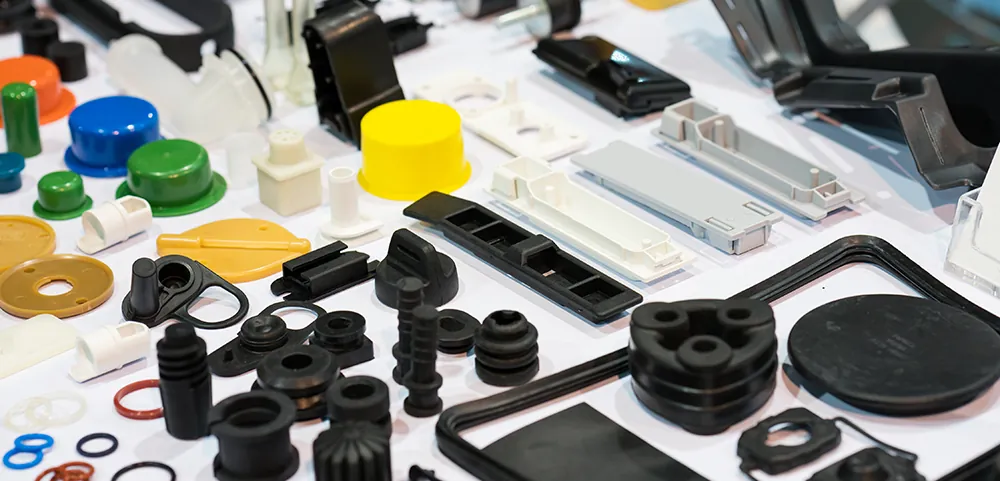
Engineering plastics like ABS, nylon, polycarbonate, and PTFE are widely used in precision mechanical parts for their strength, durability, and resistance to wear and chemicals. These high-performance plastics offer excellent dimensional stability and can be machined to tight tolerances, making them ideal for components in medical devices, automotive systems, and industrial automation. Their lightweight nature also helps reduce overall product weight without sacrificing structural integrity, which is a big plus in applications where precision and weight go hand in hand. Using engineering plastics in precision machined parts often requires careful consideration of machining parameters to maintain accuracy and surface finish.
Material Selection Considerations
Choosing the right material for precision mechanical parts is crucial to ensure performance, durability, and cost-effectiveness. When selecting materials, consider the following factors:
- Mechanical Properties: Strength, hardness, and wear resistance impact how well the part performs under stress and over time.
- Machinability: Some materials, like aluminum alloys, are easier to machine and allow tighter tolerances without excessive wear on cutting tools.
- Thermal Stability: For parts used in fluctuating temperature environments, materials with low thermal expansion maintain dimensional accuracy better.
- Corrosion Resistance: Stainless steel and certain coatings help parts withstand harsh environments, which is especially important for aerospace and medical applications.
- Weight: Lightweight materials like titanium or engineering plastics can improve efficiency in automotive and aerospace sectors.
- Cost and Availability: Balancing budget constraints with material performance is key—sometimes a less expensive alloy or plastic meets requirements without sacrificing quality.
For specialized needs, precision CNC machining services include work with copper and brass alloys, which provide excellent electrical conductivity and machinability. Exploring options like these can optimize the functionality of your precision mechanical parts while meeting strict design criteria. For more specific applications, consider checking out advanced machining services such as CNC machining copper services or CNC machining brass to match your material choice with top-tier manufacturing capabilities.
Recent Advances in Precision Machining Technology
Precision mechanical parts production is evolving fast, thanks to several breakthrough technologies making machining more efficient and accurate. Here are some of the key advances shaping the industry:
-
Advanced Cutting Tools and Coatings
New materials like diamond-like carbon and ceramic coatings boost cutting tool life and reduce wear. These coatings help maintain tight tolerances longer, especially when working with tough metals like titanium or stainless steel.
-
Automation and Robotics Integration
Automated loading, unloading, and tool changes speed up production while reducing human error. Modern precision CNC machining centers often incorporate robotics for consistent, repeatable operations that improve throughput without sacrificing quality.
-
AI and Smart Manufacturing
Artificial intelligence is being used to monitor machine performance and predict maintenance needs before breakdowns occur. Smart sensors track tool wear and machining conditions in real time, enabling adaptive control that keeps parts within strict tolerance ranges.
-
Multi-Axis CNC Machines
Enhanced multi-axis machines allow complex geometries to be machined in fewer setups, reducing cumulative errors and improving overall precision.
These advances not only improve dimensional accuracy and surface finish but also help U.S. manufacturers stay competitive by cutting lead times and lowering costs. For those interested in cutting-edge CNC precision machining capabilities, exploring services like CNC precision machining can highlight how these technologies translate into real-world benefits.
Advanced Cutting Tools and Coatings
Advanced cutting tools and coatings are a game changer for precision mechanical parts manufacturing. They improve tool life, machining accuracy, and surface finish — all crucial for making high-quality components that meet tight tolerances.
Key benefits of modern cutting tools and coatings include:
- Increased durability: Coatings like titanium nitride (TiN), titanium aluminum nitride (TiAlN), and diamond-like carbon (DLC) reduce wear, allowing tools to stay sharper longer.
- Better heat resistance: High-performance coatings help tools withstand high temperatures generated during high-speed machining, minimizing thermal distortion.
- Improved chip evacuation: Specialized tool geometries optimize chip flow, which prevents damage to the part and maintains precise cutting conditions.
- Enhanced surface finish: Sharp cutting edges and smooth coatings reduce friction and burr formation, resulting in smoother, more consistent part surfaces.
By investing in the latest cutting tools and coatings, shops can consistently produce precision mechanical parts with superior accuracy and repeatability. This technology directly supports the demanding requirements of industries like aerospace, medical, and robotics, where every fraction of a millimeter counts.
Automation and Robotics in CNC Machining
Automation and robotics have transformed the precision mechanical parts industry by boosting efficiency and consistency in CNC machining. Automated systems help reduce human errors, speed up production cycles, and ensure repeatable accuracy—crucial factors when manufacturing complex components for aerospace, medical devices, and industrial automation.
Robotic arms integrated with CNC machines can handle tasks like loading and unloading parts, tool changes, and even in-process inspection, improving workflow and minimizing downtime. This level of automation enables manufacturers to produce high-precision parts with tighter tolerances and better surface finishes while maintaining cost-effectiveness.
By leveraging robotics alongside CNC machining, companies in the U.S. can meet the rising demand for precision mechanical parts with improved reliability and faster turnaround. This approach aligns well with the needs of industries requiring consistent quality and performance.
For those looking at advanced manufacturing options, exploring custom CNC machining services can reveal how automation enhances capabilities and precision.
AI and Smart Manufacturing Technologies
AI and smart manufacturing are transforming how precision mechanical parts are made in the U.S. factories. These technologies use data analytics, machine learning, and real-time monitoring to improve machining accuracy and efficiency. By predicting tool wear and optimizing cutting paths, AI helps maintain the tight tolerances needed for high-quality parts.
Smart systems also enable adaptive control — automatically adjusting machining parameters to account for material variations or environmental changes. This reduces scrap rates and boosts repeatability, which is critical for industries like aerospace and medical device manufacturing.
Integrating AI with CNC machines and automation improves workflow by speeding up programming and inspection stages. For example, advanced software can analyze CAD designs and machine settings to suggest improvements, cutting down production time without sacrificing precision.
Using smart manufacturing technologies means shops can consistently deliver precision mechanical parts with less downtime and greater reliability, meeting the demanding standards expected in today’s market.
Design Tips for Precision Machined Parts
When designing precision mechanical parts, smart choices early on can save headaches down the line. Here are some practical tips to keep in mind:
-
Avoid unnecessary tight tolerances. Only apply tight tolerances where they truly affect function. Overly strict specs drive up costs and increase manufacturing challenges without adding value.
-
Simplify part geometry. Complex shapes are harder and more expensive to machine accurately. Aim for straightforward designs with smooth transitions and avoid intricate features when possible.
-
Design for manufacturability. Collaborate with your machinist early to understand what’s feasible. This includes considering machining access, tool sizes, and standard cutting paths to reduce setup times and improve repeatability.
-
Use standard hole sizes and thread specifications. This minimizes custom tooling and streamlines assembly with off-the-shelf fasteners.
-
Include proper fillets and chamfers. Sharp corners can cause stress and are tougher to machine. Rounded edges improve tool life and part durability.
-
Plan for inspection access. Make sure key dimensions are accessible for measurement to help maintain quality controls easily.
Following these design best practices not only improves the machinability of precision components but also reduces lead times and production costs, ensuring consistent, high-quality results essential for your application. For expert help, consider working with specialists in high-precision CNC parts who understand how design tweaks impact final performance.