
If you’re involved in manufacturing, engineering, or product design, you already know that precision can make or break a project. That’s exactly where CNC milling parts come in—offering accuracy and repeatability that traditional methods just can’t match. Whether you’re prototyping a new design or scaling up production, understanding how these components are made and what makes them stand out is crucial. In this guide, you’ll get the lowdown on everything from the CNC milling process to material choices and design tips, helping you make smarter decisions and get the most out of your next project. Let’s get started!
What Are CNC Milling Parts?
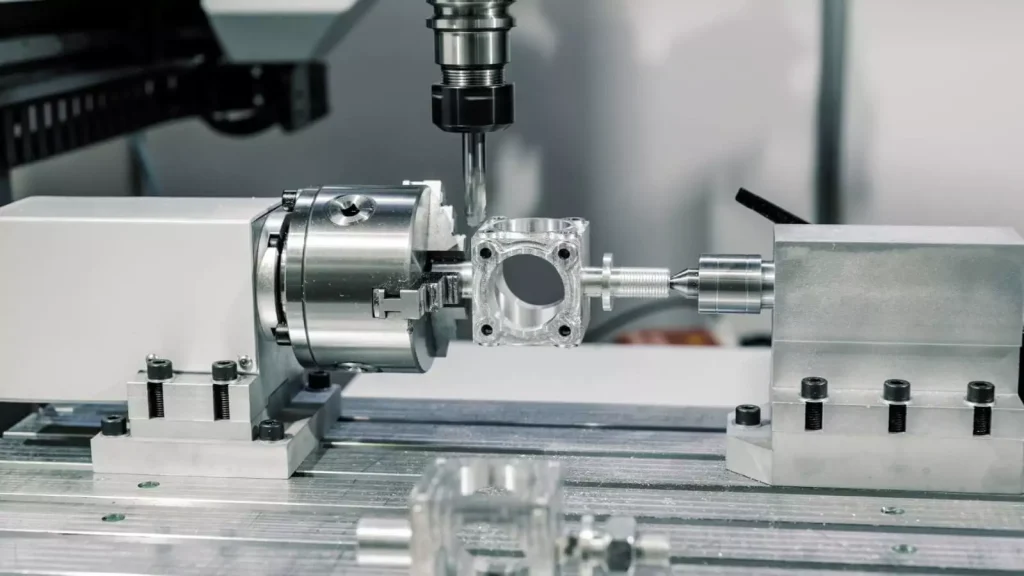
CNC milling parts are precision components made by a subtractive manufacturing process. In CNC milling, rotating cutting tools remove material from a solid block—called a workpiece—to create a specific shape. This method precisely carves out complex designs by moving along multiple axes.
How CNC Milling Differs from Other Machining
| Aspect | CNC Milling | CNC Turning |
|---|---|---|
| Tool Movement | Rotating tools move around workpiece | Workpiece rotates; tool is stationary |
| Common Parts | Complex 3D shapes like brackets, housings | Cylindrical parts like shafts, pins |
| Geometry | Complex geometries with pockets, holes, and contours | Mostly round or symmetric shapes |
CNC milling parts stand out for their ability to produce intricate features that turning or other methods can’t easily achieve.
Key Features of CNC Milling Parts
- Tight Tolerances: Often as small as ±0.001”, ensuring parts fit and function perfectly.
- Complex Geometries: Capable of producing detailed shapes, undercuts, and multi-level features.
- Repeatability: CNC machines replicate parts consistently, ideal for both prototyping and production runs.
Whether it’s metal or plastic, CNC milling parts deliver precision and detail that match demanding industrial standards.
The CNC Milling Process: Step-by-Step
The CNC milling process begins with the design phase, where engineers use CAD (Computer-Aided Design) software to create precise 3D models of the part. These models are then converted into CNC machine instructions through CAM (Computer-Aided Manufacturing) programming, which guides the cutting tools during machining.
Next is material selection and preparation. Choosing the right material—whether metal or plastic—depends on the part’s function, strength requirements, and machinability. The selected raw stock is then securely fixed in the machine to ensure accuracy throughout the process.
The actual machining operations come in stages. First is roughing, where excess material is quickly removed to approximate the final shape. Then finishing cuts provide the tight tolerances and smooth surface finishes CNC milling parts are known for. Modern CNC machines often use multi-axis capabilities, ranging from 3-axis to advanced 5-axis milling. This allows complex geometries to be machined in fewer setups, improving precision and reducing production time.
After machining, post-processing steps like deburring remove sharp edges and imperfections. Surface treatments may be applied to enhance corrosion resistance or appearance. Finally, each part undergoes thorough inspection to ensure it meets stringent CNC milling tolerances before shipping.
For a closer look at how CNC machining works from start to finish, our detailed guide on how does CNC machining work is a great resource to explore the entire process from design to delivery.
Common Materials for CNC Milling Parts
CNC milling parts are made from a variety of materials, mainly metals and plastics, chosen based on the part’s requirements.
Metals
- Aluminum: Lightweight, strong, and easy to machine. Perfect for aerospace, automotive, and electronics parts where weight matters.
- Stainless Steel: Durable and corrosion-resistant, ideal for medical instruments, food processing, and industrial components.
- Titanium: Known for its strength-to-weight ratio and corrosion resistance, great for aerospace and high-performance parts.
- Brass: Easy to machine with good corrosion resistance, often used in electrical components and decorative parts.
- Copper: Excellent electrical conductivity, making it suitable for heat sinks and electrical components.
Plastics
- ABS: Tough and impact-resistant, widely used for prototypes and lightweight enclosures.
- POM (Delrin): High stiffness and low friction, ideal for gears and moving parts.
- Polycarbonate: Strong, transparent, and impact-resistant, good for protective covers and lenses.
- PEEK: High-performance plastic resistant to heat and chemicals, commonly used in medical and aerospace parts.
Choosing the Right Material
When selecting materials for CNC milling parts, consider:
- Strength requirements for durability
- Corrosion resistance based on environment
- Machinability to reduce production time and cost
- Cost-effectiveness to balance performance and budget
For complex parts where precision and surface finish matter, the right material choice impacts both functionality and overall cost efficiency. To explore how different materials perform during the CNC milling process, check out our detailed guide to ensure the best match for your project.
Types of CNC Milling Parts and Applications
CNC milling parts cover a broad range of components, from prototypes and custom one-off parts to full production runs. Prototypes allow engineers to test designs quickly and affordably before moving into mass production. Custom parts are ideal when unique, precise components are needed without large tooling costs.
For production runs, common parts include brackets, enclosures, gears, housings, and flanges. These components are essential in many industries since CNC milling offers tight tolerances and excellent repeatability.
Across various sectors, CNC milling parts play crucial roles:
- Aerospace: Structural components require high strength and lightweight materials, perfect for precision CNC milling.
- Automotive: Engine parts and transmission components rely on durable, accurately machined pieces.
- Medical: Implants and surgical instruments demand biocompatible materials and tight tolerances.
- Electronics: Heat sinks, casings, and connectors need precise surface finishes to manage heat and protect delicate circuits.
For metal CNC milling, materials like aluminum and stainless steel are frequently used, balancing performance and machinability. For advanced options, check our detailed capabilities in metal CNC machining to see how we deliver precision parts tailored to varied industries.
Advantages of CNC Milling Parts

CNC milling parts offer top-notch precision and accuracy, with tight tolerances as small as ±0.001″. This makes them ideal for applications where exact dimensions matter. Whether you need a single prototype or a full production run, CNC milling is efficient and flexible enough to handle low to high volumes without compromising quality.
Another big plus is versatility. CNC milling can create complex designs and detailed surface finishes that are tough to replicate with other methods. Plus, compared to alternatives like injection molding—especially for prototypes—CNC milling often saves time and money by eliminating expensive molds and tooling.
For those weighing options, custom CNC milling services combine precision machining with cost-effectiveness, making it a smart choice for many industries. If you want to explore how CNC milling stacks up against other manufacturing methods, check out our detailed comparison of injection molding and thermoforming.
Design Tips for Optimal CNC Milling Parts
Creating precision CNC milling parts that look great and function perfectly starts with smart design choices. Here are some best practices to keep your parts efficient and cost-effective:
- Avoid Undercuts: These tricky features often require special tools or setups, increasing machining time and costs. Design parts with easy tool paths in mind.
- Optimize Wall Thickness: Uniform wall thickness helps prevent warping or breakage during machining or use. Aim for walls thick enough to be sturdy but not excessive to save material.
- Incorporate Radii: Sharp corners increase tool wear and risk cracking. Adding fillets or rounded edges improves tool life and surface finish.
- Consider Tool Access: Make sure all features are reachable by CNC cutting tools without complex workarounds or multiple setups. This reduces machining time and improves accuracy.
Common Pitfalls to Avoid
- Overly thin sections that can break during handling or machining.
- Complex internal features that require expensive custom tooling.
- Designs that trap chips inside cavities, slowing down production and causing defects.
Tips to Minimize Material Waste and Machining Time
- Nest multiple parts efficiently on the material block.
- Use standard stock sizes and shapes, reducing prep work.
- Choose simpler finishes where possible—less polishing or coating saves time.
Guidelines for Better Surface Finishes and Lower Costs
- Request surface finish specs upfront so machinists can pick the right tools.
- Plan for post-processing like deburring or anodizing only as needed.
- Use common alloys and plastics known for good machinability to avoid surprises.
Following these design tips ensures your CNC milling parts meet tight tolerance requirements, look clean, and get delivered on budget and on time. For material choices that balance machining ease and performance, check out our guide on what materials a CNC machine can cut.
Quality Control and Tolerances in CNC Milling
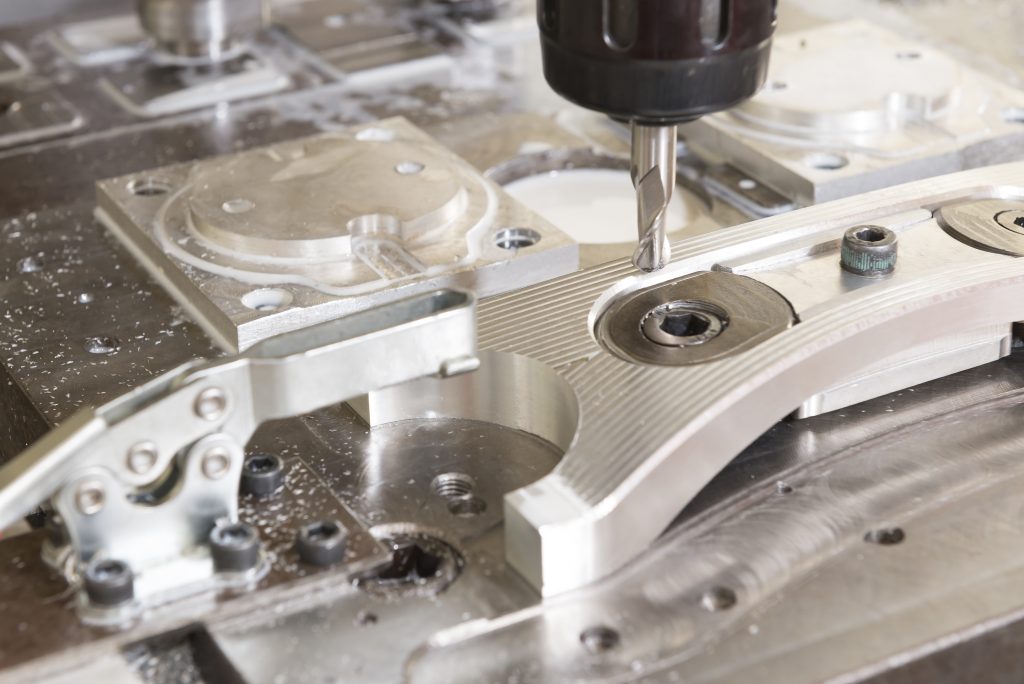
Quality control is critical in producing reliable CNC milling parts that meet exact specs. Common inspection methods include coordinate measuring machines (CMM), optical scanning, and surface roughness testing. These tools help ensure every dimension and finish is within tight tolerance ranges—often as precise as ±0.001″.
At MS Machining, we follow strict standards and quality protocols to maintain consistency across each CNC machine component. Our facility is ISO 9001 certified, which means every part’s traceability and inspection processes are thoroughly documented and controlled. This dedication to quality guarantees you receive precision CNC machined components that perform consistently in your application.
For a deeper dive into precision manufacturing standards and stainless steel processes, check out our detailed stainless steel investment casting guide.
Choosing a CNC Milling Parts Manufacturer
Picking the right manufacturer for your CNC milling parts is crucial. Focus on these key factors to get the best results:
- Experience: Look for a shop with a proven track record in precision CNC machined components. Years of experience help avoid common pitfalls and ensure quality.
- Equipment: Multi-axis CNC machining capabilities (3-axis, 4-axis, 5-axis) make a big difference for complex parts and tight tolerance milling.
- Lead Times: Fast turnaround is important, especially for prototype CNC parts or urgent production runs.
- Minimum Order Quantities: Choose a manufacturer that can handle both small batches and larger production runs without driving up your costs.
At MS Machining, we combine state-of-the-art facilities with advanced multi-axis machines to deliver precision CNC milling parts on time and on budget. Our rapid prototyping services streamline product development, letting you test custom CNC milling components fast. Plus, we offer competitive pricing and global shipping to serve clients across the United States and beyond.
By partnering with MS Machining, you’re choosing a precision machining manufacturer dedicated to quality, speed, and flexibility. Learn more about our precision CNC machining services and how we handle complex CNC machine components from start to finish.