
What Is Micro CNC Machining?
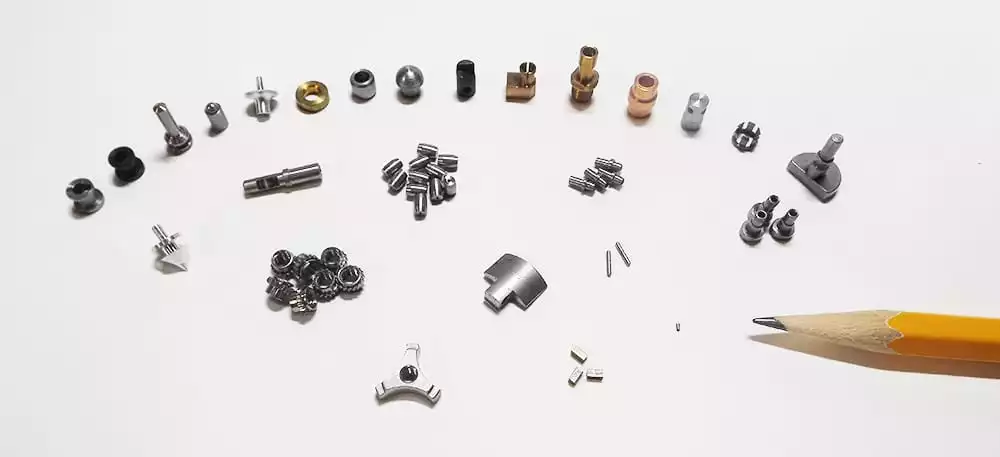
Micro CNC machining is a specialized manufacturing process that involves material removal at micrometer scales using highly precise CNC equipment. Unlike traditional CNC machining, micro precision machining works on extremely small features—typically less than 1 millimeter in size—with achievable tolerances ranging from ±1 to 5 microns. This level of accuracy allows for the production of miniature CNC components used in industries where detail and precision are critical.
Core processes in micro CNC machining include:
- Micro milling: Using ultra-small cutting tools to create intricate shapes and fine details.
- Micro turning: Producing tiny, complex cylindrical parts on Swiss-style lathes.
- Micro drilling: Creating extremely small holes with tight positional accuracy.
- Hybrid methods: Combining techniques like micro EDM integration or laser micro machining for enhanced capabilities.
The field has evolved significantly from traditional CNC machining as advancements in tool technology, machine rigidity, and control systems now enable ultra-precision machining at the micron level. This evolution supports the manufacture of complex geometries and high-precision microfluidic components, catering to sectors such as medical micro machining and aerospace miniature parts.
How Micro CNC Machining Works
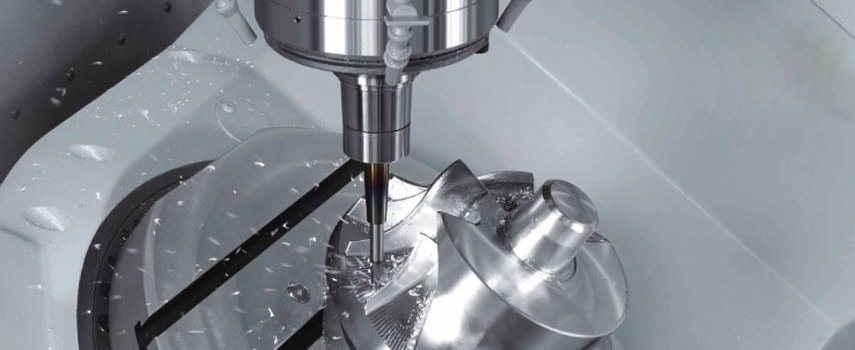
Micro CNC machining follows a precise, step-by-step process to create ultra-fine parts with micron-level accuracy. It starts with CAD design, where detailed 3D models are created, followed by CAM programming to develop the exact tool paths needed for micro milling, turning, or drilling. After programming, the machine is carefully set up, including tool installation and calibration to ensure everything is ready for the tiny cuts ahead.
During machining, high-speed spindles spin specialized micro tools—often smaller than a millimeter—to remove material with incredible precision. Advanced controls help maintain smooth, consistent motion, which is critical when working with feature sizes often below 1mm. To achieve this level of precision, controlling vibration is essential, as even minor shakes can ruin a micro part. Thermal stability is also crucial since heat can cause materials or machines to expand and throw off tight tolerances. That’s why coolant strategies are carefully planned to keep temperatures steady without disturbing the delicate machining process.
Once the cutting is done, thorough inspection using high-magnification microscopes and precision metrology tools ensures the part meets the strict specifications typical for micro precision machining. This entire workflow combines to deliver the accuracy and detail needed for miniature CNC components used in industries like medical device manufacturing. For specialized needs like this, consider trusted providers with experience in medical micro machining to ensure top-quality results.
Key Technologies and Equipment
Micro CNC machining relies on specialized equipment designed for ultra-precision machining at tiny scales. The essential machines include high-precision micro mills capable of handling ultra-small end mills, Swiss-style lathes for precision micro turning, and advanced 5-axis systems that allow complex miniature CNC components to be shaped with sub-micron accuracy.
Tooling is critical in micro precision machining. Ultra-small end mills with specialized coatings improve wear resistance and reduce the risk of breakage, which is a common challenge due to tool fragility. These coatings also help maintain sharp edges essential for micron tolerance machining.
Supporting technologies enhance the capabilities of micro CNC machining. Micro EDM integration allows machining of difficult-to-cut materials and complex geometries where traditional milling falls short. Laser assistance adds precision by refining surface finishes or enabling laser micro machining for detailed features. Accurate metrology tools play a vital role in quality assurance, helping verify tight tolerances and ensuring every part meets exact specifications.
Together, these technologies and equipment form the backbone of precision micro milling and small parts CNC machining, enabling manufacturers to produce flawless, miniature components for critical applications. For example, in medical micro machining, these advanced setups are essential for fabricating components used in surgical instruments and implants with uncompromising quality.
To explore related precision materials used in micro machining, check out our detailed guide on stainless steel investment casting, which often complements micro CNC processes in high-performance applications.
Materials Suitable for Micro CNC Machining
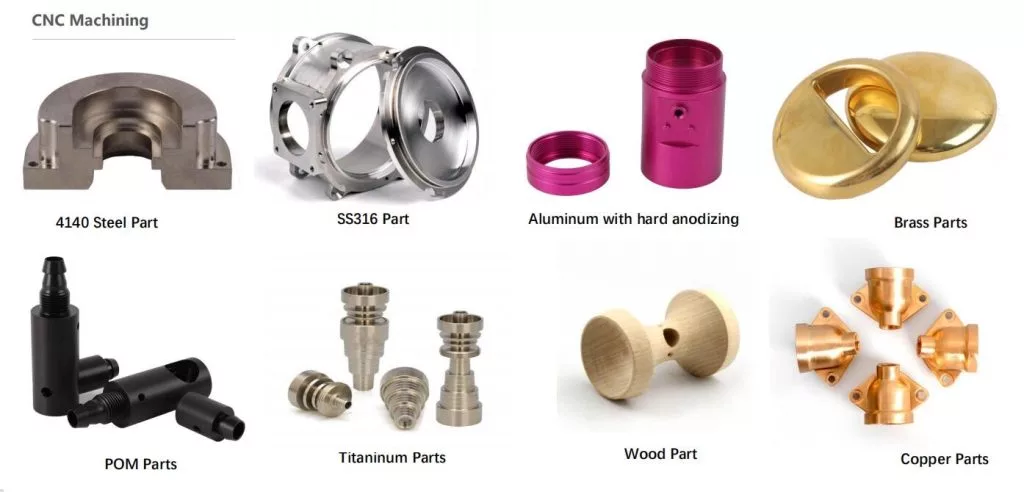
Micro CNC machining works with a wide range of materials, each chosen based on the project’s needs and the part’s intended function.
Metals like aluminum, titanium, stainless steel, and various tool steels are common. These metals offer excellent strength and durability while allowing for precision micro milling and micro turning with tight micron tolerance machining. Stainless steel, often found in medical micro machining, benefits from advanced finishing techniques such as stainless steel polishing to achieve smooth surfaces.
Plastics and polymers such as PEEK, PTFE, and Ultem are popular when lightweight, chemical resistance, or electrical insulation is required. These materials machine well at micro scales without compromising detail or dimensional stability.
Exotic materials like ceramics, composites, and biocompatible alloys are also in demand for specific applications, especially in aerospace and medical fields. These materials may require specialized cutting strategies or hybrid processes that combine micro EDM machining or laser micro machining to maintain precision.
When choosing materials for micro precision machining, several factors come into play:
- Machinability: How easily the material cuts at micro scales without tool wear or breakage.
- Thermal properties: Stability under cutting temperatures to avoid distortion.
- Application requirements: Biocompatibility, corrosion resistance, or specific mechanical properties.
Selecting the right material influences the success of high-precision micro machining projects, especially when working with miniature CNC components that demand consistent quality and performance.
For parts requiring complex metal shapes with tight tolerances, exploring our rapid CNC machining services can offer faster turnaround and consistent quality.
Advantages of Micro CNC Machining
Micro CNC machining offers unmatched precision and repeatability, making it ideal for producing miniature parts where every micron counts. Thanks to advanced micro precision machining techniques, you can achieve complex geometries that traditional machining just can’t handle. Whether you need intricate channels, tiny holes, or delicate features, micro milling services and precision micro turning deliver consistent, high-quality results.
Another major advantage is cost-effectiveness, especially for prototypes and low-to-medium volume runs. Unlike other manufacturing methods that require expensive tooling or molds, micro CNC machining lets you quickly adapt designs without large upfront costs. Plus, it often produces superior surface finishes right off the machine, reducing or eliminating the need for secondary operations like polishing or grinding. This not only speeds up turnaround time but also lowers the total production cost.
For businesses in medical micro machining, aerospace miniature parts, or electronics, these benefits translate into better product performance and faster time to market without breaking the budget. Overall, micro CNC machining is a smart choice when precision, complexity, and cost control are critical.
Challenges and Limitations of Micro CNC Machining
Micro CNC machining offers incredible precision, but it comes with its own set of challenges. One major hurdle is tool fragility—micro tools are extremely small and tend to wear out or break faster than standard cutting tools. This leads to higher tooling costs and more frequent replacements.
Another limitation is the increased setup time and programming complexity. Achieving micron tolerance machining requires meticulous programming and precise machine calibration, which can extend lead times compared to conventional CNC processes.
Environmental factors also play a huge role. Micro precision machining is highly sensitive to vibrations and temperature fluctuations, which can impact part quality and repeatability. Controlling these variables demands advanced machine setups and stable factory conditions.
Finally, cost implications are a consideration. Because specialized equipment, tooling, and high-level expertise are needed, micro CNC machining is generally more expensive than standard machining. However, these costs often balance out when tight tolerances and complex miniature parts are essential.
Despite these challenges, ongoing innovations are steadily improving process reliability and cost-effectiveness, enabling greater adoption across industries.
Industries and Applications of Micro CNC Machining
Micro CNC machining plays a crucial role across many industries where precision and miniaturization matter. In medical devices, it’s used to produce implants, surgical instruments, and precision microfluidic components that require tight micron tolerance machining to perform reliably inside the human body. You’ll often find medical micro machining applied to create parts with complex geometries and biocompatible materials, essential for advanced healthcare solutions. For more on this, you can check how CNC medical and pharmaceutical equipment benefits from ultra-precision machining.
In aerospace, micro precision machining is vital for manufacturing turbine blades, fuel nozzles, and lightweight structural parts. These components need to be strong but compact, often produced on high-precision micro mills or Swiss-style lathes to meet extremely tight standards and withstand harsh operating conditions.
Electronics and optics industries rely heavily on micro CNC machining to deliver tiny, intricate parts like connectors, lens mounts, and fiber optic components. These miniature CNC components require ultra-fine detail and excellent surface finishes, enabling high-speed data transmission and optical clarity.
In automotive and watchmaking, micro machining helps create sensors, gears, and other precision mechanisms where durability and accuracy at the micro-level are critical. Whether it’s a high-performance automotive sensor or a tiny watch gear, this technology allows the production of small parts CNC machining systems struggle to replicate reliably.
Across these sectors, real-world applications prove the value of micro machining by meeting exacting standards and supporting innovation. Whether it’s through micro milling services or micro EDM integration, manufacturers can push the limits of what’s possible in miniature component fabrication.
Choosing a Micro CNC Machining Partner
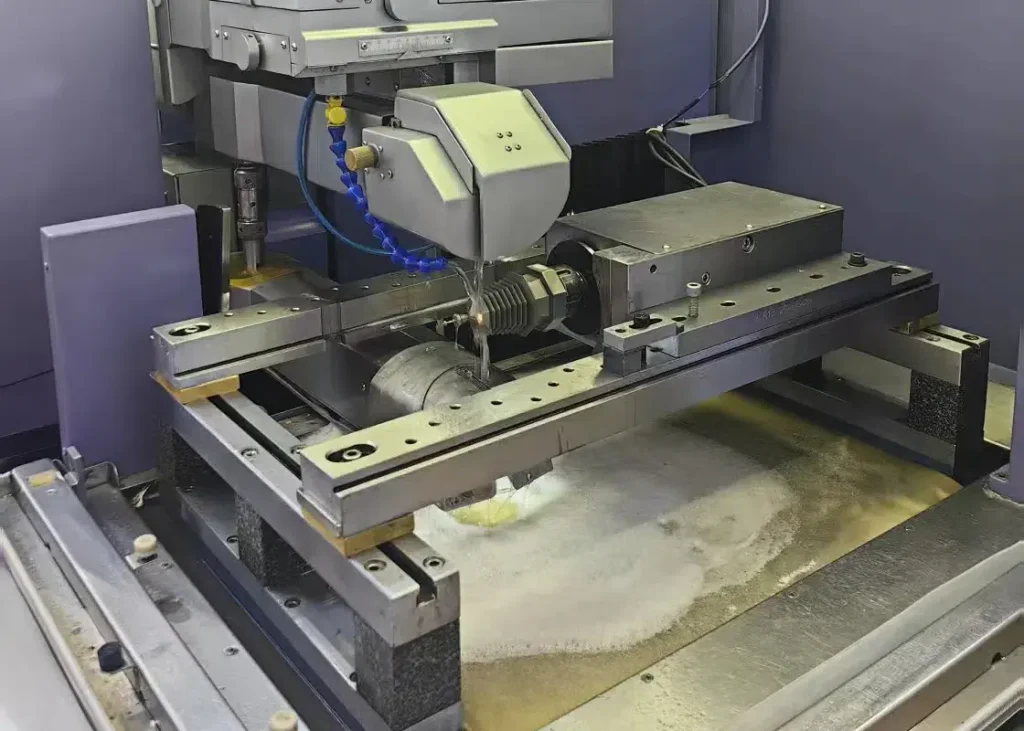
Picking the right micro CNC machining partner is crucial for success, especially when dealing with ultra-precision machining at micron tolerance levels. Here are key factors to consider:
- Equipment Capabilities: Look for advanced machines like high-precision micro mills, Swiss-style lathes, and 5-axis systems that can handle feature sizes under 1mm reliably.
- Quality Certifications: Ensure your provider holds certifications such as ISO 9001, AS9100, or ISO 13485, which demonstrate commitment to quality and consistency in precision micro machining.
- Experience with Tight Tolerances: Ask about their track record in manufacturing parts with ±1–5 micron tolerance—you want a partner who consistently meets these tight specs.
When evaluating providers, important questions include:
- What are your standard tolerance ranges for miniature CNC components?
- Can you share examples or case studies of medical micro machining or aerospace miniature parts?
- How do you manage tool wear and breakage in micro tool machining?
Why MS Machining Stands Out
At MS Machining, we combine advanced facilities with deep expertise in micro precision machining. Our proven track record in producing precision micro components for medical implants, aerospace turbine blades, and other high-performance applications makes us a trusted choice. We emphasize precision, repeatability, and quality, backed by industry certifications.
If your project involves complex miniature parts or requires metals like titanium, we offer specialized CNC titanium machining services tailored to your needs. Partnering with us means leveraging cutting-edge technology and experienced engineers dedicated to delivering flawless micro CNC machining results every time.
Future Trends in Micro CNC Machining
Micro CNC machining is evolving fast, especially with the rise of automation and Industry 4.0 technologies. Smart factories now use connected machines that communicate in real time, improving precision and cutting down production time for micro precision machining. This integration allows for better process control and predictive maintenance, ensuring consistent quality in miniature CNC components.
We’re also seeing advances in hybrid processes that combine micro milling with techniques like micro EDM machining and laser micro machining. These hybrid approaches expand the range of materials and geometries that can be tackled with micron tolerance machining, pushing the limits of what’s possible at sub-millimeter scales. Smarter tooling, including coatings and wear-resistant micro tools, enhances durability and accuracy while reducing downtime.
Micro CNC machining is increasingly critical for emerging industries like wearables and robotics, where ultra-precision machining and custom miniature parts are in high demand. As these markets grow, so does the need for faster, more flexible micro milling services that can deliver both low-volume prototypes and precision production parts.
Staying ahead in these trends means investing in advanced micro fabrication capabilities and leveraging Industry 4.0 insights to deliver highly reliable micro machining solutions tailored to sophisticated applications. For companies exploring precision micro machining for specialized uses, understanding these future directions is key to partnering with the right experts.
For more on choosing the right machining approach, check out our details on custom CNC machining services.