
Custom Aerospace Metal Fabrication Services
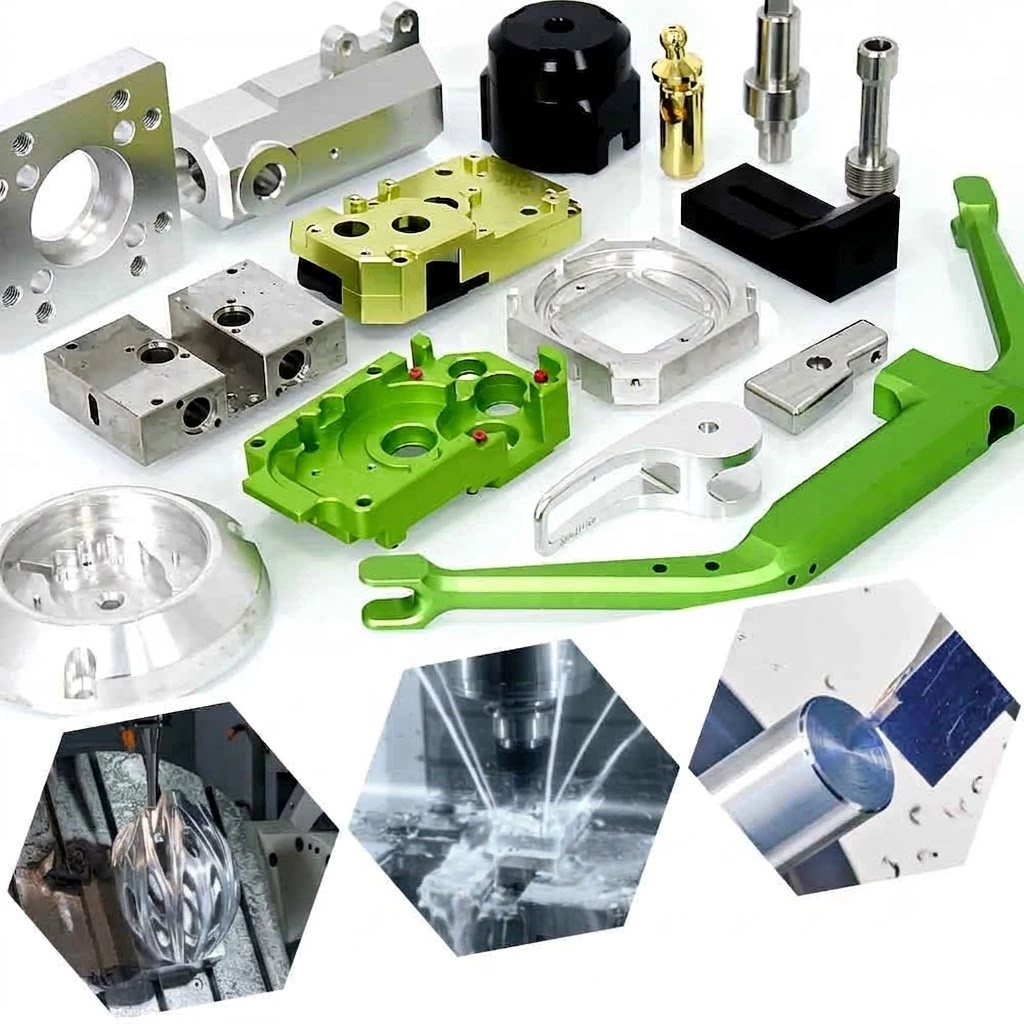
We provide custom aerospace metal fabrication services for complex components, combining CNC machining, sheet metal fabrication, and surface finishing processes to support prototype and low-volume production requirements.
Our Service
Aerospace Metal Fabrication Processes and Applications
Our aerospace metal fabrication services support different component requirements through a combination of CNC machining and fabrication processes. Based on part geometry, material characteristics, tolerance requirements, and assembly conditions, we select suitable manufacturing methods for each project.
We work with processes including CNC machining, sheet metal fabrication, forming, welding, and finishing to produce custom aerospace parts for prototype and low-volume production applications.
Aerospace fabrication projects often involve lightweight materials, complex geometries, and specific dimensional requirements. During manufacturing, we consider factors such as material selection, wall thickness, feature accessibility, surface requirements, and final application conditions to support proper part fit and functionality.
- CNC Machined Components
- Aerospace Sheet Metal Parts
- Lightweight Metal Structures
- Complex Part Geometries
- Prototype to Low-Volume Production
- Custom Fabrication and Finishing
MS Machining
Manufacturing Considerations for Aerospace Fabrication Projects
Before production begins, we review aerospace fabrication projects to understand design requirements, manufacturing feasibility, and inspection needs. Factors including material characteristics, part geometry, assembly interfaces, and dimensional requirements are considered when selecting suitable fabrication and machining approaches.
- Weight and Structural Requirements---Material selection, wall thickness, and component geometry are reviewed to understand manufacturing requirements and production feasibility. These factors may influence fabrication methods, machining strategies, and overall part manufacturability.
- Assembly Requirements---Assembly interfaces such as mounting surfaces, locating features, and connection points are reviewed to understand how components integrate with the final assembly. Reviewing these details helps identify potential challenges related to fit, alignment, and secondary operations.
- Dimensional Requirements---Critical dimensions, tolerance specifications, and inspection requirements are considered during process planning. These requirements may affect machining operations, fixture design, measurement methods, and final part verification.
- Sheet Metal Design Considerations---For aerospace sheet metal fabrication projects, factors such as material thickness, bend radius, bend sequence, forming direction, hole locations, and joining features are reviewed to determine suitable fabrication methods and production steps.
MS Machining
Aerospace Project Review and Manufacturing Planning
Aerospace RFQs require a detailed review of design data, technical specifications, and production requirements before manufacturing begins. Drawings, CAD models, material requirements, tolerances, surface finishes, and inspection criteria are evaluated to establish a suitable manufacturing approach for each project. All customer-provided technical documents and design information are treated as confidential and used only for project evaluation and production preparation.
Drawing and Model Review
Engineering documentation, including 2D drawings, 3D CAD models, and technical specifications, is reviewed to evaluate part geometry, critical features, manufacturing notes, and potential fabrication requirements. This information provides the foundation for selecting appropriate machining and fabrication processes.
Requirement Review
Key project requirements, including material grades, dimensional tolerances, surface finish specifications, production quantities, and quality documentation needs, are assessed during the planning stage. These details help define process requirements and identify the necessary manufacturing operations.
Manufacturing Planning
Based on the design requirements and production scope, suitable manufacturing methods, machining operations, fabrication processes, and inspection procedures are determined. For certain sheet metal components, processes such as forming or aerospace metal stamping may be considered depending on part geometry, production volume, and tooling requirements.
MS Machining
Aerospace Manufacturing Workflow from Drawing Review to Delivery
Each aerospace project follows a manufacturing workflow based on part design, material requirements, production volume, and required processing steps. The sequence of operations may vary depending on component complexity, fabrication requirements, and final application needs.
- Drawing Review---Engineering drawings, 3D CAD models, and technical specifications are reviewed to understand part geometry, critical features, and manufacturing requirements before production planning.
- Material Selection and Verification---Materials are selected and verified according to project specifications, including material grade, availability, and required characteristics for the intended application.
- Fabrication and Sheet Metal Processing---Fabrication methods are selected based on component structure and design requirements. Processes such as cutting, forming, bending, welding, and aerospace sheet metal fabrication may be applied depending on the part design.
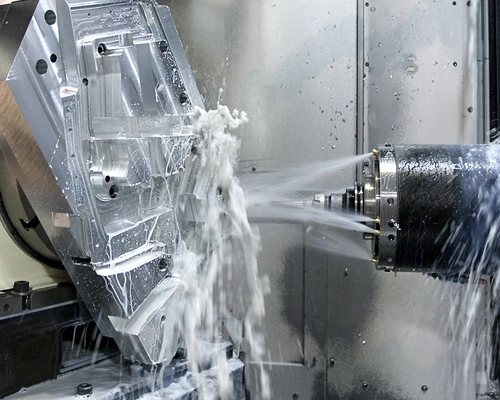
- CNC Machining Operations---CNC machining is integrated when components require precision features, complex geometries, secondary machining operations, or controlled dimensional requirements.
- Surface Finishing and Secondary Operations---Finishing processes and secondary operations are selected based on surface requirements, functional needs, corrosion considerations, and assembly conditions.
- Inspection and Final Verification---Completed parts are inspected according to project requirements before shipment. Inspection methods and documentation are prepared based on customer specifications and component requirements.
MS Machining
Aerospace Materials and Surface Finishing Considerations
Material selection and surface finishing requirements are considered during aerospace fabrication projects based on part design, application conditions, and manufacturing requirements. These factors may influence material processing methods, fabrication steps, and finishing operations throughout the production process.
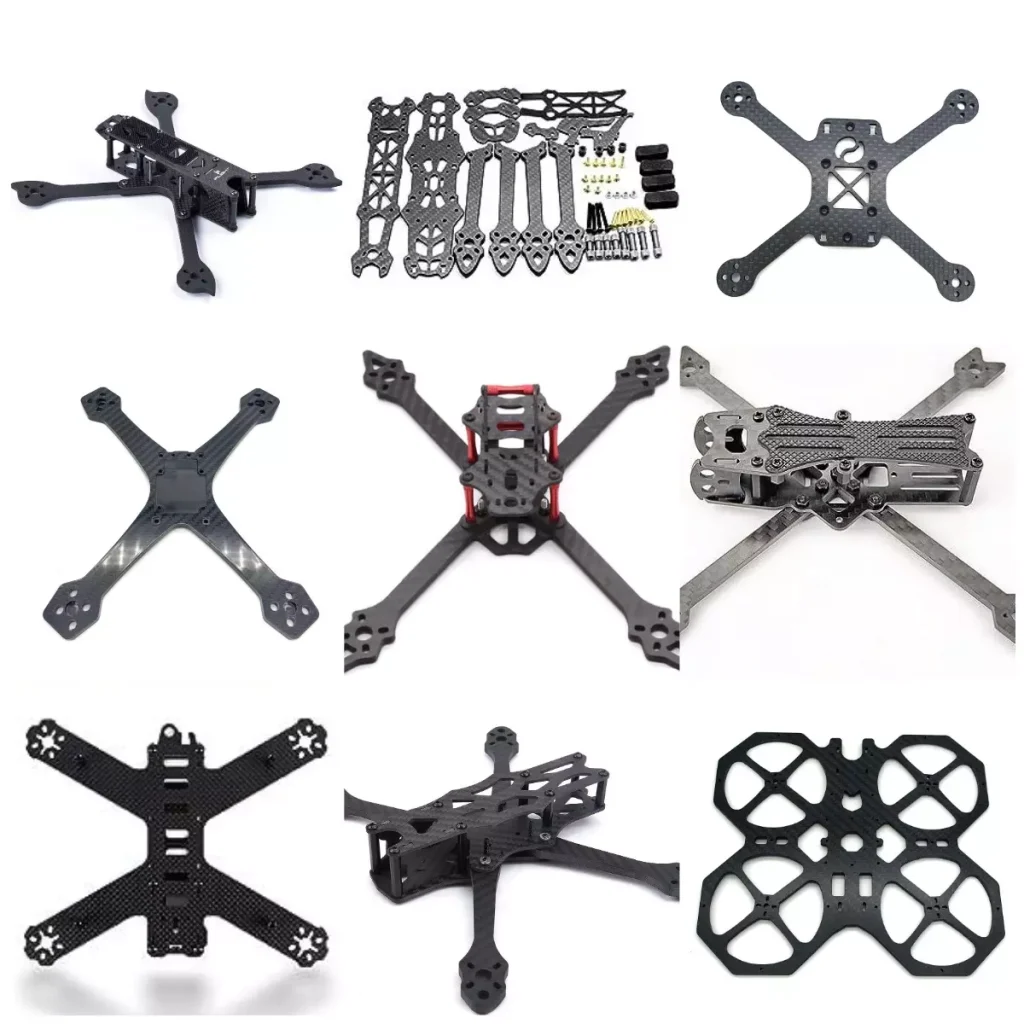
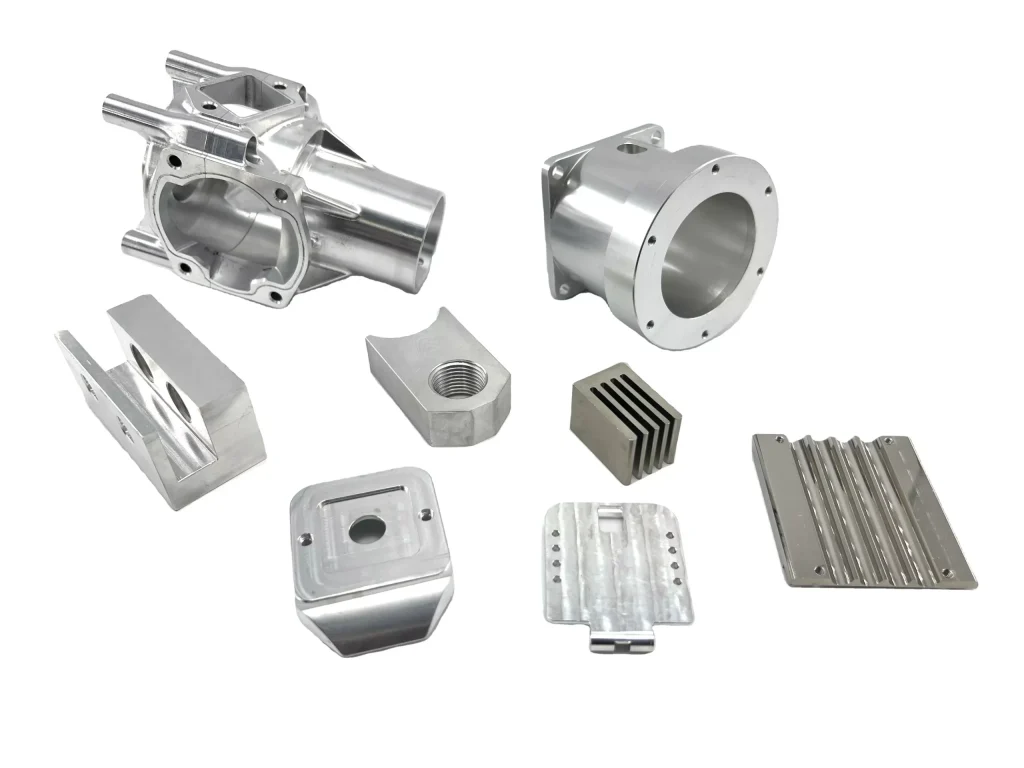
Common material options for aerospace fabrication include aluminum alloys, titanium alloys, stainless steel, and nickel-based alloys. Material selection is evaluated according to component requirements, including part structure, mechanical properties, weight considerations, environmental conditions, and fabrication requirements.
Surface finishing requirements are reviewed based on part specifications and application needs. Common finishing options include anodizing, chemical film, passivation, and bead blasting, depending on requirements related to corrosion resistance, surface appearance, and assembly conditions.
For aerospace sheet metal components, factors such as material thickness, forming requirements, and surface treatment specifications are considered during fabrication planning to determine suitable processing methods.
MS Machining
Prototype and Low-Volume Aerospace Manufacturing
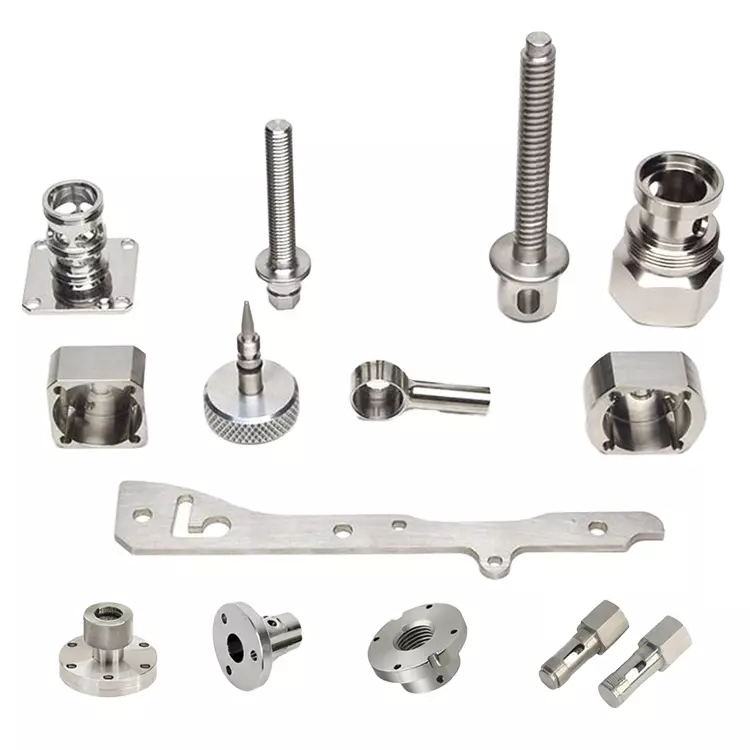
Aerospace components are often produced in limited quantities due to specialized designs, program requirements, and product development cycles. We support prototype and low-volume manufacturing requirements for aerospace parts where flexibility, process planning, and production consistency are important considerations.
Prototype Components
Prototype parts are manufactured for design validation and functional evaluation before larger production decisions are made. Manufacturing approaches may be adjusted based on design updates, material requirements, and testing feedback.
Engineering Samples
Engineering samples provide physical parts for assembly checks, fit evaluation, and design review. These components help verify manufacturing details before committing to repeat production.
Low-Volume Production
Low-volume manufacturing is suitable for specialized aerospace components with limited production quantities or recurring part requirements. Production methods are selected according to part complexity, quantity requirements, and manufacturing specifications.
MS Machining
Fabrication and CNC Machining for Aerospace Components
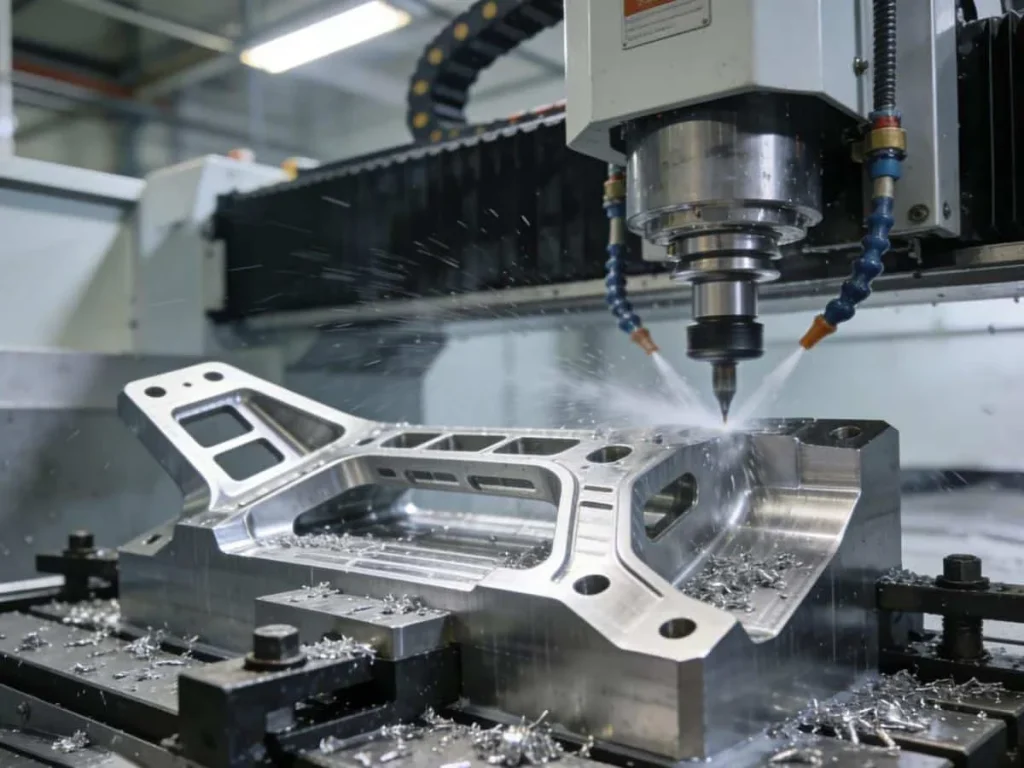
Aerospace components often require a combination of fabrication and CNC machining to achieve the required shape, assembly features, and dimensional requirements. The suitable manufacturing approach depends on factors such as part design, material specifications, tolerance requirements, and production quantity.
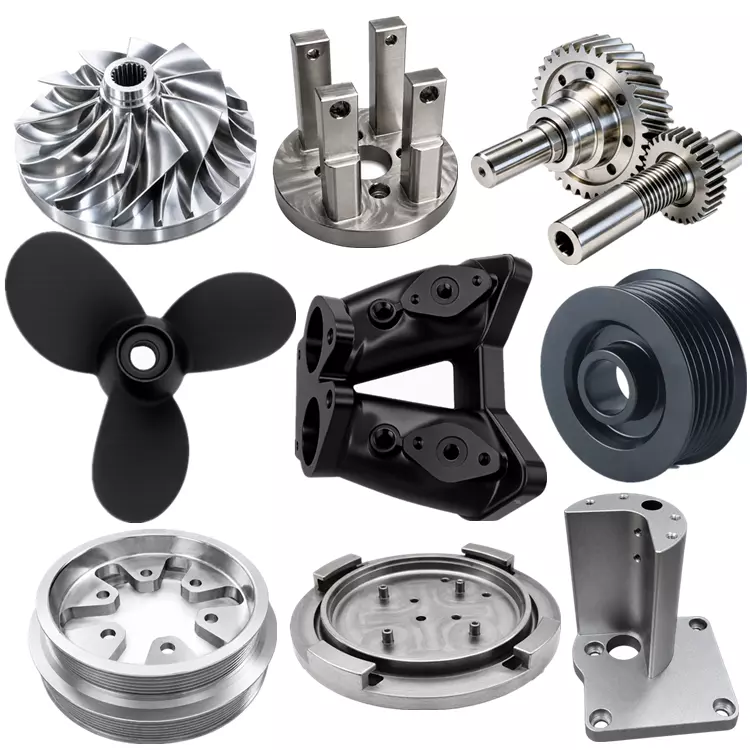
For aerospace sheet metal fabrication projects, fabrication processes can be used to create structural forms, formed sections, and welded assemblies. When additional precision features are required, CNC machining can be applied for details such as mounting surfaces, holes, threads, and assembly interfaces.
MS Machining supports aerospace projects by coordinating fabrication, machining, finishing, and inspection requirements based on customer drawings and specifications. This approach helps simplify the transition from initial design requirements to finished components.
FAQ
Do you manufacture aerospace components from customer drawings?
Yes. Aerospace fabrication projects are typically based on customer-provided drawings, CAD models, and technical specifications. We review the design requirements, material information, tolerances, and production needs before determining a suitable manufacturing approach.
What types of aerospace components can you manufacture?
We manufacture custom aerospace metal components, including sheet metal parts, fabricated structures, brackets, housings, mounting components, and other custom parts based on customer requirements.
Do you support aerospace sheet metal fabrication projects?
Yes. Aerospace sheet metal fabrication projects may involve processes such as cutting, forming, fabrication, finishing, and additional machining operations when required. The manufacturing approach depends on part geometry, material requirements, and production quantity.
Can aerospace fabricated parts require CNC machining?
Yes. Some aerospace components require both fabrication and CNC machining to achieve final dimensions, mounting features, holes, threads, or assembly interfaces. The required processes depend on the component design and functional requirements.
What materials are commonly used for aerospace fabrication?
Common materials used for aerospace components include aluminum alloys, titanium alloys, stainless steel, and nickel-based alloys. Material selection depends on factors such as strength requirements, weight considerations, operating conditions, and project specifications.
Do you support prototype and low-volume aerospace production?
Yes. We support prototype components, engineering samples, and low-volume production projects based on customer drawings and manufacturing requirements.
What information is needed to request a quote?
To evaluate an aerospace fabrication project, it is helpful to provide:
- 2D drawings or 3D CAD files
- Material specifications
- Required tolerances
- Surface finish requirements
- Production quantity
This information helps determine the suitable manufacturing approach and provide accurate feedback.
Do you provide aerospace metal stamping services?
Aerospace metal stamping may be considered for certain components depending on part geometry, tooling requirements, and production volume. The appropriate manufacturing method is selected based on the specific project requirements.