
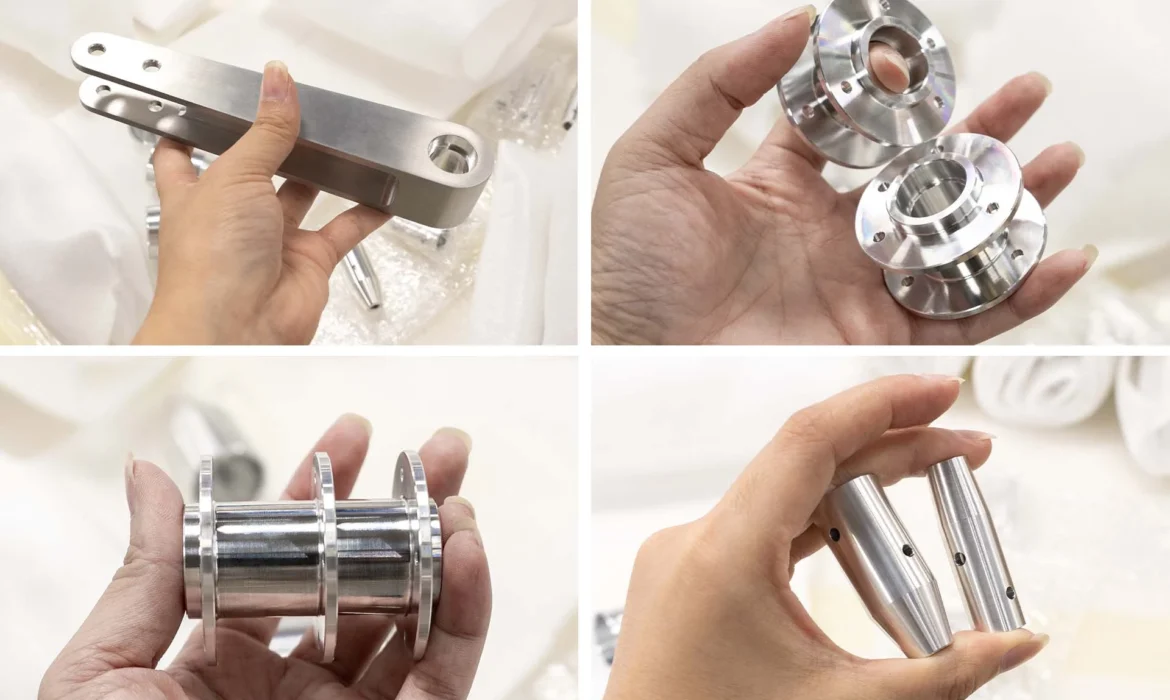
Why Machining is Essential for Aerospace Industry
Machining plays a critical role in the aerospace industry by enabling the production of highly precise and reliable components needed for aircraft performance and safety. Aerospace CNC machining services ensure that parts meet strict design specifications and tolerances required in this demanding field. From aircraft engine parts machining to lightweight aerospace components, machining delivers the accuracy and repeatability necessary to handle complex geometries and advanced materials.
Precision aerospace machining is vital because aerospace parts often operate under extreme conditions where failure is not an option. Using CNC machining aerospace parts allows manufacturers to achieve tight tolerances and consistent quality. This process supports the creation of aerospace materials machining, including challenging alloys like titanium and Inconel, which provide strength without excess weight.
In short, machining is essential in aerospace to produce durable, high-precision aircraft components that uphold safety, performance, and regulatory compliance throughout an aircraft’s lifecycle.
Core Machining Processes Used in Aerospace
When it comes to machining for aerospace, precision and reliability are non-negotiable. The core machining processes used in aerospace focus on delivering complex, high-precision aircraft components that meet strict tolerances. Key methods include CNC machining aerospace parts using advanced 5-axis CNC machining aerospace technologies, which allow for intricate shapes and complex geometry machining that simpler machines can’t handle.
Titanium machining aerospace and Inconel machining challenges are common due to these materials’ hardness and heat resistance. Specialized cutting tools and techniques help maintain tight aerospace part tolerances while avoiding material deformation or tool wear.
Other essential processes include drilling, milling, turning, and grinding, all performed under strict quality standards. Aerospace CNC machining services also regularly use aerospace prototyping CNC to develop and test new components before full-scale production.
These core processes ensure aerospace materials machining is done efficiently without compromising strength or function, especially for lightweight aerospace components used in critical parts like aircraft engine parts machining. For specialized work, such as support fixtures or precision tooling, check out our detailed guide on precision CNC fixtures to see how accurate setups improve overall machining quality.
Key Materials in Aerospace Machining
Materials play a crucial role in aerospace machining, as they need to meet strict performance and safety standards. Commonly used materials include titanium, aluminum, and Inconel, each offering unique benefits for different aerospace parts.
- Titanium Machining Aerospace parts are prized for their high strength-to-weight ratio and corrosion resistance. However, titanium is tough to cut, requiring specialized Aerospace CNC machining services with precise tool control.
- Aluminum is favored for lightweight aerospace components, providing a good balance of strength and machinability, ideal for structural parts and housings.
- Inconel Machining Challenges are notable since this superalloy withstands extreme temperatures but is hard on cutting tools. It’s often used in aircraft engine parts machining, demanding advanced machining techniques like 5-axis CNC machining aerospace to tackle complex geometry machining efficiently.
Other materials like stainless steel and composites also come into play for aerospace materials machining, all requiring precision aerospace machining processes to keep within tight aerospace part tolerances.
For projects involving complex parts like fluid systems, partnering with providers experienced in specialized components, such as fluid and vacuum components machining, ensures material and machining expertise align perfectly with aerospace standards.
Precision Requirements and Tolerances

In aerospace machining, precision isn’t just important—it’s critical. The industry demands high-precision aircraft components that meet extremely tight tolerances to ensure safety, performance, and reliability. Even tiny deviations can cause serious issues in aircraft systems.
Typical Aerospace Part Tolerances
| Component Type | Typical Tolerance Range | Notes |
|---|---|---|
| Engine parts | ±0.001 to ±0.005 inches | Requires ultra-precise machining |
| Airframe structural parts | ±0.005 to ±0.010 inches | Balances strength and weight |
| Electrical connectors | ±0.0005 to ±0.002 inches | Needs precise fitting and finish |
| Fasteners and hardware | ±0.002 to ±0.010 inches | Must meet strict standard sizes |
Why Tight Tolerances Matter
- Ensure proper assembly and function of complex systems.
- Maintain aerodynamic efficiency with lightweight aerospace components.
- Avoid costly rework or part failures in service.
- Meet aerospace quality standards like AS9100.
Machining processes such as 5-axis CNC machining aerospace and precision aerospace machining enable these tight standards. These technologies offer the control needed to handle complex geometry machining at the exact specifications required.
For those interested in how advanced technology shapes part precision, exploring CNC milling provides valuable insight into the methods behind accurate aerospace CNC machining services.
Major Challenges in Aerospace Machining
Machining for aerospace comes with several tough challenges that set it apart from other industries. One of the biggest hurdles is working with tough materials like titanium and Inconel, which are essential for their strength and heat resistance but can cause rapid tool wear and require specialized techniques. Achieving ultra-tight aerospace part tolerances while maintaining efficiency also demands advanced 5-axis CNC machining aerospace equipment and meticulous process control.
Complex geometry machining is another challenge—aircraft components often feature intricate shapes that need precise multi-axis machining strategies to produce without defects. Light-weight aerospace components must balance weight savings with structural integrity, pushing machinists to optimize designs and tooling continuously.
Additionally, aerospace CNC machining services must consistently meet strict aerospace quality standards, including AS9100 certified machining protocols, to ensure safety and reliability in every part. All this means machining aerospace parts is not just about cutting metal—it’s about precision, expertise, and adapting to challenging materials and designs to deliver flawless results.
Overcoming Challenges: Best Practices and Technologies
Aerospace machining faces tough challenges like working with hard materials such as titanium and Inconel, maintaining tight aerospace part tolerances, and handling complex geometry machining. To overcome these, precision aerospace machining relies on advanced best practices and cutting-edge technologies.
Key strategies include:
- Using 5-axis CNC machining aerospace systems: These machines allow for multi-directional cutting, handling intricate components with tight tolerances and reducing setup times.
- Employing specialized tooling and coolant: Tools designed for titanium machining aerospace and other tough materials extend tool life and improve surface finish.
- Implementing real-time monitoring and automation: Smart sensors and CNC software help detect tool wear and machining errors early, boosting quality and reducing waste.
- Adopting simulation and digital twin technologies: These methods let machinists predict and solve problems before actual cutting, especially for complex aerospace prototyping CNC projects.
By combining these advanced technologies with skilled craftsmanship, aerospace CNC machining services can produce high-precision aircraft components that meet strict aerospace quality standards efficiently.
For example, integrating CNC grinding and milling technologies enhances the finishing of investment cast parts, a crucial step in ensuring reliability and durability. Learn more about how precise post-processing can optimize aerospace parts at our detailed page on CNC machining investment cast parts postprocessing.
These best practices not only improve the machining of lightweight aerospace components but also help tackle long-standing issues like Inconel machining challenges, making aerospace manufacturing more reliable for U.S. aerospace companies.
Quality Assurance and Certifications
In aerospace machining, quality assurance isn’t optional—it’s a must. Every aerospace CNC machining service has to meet strict aerospace quality standards to ensure parts perform safely and reliably under extreme conditions. Precision aerospace machining demands rigorous inspections at multiple stages, from initial prototyping to final production, to maintain tight aerospace part tolerances.
Key certifications like AS9100 certified machining show that a provider follows comprehensive quality management systems tailored for aerospace. This certification guarantees consistent processes, traceability, and documentation, which are crucial for critical aircraft engine parts machining or lightweight aerospace components.
To support this, advanced measurement technologies and testing equipment validate complex geometry machining accuracy. Continuous audits and process improvements ensure that every titanium machining aerospace or Inconel machining challenge is met with confidence. Partnering with an AS9100-certified machine shop helps U.S.-based aerospace companies meet FAA regulations and industry demands without fuss.
These quality assurance practices build trust in high-precision aircraft components, so manufacturers can rely on the quality of their aerospace materials machining every time. For more on maintaining speed and precision in aerospace CNC machining, check out our resources on rapid CNC machining techniques.
Applications: Common Aerospace Components Machined
Machining for aerospace covers a wide range of critical components essential for aircraft performance and safety. Common aerospace CNC machining parts include aircraft engine components, landing gear parts, structural airframe elements, and flight control system components. These parts often involve complex geometry machining to meet strict design and performance requirements.
High-precision aerospace machining is crucial when working on lightweight aerospace components made from tough materials like titanium and Inconel, which are widely used due to their strength-to-weight ratios. Precision and tight aerospace part tolerances ensure that these components operate reliably under extreme conditions.
Some frequently machined items include:
- Turbine blades and engine casings
- Hydraulic system parts
- Fuel system components
- Brackets and mounts for avionics
- Fasteners and fittings
Producing these parts often requires advanced methods such as 5-axis CNC machining aerospace to handle intricate shapes and maintain consistent quality across batches. For prototyping or small runs, aerospace prototyping CNC techniques enable quick iteration without sacrificing precision.
Working with a specialized partner that understands these applications can make a significant difference in delivery and quality. For example, exploring our detailed guide on CNC machining complex parts sheds light on how challenging aerospace parts are manufactured to exact specs.
By focusing on these specific aerospace components, you ensure parts that are both reliable and compliant with strict aerospace quality standards.
Benefits of Partnering with a Specialized Provider like MS Machining

Choosing a specialized provider like MS Machining for your aerospace CNC machining needs offers clear advantages. With expertise in precision aerospace machining and experience handling complex materials like titanium and Inconel, MS Machining ensures top-quality results tailored for the demands of the aerospace industry.
Key Benefits
| Benefit | Description |
|---|---|
| AS9100 Certified Machining | Guarantees compliance with strict aerospace quality standards. |
| Advanced CNC Capabilities | Includes 5-axis CNC machining aerospace parts for complex geometry machining. |
| Material Expertise | Skilled in aerospace materials machining, including titanium and lightweight composites. |
| Tight Tolerances | Delivers high-precision aircraft components with consistent aerospace part tolerances. |
| Custom Solutions | Offers aerospace prototyping CNC and custom machining for unique design needs. |
| On-time Delivery | Streamlined processes ensure efficient turnaround without sacrificing quality. |
| Strong Quality Assurance | Rigorous inspections and testing at every stage to maintain integrity and safety. |
By partnering with MS Machining, you tap into a resource that understands the challenges of aerospace manufacturing and provides dependable aerospace CNC machining services. Their dedicated approach reduces risk, saves time, and provides confidence in every batch of components — from aircraft engine parts machining to lightweight aerospace components.
Explore more about their expertise and capabilities by checking out their aerospace machining components manufacturer services and custom machining solutions, ensuring your projects meet exacting industry standards.
Future Trends in Aerospace Machining
The future of machining for aerospace is shifting towards even greater precision and efficiency thanks to advancements in technology. 5-axis CNC machining aerospace is becoming standard, allowing complex geometry machining with faster turnaround and tighter aerospace part tolerances. We’re also seeing more automation and smart manufacturing systems that improve consistency and reduce human error.
Materials like titanium and Inconel continue to challenge machinists, but innovations in tooling and coolant methods are making titanium machining aerospace and Inconel machining challenges easier to handle. Expect to see more use of lightweight aerospace components and hybrid manufacturing techniques combining additive manufacturing with traditional machining.
Quality assurance will stay front and center, with aerospace CNC machining services increasingly aligning with evolving aerospace quality standards such as AS9100 certification. Additionally, aerospace prototyping CNC is getting streamlined for faster design iterations to keep pace with rapid aerospace development cycles.
For those looking to optimize production, understanding how to select the right CNC supplier beyond price is crucial. Resources on CNC supplier selection beyond price provide valuable insights to stay ahead. Also, leveraging advanced 3-axis and 5-axis CNC design and low volume production can help balance cost and precision (3-axis CNC design low volume production).
Overall, aerospace machining is set to become more adaptive, precise, and efficient — meeting the tough requirements of tomorrow’s aircraft and spacecraft with confidence.