Introduction: Understanding Investment and Sand Casting
At MS-Machining, we recognize that selecting the optimal metal forming process is the foundation of a successful manufacturing project. Whether you require intricate components for aerospace or heavy-duty parts for industrial machinery, the choice between investment casting and sand casting significantly impacts your production costs, lead times, and final product quality. With over 20 years of expertise in metal casting and precision cnc parts manufacturing, we provide a one-stop solution to help you navigate these distinct methodologies.
What is Investment Casting? Definition and Process Overview
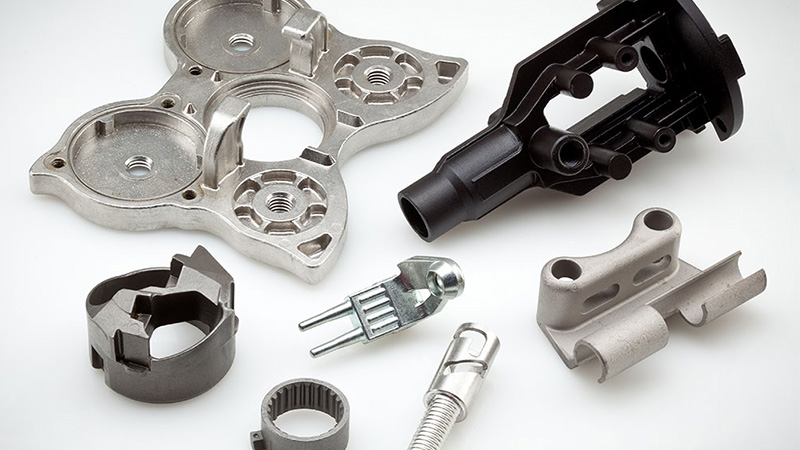
Investment casting, often referred to as lost wax casting, is a high-precision manufacturing process designed for creating complex geometries with tight tolerances. This method is ideal for producing parts that require a superior surface finish and intricate detail, reducing the need for extensive secondary machining.
The Process:
- Pattern Creation: A wax pattern is injected into a metal die.
- Shell Building: The wax is dipped in a ceramic slurry to form a hard shell.
- Dewaxing: The wax is melted out, leaving a hollow ceramic mold.
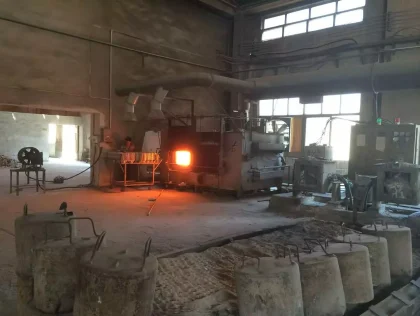
- Casting: Molten metal—such as stainless steel, carbon steel, or alloy steel—is poured into the shell.
- Finishing: The shell is broken away to reveal the metal part.
This method is the preferred choice for applications demanding high dimensional accuracy and thin-walled sections.
What is Sand Casting? Definition and Process Overview
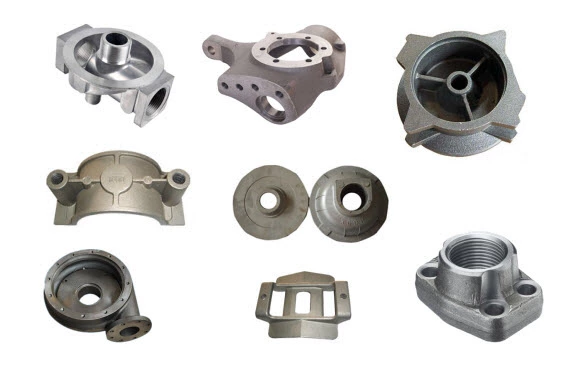
Sand casting is one of the oldest and most versatile metal forming techniques, renowned for its ability to produce large, heavy components. It is particularly cost-effective for low-volume runs and massive parts where high tooling costs are prohibitive.
The Process:
- Pattern Making: A pattern (replica of the part) is placed in a box.
- Mold Creation: Sand mixed with a bonding agent is packed around the pattern to create a mold cavity.
- Pouring: Molten metal, typically ductile iron, gray iron, or aluminum, is poured into the sand mold.
- Shakeout: Once solidified, the sand is broken away from the casting.
While the surface finish is naturally rougher compared to investment casting, MS-Machining utilizes advanced cnc precision parts processing to refine critical surfaces to exact specifications.
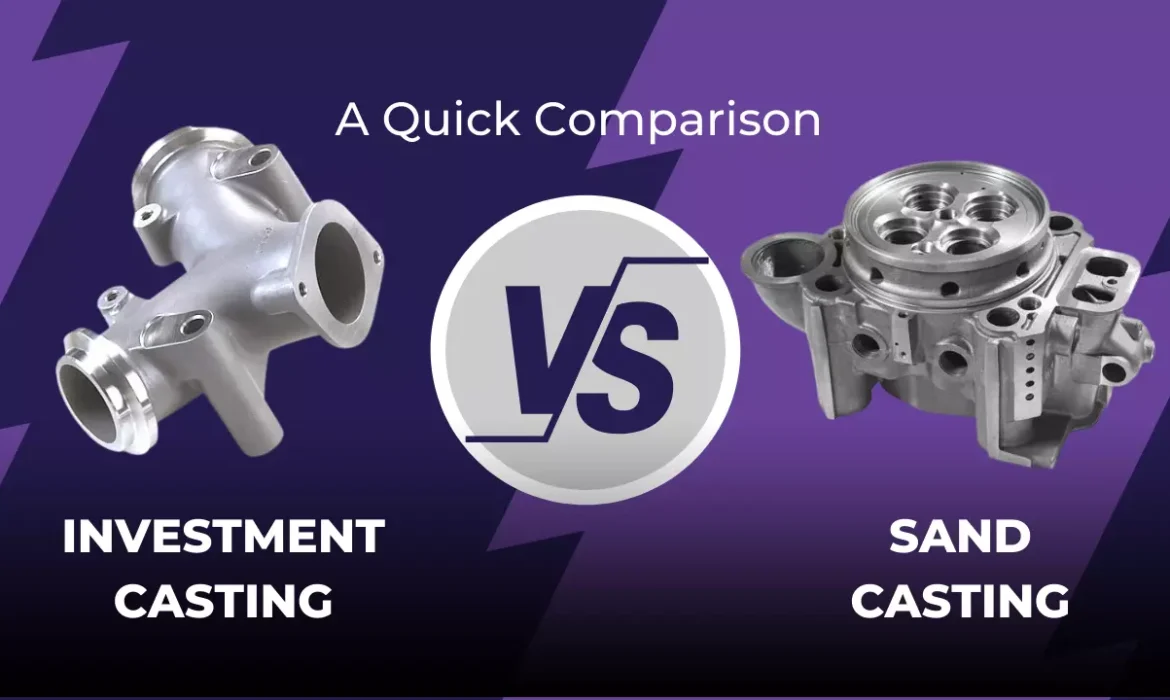
Key Differences Between Investment Casting and Sand Casting
Understanding the technical distinctions between these two methods is crucial for aligning your design with the right production capability. Below is a comparison based on our manufacturing standards at MS-Machining.
| Feature | Investment Casting | Sand Casting |
|---|---|---|
| Precision & Tolerance | High: Excellent for tight tolerances (ISO 2768 standards). | Low to Medium: Requires greater machining allowances. |
| Surface Finish | Smooth: Excellent finish, often requiring no further polishing. | Rough: Granular texture requiring surface treatment. |
| Part Complexity | High: Capable of intricate, thin-walled designs. | Low to Medium: Best for simpler, thicker geometries. |
| Part Size | Generally limited to small and medium components (grams to ~100kg). | Extremely versatile, capable of casting parts weighing several tons. |
| Tooling Cost | Higher: Requires precision aluminum dies for wax patterns. | Lower: Simple patterns make initial setup cheaper. |
| Secondary Machining | Minimal: Near-net shape reduces machining needs. | High: Often requires significant CNC machining to meet specs. |
By leveraging our in-house capabilities, MS-Machining ensures that regardless of the casting method chosen, the final output meets rigorous ISO 9001:2015 quality standards.
Factors to Consider When Choosing Between Investment Casting and Sand Casting
Selecting the right casting method is critical for balancing cost, quality, and performance. At MS-Machining, we help clients navigate these decisions daily. The choice often comes down to three main factors: material properties, design intricacy, and the required surface finish.
Material Type and Suitability for Each Casting Method
Different casting processes favor specific alloys. While there is overlap, the physical properties of the molten metal and the mold material dictate the best approach.
- Investment Casting: This method is ideal for hard-to-machine metals and high-melting-point alloys. We frequently use it for stainless steel, alloy steel, and carbon steel components where material integrity is paramount.
- Sand Casting: This traditional method is incredibly versatile and handles high-volume pours well. It is the standard choice for ductile iron, gray iron, and large aluminum parts.
Complexity of Design and Part Geometry
The geometry of your part is usually the biggest deciding factor. If your design features thin walls, internal passageways, or intricate details, investment casting (lost wax casting) is superior. It allows for “near-net shape” production, meaning the cast part looks very close to the final product.
Conversely, sand casting is better suited for large, heavy-duty components where fine detail is less critical than structural mass. It is the go-to solution for engine blocks, heavy machinery bases, and large structural fittings.
Tolerance and Surface Finish Requirements
Investment casting delivers a smooth surface finish and tight geometrical tolerances right out of the mold. This reduces the need for extensive secondary machining. Sand casting, due to the texture of the sand mold, results in a rougher surface and looser tolerances.
However, most high-performance parts will require some level of finishing regardless of the casting method. For projects requiring exact specifications, we often combine casting with our CNC precision engineering solutions to achieve the final dimensions.
Comparison of Casting Capabilities:
| Feature | Investment Casting | Sand Casting |
|---|---|---|
| Surface Finish | Smooth (Ra 1.6 – 3.2 μm) | Rough (Ra 12.5 – 25 μm) |
| Tolerance | Tight (ISO 2768 standard) | Loose (Requires machining) |
| Part Size | Small to Medium (Intricate) | Medium to Very Large (Heavy) |
| Post-Processing | Minimal machining needed | extensive machining often required |
If your project demands precision cnc parts with minimal material waste, investment casting is usually the answer. For massive parts where surface texture is secondary to strength, sand casting remains the most cost-effective route.
Advantages of Investment Casting
At MS-Machining, we often recommend investment casting (also known as lost wax casting) when a project demands a level of detail that other methods simply can’t achieve. While it involves a more intricate process than sand casting, the payoff in part quality and dimensional accuracy is significant.
High Precision and Complex Geometries
The biggest selling point of investment casting is the ability to create incredibly complex shapes with tight tolerances. Because we use a wax pattern to create the ceramic mold, we can cast intricate features, thin walls, and undercuts that would be impossible with sand molds. This method allows engineers to design parts with high functional complexity without worrying about draft angles or parting lines compromising the design. For projects requiring strict adherence to specifications, our metrology and guide to precision in manufacturing ensures that every cast component meets rigorous ISO standards.
Superior Surface Finish and Reduced Need for Post-Processing
Parts produced via investment casting come out of the mold with a much smoother surface compared to the rough texture typical of sand casting. This superior finish often eliminates the need for extensive secondary machining, saving both time and labor costs. While we offer full precision CNC parts finishing services, investment casting gets the part much closer to the final net shape right from the start. If your design does require additional features like threaded holes or extremely tight bores, our axis CNC machining capabilities can refine the cast part to perfection.
Cost-Effectiveness for Small to Medium Production Runs
While the initial tooling for investment casting can be higher than sand casting, it is often more cost-effective for small to medium runs where machining costs need to be minimized. By casting near-net-shape parts, we drastically reduce material waste and the machine time required to finish the component. This balance makes investment casting a smart financial choice for projects where quality cannot be sacrificed for volume.
Common Applications for Investment Casting
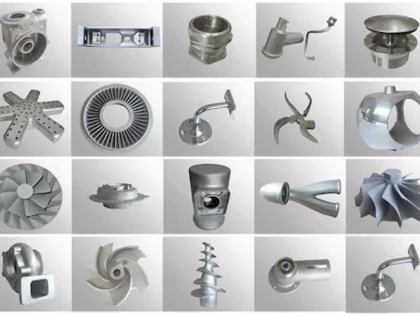
Given its versatility with materials like stainless steel, carbon steel, and various alloys, investment casting is the go-to method for critical industries. We frequently manufacture components for:
- Aerospace: Turbine blades and complex structural components.
- Medical: Surgical instruments and implants requiring high hygiene standards.
- Food Machinery: Corrosion-resistant stainless steel parts.
- Automotive: Performance parts like turbochargers and exhaust manifolds.
This method is ideal for any application where CNC precision parts are needed but machining from a solid block would be too costly or material-intensive.
Advantages of Sand Casting
When your project demands large, heavy-duty components without the high initial price tag of permanent molds, sand casting is often the smartest route. At MS-Machining, we utilize this traditional yet highly effective method to produce robust metal parts that prioritize structural integrity and cost efficiency over intricate surface detail.
Lower Tooling Costs and Easier Setup for Large Parts
The biggest win with sand casting is the low barrier to entry. Unlike investment casting or die casting, which require expensive metal dies or complex wax injection tooling, sand casting uses—you guessed it—sand. This makes the mold creation process significantly cheaper and faster.
- Minimal Initial Investment: Tooling costs are a fraction of what you would pay for hard tooling.
- Scalability: It is the ideal method for producing massive components, such as machine bases or large housings, which are physically impossible or financially prohibitive to produce via other methods.
- Design Flexibility: Changes to the design only require modifying the pattern, not scrapping an expensive steel mold.
Versatility in Material Options, Including Ferrous and Non-Ferrous Metals
Sand casting imposes very few limitations on the alloys we can use. The refractory nature of sand allows it to withstand high melting temperatures that might damage other mold types. We routinely cast a wide spectrum of materials to meet specific mechanical properties.
Common Materials Used in Sand Casting:
- Ferrous Metals: Gray iron, ductile iron, carbon steel, and stainless steel.
- Non-Ferrous Metals: Aluminum alloys, brass, and bronze.
Cost-Effective for Large Production Volumes and Simple Geometries
For projects where ultra-fine surface finishes are not the primary concern, sand casting offers an unbeatable price-per-part ratio. While the “as-cast” surface is rougher compared to investment casting, we easily achieve final dimensional accuracy through our secondary operations. We frequently transform raw sand castings into precision CNC machining services to ensure critical surfaces meet tight ISO tolerances.
Cost Comparison Breakdown:
| Feature | Sand Casting | Investment Casting |
|---|---|---|
| Tooling Cost | Low | High |
| Unit Cost (Large Parts) | Lower | Higher |
| Material Waste | Low (Sand is recyclable) | Moderate |
| Lead Time | Short | Medium/Long |
Common Applications for Sand Casting
Because of its ability to handle heavy loads and high heat, sand casting is the backbone of heavy industry. We see the highest demand for this method in sectors requiring durability.
- Automotive: Engine blocks, cylinder heads, and transmission cases.
- Industrial Machinery: Pump housings, valves, and large flywheels.
- Construction: Heavy equipment counterweights and structural brackets.
- Agricultural: Gearbox housings and tractor components.
Cost Considerations: Which Method is More Cost-Effective for Your Project?
When evaluating investment casting versus sand casting, the “cheaper” option isn’t always obvious. It depends entirely on your volume, design complexity, and required finishing. At MS-Machining, we help you analyze the Total Cost of Ownership (TCO), which includes tooling, unit price, and the secondary machining required to get your part ready for assembly.
Upfront Costs: Tooling, Equipment, and Setup
If keeping initial expenses low is your priority, sand casting is typically the winner. The patterns used in sand casting are generally made from wood or machined plastic, which are less expensive to produce than the precision aluminum dies required for investment casting.
Investment casting requires a significant upfront investment in metal tooling to create the wax patterns. However, this cost often pays off in later stages. Because investment casting produces cnc precision parts with tighter tolerances right out of the mold, you save money by eliminating extensive secondary machining. Understanding the breakdown of CNC machining service costs is crucial here; while the casting mold costs more, the reduction in post-processing labor can make investment casting cheaper per unit for complex parts.
Production Speed and Cycle Time Comparison
Time-to-market is often a critical cost factor. Sand casting generally offers a shorter lead time for tooling creation and initial sample delivery. The process is straightforward: pack the sand, pour the metal, and break the mold. This makes it ideal for rapid prototyping or urgent replacement parts.
In contrast, investment casting is a multi-stage process. It involves injecting wax, building ceramic shells (which takes days to dry), dewaxing, and finally pouring. While the cycle time is longer, the resulting parts are near-net-shape. This means you spend less time on the production floor machining surfaces and drilling holes, potentially balancing out the longer casting cycle.
Material Waste and Efficiency in Investment and Sand Casting
Material efficiency directly impacts your bottom line, especially when working with expensive alloys like stainless steel or superalloys.
- Investment Casting: This is a near-net-shape process. We pour metal very close to the final dimensions, resulting in minimal waste. This efficiency is vital when producing intricate CNC machining metal parts where raw material costs are high.
- Sand Casting: This method typically requires thicker walls and larger machining allowances to account for surface roughness and potential shifting. This means we must pour more metal per part and subsequently machine more of it away as chips, leading to higher material consumption and waste.
Cost Comparison
| Feature | Investment Casting | Sand Casting |
|---|---|---|
| Tooling Cost | High (Metal Dies) | Low (Wood/Plastic Patterns) |
| Unit Cost | Higher (Labor Intensive) | Lower (Simpler Process) |
| Machining Cost | Low (Near-Net-Shape) | High (Requires significant finishing) |
| Material Waste | Low | Moderate to High |
| Best For | Complex, high-precision parts | Large, heavy, simple parts |
Quality Control and Tolerance Considerations in Investment vs. Sand Casting
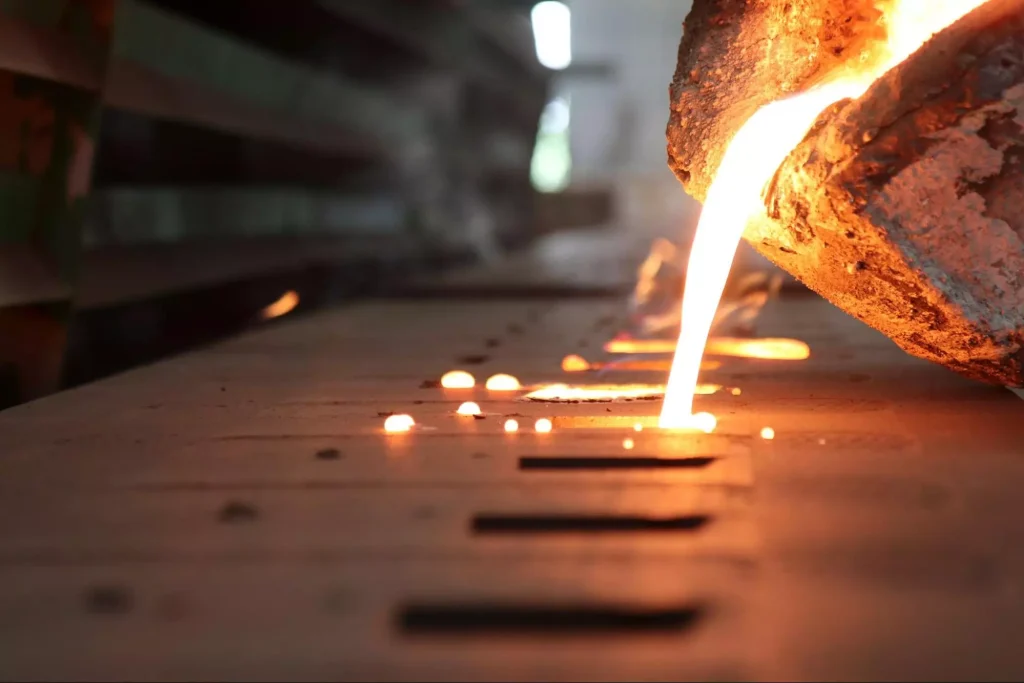 investment casting process
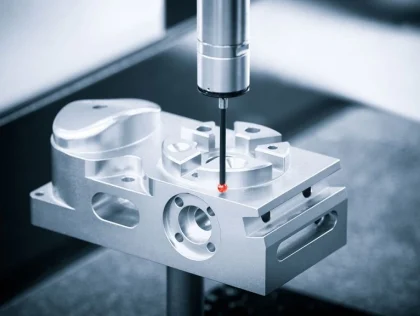
Quality control isn’t just about checking the final part; it’s about understanding the inherent capabilities of the casting process you choose. At MS-Machining, we utilize advanced inspection equipment, including CMM and X-ray detection, to ensure every component meets ISO 9001:2015 standards, regardless of the method used.
How Tolerances and Surface Finish Differ in Each Process
The fundamental difference lies in the mold material. In investment casting, the ceramic shell creates a very smooth surface finish (typically Ra 3.2–6.3 microns), replicating the wax pattern’s fine details. This results in parts that often require no surface smoothing.
Conversely, sand casting uses a sand mold, which naturally leaves a rougher, granular texture on the metal surface (typically Ra 12.5–25 microns). While this texture is acceptable for engine blocks or heavy machinery bases, it usually requires secondary finishing operations if the part is visible or needs to mate with other components.
- Investment Casting: Smooth, “near-net-shape” finish.
- Sand Casting: Rough, textured finish requiring machining allowance.
How Investment Casting Provides Better Dimensional Accuracy
When your project demands tight tolerances without extensive machining, investment casting is the superior choice. The stability of the ceramic shell allows us to hold much tighter linear tolerances, typically ranging from CT4 to CT6. This makes it ideal for complex components like valves, impellers, and medical devices where every micron counts.
For example, our stainless steel investment castings consistently achieve precise geometries that sand casting simply cannot match. Because the mold is created from a precision-injected wax pattern, we reduce the variables that cause dimensional variation, ensuring high repeatability across production runs.
How Sand Casting Can Be Optimized for Larger Tolerances
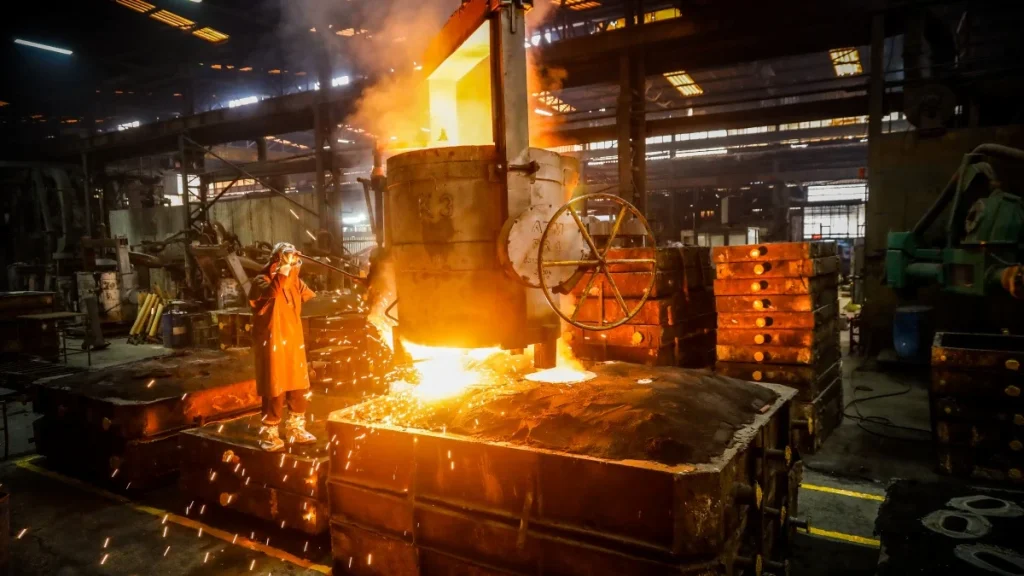 sand casting process
Sand casting generally operates within looser tolerance bands (CT10–CT12). However, this doesn’t mean you sacrifice final precision. The standard practice in sand casting is to leave a machining allowance—extra material added to critical surfaces.
After the casting cools, we move the parts to our CNC shop. Here, we machine away the excess material to bring specific features, such as bore holes or mounting surfaces, down to exact specifications. This hybrid approach allows us to produce heavy-duty components economically while still delivering precision CNC parts where it matters most. By combining the cost benefits of sand casting with high-precision secondary machining, we optimize both performance and budget for large-scale projects.
Choosing the Right Method Based on Your Production Volume
When planning a manufacturing project, production volume plays a massive role in determining cost-efficiency. At MS-Machining, we analyze your total quantity requirements to recommend whether investment casting or sand casting will provide the best return on investment.
Investment Casting for Low to Mid-Volume Production
Investment casting is often the preferred choice for low to medium production runs, especially when the components require intricate details. While the process involves creating a metal die to produce wax patterns, the cost is justified by the significant reduction in secondary processing.
- Reduced Machining: This method produces precision cnc parts with near-net shapes, meaning you spend less on finishing.
- Complex Geometries: Ideal for parts with thin walls or internal passageways that are difficult to machine.
- Tooling ROI: For mid-volume runs, the initial tooling cost is quickly amortized by the savings in material waste and machining time.
Sand Casting for High-Volume and Larger Parts
For large-scale production, particularly involving heavy or bulky components, sand casting is the industry standard. This method allows us to produce massive parts like engine blocks and heavy machinery bases using automated molding lines.
- Lower Initial Costs: The patterns used for sand casting are generally less expensive to produce than the metal dies required for investment casting.
- Scalability: It is easier to scale up production for high-volume orders using automated sand casting systems.
- Material Versatility: We can cast a wide range of ferrous and non-ferrous metals, including ductile iron and aluminum, in large quantities.
Making the Decision: When to Switch Methods Based on Project Needs
The decision often comes down to balancing the cost of casting against the cost of finishing. A sand casting might be cheaper to pour, but if it requires extensive CNC milling operations to achieve the necessary tolerances, the total cost per part can skyrocket.
Conversely, if your part design is simple and tolerances are loose, sticking with sand casting is the smarter financial move. We recommend switching to investment casting when the cost of secondary machining on a sand-cast part exceeds the price difference of the investment casting process. We help you calculate this “tipping point” to ensure your manufacturing strategy remains profitable.
Environmental Impact and Sustainability of Investment and Sand Casting
Manufacturing decisions today go beyond just price and speed; we also have to look at the environmental footprint. At MS-Machining, we optimize both investment casting and sand casting processes to minimize waste while maintaining the high quality our clients expect. Understanding how each method impacts sustainability can help you make a more responsible choice for your supply chain.
Material Usage and Waste in Investment Casting
Investment casting (lost wax casting) is a near-net-shape process. This means we pour metal into a form that is very close to the final component geometry. Because the parts come out with high precision, there is significantly less material waste compared to machining a part from a solid block.
- Wax Reclamation: The wax used to create patterns is melted out during the process. In many of our cycles, this wax can be reclaimed and reused for future sprue systems or less critical pattern sections.
- Ceramic Shells: The primary waste product is the ceramic shell material, which is broken off after casting.
- Reduced Machining: By achieving tight tolerances upfront, we reduce the amount of metal chips generated during secondary processing. This efficiency ensures that our alloy CNC machining services are used strictly for finishing, rather than wasteful heavy stock removal.
Recycling Potential and Sustainability in Sand Casting
Sand casting is often viewed as one of the most sustainable metalcasting methods available, particularly for large-scale production. The process relies heavily on natural materials that have high reusability rates.
- Sand Reuse: The sand used to form molds—typically silica bonded with clay or chemical binders—can be recycled. After the metal solidifies and the mold is broken, the sand is processed and reconditioned to be used again in subsequent molds.
- Scrap Metal Utilization: Sand casting is excellent for utilizing recycled scrap metal, including iron and aluminum alloys.
- Minimal Chemical Waste: Green sand casting, which uses clay and water as binders, eliminates many of the harsh chemicals found in other manufacturing processes.
Carbon Footprint Comparison: Investment vs. Sand Casting
When comparing the overall carbon footprint, the “best” method depends on the specific lifecycle of the part.
| Feature | Investment Casting | Sand Casting |
|---|---|---|
| Energy Consumption | Higher. The process involves multiple steps (wax injection, shell building, firing) that require significant energy input. | Lower. Mold making is less energy-intensive, and the process is more direct. |
| Material Efficiency | High. Very little metal is wasted, reducing the energy needed to produce raw alloys. | Moderate. Requires larger machining allowances, meaning more metal is removed (and recycled) later. |
| Waste Generation | Generates ceramic waste. | Generates minimal waste due to high sand reclamation rates. |
| Best For | Complex, lightweight parts where reducing downstream machining energy is critical. | Heavy, large parts where using recycled mold materials lowers the overall impact. |
Trends in Investment and Sand Casting for 2026
Advances in Automation and Technology in Casting Methods
The manufacturing landscape is shifting rapidly toward smarter production lines. At MS-Machining, we are seeing a strong move away from purely manual processes toward automated casting lines. This evolution isn’t just about speed; it’s about repeatability. Automated systems control the pouring rate and temperature more precisely than human hands, reducing defects in both investment casting and sand casting.
We also prioritize advanced inspection technologies. Using CMM (Coordinate Measuring Machines), X-ray detection, and spectrum analyzers allows us to verify internal integrity and material composition instantly. This ensures that every batch meets strict ISO 9001:2015 standards before it ever leaves the factory floor.
New Materials and Alloy Options for Both Investment and Sand Casting
Material versatility is becoming a major differentiator in the market. While traditional materials like gray iron and standard carbon steel remain popular, we are seeing increased demand for specialized high-performance alloys.
- Investment Casting: We are processing more complex stainless steel and alloy steel grades designed for high-heat and high-stress environments.
- Sand Casting: There is a growing trend toward using advanced aluminum alloys and ductile iron to balance weight reduction with structural strength.
For projects requiring specific material properties that raw casting cannot fully achieve, our manufacturing of custom CNC machining parts allows us to refine these materials further, ensuring the final component meets exact mechanical requirements.
Industry-Specific Trends: Aerospace, Automotive, and Heavy Machinery
Different sectors are driving the evolution of casting technologies in unique ways. In 2026, the focus is on efficiency and weight reduction.
- Aerospace: The demand for lightweight, thin-walled components is at an all-time high. Investment casting is the go-to method here for creating intricate geometries that reduce aircraft weight without sacrificing strength. We frequently pair this with our CNC aerospace machining services to achieve the tight geometrical tolerances required for flight-critical hardware.
- Automotive: As the industry pivots to Electric Vehicles (EVs), there is a massive push for aluminum die casting and sand casting to replace heavier steel parts, helping to extend battery range.
- Heavy Machinery: For construction and agricultural equipment, sand casting remains the standard for producing large, durable parts like engine blocks and housings. However, the expectation for better surface finishes and tighter tolerances on these massive parts is rising, requiring better mold designs and post-casting machining.