
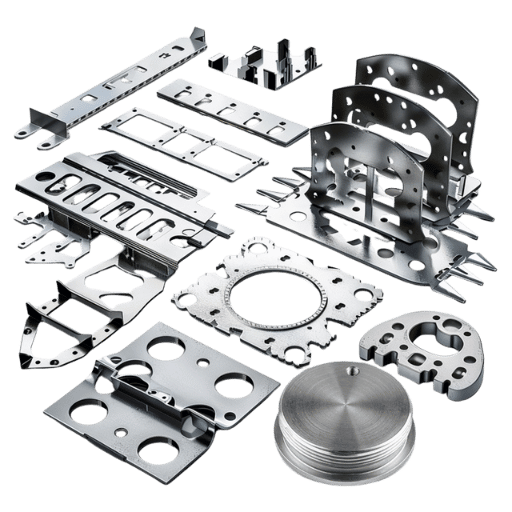
In today’s fast-evolving manufacturing world, standard CNC sheet metal fabrication methods just don’t cut it anymore—especially when your projects demand ultra-tight tolerances (±0.05 mm) and superior surface finishes (Ra 0.8 or better). If you’re a manufacturing engineer, shop owner, or product developer aiming for high-quality results with faster turnaround and lower costs, it’s time to explore the innovative CNC sheet metal fabrication methods redefining precision and efficiency in 2025.
From fiber laser cutting and automated bending to hybrid machining and AI-driven workflows, forward-thinking companies like MS Machining are leveraging these breakthroughs to deliver flawless parts consistently. Keep reading to discover the latest technologies shaping the future of sheet metal production—and how you can put them to work in your next project.
Next-Generation Cutting Technologies for CNC Sheet Metal Fabrication
When it comes to cutting sheet metal, fiber lasers have rapidly overtaken traditional CO2 lasers, and for good reason. Fiber laser cutting offers faster processing speeds, superior edge quality, and greater versatility across different materials—especially stainless steel and aluminum. Unlike CO2 lasers, fiber lasers deliver higher energy efficiency and can handle a wider range of thicknesses with precision.
Fiber Laser vs. CO2: Speed and Edge Quality
- Speed: Fiber lasers typically cut 20–40% faster than CO2 lasers on thin to medium-thickness metals.
- Edge Quality: Fiber lasers produce clean, dross-free edges with minimal heat-affected zones, reducing the need for secondary finishing.
- Material Versatility: Fiber lasers excel on reflective materials (aluminum, copper) where CO2 lasers struggle.
Ultra-High-Power Fiber Lasers (20–30 kW)
For thick stainless steel and aluminum sheets, ultra-high-power fiber lasers in the 20,000 to 30,000-watt range enable clean, burr-free cuts. These lasers effectively replace mechanical processes, like plasma cutting, offering a smooth finish that improves downstream fabrication steps.
Laser Blanking Lines Replacing Turret Punches
Modern fabrication shops are increasingly adopting laser blanking lines that outperform traditional turret punches by:
- Reducing setup times
- Eliminating tooling wear and costs
- Allowing quick changes for complex geometries
At MS Machining, we implemented a 20 kW fiber laser blanking line that boosts throughput by 30% while consistently delivering mirror-finish edges on stainless steel parts. The photo below shows a precision-cut edge with minimal surface roughness, ready for immediate forming or assembly without additional finishing.
Key Takeaways:
| Feature | Fiber Laser Cutting | CO2 Laser Cutting |
|---|---|---|
| Speed | Faster cuts, up to 40% more | Slower on reflective metals |
| Edge Quality | Clean, burr-free edges | More dross, rougher edges |
| Material Versatility | Excellent on aluminum, copper | Limited on reflective metals |
| Power Range | Up to 30 kW+ for thick metals | Typically ≤ 6 kW |
This next-gen cutting approach is driving higher-quality, cost-effective sheet metal fabrication across the U.S. manufacturing sector.
Precision Forming & Bending Innovations
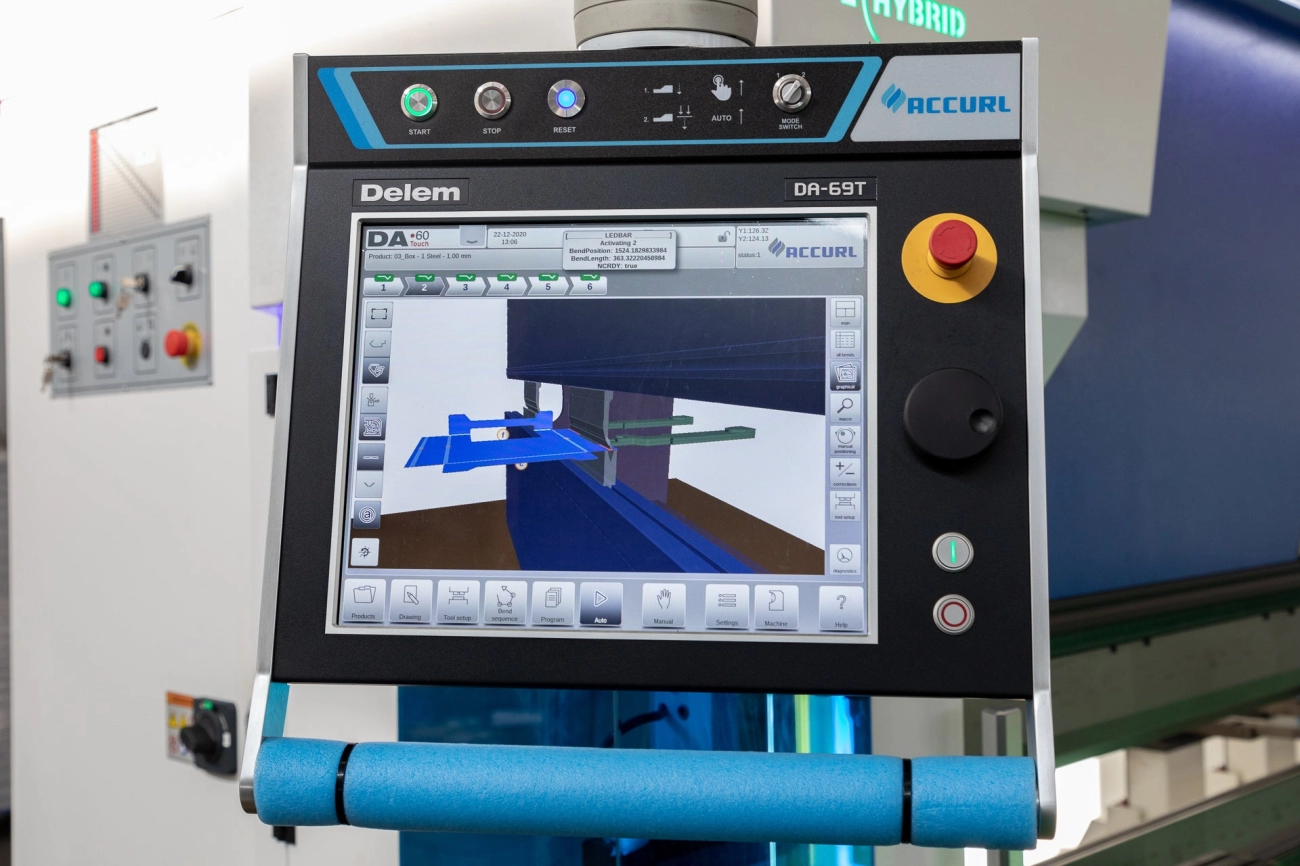
When it comes to precision sheet metal fabrication, servo-electric press brakes are now outpacing traditional hydraulic models. With repeatability down to ±0.005 mm, these electric brakes offer tighter control and greater energy efficiency. Advances like automatic tool changers and built-in angle measurement systems are becoming standard by 2026, allowing quick setup changes and ensuring consistent bends every time.
For complex shapes, automated panel benders can handle multiple bends in one setup, reducing handling and cycle time. Plus, robotic bending cells enable lights-out production, running with minimal human intervention and maintaining high-tolerance CNC bending standards around the clock.
These innovations drive efficiency and accuracy, making them key tools for shops focusing on high-quality results in sheet metal processing. To explore how precise bending integrates with other machining, check out our precision CNC machining services for a closer look at advanced metal machining capabilities.
Hybrid Machining + Sheet Metal Integration
Combining milling and turning on flat sheet metal blanks before forming is a game-changer for precision and efficiency. Mill-turn machines handle complex features like deep pockets, contours, and holes in one setup, reducing the need for multiple processes. Integrating 3D laser cutting with CNC milling opens new possibilities for detailed, high-tolerance parts.
We also use in-machine deburring and tapping to cut down on secondary operations, speeding up production and preserving pristine edges. This hybrid approach seamlessly blends sheet metal processing with advanced machining, delivering highly precise components ready for complex forming.
For projects that demand tight tolerances and combined machining methods, our expertise in CNC machining metal parts ensures you get both quality and speed without compromise.
Advanced Material Handling & Automation
Modern CNC sheet metal fabrication is all about efficiency and precision, and advanced material handling plays a huge role here. Fully automated sheet storage and loading systems—like tower storage combined with automated guided vehicles (AGVs)—ensure faster, safer handling of metal sheets while minimizing human error. These systems keep production flowing smoothly and reduce downtime between jobs.
AI-powered vision systems now assist in part orientation and defect detection right on the line, catching issues early without slowing the process. This means fewer scrapped parts and higher overall quality. Plus, cobot-assisted unloading and stacking help handle finished pieces with consistent care, improving throughput while keeping workers safe.
Integrating these automation solutions creates a seamless workflow from raw coil to finished part, which pairs well with advanced machining and forming techniques. For those interested in metal component manufacturing, check out how we optimize machined metal parts through automation at MS Machining.
Surface Finishing Breakthroughs Directly After Fabrication
Modern CNC sheet metal fabrication isn’t complete without top-tier surface finishing—right on the production line. Inline vibratory finishing and brushing are now integrated directly into the machining cell, smoothing edges and removing burrs without slowing down the workflow. This means parts come out ready for assembly or further processing immediately after cutting and forming.
For aluminum components, advanced treatments like Plasma Electrolytic Oxidation (PEO) and ceramic coatings provide durable, corrosion-resistant surfaces with excellent wear properties. These coatings boost part longevity and performance, especially for harsh environments.
On top of that, fully automated wet painting and powder coating lines now sync directly with CNC data, ensuring consistent finish quality and color accuracy batch after batch. This tight integration cuts down on manual handling and speeds up lead times while maintaining high-quality results.
Together, these surface finishing breakthroughs create a seamless, efficient process that elevates the overall quality of sheet metal parts, making them ideal for demanding industries.
Software & Digital Workflow Innovations
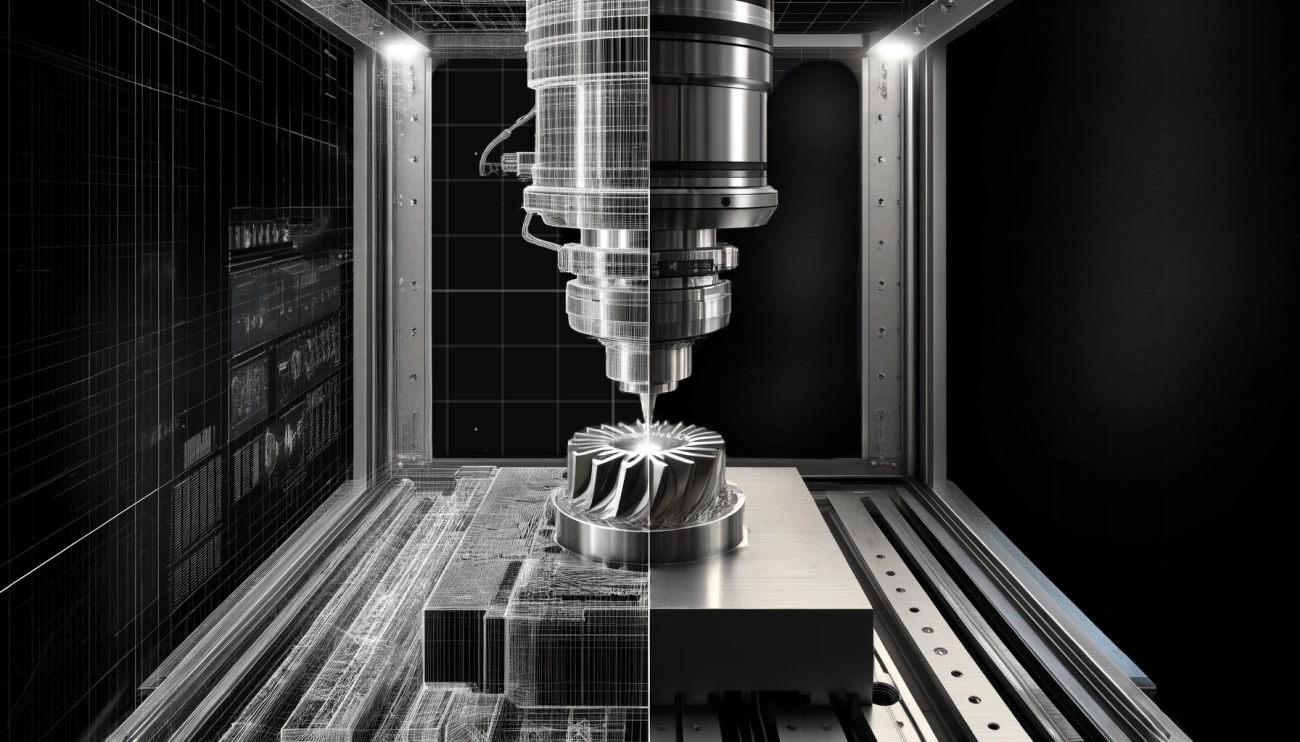
Today’s CNC sheet metal fabrication leans heavily on smart software that speeds up the entire process. Modern nesting AI lets shops go from CAD design to part production in under 10 minutes, cutting down waste and setup time. Real-time adaptive machining adjusts cutting parameters on the fly, improving precision and extending tool life.
Predictive maintenance based on machine data helps avoid costly downtime by flagging issues before they cause failures. Another game changer is the use of digital twins—virtual replicas of the sheet metal fabrication process—that allow full validation of designs and workflows before the first physical part is made. This not only saves material but ensures top-quality results right out of the gate.
For even more complex jobs, pairing these digital workflows with advanced CNC milling services for complex components can push your fabrication capabilities further, ensuring high accuracy and repeatability throughout the manufacturing cycle.
Quality Control in the Age of Industry 4.0
Quality control has taken a giant leap forward with Industry 4.0 technologies. Instead of relying solely on traditional coordinate measuring machines (CMM), modern sheet metal fabrication uses in-process laser scanning to capture precise measurements in real time. This means defects can be caught immediately during production, reducing scrap and rework.
On top of that, 100% automated optical inspection systems powered by AI classify defects quickly and accurately. These systems spot even the smallest flaws that human eyes might miss, ensuring every part meets tight tolerances and high-quality standards.
Full traceability is now standard too—from raw coil material all the way through to the finished part. This track-and-trace capability supports better process control and accountability, critical in industries demanding strict certification and compliance.
By integrating advanced quality control methods, we can guarantee precision sheet metal fabrication that aligns perfectly with client demands and helps drive down costs through less waste and fewer delays. For precision medical device manufacturing that demands exceptional accuracy, these innovations prove especially impactful. Learn more about our expertise in medical manufacturing devices and equipment.
Cost vs Performance: When to Invest in Innovative CNC Sheet Metal Fabrication Methods
Investing in advanced CNC sheet metal fabrication techniques is a smart move—if you know when it makes sense for your business. Typically, companies see a return on investment (ROI) within 12 to 18 months, thanks to reduced labor costs, faster cycle times, and less scrap. Using an ROI calculator tailored to high-speed blanking lasers, servo-electric press brakes, and automated panel bending can help you estimate these savings upfront.
Industries That Benefit Most
- Medical devices: Tight tolerances and repeatable precision make innovations like robotic bending cells and in-process quality inspection essential.
- Aerospace: Lightweight metals and complex geometries demand hybrid machining and digital twin validation for consistent, high-quality parts.
- EV battery trays: High-volume runs benefit from cost-effective automation, such as AI nesting software for sheet metal and lights-out production to meet strict delivery schedules.
Deciding when to adopt these innovations comes down to your production volume, complexity, and quality needs. For many manufacturers, the upfront investment pays off by streamlining operations and boosting precision—making these methods key to staying competitive in the US market.
For those curious about the evolution of precision metal machining, exploring the history of CNC machining offers valuable insight into how these advancements continue to reshape the industry.
Case Studies – Real Projects by MS Machining
At MS Machining, our innovative CNC sheet metal fabrication methods deliver real results that meet tight tolerances and reduce costs. For example, we produced a 0.8 mm stainless steel enclosure achieving ±0.02 mm precision, showcasing our expertise in high-tolerance CNC bending and precision sheet metal fabrication. You can learn more about our stainless steel machining quality to see how we maintain such exacting standards.
In another project, we automated a 50,000-piece aluminum bracket run, cutting production costs by 15% without sacrificing quality. This success highlights how advanced automation and lights-out sheet metal production can significantly boost efficiency for large-volume jobs.
We also completed a mirror-finish copper busbar for power electronics, utilizing next-generation fiber laser cutting sheet metal techniques to achieve an exceptional surface finish directly after fabrication. This project demonstrates our capability to handle specialty metals and complex finishes with advanced sheet metal processing methods.
These case studies reflect our commitment to combining innovative CNC sheet metal methods with real-world applications to serve industries like aerospace, medical devices, and power electronics effectively.