
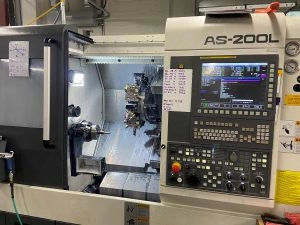
Understanding CNC Machining: What is CNC Machining?
CNC machining stands for Computer Numerical Control machining. It’s a manufacturing process where computers control machine tools like mills, lathes, and routers to shape materials into precise parts. Instead of manual operation, CNC machines follow programmed instructions to perform cutting, drilling, or shaping with high accuracy.
Here’s what makes CNC machining special:
- Automated control: Computer software directs the movements of tools based on digital designs.
- Precision: It produces parts with consistent dimensions every time.
- Versatility: Can work with metals, plastics, wood, and more.
- Repeatability: Ideal for large-scale production where identical parts are needed.
In short, CNC machining turns digital blueprints into physical components by automating tool movements, making manufacturing faster, more efficient, and highly accurate. This process is fundamental in industries ranging from aerospace to automotive and consumer products. So, understanding how does CNC machining work starts with knowing it’s all about using computers to control machines that shape materials exactly as designed.
History and Evolution of CNC

CNC machining has come a long way since its start in the 1940s and 1950s. Initially, machining was done manually, which required skilled operators to control every part of the cutting process. The need for more accuracy and automation led to the development of numerical control (NC), where machines followed preset instructions via punched tape.
By the 1970s, this evolved into CNC—Computer Numerical Control—where computers replaced manual programming, making machining more flexible and precise. This shift allowed complex designs to be created with high repeatability and speed.
Today, CNC technology continues to advance with better software like CAD/CAM systems, improved machine components, and automation. These innovations keep CNC machining at the forefront of manufacturing, offering faster production and higher quality parts for industries such as aerospace, automotive, and medical devices.
For those interested in the latest trends and how CNC has improved over time, check out our detailed best introduction of CNC machining.
How CNC Machines Work: Basic Components of CNC Machines
Understanding how CNC machines work starts with knowing their key components. A typical CNC machine includes:
- Controller: The brain of the machine that reads the G-code program and sends commands to the motors.
- Motors and Drives: These move the machine’s cutting tools or workpieces along precise paths on the X, Y, and Z axes.
- Machine Bed: The sturdy base that holds the workpiece and supports movement.
- Spindle: Holds and spins the cutting tool, which removes material from the workpiece.
- Tool Holder: Secures different cutting tools that can be changed automatically or manually.
- Sensors: Monitor positions, tool wear, and machine status to ensure accurate operations.
Together, these parts work in sync, following programmed instructions to produce precise cuts and shapes. Whether it’s metal, plastic, or other materials, these components handle the actual physical work in CNC machining.
For more on materials and precision in metal work, check out our detailed guides on CNC metal machining and manufacture hardened steel machining parts.
How CNC Machines Work: Step-by-Step CNC Machining Process
The CNC machining process follows a clear set of steps to turn raw materials into precise finished parts. Here’s how it typically works:
-
Design Creation
First, the design is prepared using CAD (Computer-Aided Design) software. This digital blueprint defines the shape, size, and features of the part.
-
Programming the Machine
Next, the CAD file is converted into a CNC program using CAM (Computer-Aided Manufacturing) software. This program generates G-code, which tells the machine exactly how to move and cut.
-
Setup and Loading
The raw material, such as metal or plastic, is securely clamped onto the CNC machine’s worktable. The appropriate cutting tools are loaded into the machine’s spindle.
-
Machine Calibration
The machine is calibrated to establish the starting point, or “zero,” on the workpiece. This ensures precise cutting according to the program.
-
Machining Operation
The CNC machine follows the G-code instructions to perform cutting, drilling, or shaping. It moves along multiple axes to accurately shape the part.
-
Monitoring and Adjustments
Operators monitor the process for any issues, making adjustments if necessary to maintain quality and avoid errors.
-
Finishing and Inspection
Once machining ends, the part is removed and inspected for accuracy. Additional finishing like deburring or polishing may follow.
This step-by-step process ensures consistently accurate and repeatable production of components across industries. For a closer look at specific machining tools, you can explore detailed CNC milling machines used in many operations.
Types of CNC Machining Processes
CNC machining covers a variety of processes, each suited for different materials and designs. The most common types include:
- CNC Milling: Uses rotary cutters to remove material from a workpiece, ideal for shaping and drilling. It’s versatile and widely used for precision parts, including complex shapes. For advanced projects, 5-axis CNC milling machines offer enhanced movement and detail control.
- CNC Turning: Involves rotating the workpiece while a cutting tool removes material. This process is great for creating cylindrical parts like shafts and bolts.
- CNC Drilling: Focuses on making precise holes with different diameters and depths. It’s mostly used for preparing parts for assembly or further machining.
- EDM (Electrical Discharge Machining): Uses electrical sparks to cut hard metals or materials that are difficult to machine traditionally. It’s precise but slower than milling or turning.
- Grinding: Employs an abrasive wheel to finish parts, improving surface quality and dimensional accuracy.
Each process is controlled by CNC software to automate the cutting and shape the final product as programmed. Selecting the right machining type depends on the project’s material, shape, and tolerances.
If you want to explore specialized options for intricate parts, consider machines like the advanced 5-axis CNC milling machines for precision and flexibility in complex machining tasks.
Programming CNC Machines: Introduction to G-Code and CAD/CAM
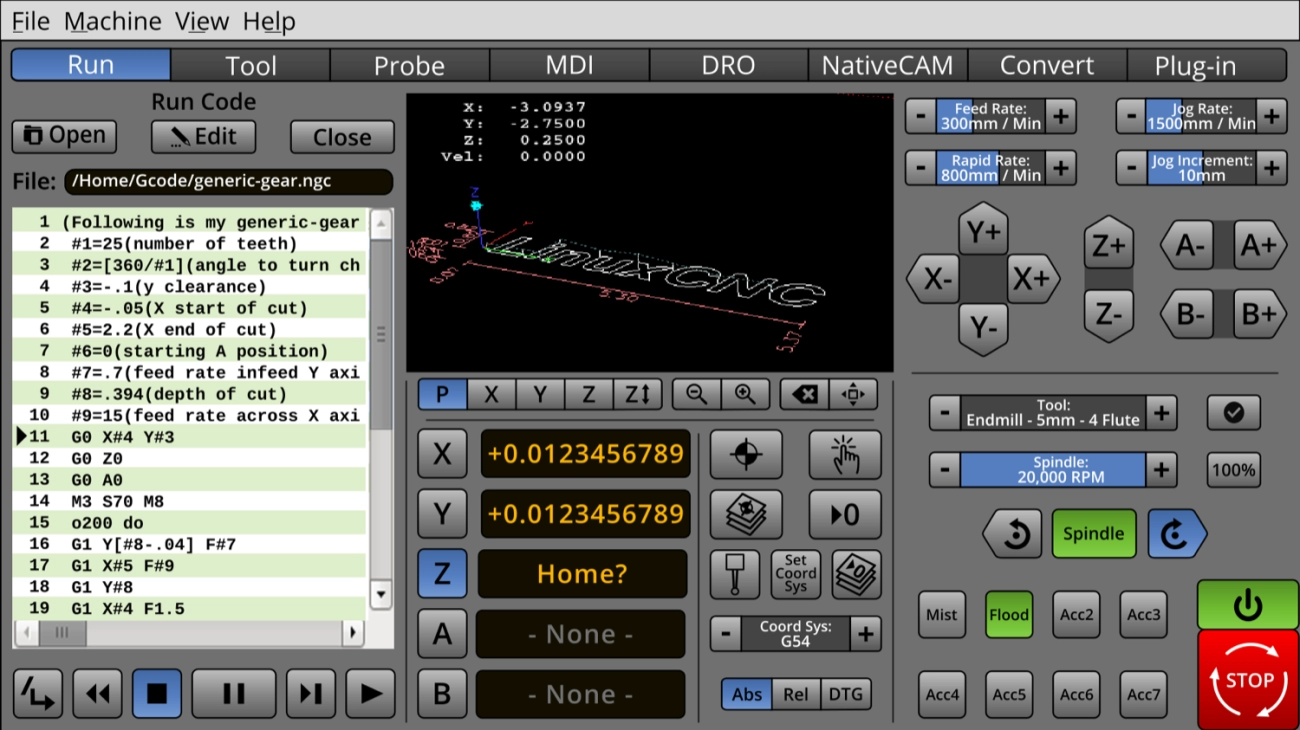
When it comes to how CNC machines work, programming plays a crucial role. The two key elements in CNC programming are G-Code and CAD/CAM software. G-Code is the language CNC machines understand—it tells the machine exactly where to move, how fast, and what operations to perform. Think of it as the instructions that guide the cutting tools through precise paths.
On the other side, CAD (Computer-Aided Design) and CAM (Computer-Aided Manufacturing) software help create and convert designs into G-Code. CAD software lets engineers and designers create detailed 2D or 3D models, while CAM software takes those designs and plans out the best machining process, generating the necessary G-Code automatically.
This combination of G-Code and CAD/CAM makes CNC machining accessible even for beginners, streamlining complex tasks and reducing errors. If you want to dive deeper into the variety of machines using such programming, learning about types of CNC machines like 5-axis CNC machines can be very helpful.
How to Create a CNC Program
Creating a CNC program starts with translating a design into instructions that the machine understands. Typically, this involves using CAD (Computer-Aided Design) software to create a detailed 3D model of the part you want to make. Then, CAM (Computer-Aided Manufacturing) software takes over, converting that model into a series of toolpaths — basically the exact movements the cutting tools will follow.
Once those toolpaths are defined, the CAM software generates a CNC program usually written in G-code. This code controls every action: movement, speed, tool changes, and more. Operators can adjust the program to optimize efficiency or accommodate specific materials. For beginners, CAM software simplifies much of this, but experienced machinists often fine-tune the G-code manually to get the best results.
If you’re looking for precision and complex component machining, working with a custom CNC machining service can help ensure your CNC program is accurate and optimized for your project needs, like the specialized solutions offered in CNC milling services for complex components.
In short, creating a CNC program is about transforming a digital design into machine commands using CAD/CAM tools and G-code, enabling precise, repeatable manufacturing.
Industries Using CNC Machining
CNC machining plays a crucial role across many industries in the United States, thanks to its precision, efficiency, and versatility. Manufacturing sectors like aerospace, automotive, and medical devices rely heavily on CNC machines to produce complex parts with tight tolerances. The aerospace industry, for example, uses CNC machining to create durable components from lightweight materials that meet strict safety standards.
In automotive manufacturing, CNC machining enables the production of engine parts, custom components, and prototypes quickly and consistently. The medical field leverages CNC machines to fabricate surgical instruments and implants, where accuracy is critical. Other industries such as electronics, defense, and even consumer goods also benefit from CNC machining technology.
For more details on how CNC machining adapts to specific materials, especially metals like aluminum and brass, check out our insights on aluminum CNC machining parts and brass CNC machining services. These examples highlight the breadth of applications where CNC machining is indispensable today.
Common Materials Machined with CNC
CNC machining is incredibly versatile, handling a wide range of materials to meet different industry needs. Common materials machined with CNC include metals like aluminum, stainless steel, brass, and titanium. Aluminum is popular for its lightweight and machinability, while stainless steel offers strength and corrosion resistance. Brass is often used for decorative and electrical parts, and titanium stands out for aerospace or medical applications due to its durability and biocompatibility.
Apart from metals, CNC machines also work well with plastics such as ABS, nylon, and polycarbonate, which are favored in prototyping and production for their flexibility and cost-effectiveness. Wood and composite materials can also be processed using specific CNC machines, expanding the range even further.
If you’re interested in specific material options for your project, exploring specialized services like aluminum CNC machining services or stainless steel CNC machining services can provide detailed insights and help you select the best fit for your needs. For a broader overview, check out a comprehensive CNC machining materials list to understand how different materials perform in CNC processes.
Benefits of CNC Machining
CNC machining offers many advantages making it a top choice in manufacturing today. Here are key benefits that stand out:
| Benefit | Description |
|---|---|
| High Precision | CNC machines produce consistent, accurate parts with tight tolerances. |
| Repeatability | Once programmed, the same design can be machined repeatedly without error. |
| Speed and Efficiency | Automated operations reduce production time compared to manual machining. |
| Complex Designs | CNC handles intricate shapes and detailed cuts that are difficult by hand. |
| Less Waste | Precise control minimizes material waste and reduces costs. |
| Flexibility | Quick setup changes mean faster adaptation to new projects or changes in design. |
| Labor Savings | CNC reduces the need for manual intervention, lowering labor costs and human error. |
These advantages make CNC machining ideal for industries requiring high precision and efficiency, including aerospace, automotive, and medical devices. If you’re working with metals, CNC machining offers excellent control over materials like aluminum and steel. Check out specialized metal CNC machining services to understand how these benefits apply in practice.
Limitations and Common Issues of CNC Machining
While CNC machining offers many advantages, it also comes with some limitations and common challenges to consider:
- High Initial Costs: Setting up CNC machines and programming software can be expensive, especially for small-scale operations or beginners.
- Complex Programming: Creating accurate G-code programs requires skilled operators or programmers, which can add to training time and costs.
- Material Waste: Although CNC machining is precise, complex parts may still generate waste material, especially in subtractive processes.
- Machine Maintenance: CNC machines require regular maintenance to avoid downtime and ensure high-quality output.
- Limited to Certain Materials: Not all materials are suitable for CNC machining. Very soft or brittle materials might pose issues during machining. For more info on suitable options, check out common materials machined with CNC.
- Size Constraints: The size of the parts is limited by the working envelope of the CNC machine, which might restrict production of very large components.
- Potential for Programming Errors: Mistakes in the code can lead to defective parts, machine damage, or safety risks.
Understanding these limitations helps in planning and applying CNC machining effectively, ensuring you get the best results for your projects.
Future of CNC Machining: Technological Advances and Trends
The future of CNC machining looks bright, driven by rapid technological advances and evolving industry needs. We’re seeing smarter machines with AI integration, which improve precision and efficiency by adapting cutting parameters in real time. Automation and robotics are becoming more common too, enabling continuous operation with less human intervention. This helps manufacturers in the US boost production while reducing costs.
Another trend is the wider adoption of advanced materials, like Inconel and specialty alloys, which require sophisticated CNC machining processes. For businesses interested in this, specialized services such as CNC machining Inconel services and alloy CNC machining are growing to meet demand.
Additionally, improvements in CAD/CAM software and enhanced G-code programming tools make it easier to design and program complex parts, improving overall workflow. Cloud-based platforms are also enabling remote monitoring and control of CNC machines, which is a big plus for manufacturers balancing quality and flexibility.
As CNC technology continues to evolve, it’s clear that staying updated on the latest trends will be a competitive advantage for US manufacturers focused on high-precision, efficient, and cost-effective production.