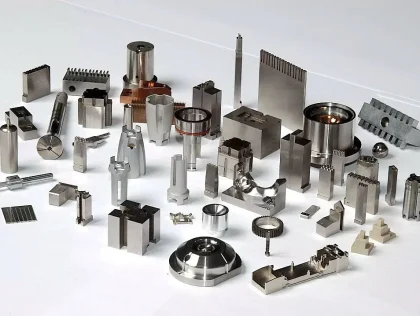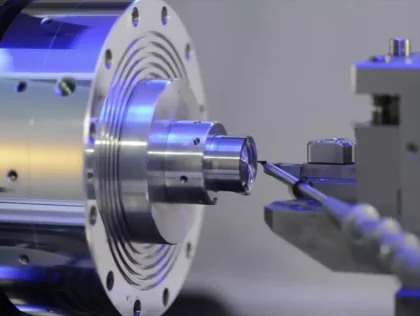
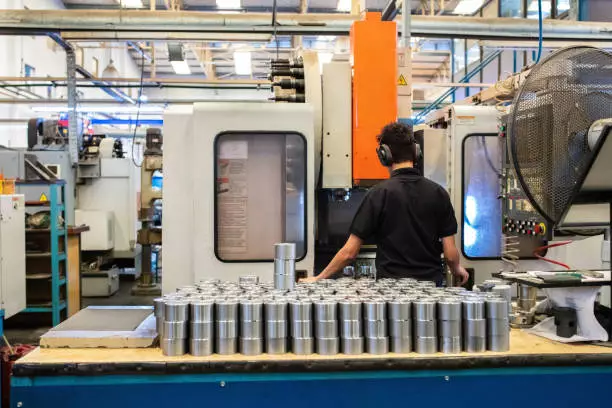
What Qualifies as High Volume in CNC Machining?
In industrial manufacturing, defining volume accurately is critical for optimizing supply chains and controlling costs. High volume CNC machining is not simply about producing more parts; it represents a fundamental shift from flexible, ad-hoc setups to highly optimized, automated production environments.
Defining the Thresholds
To properly allocate resources, we categorize production runs into distinct tiers. While exact numbers can vary by industry, the following benchmarks establish clear parameters for manufacturing expectations.
| Production Tier | Typical Part Volume | Primary Manufacturing Focus |
|---|---|---|
| Low Volume | 1 to 1,000 | Prototyping, custom engineering, design validation |
| Medium Volume | 1,000 to 10,000 | Bridge production, initial market testing, specialized runs |
| High Volume | 10,000 to 1,000,000+ | CNC mass production, extreme cost efficiency, automation |
The Financial Tipping Point
Transitioning to large scale CNC machining involves absorbing higher upfront engineering and fixturing expenses. The tipping point—where this investment makes undeniable financial sense—occurs when the sheer volume of parts fundamentally changes the cost structure.
Key indicators that dictate the shift to high volume production machining include:
- Absorbed Setup Costs: High initial investments in complex programming, custom workholding, and tooling are completely amortized over massive part quantities.
- Continuous Automation: A demand schedule that requires 24/7, uninterrupted production runs to meet market needs.
- Maximum Profitability: The strategic necessity to drastically lower the unit price; at scale, the focus shifts entirely to achieving the lowest possible cost per part without sacrificing strict tolerances.
The Compounding Economic Advantages of CNC Mass Production
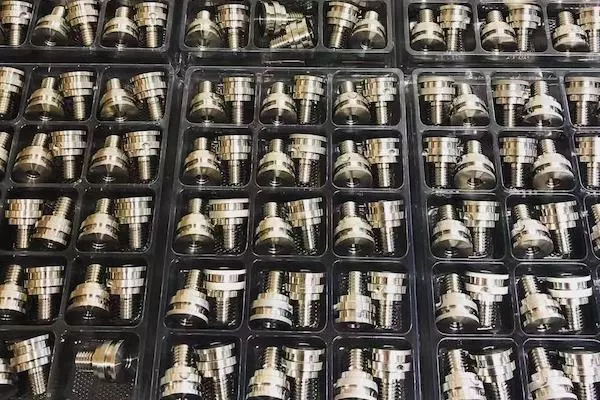
When we scale up to high volume CNC machining, the economics completely shift in your favor. It all comes down to operational momentum. Once we dial in the initial setup, the financial benefits of CNC mass production stack up quickly, turning efficiency into serious cost savings for your supply chain.
Here is exactly how large scale CNC machining drives your bottom line:
Plummeting Cost-Per-Part
The biggest advantage of high volume machining services is massive cost per part reduction. Your initial fixed costs—like engineering, CNC programming, and custom fixturing—stay exactly the same whether we produce 500 parts or 500,000.
- Amortized Setups: Spreading upfront costs across massive production runs makes the setup fee per unit practically invisible.
- Locked-in Efficiency: Once a program is validated, the machines just run, eliminating the labor costs associated with constant tweaking and resetting.
Maximizing Material Utilization
We buy raw materials by the truckload for high volume production machining, which unlocks steep bulk discounts that get passed directly to you. Furthermore, by optimizing our CNC milling toolpaths, we cut down on scrap and pull the absolute maximum yield out of every single bar or block of metal. Less waste equals better profit margins.
Slashing Lead Times
Automated CNC manufacturing thrives on continuous motion. By running sustained production cycles, we completely bypass the standard delays of machine changeovers.
- Continuous Output: Spindles keep turning without interruption, ensuring a predictable, steady flow of high volume CNC machined parts.
- Faster Delivery Schedules: Less time spent breaking down and setting up machines means your inventory hits your loading dock exactly when you need it.
Technologies Driving High Volume Manufacturing Efficiency
Scaling up isn’t just about running machines faster; it’s about using smarter technology to eliminate downtime. To deliver high volume CNC machining on time and within budget, we rely on a combination of advanced equipment and automated systems that streamline the entire production cycle.
Multi-Axis Machining Centers
Speed and precision go hand-in-hand when you reduce the number of times a part needs to be touched. We utilize multi-axis CNC machining (specifically 4-axis and 5-axis centers) to complete complex parts in a single setup. Instead of moving a workpiece between multiple machines—which kills efficiency and invites error—we machine complex geometries all at once. This is critical when mass-producing intricate components, ensuring that every unit rolling off the line matches the exact specifications.
CNC Turning & Milling Synergy
Efficiency comes from using the right tool for the job. We don’t rely on a one-size-fits-all approach; we operate fleets of specialized CNC turning and milling machines concurrently. By splitting production across dedicated turning centers for cylindrical parts and milling centers for prismatic features, we accelerate overall output. This synergy allows us to handle heavy-duty projects, such as large-scale steel CNC machining, without creating bottlenecks in the workflow.
Automation and Continuous Operation
The biggest advantage in automated CNC manufacturing is the ability to run 24/7. We employ advanced automation technologies to keep the spindles turning even when the lights are off.
- Pallet Changers: Allow operators to load raw materials while the machine is still cutting the previous batch.
- Bar Feeders: Automatically feed long stock into turning centers, enabling continuous high volume screw machining.
- Robotic Tending: Robotic arms handle repetitive loading and unloading tasks, reducing labor costs and fatigue.
This approach to lights-out CNC manufacturing drastically cuts lead times and maximizes our facility’s capacity.
Quality Control at Scale in High Volume CNC Machining
Ramping up production is one thing, but keeping every single piece perfectly identical is the real test in high volume CNC machining. When you are churning out hundreds of thousands of components, even minor errors can lead to massive waste. We treat quality control as a continuous, active process rather than just a final checkpoint at the shipping dock.
Managing Tolerance Drift
When machines run 24/7, tool wear is inevitable. If left unchecked, this wear causes tolerance drift, meaning your parts slowly fall out of spec during CNC mass production.
- Predictive Tool Swaps: We track tool life cycles rigorously and swap out cutters before they compromise precision.
- Automated Offsets: Our machines automatically adjust for minor tool wear on the fly to keep dimensions locked in.
In-Process Inspection
We never wait until a massive run is finished to hunt for defects. We build quality checks directly into the lifecycle of our CNC precision machining services. By integrating machine probes and automated vision systems right on the shop floor, we verify critical dimensions mid-run. This immediate feedback loop stops bad parts from ever being made.
Standardized Assembly & Testing
Consistency is everything. To ensure batch-to-batch uniformity for high volume CNC machined parts, we rely on highly structured workflows:
- Dedicated QC Lines: Specialized teams focus entirely on verifying dimensions and surface finishes against your blueprints.
- Custom Testing Jigs: Standardized fixtures eliminate human error during the measurement process.
- Streamlined Assembly: Combining precision machining with dedicated assembly lines guarantees that your components fit together and function perfectly, batch after batch.
Critical Industries Relying on High Volume CNC Machined Parts
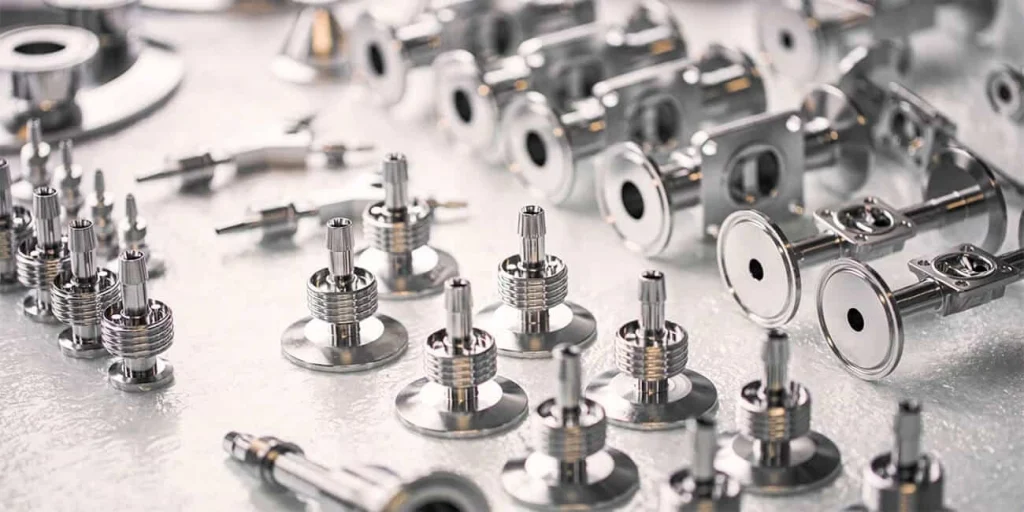
When we handle CNC mass production for US manufacturers, the stakes are incredibly high. Certain sectors simply cannot afford a drop in quality, even when ordering hundreds of thousands of units. Here is how tight tolerance mass production supports our most demanding industries:
Aerospace & Defense
- Strict Tolerances: Safety and performance are non-negotiable in the sky and on the battlefield.
- Key Components: We manufacture flight-critical parts like anti-locking brake housings. Meeting these complex geometries at scale often relies on advanced 5-axis CNC machining services to maintain absolute precision without slowing down output.
Medical Devices
- Biocompatibility & Consistency: Medical hardware demands exact replication and flawless finishes across every single batch.
- Key Components: Lifesaving diagnostic equipment, such as gas blood analyzers, relies heavily on high volume CNC machined parts to function flawlessly in critical healthcare settings.
Oil & Gas and Heavy Equipment
- Extreme Durability: Components must withstand harsh environments, extreme pressure, and constant wear.
- Key Components: We utilize large scale CNC machining to mass-produce heavy-duty items like fire suppression flappers. This ensures field equipment stays online, safe, and efficient, no matter the conditions.
Choosing a Partner for Large Scale CNC Machining
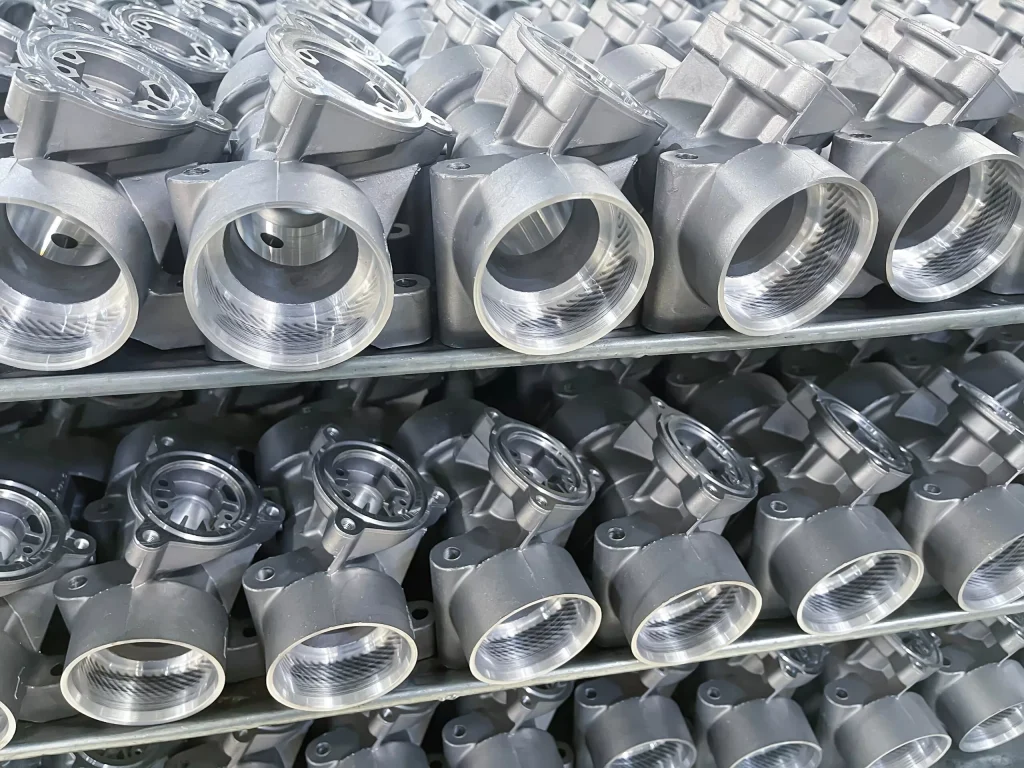
When you need a partner for high volume CNC machining, you cannot afford guesswork. You need a manufacturing supply chain that guarantees consistent quality without slowing down your US operations.
Global Reach, Local US Reliability
Finding the right fit means balancing massive production capacity with seamless, reliable delivery right to your door anywhere in the United States. We bridge that gap by offering serious overseas production muscle while maintaining strict, localized logistics and communication. This setup ensures your supply chain never misses a beat during automated CNC manufacturing.
Evaluating the Equipment Roster
Do not just fall for a slick sales pitch. Always verify a shop’s actual production capabilities before committing to large scale CNC machining. Here is exactly what you should look for on the factory floor:
- Machine Count: Ensure they have dedicated fleets of equipment, like high-speed CNC milling machines, ready to handle continuous, lights-out runs.
- Workforce Size: True high volume production requires a deep bench of skilled machinists and engineers to monitor, program, and maintain the floor.
- Comprehensive Capabilities: Look for a partner with proven CNC precision engineering solutions that demonstrate they can handle the technical demands of high volume CNC machined parts from the initial prototype to the final massive production run.
How MS Machining Supports High-Volume Production at Scale
When you are scaling up production, you need a manufacturing partner with a proven history, not a startup figuring things out as they go. Since 2004, we have extensive experience in producing OEM parts for various industries, delivering consistent results for clients across the globe, from the industrial hubs of Texas to the tech centers of Massachusetts.
Comprehensive Production Facilities
High volume orders require serious infrastructure. We operate within a combined 30,000+ square foot climate-controlled environment designed for stability and efficiency. This isn’t a small job shop; it is a manufacturing powerhouse staffed by over 200 highly-skilled CNC machinists, programmers, and engineers dedicated to keeping your production lines moving.
The Equipment Fleet
To handle high volume CNC machining, you need redundancy and capacity. We have invested heavily in a massive fleet of machines to ensure we never become the bottleneck in your supply chain. Our facility houses:
- 30+ Precision Machining Centers: Capable of handling complex geometries rapidly.
- 30+ Precision CNC Turning Machines: Ideal for producing large runs of cylindrical parts.
- 30+ Punching Machines & 20+ Hydraulic Presses: Supporting diverse fabrication needs beyond standard milling.
- 5+ Laser Welding Machines: For precise assembly and finishing.
End-to-End Quality
Scaling up production volume often introduces the risk of defects, but we mitigate this through rigorous process control. We don’t just cut parts; we verify them. We operate 3 dedicated Quality Control (QC) lines and 3 assembly lines to ensure batch-to-batch uniformity. Whether you need custom CNC machining services for medical devices or heavy equipment, our structured workflow guarantees that the first part and the ten-thousandth part meet the exact same strict tolerances.
FAQs: High Volume CNC Machining
What volume qualifies as high volume CNC machining?
Typically, we consider production runs ranging from 10,000 to over 1,000,000 units to be high volume. At this scale, the continuous automated run time completely offsets the initial setup effort.
How does cost per part decrease with scale?
When you scale up, the fixed upfront costs—like programming, fixturing, and initial tooling—are amortized across thousands of units. This drives massive cost per part reduction and maximizes your material purchasing power.
What technologies improve machining efficiency at high volumes?
Efficiency at scale requires automation. We deploy robotic machine tending, pallet changers, and continuous bar feeders. Utilizing multi-axis CNC turning and milling equipment allows us to complete complex parts in single setups and run lights-out CNC manufacturing operations.
How do manufacturers maintain tight tolerances over large runs?
We guarantee tight tolerance mass production by integrating automated tool wear monitoring, rigid workholding, and continuous in-process inspections directly on the production line to catch tolerance drift before it happens.
Which industries require high volume CNC machining the most?
Critical US supply chains require a constant flow of reliable components. The aerospace, defense, medical device, and automotive sectors rely heavily on large scale CNC machining to meet strict production timelines and compliance standards.
How do I select a reliable high volume CNC machining partner?
Look past the sales pitch and evaluate the actual facility capacity. A dependable partner must have a massive fleet of precision machining centers, dedicated quality control lines, and the engineering workforce needed to handle massive OEM CNC manufacturing contracts without bottlenecks.
What quality controls are critical during mass production?
To guarantee uniform high volume CNC machined parts, strict standard operating procedures are mandatory. We rely on rigorous first-article inspections, routine batch testing, and automated CMM checks to ensure the millionth part is exactly identical to the first.