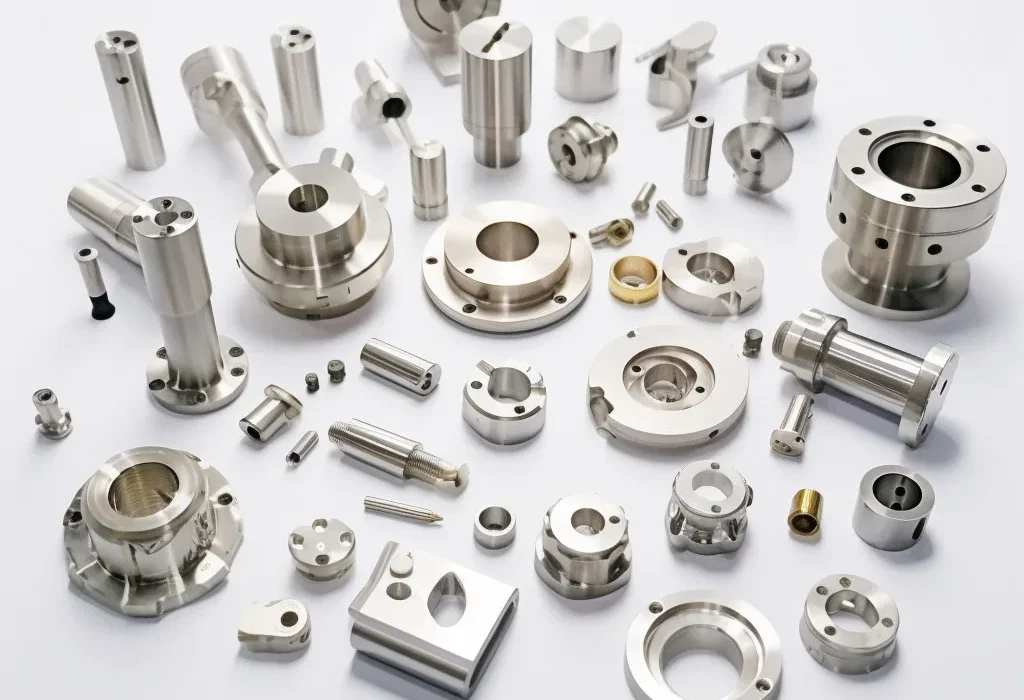
When it comes to critical component machining, precision isn’t just preferred—it’s mandatory. These parts operate under the highest stakes, where failure means safety risks, costly downtime, or regulatory setbacks. Whether it’s ultra-tight tolerances, complex geometries, or compliance with stringent standards like AS9100, mastering the art of precision CNC machining for mission-critical components demands expert execution. In this guide, you’ll discover what defines a critical machined part, why industries like aerospace, defense, and medical rely on these exacting processes, and how partnering with a trusted supplier ensures reliability when it matters most. Let’s get into the essentials of delivering failure-proof components with uncompromising quality.
What Are Critical Machined Components?
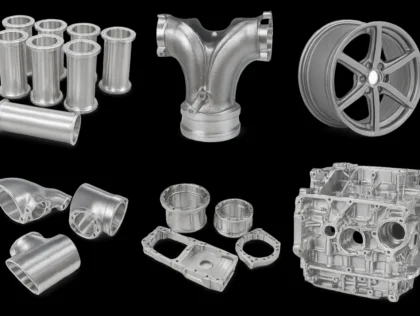
Critical machined components are precision parts that play a direct role in safety, reliability, and mission success. These parts are engineered to ultra-tight tolerances, often within microns, and are designed to withstand extreme operating conditions. Common examples include aerospace machined parts, medical device machining, and defense component manufacturing.
Key Characteristics
| Feature | Critical Components | Non-Critical Parts |
|---|---|---|
| Safety Impact | Direct (failure can be catastrophic) | Indirect or minimal |
| Reliability | Must be failure-proof | Standard reliability |
| Tolerance Requirements | Ultra-precision tolerances | Standard tolerances |
| Certification | AS9100, ISO 9001, ITAR, etc. | General ISO or none |
| Operating Conditions | Extreme (heat, pressure, stress) | Moderate |
| Inspection & QA | CMM, laser scanning, full traceability | Visual or basic checks |
Why It Matters
- Mission-critical components are essential for safety and operational integrity.
- Rigorous certifications (AS9100, ISO 9001) ensure compliance and traceability.
- Ultra-tight tolerance machining minimizes risk and maximizes repeatability.
Real-World Comparison
- Critical components: Jet engine blades, surgical implants, defense system housings.
- Non-critical parts: General brackets, covers, low-risk fasteners.
Precision CNC machining is the backbone of critical component manufacturing—ensuring every part meets stringent requirements for quality, performance, and compliance. If your project demands failure-proof components, you need a machining partner with proven expertise in tight tolerance machining and robust quality assurance.
Key Industries Relying on Critical Component Machining

Critical component machining plays a vital role across several demanding industries where failure is simply not an option. Aerospace stands out, requiring flight-critical parts and engine components that meet ultra-precision tolerances to ensure safety and high performance. In the defense and military sector, components like weapons systems and radar housings must withstand extreme conditions and remain reliable under stress.
The medical device industry depends on machined implants and surgical tools that meet rigorous quality standards for patient safety. Meanwhile, oil & gas and energy companies rely on critical parts such as downhole tools and valves that handle harsh environments and high pressures.
Other sectors, including semiconductor manufacturing and high-performance automotive, also require precision-machined components that deliver unmatched reliability. Across these applications, common risks involve part failure from fatigue, corrosion, or dimensional errors, which can lead to costly downtime or safety hazards.
For complex industrial parts requiring rotational symmetry, precision CNC turning is essential—see our detailed overview of CNC turning precision parts for more examples of critical, mission-oriented machining techniques.
Core Processes in Critical Component Machining
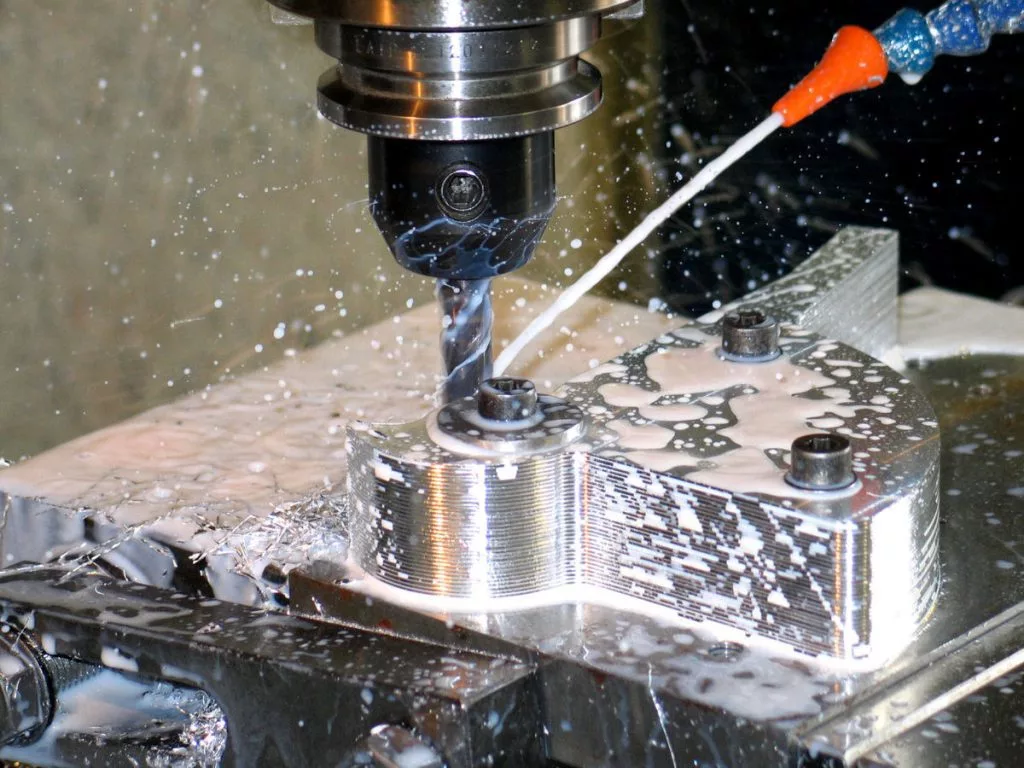
Critical component machining relies on precise and advanced manufacturing processes to meet ultra-tight tolerances and complex specifications. Key techniques include:
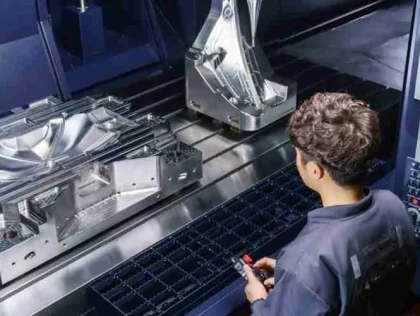
- CNC milling: Using 3 to 5-axis CNC milling machines allows for machining complex geometries with great accuracy. This process is essential for producing intricate aerospace machined parts and medical device machining where detail matters.
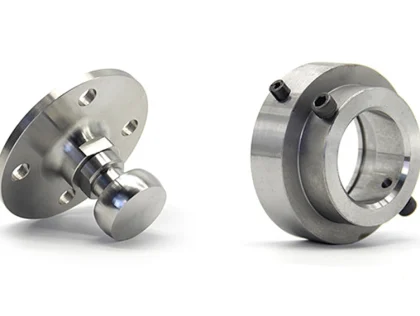
- CNC turning: Ideal for rotationally symmetric parts, CNC turning provides consistent precision and surface finish. It’s commonly used in defense component manufacturing and high-performance alloy machining, ensuring components meet strict dimensional requirements.
- EDM and wire EDM: Electrical discharge machining (EDM) and wire EDM handle hard and tough materials like superalloys and titanium, enabling precise shaping without altering the material’s integrity.
- Grinding: For ultra-precision tolerances and superior surface finishes, grinding is a must. It helps meet tight tolerance machining standards and enhances the longevity and performance of mission-critical components.
- Multi-axis machining and integrated operations: Combining these techniques in a streamlined process minimizes errors and reduces handling time. It supports complex geometry machining and custom critical parts manufacturing with consistent quality.
This blend of technologies ensures the highest precision standards are met, making these processes essential for failure-proof components in sectors demanding the utmost reliability.
For a deeper dive on CNC turning tools and capabilities, check out our detailed guide on CNC lathe turning tools.
Materials Commonly Used for Critical Component Machining
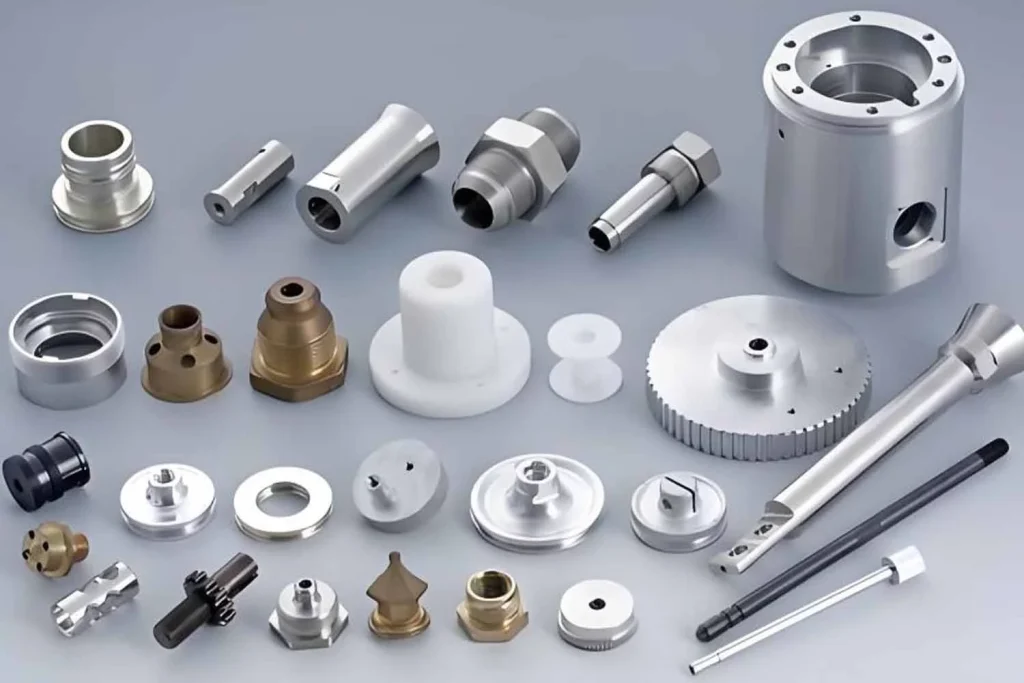
When it comes to critical component machining, material choice is everything. The right material means reliability and performance, even under the toughest conditions.
High-Strength Alloys:
- Titanium: Lightweight, super strong, and resists corrosion—ideal for aerospace machined parts and medical device machining.
- Inconel: Handles extreme heat and pressure, making it a top pick for mission-critical components in jet engines and energy sectors.
- Stainless Steels: Delivers strength and corrosion resistance for defense component manufacturing and custom critical parts.
Exotic and Superalloys:
- These materials, including advanced nickel-based alloys, are engineered for ultra-high heat and chemical resistance. They’re common in oil & gas or high-performance automotive applications.
Why These Materials?
- Machinability: Some alloys are tough on tools and require advanced techniques like CNC milling and turning or EDM to get ultra-precision tolerances.
- Thermal Stability: Materials must hold up to rapid temperature swings without warping or losing strength.
- Post-Processing: Many critical parts need special heat treatments or coatings after machining to meet tight tolerance machining and surface finish specs.
Choosing the right material is step one in making failure-proof components. That’s why working with a shop experienced in high-performance alloys machining is a must for US manufacturers.
Essential Requirements: Tolerances, GD&T, and Surface Finishes
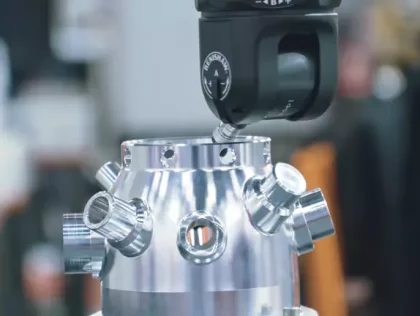
When machining critical components, ultra-tight tolerances are non-negotiable. These ensure every part fits perfectly and functions reliably in high-stakes applications. Verification methods like Coordinate Measuring Machines (CMM) and laser scanning are standard to confirm accuracy during and after production.
Key Points on Tolerances and GD&T
| Requirement | Details |
|---|---|
| Ultra-tight tolerances | Often in the range of microns to guarantee precision |
| Verification methods | CMM, optical comparators, laser scanning to validate |
| GD&T standards | Controls form, fit, and function; critical for part interchangeability |
| Surface finish standards | Measured using Ra values; impacts fatigue resistance and wear |
| Performance impact | Better surface finish reduces friction and extends life |
| Balance | Precision must meet function yet remain manufacturable |
Choosing the right Geometric Dimensioning and Tolerancing (GD&T) standards aligns machining processes with design intent, reducing guesswork and ensuring every feature matches strict engineering specifications.
Surface finish requirements often specify Ra values—measuring roughness—as a smooth surface can mean better fatigue strength and less risk of failure in critical parts. However, tighter finishes raise costs and machining time, so balancing precision and manufacturability is key.
For those interested in complex part shapes with tight tolerance demands, exploring advanced fast CNC machining techniques can help meet these strict criteria efficiently.
Quality Assurance and Inspection in Critical Component Machining
For critical component machining, quality assurance isn’t just a box to check—it’s the backbone of the entire process. Every mission-critical part goes through strict in-process and final inspections, using advanced tools like CMMs (coordinate measuring machines), laser scanning, and optical comparators. These methods catch even the smallest deviations from ultra-precision tolerances, making sure each part meets tight specs.
Certifications matter just as much. Top-tier shops are AS9100 certified for aerospace machined parts, ISO 9001 for general quality systems, and ITAR compliant for defense component manufacturing. This gives you peace of mind that your parts are handled with the highest standards.
Traceability is key, too. Every batch needs material certifications, full digital inspection reports, and documented process steps. That way, you know exactly where your part came from and how it was made. If you need parts with advanced material traceability—like nickel alloy castings with complete certification—it’s important to work with a partner who can provide that level of detail. This focus on quality and documentation is what keeps failure-proof components in play for aerospace, medical, and high-stakes industries.
Common Challenges and How to Overcome Them
Machining critical components isn’t without its hurdles. Here are some common challenges and practical ways to handle them:
- Material behavior under machining stresses: High-performance alloys like titanium or Inconel can be tough to machine due to their hardness and tendency to work-harden. Understanding how these materials react under stress helps in selecting the right cutting speeds, feeds, and tooling to reduce damage and maintain part integrity.
- Thermal distortion and tool wear: Heat generated during tight tolerance machining can cause parts to warp and tools to dull faster. Using advanced cooling techniques, optimized cutting parameters, and regular tool maintenance helps control thermal effects and keeps surfaces within the specified finish and tolerances.
- Repeatability in production runs: Achieving consistent quality across large batches is critical. This requires stable machining setups, precise fixture designs, and routine calibration of equipment like CNC milling and turning centers to ensure all mission-critical components meet specs every time.
- Design pitfalls and DFM best practices: Design for manufacturability (DFM) is key. Overly complex geometries or unrealistic tolerances can increase costs and risk failure. Collaborating early with machinists can simplify designs, improve material selection, and optimize features for precision CNC machining, minimizing rework and inspection failures.
By addressing these challenges upfront, you can deliver failure-proof components with the tight tolerance machining quality needed for aerospace machined parts, medical device machining, and other high-stakes industries. Mastering these factors is why working with a specialized provider like MS Machining’s CNC metal machining experts offers a real advantage.
Why Partner with a Specialized Provider Like MS Machining
When it comes to critical component machining, partnering with a specialist like MS Machining makes all the difference. Here’s why:
Deep Expertise in Mission-Critical Industries
MS Machining works with demanding sectors—think aerospace, defense, medical devices, and energy. We understand the stakes, so every machined part meets ultra-precision tolerances and strict reliability standards.
Advanced Equipment & Skilled Engineers
Our shop is loaded with advanced CNC milling, turning, and EDM machines. We’ve got engineers who know their way around complex geometry machining and high-performance alloys. If you need tight tolerance machining or custom critical parts, we’ve got the tools and talent.
Robust Quality Assurance & Collaborative Design Reviews
Quality isn’t just a buzzword for us. We run CMM inspection, digital reporting, and traceability checks on every job. Plus, we’re AS9100 certified, so you know your mission-critical components are in good hands. We also work closely with customers, offering collaborative reviews to spot design pitfalls and optimize manufacturability.
Lead Times, Scalability, and Reliability
We know U.S. customers need fast turnarounds and scalable production. MS Machining delivers reliable lead times and flexible volume runs—whether you need a handful of prototypes or thousands of aerospace machined parts.
Ready to tackle your next project? Check out our lathe CNC parts capabilities for even more on how we handle complex, failure-proof components. Partnering with MS Machining means your critical parts are built to last, every time.