

What Is CNC Turning?
CNC turning is a subtractive manufacturing process where a rotating workpiece is shaped by a stationary cutting tool. This method removes material from a cylindrical part to create precise shapes, dimensions, and surface finishes. Unlike CNC milling—where the cutting tool rotates around a fixed workpiece—in CNC turning, it’s the workpiece itself that spins while the tool remains still.
The process has evolved significantly over time. It started with manual lathes, where operators controlled the cutting tools by hand, requiring extensive skill and experience. Today, CNC turning uses computer-controlled lathes, allowing for higher precision, consistency, and automation. This technological evolution enables the production of complex parts with tight tolerances and repeatable quality.
In short, CNC turning is essential for manufacturing precision CNC turned components, especially when working with cylindrical or symmetrical parts like shafts, bushings, and custom CNC turning parts. Its unique setup—spinning the workpiece instead of the tool—makes it ideal for these applications, setting it apart from other machining technologies.
How CNC Turning Works

CNC turning starts with a detailed CAD design of the part to be made. This digital model guides every step of the process. Next, CAM software converts the design into G-code—a set of instructions the CNC lathe uses to control movements and cutting actions precisely.
The workpiece, usually cylindrical, is securely clamped and set to rotate inside the CNC turning center. While the material spins, a stationary cutting tool moves along programmed paths to remove material layer by layer. This controlled subtraction shapes the workpiece into the desired form, whether it’s simple cylindrical parts or complex contours.
Key factors in the CNC turning process include accurate workpiece setup, proper tool alignment, and selecting the right speeds and feeds. These ensure smooth material removal, dimensional accuracy, and optimal surface finish. Using this process, precision CNC turning can produce parts that meet tight tolerances consistently, making it ideal for everything from prototypes to high-volume production runs like custom CNC turning parts. For working with materials like aluminum, leveraging specialized CAM programming helps optimize cutting conditions, enhancing both efficiency and finish quality.
For more on CNC machining services and machining materials, check out our expert CNC engineering services and insights on aluminum alloy die castings to see how we tailor setups for different material types.
Types of CNC Turning Machines
CNC turning machines come in several types, each designed to handle specific machining needs. The two main styles are horizontal vs. vertical turning centers. Horizontal turning centers are the most common, with the workpiece mounted on a horizontal spindle. These are great for cylindrical parts and allow easy loading and unloading. Vertical turning centers hold the workpiece on a vertical axis, which is ideal for larger, heavier pieces that need support during machining.
Within these categories, there are basic CNC lathes that handle simple turning operations and advanced multi-axis turning centers. The multi-axis machines add extra tool stations and axes, letting you perform complex cuts like milling or drilling without moving the part, boosting precision and efficiency.
For ultra-precision work with small, intricate parts, Swiss-type lathes are the go-to. These are designed for high-precision CNC turning of tiny components, often used in medical, aerospace, and electronics industries.
Choosing the right CNC turning machine depends on your project’s size, complexity, and precision demands. Whether you need simple cylindrical parts or detailed custom CNC turning parts, the right machine helps achieve high-precision CNC turning results reliably.
Common CNC Turning Operations
CNC turning offers a variety of key operations that shape cylindrical and symmetrical parts with precision. The most common include:
- External turning: This involves cutting the outer surface of the rotating workpiece and can produce straight, tapered, or contoured shapes depending on the design requirements.
- Facing and parting: Facing squares off the end of the workpiece, while parting cuts it off from the rest of the stock material.
- Internal turning (boring): Enlarges or finishes the inside diameter of a hole, ensuring tight tolerances and smooth finishes.
- Grooving, knurling, and threading: These specialized operations add functional or decorative details. Grooving cuts narrow channels, knurling creates textured patterns for grip, and threading produces screw threads.
- Drilling and tapping on-axis: Many CNC lathes can drill holes and tap threads directly along the rotating axis, reducing setups and improving efficiency.
These CNC turning operations form the backbone of precision CNC turning work, enabling the production of custom CNC turning parts across industries. Whether working with metals like aluminum or stainless steel, or other materials, mastering these processes ensures superior surface finishes and adherence to tight CNC turning tolerances.
For high-quality turned components such as shafts and rods, we often incorporate multi-operation workflows that maximize accuracy and efficiency. You can also learn about how post-processing complements turning by visiting our page on CNC machining investment cast parts postprocessing.
Materials Suitable for CNC Turning
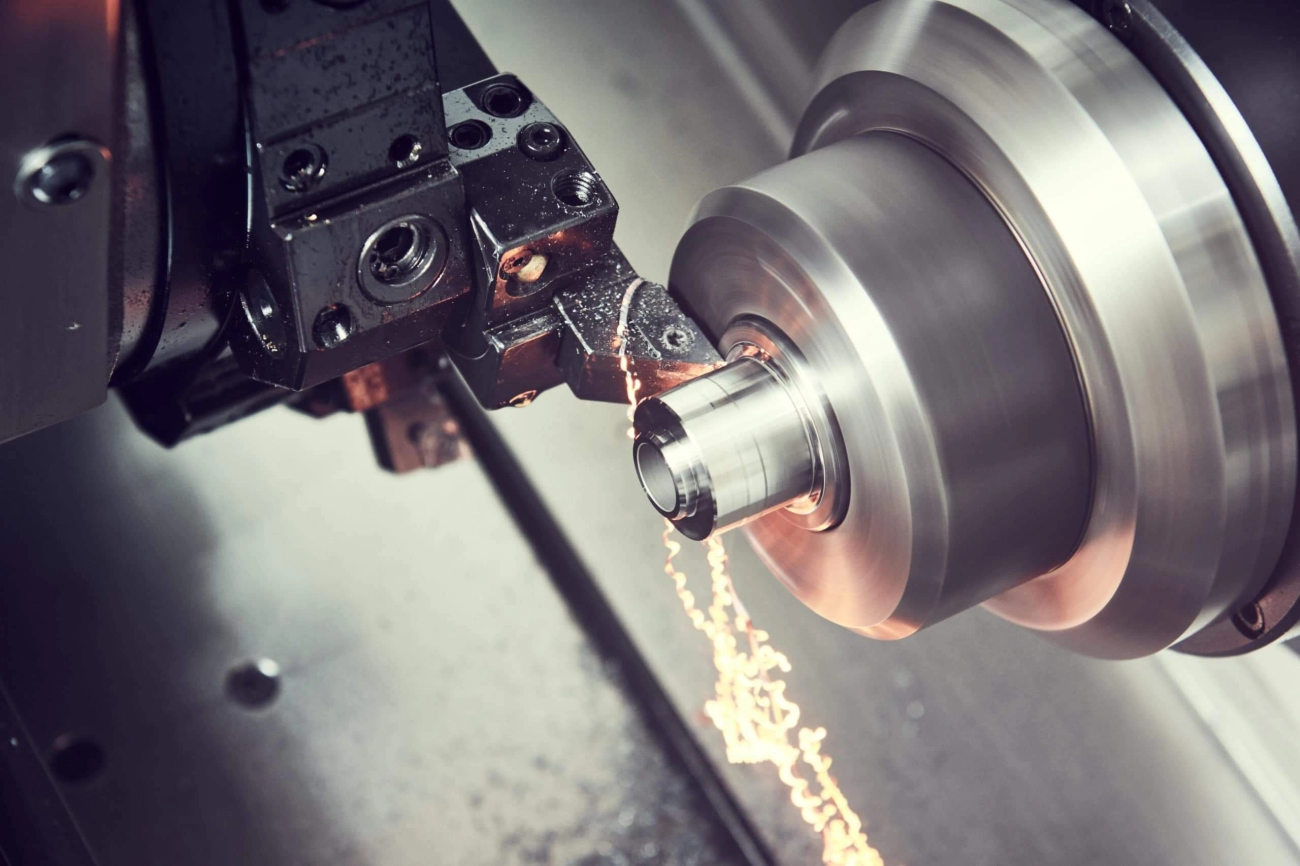
CNC turning works well with a wide range of materials, making it versatile for many industries. Metals like aluminum, steel, stainless steel, brass, and titanium are popular choices for CNC turning parts due to their strength and durability. Aluminum, in particular, is favored for lightweight parts with good machinability, while stainless steel is often selected for applications requiring corrosion resistance and toughness. For more information on metals used in precision machining, check out our guide on machined metal parts materials.
Besides metals, various plastics and composite materials can be CNC turned, offering benefits like reduced weight, corrosion resistance, and electrical insulation. When choosing materials for CNC turning, several factors come into play:
- Machinability: How easily the material can be cut without damaging tools or affecting finish
- Strength: The required durability for the finished part’s function
- Corrosion resistance: Important for parts exposed to harsh environments or chemicals
These considerations help ensure the final CNC turned components meet performance expectations while providing efficient manufacturing. Whether you need CNC turning aluminum parts or high-strength titanium components, picking the right material is key to success.
Advantages of CNC Turning
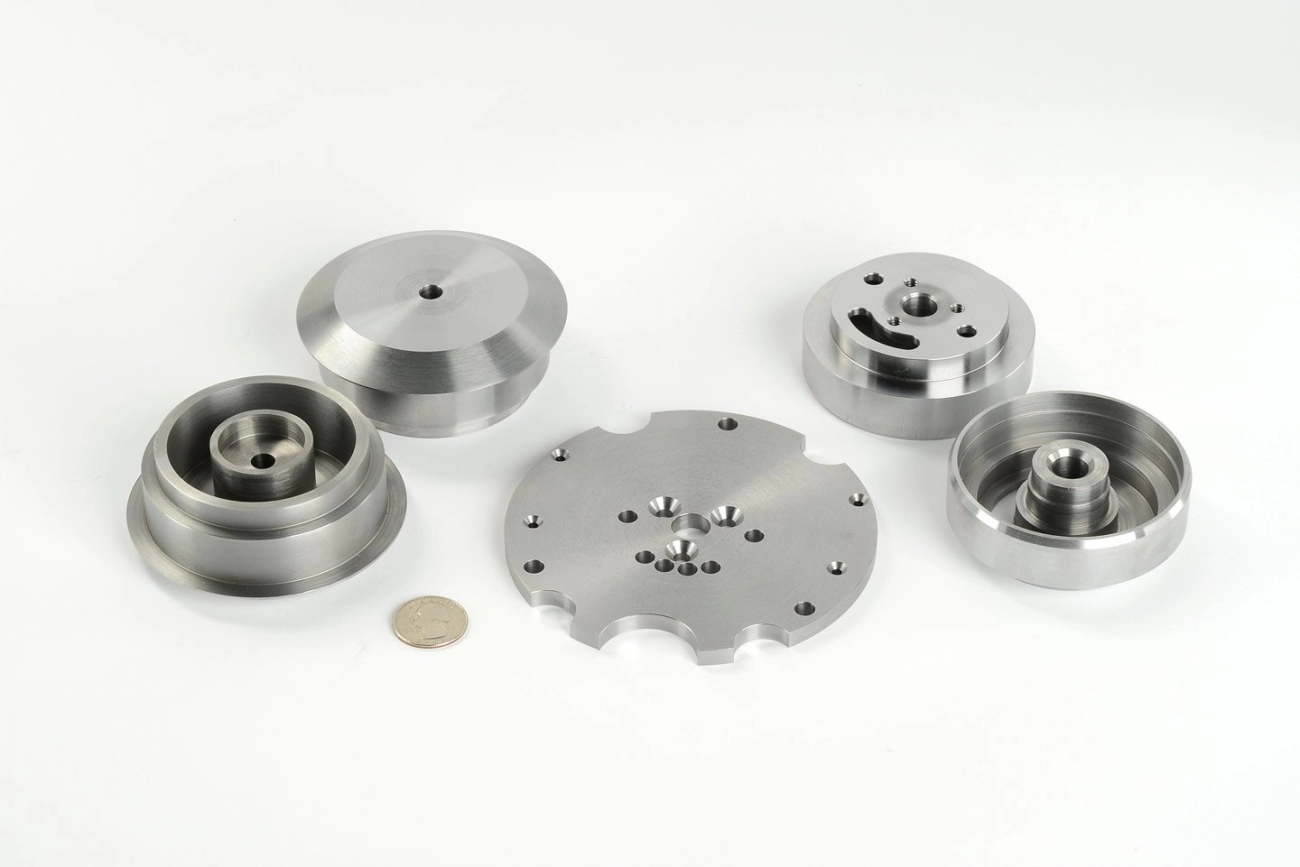
CNC turning offers high precision and tight tolerances, making it ideal for parts that require exact specifications. This precision helps ensure every piece meets strict quality standards, a must-have for industries like aerospace and medical.
Another big plus is the excellent repeatability of CNC turning processes. Once programmed, the machine can produce hundreds or thousands of identical parts without losing accuracy, which makes it perfect for both small runs and high-volume production.
When it comes to surface quality, CNC turning delivers superior surface finishes. Smooth finishes reduce the need for extra polishing or machining, saving time and cost. This is especially important for components like shafts or bushings where surface texture affects performance.
CNC turning is highly efficient for cylindrical and symmetrical parts since the workpiece rotates against a fixed cutting tool. This setup cuts down machining time and increases productivity compared to milling or other methods that require complex tool paths.
Finally, CNC turning can be more cost-effective than other machining methods. It uses less material and requires fewer setups, which lowers labor and material costs. This efficiency, combined with precision, makes CNC turning a smart choice for both prototyping and regular production runs.
For businesses focused on CNC turning aluminum parts or stainless steel components, choosing the right process can optimize both quality and turnaround. To understand how CNC turning compares with other machining techniques, such as milling, you might find useful insights in our detailed guide to CNC milling services. Also, check how proper finishing enhances parts with stainless steel polishing services.
Applications of CNC Turning
CNC turning is widely used across various industries where precision and consistency are crucial. In aerospace, it produces shafts, bushings, and fittings that meet strict safety and performance standards. The automotive sector relies on CNC turning for engine components, pistons, and other critical parts that demand tight tolerances and durability. In the medical field, CNC turning crafts implants and surgical instruments requiring high-precision CNC turning to ensure reliability and patient safety.
Beyond these, general industry benefits from CNC turning for custom fasteners, valves, rollers, and other cylindrical components. MS Machining specializes in delivering custom CNC turning parts tailored to your exact specifications, from prototypes to high-volume production runs. Whether it’s machining complex stainless steel or lightweight aluminum parts, our experienced team ensures quality and precision every time.
For companies looking for top-tier CNC turning aluminum parts or other specialized materials, MS Machining’s custom CNC machining services offer the expertise and advanced equipment necessary to meet demanding industry standards. Explore our capabilities to see how we can help bring your precision CNC turning projects to life.
CNC Turning vs. Other Machining Processes
When it comes to CNC turning compared to other machining processes like CNC milling, there are clear differences that help determine the best choice for your project.
| Feature | CNC Turning | CNC Milling |
|---|---|---|
| Workpiece Movement | Workpiece rotates | Cutting tool rotates |
| Best for | Cylindrical, symmetrical parts | Complex shapes, flat surfaces |
| Precision Level | High precision on round parts | High precision on intricate details |
| Typical Operations | Turning, facing, threading | Milling, drilling, cutting slots |
| Setup Complexity | Usually simpler setups | More complex toolpaths |
When to Choose CNC Turning
- Cylindrical parts like shafts, pins, and bushings
- High-volume production requiring consistent, repeatable parts
- When you need tight tolerances and smooth surface finishes on round components
- Projects focused on external or internal turning operations
Hybrid Approaches with Multi-Tasking Machines
Some advanced CNC turning centers combine milling capabilities, allowing multi-axis machining on a single machine. These hybrid machines are great when parts require both turning and milling features, reducing setups and lead times.
For instance, using a hybrid multi-axis turning center means you can machine complex parts in one go, ensuring better precision and faster turnaround—perfect for custom CNC turning parts with intricate features.
If you want to dive deeper into combining manufacturing methods for prototype development, check out our guide on how to create a prototype which covers integrating different CNC machining techniques.
Choosing the right process depends on your part’s shape, volume, and precision needs. CNC turning is unbeatable for cylindrical parts, while milling shines with complex geometries. Hybrid machines now offer the best of both worlds for many applications.
Achieving High-Quality Results in CNC Turning
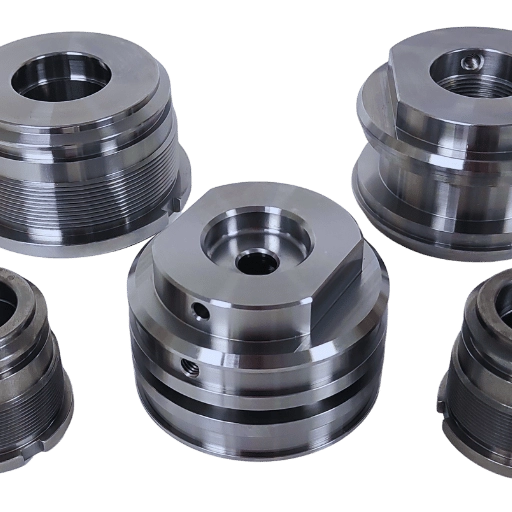
Getting top-notch results in precision CNC turning starts with choosing the right tooling and optimizing speeds and feeds for the material at hand. Proper tooling ensures clean cuts and prevents premature wear, while the right speed and feed settings help maintain tight CNC turning tolerances and extend tool life.
Surface finishing plays a big role in the final quality of CNC turned components. Common finishing options include polishing for smoothness, anodizing for corrosion resistance and color, and plating to enhance surface durability. These treatments not only improve aesthetics but also boost part performance.
On the quality control front, consistent inspections are crucial. This means checking parts against specified tolerances using precision measuring tools. Certifications and thorough documentation give you added confidence that every batch meets your exact requirements. This attention to detail is what sets high-precision CNC turning apart from basic machining.
For comprehensive quality and precision in custom CNC turning parts, partnering with a provider experienced in advanced finishing and quality processes makes all the difference.
Why Choose MS Machining for CNC Turning Services?
When it comes to precision CNC turning and custom CNC turning parts, MS Machining stands out in the U.S. market. Here’s why working with us is your best choice:
| Advantage | What It Means for You |
|---|---|
| Expertise in Precision | Skilled operators ensure tight tolerances and quality. |
| State-of-the-Art Equipment | Advanced CNC turning centers handle both prototypes and large runs efficiently. |
| Fast Turnaround | Quick production schedules meet your deadlines. |
| Quality Commitment | Every part undergoes strict inspections for consistency. |
| Excellent Customer Support | We’re responsive and easy to work with from start to finish. |
Our team knows how to deliver high-precision CNC turning with smooth surface finishes on metals like aluminum, stainless steel, and more. Whether you need simple cylindrical parts or complex custom components, we tailor our CNC turning process to meet your specs exactly.
Get in touch with MS Machining for reliable and efficient CNC lathe machining services that keep your projects on track with top quality. Check out our full range of CNC turning services to see how we can help you achieve unmatched precision.