
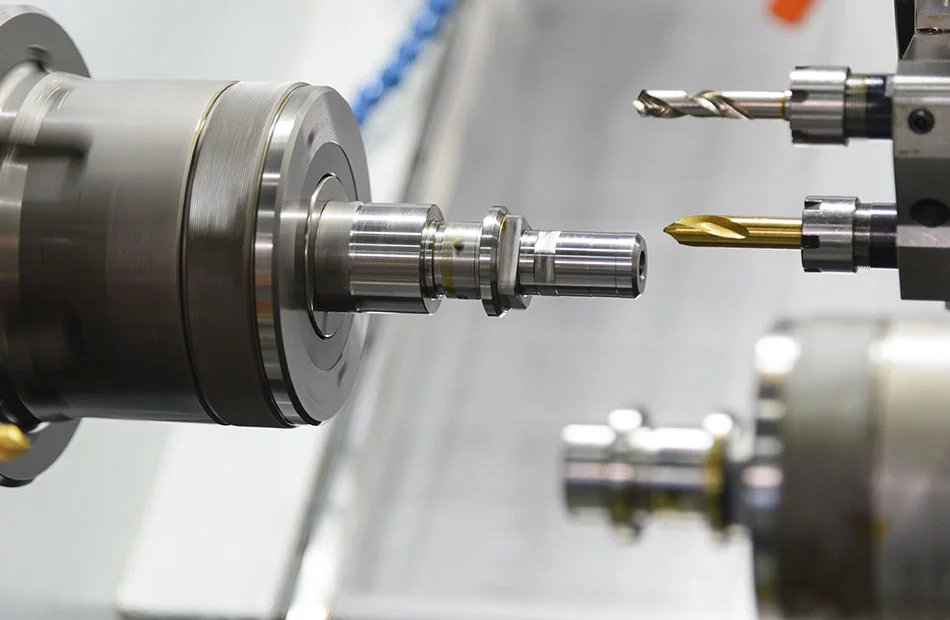
What Is CNC Screw Machining?
CNC screw machining is a computer-controlled turning process designed for creating precise cylindrical parts. Using specialized lathes, such as Swiss-type machines, this method feeds bar stock through a guide bushing while multiple tools work simultaneously to shape components with exceptional accuracy. It’s ideal for producing small, intricate parts like screws, shafts, and pins—often used in industries demanding tight tolerances and flawless finishes.
The roots of CNC screw machining stretch back to Swiss watchmaking in the 19th century, where manual screw machines crafted tiny, precise components for timepieces. Over time, this traditional technique evolved with digital controls, giving rise to CNC Swiss turning. This automation allows for faster production, tighter consistency, and more complex geometries than ever before.
Unlike standard CNC turning, which typically handles larger or simpler parts on basic lathes, CNC screw machining excels at high-volume manufacturing of small-diameter, complex pieces. It combines precise multi-axis control with advanced features like sliding headstocks and live tooling, setting it apart as a specialty process focused on efficiency, precision, and repeatability.
How CNC Screw Machining Works
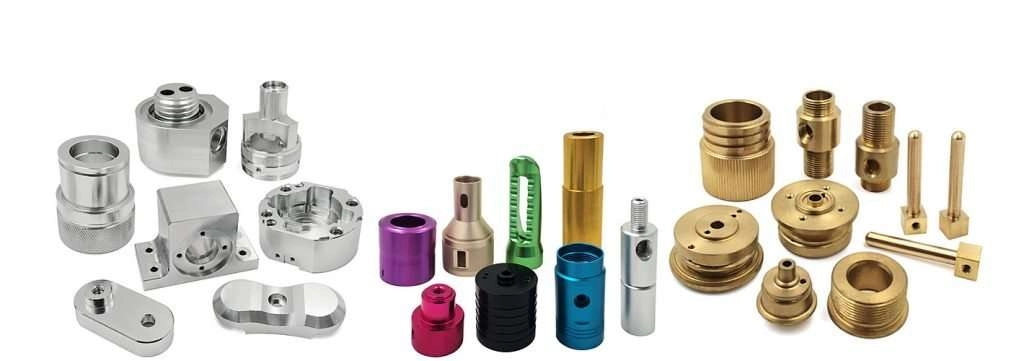
CNC screw machining starts with feeding bar stock into the machine, supported by a guide bushing that keeps the material steady during cutting. This setup allows for high precision, especially on long, slender parts. Multiple tooling operations happen at once—turning, drilling, milling, and tapping can run simultaneously to speed up production. Once the machining is complete, the finished part is automatically ejected.
The real magic lies in CNC controls directing multi-axis movements. These controls manage precise, coordinated actions of the sliding headstock, live tooling, and sub-spindles to handle complex geometries with tight tolerance machining. The sliding headstock moves the bar stock back and forth, while live tooling enables additional cutting actions, and sub-spindles provide secondary operations without manual intervention.
This combination of features makes CNC screw machining ideal for manufacturing precision turned parts efficiently and consistently, especially when working with small diameters or complex designs. For industries like aerospace, these capabilities are essential—see how we support this with our specialized precision machining services.
Types of CNC Screw Machining

There are several types of CNC screw machining, each tailored to specific production needs:
- Swiss-Type (CNC Swiss) Screw Machining is perfect for long, slender, and highly precise parts. Thanks to its guide bushing technology, it reduces deflection during cutting, which means tighter tolerances and better surface finishes. This makes it a favorite for precision turned parts in medical and aerospace fields.
- Multi-Spindle Screw Machining is designed for ultra-high-volume production. Multiple spindles work simultaneously on one bar, completing various operations at once. This dramatically increases output and reduces cycle times, ideal for industries needing lots of small precision components quickly.
- Single-Spindle vs. Multi-Slide Configurations: Single-spindle machines focus on flexible runs and complex parts, while multi-slide machines excel in repetitive production with multiple tools working concurrently. Both have their place depending on part complexity and volume requirements.
Choosing the right CNC screw machining type depends on the part design, volume, and required precision, ensuring optimal efficiency and quality.
For customized precision machining services that accommodate these methods, MS Machining offers expert solutions tailored to both prototype and full production runs.
Advantages of CNC Screw Machining
CNC screw machining offers exceptional precision, achieving tight tolerances as fine as ±0.0002 inches. This level of accuracy is crucial for producing high-quality precision turned parts consistently. It’s especially valuable in industries requiring flawless fits and finishes, such as medical and aerospace components.
The process shines in high-volume efficiency, thanks to minimal setup times and the ability to run unattended or “lights-out” operations. This means parts can be produced around the clock without constant operator oversight, drastically improving throughput and reducing labor costs.
Material waste is also significantly reduced. CNC screw machining often combines multiple operations into one setup, cutting down on secondary processes that add cost and time. This streamlined production translates into cost savings and faster delivery.
Versatility is another key advantage. CNC Swiss turning and multi-spindle CNC machines can handle complex geometries and deliver fine surface finishes that many traditional machining methods struggle to achieve. This makes CNC screw machining ideal for a wide range of applications requiring precision and complexity.
For projects needing reliable precision machining services from start to finish, partnering with experienced providers ensures these advantages are fully realized. Explore how prototype CNC machining can help you get started efficiently.
Common Materials Used in CNC Screw Machining
CNC screw machining works with a wide range of materials, tailored to fit the specific needs of each project.
Metals are the most common choice, including stainless steel, aluminum, brass, titanium, and exotic alloys. These metals offer a good balance of strength, corrosion resistance, and machinability, making them ideal for precision turned parts. For example, stainless steel is widely used in medical screw machining due to its durability and resistance to corrosion. Aluminum and brass provide lightweight options with excellent machinability, often used in electronics and automotive components.
Plastics like Delrin, PEEK, and nylon are also popular for specialized applications where weight reduction, chemical resistance, or electrical insulation is necessary. These materials are common in industries such as aerospace and medical devices, where precision and material performance are critical.
When choosing between metals and plastics, key factors include corrosion resistance, mechanical strength, and how well the material machines on advanced equipment like sliding headstock lathes with live tooling. Picking the right bar stock material is essential to achieving the precision and durability you expect from CNC screw machining.
For those interested in advanced stainless steel applications, exploring the range of steel CNC machining services can provide deeper insight into material options and capabilities.
Applications and Industries Served
CNC screw machining plays a crucial role across many industries thanks to its precision and efficiency. In the medical and dental field, it’s used to create implants, bone screws, and surgical instruments where tight tolerance machining and biocompatible materials are essential. The aerospace industry relies on CNC Swiss turning for producing pins, connectors, and fasteners that meet strict quality and safety standards.
In the automotive sector, CNC screw machining delivers precise shafts, valves, and fuel system components that improve engine performance and durability. The electronics industry benefits from this process by manufacturing connectors, terminals, and housings with fine detail and consistent quality.
Other sectors like hydraulics, firearms, and consumer goods also depend on these precision turned parts to achieve reliable, high-volume screw machining results. For example, precision shafts and rods often fall under these categories, which you can learn more about through our page on shafts, rods, and mandrels.
This versatility makes CNC screw machining a go-to solution for a wide range of demanding manufacturing needs.
CNC Screw Machining vs. Other Precision Methods
When comparing CNC screw machining to traditional cam-driven screw machines, CNC offers far greater flexibility and precision. Traditional machines rely on mechanical cams for tool movement, which limits the complexity and quick changeover of parts. CNC screw machining uses computer controls, allowing for faster setups and the ability to program multiple tools for complex parts without physical cam changes.
Compared to standard CNC lathes, CNC screw machining excels in producing small-diameter, long, slender parts with tight tolerances, especially in high-volume runs. The sliding headstock and guide bushing in CNC screw machines reduce deflection and improve finish on delicate parts — something regular lathes often struggle with at this scale.
When to Choose CNC Screw Machining Over Milling or 3D Printing:
| Situation | CNC Screw Machining | Milling | 3D Printing |
|---|---|---|---|
| Small-diameter, high precision | ✔ Ideal for long, slender parts | Less efficient for tiny diameters | Good for prototypes, less for volume |
| Volume runs | ✔ High-volume, lights-out capable | Slower, more manual | Slow, best for low volume |
| Material variety | ✔ Wide range (metals & plastics) | Good but limited for very small | Limited by printable materials |
| Surface finish & tolerance | ✔ Excellent finish and tight tolerances (±0.0002″) | Requires post-processing | Often rough finish, less precise |
| Complexity with multi-tool ops | ✔ Simultaneous multi-axis operations | Possible but slower | Limited multi-material options |
For high-volume small parts like medical screws or electronics connectors, CNC screw machining typically outperforms milling and 3D printing in speed and cost. While 3D printing is great for rapid prototyping and complex geometries, it can’t match the finish and tolerance levels CNC screw machining offers on turned components.
If you need precision turned parts made with speed and repeatability, CNC screw machining is often the best fit. For customized precision machining services tailored to production needs, working with a trusted partner like MS Machining can ensure you get the best mix of quality and efficiency.
Quality Control and Certifications in CNC Screw Machining
Maintaining top quality is critical in CNC screw machining, especially when tight tolerance machining is required. That’s why adherence to leading ISO standards like ISO 9001 for general quality management and ISO 13485 for medical device manufacturing is essential. These certifications ensure processes meet strict guidelines to produce highly reliable precision turned parts consistently.
Inspection techniques play a big role in quality control during CNC Swiss turning. In-process monitoring helps catch errors early, while advanced measurement tools like coordinate measuring machines (CMM) verify every dimension against specifications. Statistical process control (SPC) is also used to track variations and maintain consistent output across high-volume screw machining runs.
At MS Machining, we combine these industry-leading quality practices with cutting-edge equipment and expert craftsmanship to deliver consistent, high-quality results. Whether working on aerospace precision parts, medical screw machining, or other complex components, our precision machining services guarantee accuracy and dependability you can trust. For specialized applications, explore our full range of CNC engineering services designed to meet demanding quality standards with efficiency and precision.
Choosing a CNC Screw Machining Partner
Picking the right CNC screw machining partner is key to getting precision turned parts on time and on budget. Here’s what to consider:
| Factor | What to Look For |
|---|---|
| Equipment Capabilities | Advanced CNC Swiss turning machines, sliding headstock lathes, and multi-spindle setups for complex parts and high-volume runs. |
| Experience | Proven track record with a variety of materials and industries, including medical and aerospace precision parts. |
| Turnaround Times | Fast, reliable delivery that meets your production schedules with options for lights-out machining. |
| Custom Solutions | Flexibility to handle prototypes and scale to full production with tight tolerance machining (±0.0002 inches). |
Partnering with specialists like MS Machining means you get expert precision machining services designed to handle everything from initial prototypes to large-scale manufacturing. Their experience with high-volume screw machining and guide bushing technology ensures consistent quality and efficiency.
If you want steady results with less waste and tight control on specs, partnering with a skilled CNC screw machining company makes all the difference.
For an overview of other precision machining services that complement screw machining, check out MS Machining’s detailed guide on what is a CNC milling machine. This helps you understand how different methods fit into your production needs.