
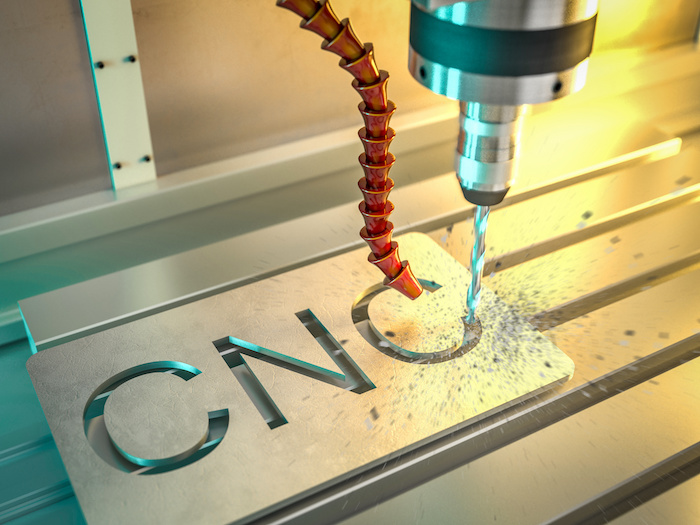
What Is CNC Production Machining?
CNC production machining is a computer-controlled subtractive manufacturing process designed for producing high volumes of precision parts quickly and consistently. Unlike traditional manual machining, CNC (Computer Numerical Control) uses automated machines to cut and shape raw materials into complex components with tight tolerances. This automation makes it ideal for repeatable, high-volume output where accuracy and efficiency are critical.
Over the years, CNC machining has evolved from basic two-axis setups to sophisticated multi-axis CNC milling and turning centers. These advanced systems can handle complex geometries and intricate designs that were once impossible or too time-consuming with manual methods. This evolution has transformed manufacturing by enabling:
- Consistent quality across large production runs
- Tight tolerance machining that meets exact specifications
- Faster, scalable production for industries demanding precision, such as aerospace and automotive.
At its core, CNC production machining ensures every part matches the design exactly, reducing waste and rework. This results in reliable, high-precision components ready for mass production needs in the U.S. market and beyond.
The CNC Production Machining Process
The CNC production machining process follows a clear, step-by-step workflow designed for efficient, high-volume manufacturing with tight tolerances.
Step 1: Design and CAD/CAM Programming
Everything begins with a precise design, typically created using CAD (Computer-Aided Design) software. This digital model is then translated into machine instructions through CAM (Computer-Aided Manufacturing) programming. This step defines the tool paths and machining strategies for complex geometry machining and ensures the parts meet exact specifications.
Step 2: Material Selection and Preparation
Choosing the right material is crucial. Metals like aluminum, stainless steel, titanium, and brass are common, alongside plastics such as acetal or PEEK for specialized uses. Material selection depends on factors like strength, machinability, and corrosion resistance. Preparing the raw stock to fit machine requirements is part of this stage.
Step 3: Machine Setup and Tooling
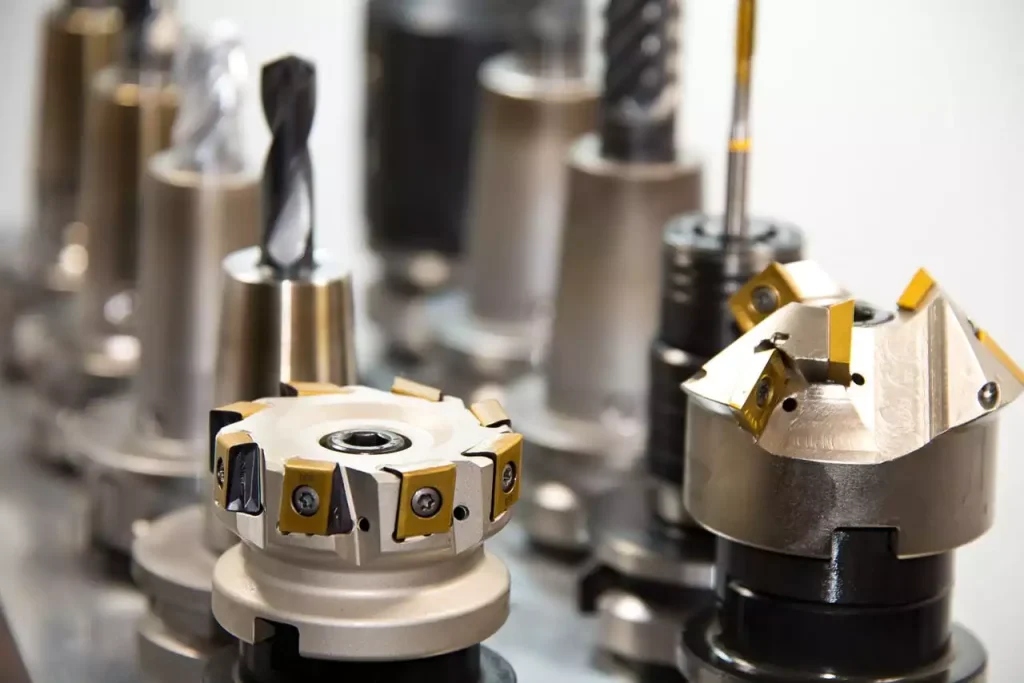
Next, operators set up CNC mills, lathes, or mill-turn centers needed for the job. Tooling options vary from cutting tools to automated tool changers, optimized for efficient production runs. Proper setup ensures smooth operations whether it’s precision CNC turning or multi-axis CNC milling.
Step 4: Automated Machining Operations
Once running, CNC machines operate under full automation, removing material layer by layer with high precision. Automated CNC production minimizes human error and boosts repeatability, meeting production-run tolerances even for intricate parts.
Step 5: In-Process Monitoring and Finishing
Throughout machining, in-process monitoring tools track performance and detect abnormalities early. After machining, finishing touches such as deburring and surface treatments prepare parts for use, enhancing durability.
Step 6: Quality Inspection and Post-Processing
The final parts undergo rigorous quality inspection to verify dimensions and tolerances. Post-processing steps may include additional machining, assembly, or cleaning. These strict controls uphold consistent quality expected in mass production machining environments.
By following these steps, CNC production machining delivers reliable, scalable manufacturing capable of producing complex, high-precision components with consistent quality.
For an in-depth look at advanced CNC setups, including multi-axis machining options, explore our guide on what is a 5-axis CNC machine.
Key Advantages of CNC Production Machining
CNC production machining offers several benefits that make it the go-to solution for high-volume manufacturing with tight tolerance machining and complex geometries.
Superior Precision and Repeatability
- Maintains exact measurements across thousands of parts
- Ideal for complex geometry machining requiring consistent quality
- Reduces errors common in manual machining
Cost Efficiency in High-Volume Runs
- Automated CNC production cuts down labor costs
- Less material waste thanks to precise tool paths
- Efficient use of raw materials lowers overall expenses
Faster Production Cycles and Scalability
- Multi-axis CNC milling and turning speeds up machining operations
- Quickly adapts to changes in design or volume without large delays
- Enables scalable CNC manufacturing for growing demand
Enhanced Material Versatility and Durability
- Handles metals like aluminum, stainless steel, titanium, and brass
- Capable of machining engineering plastics such as PEEK and nylon
- Produces durable, high-precision components suitable for rigorous use
Comparison to Alternative Methods
| Feature | CNC Production Machining | Injection Molding | Manual Machining |
|---|---|---|---|
| Precision | High (tight tolerances) | Moderate to High (dependent on mold) | Variable (depends on operator) |
| Volume Efficiency | Excellent for medium to high | Best for very high volume | Low to medium |
| Material Versatility | Broad (metals & plastics) | Limited to moldable materials | Broad |
| Setup Cost | Moderate | High (mold tooling costs) | Low |
| Lead Time | Short to moderate | Longer setup but faster after | Longer per part |
While injection molding is great for very large runs of plastic parts, CNC production machining provides faster turnaround and more flexibility, especially for metal components and complex shapes. Manual machining, on the other hand, can’t match CNC’s precision or scale but still holds value for prototypes or very small quantities.
For those looking for reliable, high-precision CNC production machining services, especially for complex parts, exploring experienced providers with multi-axis mill-turn centers is essential. To see how CNC machining fits within high-precision industrial applications, including aerospace and automotive industries, check out our detailed overview on CNC machining for aircraft industry.
Common Machines and Technologies in CNC Production Machining
High-volume CNC production machining relies on advanced machines and technologies to deliver precision and efficiency. Multi-axis CNC mills and lathes are essential for creating complex geometries with tight tolerance machining. These systems allow simultaneous movement along several axes, making them ideal for producing high-precision components quickly and consistently.
Swiss-style turning machines are another key technology, especially valuable for intricate parts that require very fine detail and excellent repeatability. These machines handle small, complex components used in industries like medical devices and electronics.
To keep production running smoothly, automated tool changers and pallet systems minimize downtime by quickly switching tools and workpieces without manual intervention. This automation boosts productivity and supports scalable CNC manufacturing.
Additionally, the integration of robotics enables lights-out manufacturing, where machines operate unattended during off-hours. This not only increases throughput but also reduces labor costs, making CNC turning production and milling more cost-effective for large runs.
For a deeper look at the basics behind CNC milling, check out this overview of what is CNC milling.
Materials Used in High-Volume CNC Production
In high-volume CNC production machining, the choice of materials plays a critical role in meeting performance and cost targets. Metals like aluminum, stainless steel, titanium, and brass are popular for their strength, durability, and machinability. Aluminum, for example, is lightweight and corrosion-resistant, making it ideal for automotive and aerospace parts. Stainless steel offers excellent wear resistance and toughness, while titanium stands out for its high strength-to-weight ratio and corrosion resistance in demanding medical and aerospace applications. Brass is often selected for its excellent machinability and electrical conductivity.
On the plastics side, materials such as acetal (POM), nylon, and PEEK are used when components require chemical resistance, low friction, or high-performance thermal properties. These plastics suit specialized CNC machining for parts in electronics, medical devices, and other industries where metal might be overkill or incompatible.
When selecting materials in CNC production machining, key factors to weigh include:
- Strength requirements based on application stress
- Corrosion resistance for environmental exposure
- Machinability to optimize cycle times and tool life
- Cost-effectiveness for large production runs
This careful balance ensures consistent, high-precision outcomes across thousands of parts, fitting the exact needs of US industries ranging from automotive to medical. For more on precision CNC processes, check out our detailed guide on CNC precision machining.
Industry Applications of CNC Production Machining
CNC production machining plays a critical role across many industries in the U.S., delivering high-precision components with tight tolerance machining and consistent quality.
- Automotive: Precision CNC production machining is vital for engine components, transmission parts, and brake systems that demand durability and exact fit for safety and performance.
- Aerospace: High-volume CNC machining produces complex structural elements and turbine parts where repeatability and reliability are non-negotiable for flight safety.
- Medical Devices: Implants, surgical instruments, and other medical components require the highest level of precision and biocompatible materials, making CNC production machining indispensable.
- Electronics and Consumer Goods: Custom machined parts like enclosures and connectors are produced with multi-axis CNC milling to meet the exacting standards of modern electronic devices.
- Industrial Equipment: From custom gears to durable housings, CNC turning production supports the manufacturing of robust components needed in heavy machinery and industrial applications.
Choosing CNC production machining ensures scalable manufacturing with consistent quality for these demanding fields, supported by advanced technologies that handle complex geometry machining efficiently. For example, specialized milling setups can boost performance similar to how impeller polishing enhances fluid system efficiency.
Whether you need custom CNC machining for automotive parts or high-precision components for aerospace, CNC production machining provides the reliability and precision required across industries.
Quality Control and Standards in Production Runs
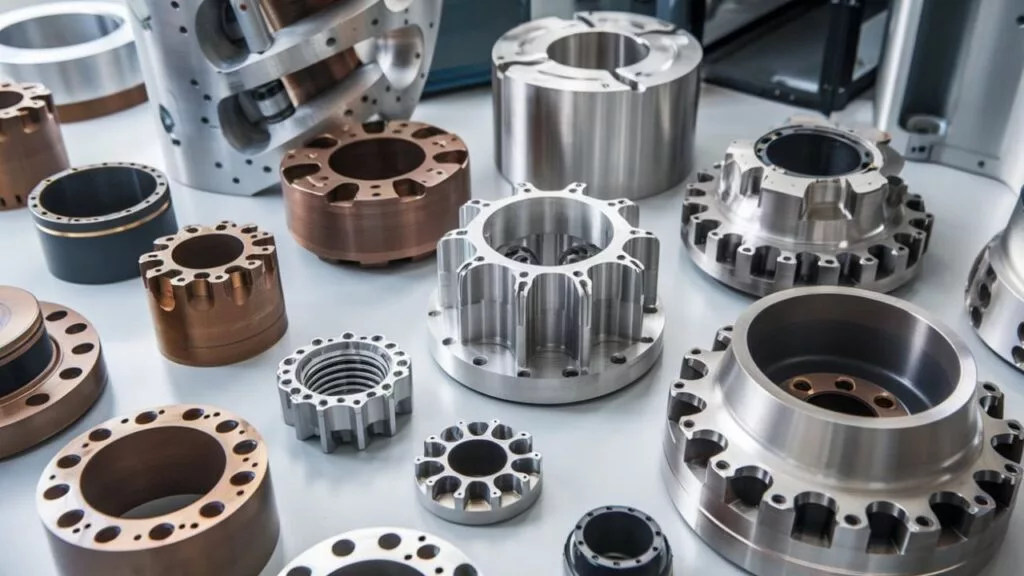
In CNC production machining, maintaining strict quality control is essential to meet tight tolerance machining requirements. Achieving precise tolerances consistently relies on advanced measurement techniques such as coordinate measuring machines (CMM), laser scanning, and in-process probing. These tools help ensure every custom machined part matches the exact specifications, which is critical for high-volume CNC machining projects.
Certifications like ISO 9001 and AS9100 demonstrate a commitment to quality management, while ITAR compliance ensures that production runs meet the regulatory standards required for aerospace and defense components. These certifications build trust and are often mandatory in industries where safety and reliability matter.
Defect prevention also plays a key role in delivering reliable, high-precision components. Automated inspection systems and ongoing process monitoring detect issues early, reducing scrap and rework. This focus on quality helps manufacturers maintain consistent output and supports the scalable CNC manufacturing needed for mass production machining.
For example, our expertise in manufacturing components of stainless steel shows how adhering to rigorous quality standards and advanced inspection methods results in superior product durability and performance.
Choosing a CNC Production Machining Partner
Picking the right partner for CNC production machining is crucial, especially when scaling from prototyping to full production runs. Look for a provider with proven capacity for high-volume CNC machining and strong expertise in handling complex parts and tight tolerances. Fast, reliable lead times are essential to keep your projects on schedule without sacrificing quality.
At MS Machining, we specialize in delivering high-precision production machining with consistent quality across large batch sizes. Our advanced equipment and skilled team ensure smooth transitions from custom CNC machining for prototypes to scalable CNC manufacturing for mass production. This means you get superior repeatability, less waste, and quicker turnaround times—all critical for staying competitive in industries like automotive, aerospace, and medical devices.
If you want to understand more about the kinds of multi-axis CNC milling machines that power our production lines, check out our detailed guide on the best 5-axis CNC machine. Partnering with MS Machining means you’re backed by a dedicated industrial CNC services provider focused on reliable, cost-effective, and precise production runs.