
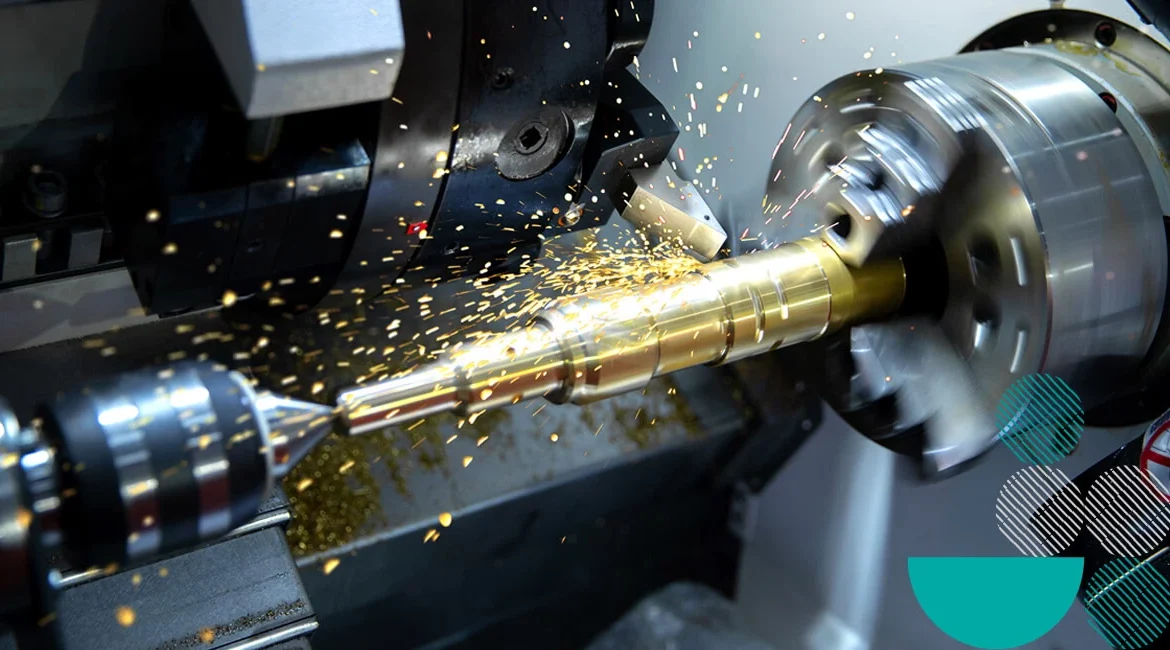
CNC precision machining is a game changer in modern manufacturing. Whether you’re in aerospace, automotive, or medical industries, this technology is indispensable for creating high-quality, intricate parts that require exacting tolerances. In this guide, we’ll take a deep dive into CNC precision machining, discussing everything from CNC milling machines to 5-axis CNC machines, essential materials, and common challenges. By the end, you’ll have a comprehensive understanding of how CNC machining works and why it’s so important for today’s high-precision manufacturing needs.
1. What Is CNC Precision Machining?
CNC, or Computer Numerical Control, is a technology that uses computers to control machine tools for cutting, drilling, turning, milling, and other machining processes. CNC precision machining refers to the use of these advanced, automated machines to create parts with incredibly tight tolerances and complex shapes. Unlike traditional manual machining, which is dependent on human skill and intuition, CNC machining ensures that every part is produced to exact specifications.
This process is used in a wide variety of industries, including aerospace, automotive, medical devices, electronics, and more. What sets CNC precision machining apart is its ability to create high-precision parts in a repeatable and consistent manner, making it ideal for mass production and industries that require stringent quality standards.
2. CNC Milling Machine: Key Features and Benefits
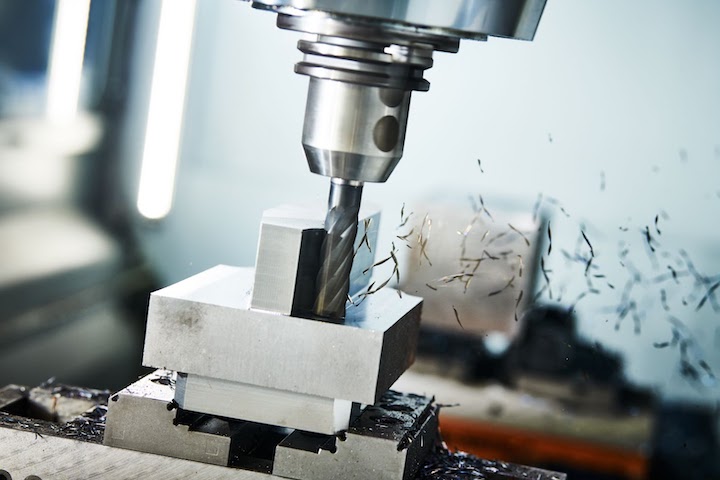
When it comes to CNC precision machining, the CNC milling machine is one of the most commonly used machines. A CNC milling machine uses a rotating cutting tool to remove material from a workpiece, creating various shapes, holes, and features. What makes CNC milling so powerful is its flexibility and the wide range of operations it can perform.
A CNC milling machine can create parts with high precision, often within thousandths of an inch. The machine’s ability to move in multiple axes allows it to perform complex cuts, shapes, and contours. CNC milling machines are commonly used to manufacture parts for industries such as automotive, medical, and electronics, where precision and repeatability are crucial.
One of the biggest advantages of CNC milling is its versatility. Whether you’re creating a simple flat surface or intricate geometric designs, a CNC milling machine can handle it all. The machine can also be easily programmed to make modifications or adjustments for different parts, making it ideal for both small batch and large-scale production runs.
3. CNC Lathe and Its Role in Precision Machining
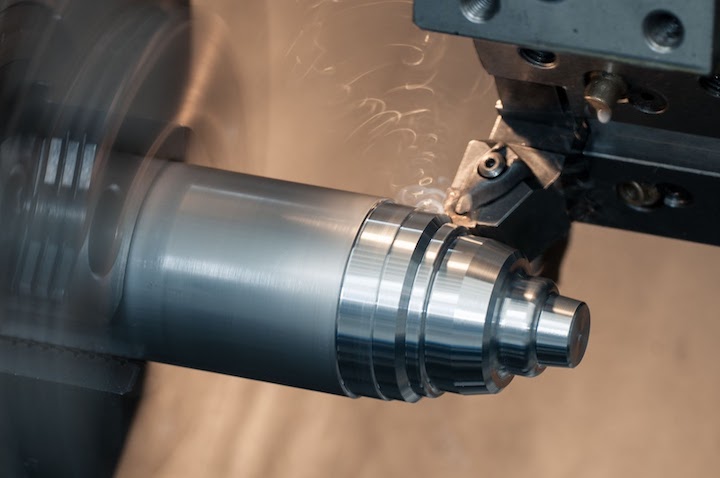
CNC lathes are another important part of precision machining. A CNC lathe is a machine that rotates the workpiece while a cutting tool removes material from it. CNC lathes are used primarily for turning operations, where the workpiece is rotated at high speeds, and the cutting tool shapes the material as it rotates.
CNC lathes are particularly useful for producing cylindrical parts, such as shafts, pins, and bolts. The ability to control the speed and position of the cutting tool ensures that parts are produced with exceptional accuracy and surface finishes. One of the main benefits of CNC turning is its ability to create parts with uniform diameter and symmetry.
In comparison to other CNC machines, CNC lathes excel at high-volume production. Once programmed, a CNC lathe can repeat the same operation for thousands of parts, maintaining the same level of precision and consistency throughout the entire production run.
4. CNC Cutting Machines: Efficient and Versatile Solutions
CNC cutting machines are designed for cutting through materials with great precision. These machines are used to cut, shape, and form materials like metals, plastics, and composites into the desired shapes. There are various types of CNC cutting machines, including laser cutting, plasma cutting, and waterjet cutting machines, each of which offers unique advantages depending on the material and required precision.
Laser cutting machines, for instance, use focused laser beams to melt or vaporize material, creating clean and precise cuts. Plasma cutting is ideal for cutting thicker metals, while waterjet cutting can be used to cut very delicate materials without generating heat. Each of these CNC cutting technologies brings a unique set of capabilities to the table, allowing manufacturers to choose the best solution for the specific needs of the project.
The primary benefit of CNC cutting machines is their ability to produce parts with fine details and smooth surfaces. These machines are used extensively in industries such as aerospace, where precise cutting is crucial for the creation of lightweight, complex parts.
5. The Importance of CNC 5-Axis Machines in Complex Part Fabrication
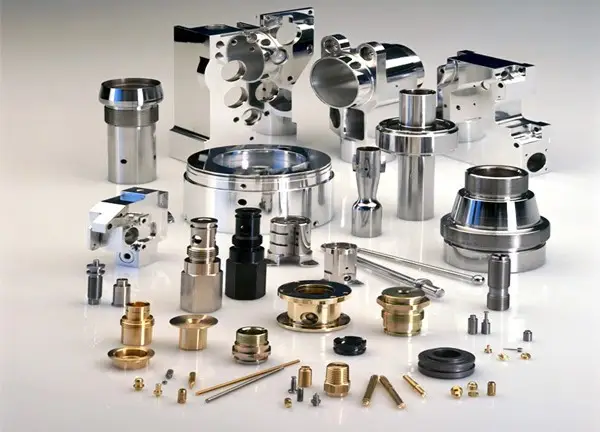
As parts become more intricate and designs more complex, manufacturers have turned to CNC 5-axis machines for the most advanced precision machining. A 5-axis CNC machine can move a tool along five different axes, making it ideal for creating complex shapes and parts with multiple angles.
5-axis CNC machines provide significant advantages over traditional 3-axis machines. The ability to machine parts from multiple angles without repositioning the workpiece means that manufacturers can produce more complex geometries, reduce setup time, and achieve higher precision. This is especially important for industries like aerospace and medical device manufacturing, where complex and highly detailed parts are the norm.
One of the key advantages of 5-axis machining is its ability to reduce human error. By automating the machining process and controlling the movement of the cutting tool from multiple directions, 5-axis machines can create highly accurate parts without the need for manual intervention.
6. CNC Machining for Non-ferrous Metals: Focus on CNC Bronze and Aluminum
CNC machining is incredibly versatile and can be used for a wide variety of materials. Two common materials in CNC precision machining are bronze and aluminum. Both of these metals are often used in manufacturing for industries that require high-strength, lightweight, and corrosion-resistant parts.
Aluminum is one of the most popular metals used in CNC machining due to its light weight, strength, and machinability. Aluminum parts are widely used in the aerospace, automotive, and electronics industries. CNC machining allows manufacturers to create parts with tight tolerances and smooth finishes, which is critical in industries where part performance is paramount.
Bronze, on the other hand, is often chosen for its wear-resistance and corrosion-resistance properties, making it ideal for parts used in marine, automotive, and industrial applications. CNC machining allows manufacturers to create intricate bronze parts with high precision, which is critical for parts that need to stand up to heavy use and harsh environments.
7. Materials for Precision CNC Machining
The choice of material is crucial in CNC precision machining because it directly impacts the performance, durability, and cost of the finished part. Different materials have different properties, which make them suitable for various applications.
- Aluminum: Lightweight, corrosion-resistant, and easy to machine, aluminum is often the material of choice for aerospace, automotive, and consumer electronics.
- Titanium: Known for its strength-to-weight ratio, titanium is commonly used in aerospace, medical, and military applications.
- Steel: Both carbon and stainless steel are commonly used in CNC machining for their strength and versatility. Steel parts are widely used in automotive, heavy machinery, and tooling applications.
- Bronze: Known for its durability and resistance to wear, bronze is often used in parts that require low friction and high wear resistance.
- Plastics: Materials like nylon, acetal, and PEEK are used for CNC machining when lightweight, non-corrosive, and non-conductive properties are required.
Selecting the right material for CNC machining depends on the part’s requirements, including strength, corrosion resistance, machinability, and cost considerations.
8. Milling Cutter Selection: Impact on Precision and Finish
Milling cutters play a critical role in CNC machining. These tools are responsible for removing material from the workpiece, and the choice of cutter can have a significant impact on the precision and finish of the part. There are many types of milling cutters, including flat end mills, ball end mills, and face mills, each designed for different types of cuts.
Selecting the right milling cutter depends on the material being machined, the geometry of the part, and the desired surface finish. For instance, ball end mills are ideal for creating curved surfaces, while flat end mills are better for straight edges and contours. The material and coating of the cutter also impact its performance and lifespan.
A high-quality milling cutter ensures that the part is produced with minimal tool wear, excellent surface finish, and reduced cycle times. Regular maintenance and proper tool selection are essential for maximizing the performance of CNC milling operations.
9. Applications of CNC Precision Machining Parts in Industries
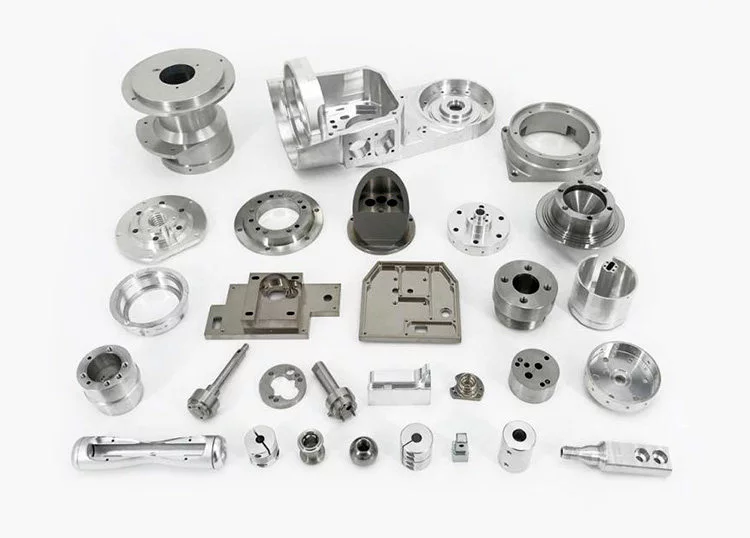
CNC precision machining is used across various industries due to its ability to produce high-quality, complex parts quickly and consistently. Some of the key industries that rely on CNC machining include:
- Aerospace: CNC machining is used to manufacture lightweight, high-strength parts for aircraft and spacecraft, including structural components, turbine blades, and engine parts.
- Automotive: CNC machining plays a vital role in producing engine parts, transmission components, and custom tooling for the automotive industry.
- Medical: CNC machining is essential for creating precise, custom parts for medical devices, such as implants, prosthetics, and surgical instruments.
- Electronics: CNC machining is used to create parts for consumer electronics, including enclosures, connectors, and heat sinks.
The ability to produce highly precise parts with tight tolerances makes CNC machining indispensable for these industries.
10. CNC Machining: Challenges and Solutions in Precision Manufacturing
While CNC machining offers numerous benefits, it also comes with its own set of challenges. Some of the most common challenges include:
- Material Selection: Different materials require different machining techniques, and selecting the wrong material can lead to issues with precision and part quality.
- Tool Wear: As tools wear down, they can affect the accuracy of the part. Regular maintenance and monitoring are essential for ensuring the longevity and performance of tools.
- Complex Geometries: Some parts may require very complex geometries that are difficult to achieve with standard CNC machines. Using advanced machines like 5-axis CNC machines can help address this challenge.
By understanding these challenges and adopting the right solutions, manufacturers can ensure that their CNC machining operations remain efficient, precise, and cost-effective.