
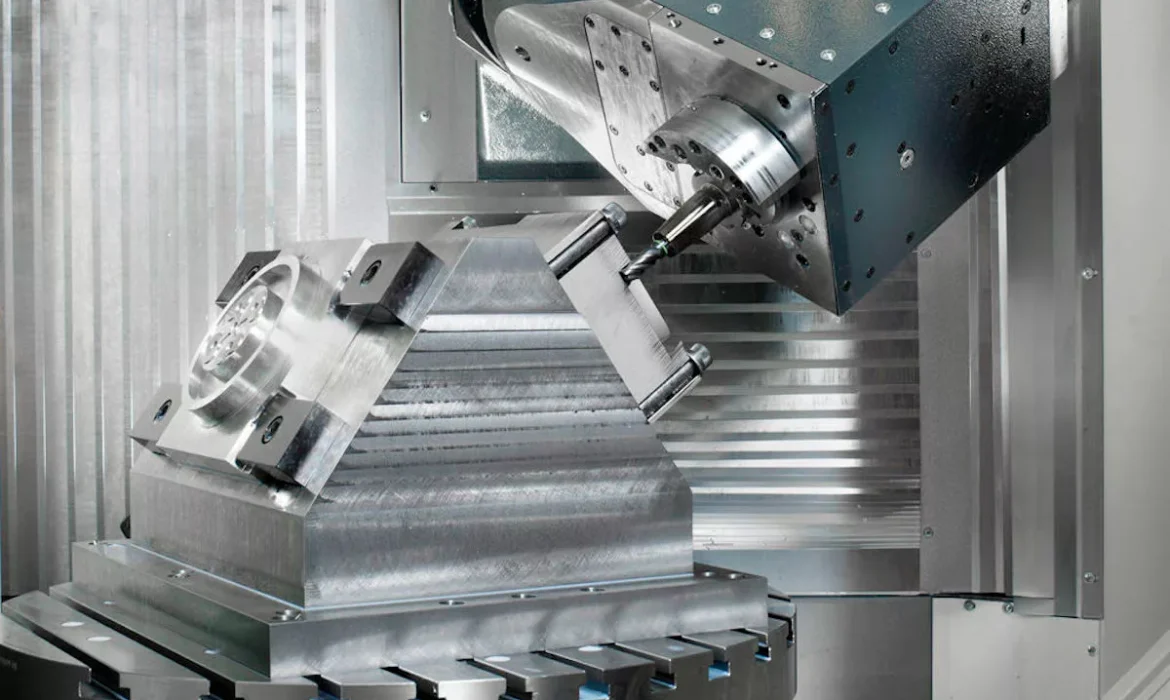
Introduction to CNC Milling Surface Finishes
Why Surface Finish Matters in CNC Machining
Surface finish plays a critical role in CNC milling, influencing both the functionality and appearance of machined parts. A precise CNC milling surface finish ensures parts meet dimensional and aesthetic requirements essential for quality and performance. It affects how parts interact with other components, their wear resistance, and even their corrosion protection. Choosing the right surface finish helps optimize CNC machining cost vs quality, making each part suitable for its specific application.
Impact on Part Performance, Assembly, and Durability
The surface finish directly impacts the overall durability and reliability of CNC machined parts. A smoother finish reduces friction and wear, extending the lifespan of components. In assembly, proper surface finishes ensure tight fits and prevent issues like leaks or weak joints. Moreover, certain finishes improve resistance to environmental factors, including corrosion. By controlling surface roughness Ra / Rz, manufacturers enhance part performance, streamline assembly, and boost long-term durability in demanding applications.
Factors Affecting Surface Finish in CNC Milling
Material Type and Machinability
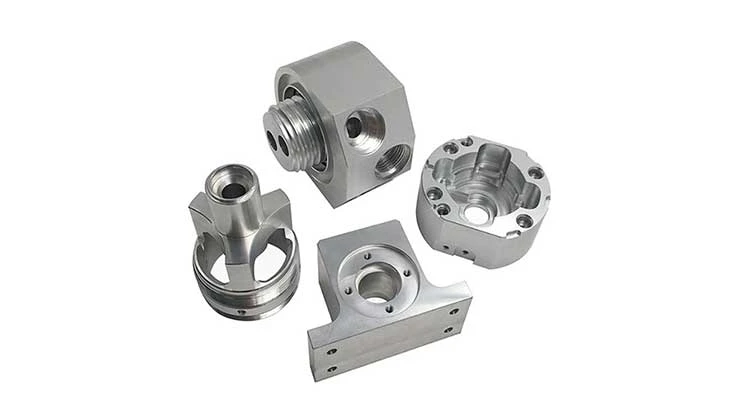
The type of material you’re working with plays a big role in the final CNC milling surface finishes. Softer materials like aluminum or plastic usually achieve smoother finishes quickly, while harder metals such as stainless steel or titanium need more careful handling. Some materials are just tougher to machine because they can cause tool wear or produce rougher surfaces. It’s important to understand the material’s machinability to set realistic finish expectations and avoid headaches down the line. For details on what materials CNC machines can cut, check out resources on materials suitable for CNC machining.
Tool Selection and Cutting Parameters
Tool choice affects surface roughness Ra / Rz significantly. Sharp, high-quality tools with the right coatings keep finishes smooth and consistent. Cutting parameters like speed, feed rate, and depth of cut impact the surface texture—too aggressive, and you end up with chatter marks or roughness; too slow, and production costs rise. Optimizing these factors ensures you strike the right balance between precision CNC milling and efficiency.
| Factor | Effect on Surface Finish |
|---|---|
| Tool Material | Influences tool wear and finish quality |
| Cutting Speed | Higher speed can improve finish, but risk chatter |
| Feed Rate | Lower feed usually means finer finish |
| Depth of Cut | Shallower cuts generally produce smoother surfaces |
Machine Accuracy and Rigidity
The rigidity of your CNC machine impacts the surface finish a lot. Machines that flex or vibrate during milling cause imperfections on the part surface. High-accuracy machines with rigid frames minimize tool deflection, delivering consistent, high-quality machined part aesthetics. Keeping the machine well-maintained and calibrated is key for achieving excellent finishes every run.
Fixturing and Part Stability
Proper fixturing keeps the part stable during milling, preventing movement that can wreck surface quality. Using the right clamps, supports, and setups reduces vibration and deflection. A stable part means the tool can cut cleanly, which improves surface finish and helps maintain tolerances. If parts shift or chatter, expect uneven finishes or rework.
Getting all these factors right means better surface finishes, improved wear resistance, and parts ready for assembly without extra polishing or post-processing for CNC parts. You’ll keep your CNC machining cost vs quality balance in check while producing parts that meet functional surface requirements and look great.
Common Types of CNC Milling Surface Finishes
Ra and Rz Surface Roughness: Understanding the Metrics
When evaluating CNC milling surface finishes, Ra (average roughness) and Rz (average peak-to-valley height) are two key metrics used to measure surface texture. Ra provides a general sense of how smooth the surface feels, while Rz captures the height difference between the tallest peak and deepest valley on the part. Understanding these helps in specifying the right finish for your project’s functional needs and machinability.
Standard Machined Finishes (Milled, Flat, Patterned)
Standard CNC machined finishes include milled, flat, and patterned surfaces. These depend largely on the cutting tool path and feed rate. Milled finishes show visible tool marks and are common for parts where aesthetics are less critical but dimensional accuracy is vital. Flat finishes create uniform planar surfaces, ideal for mating parts or sealing faces. Patterned finishes come from deliberate tool paths, adding texture for grip or decoration.
Enhanced Finishes (Polished, Brushed, Bead Blasted)
Enhanced finishes step up the visual appeal and functional qualities of CNC machined parts. Polishing smooths the surface to a near mirror-like finish, reducing friction and making parts easier to clean. Brushing creates fine, directional lines that improve aesthetics and can hide minor surface imperfections. Bead blasting uses abrasive media to give a matte, uniform texture that helps reduce glare and improve corrosion resistance. These enhanced finishes often require additional post-processing steps.
Specialized Coatings and Post-Processing (Anodizing, Plating)
Many CNC parts benefit from specialized coatings improving durability and appearance. Anodizing provides a tough, corrosion-resistant oxide layer on aluminum parts, often adding color options. Plating metals like nickel or chrome enhance wear resistance and offer attractive finishes. These post-processing methods combine with tailored surface finishes to meet tight functional requirements or specific aesthetic goals seen in industries like aerospace or consumer electronics. For expert surface treatment options, companies offering stainless steel polishing services provide valuable resources to enhance machined part aesthetics and performance.
Choosing the right surface finish means balancing performance, cost, and appearance — all influenced by these common types and their related processes.
Cost Considerations for CNC Milling Surface Finishes
Factors Influencing Cost: Material, Process, and Tolerance
When budgeting for CNC milling surface finishes, several factors affect the overall cost. The type of material plays a big role—harder metals like stainless steel or titanium usually drive up costs due to tougher machining requirements. The chosen finishing process also matters: simple milled or flat finishes are more cost-effective, whereas polished or anodized finishes add steps and expense. Tight tolerance demands increase costs too, since achieving precise surface roughness values like Ra or Rz requires slower feeds, sharper tools, and more inspection. For customers looking into precision parts, understanding these variables helps balance quality with price.
Trade-Offs Between Finish Quality and Production Time
Higher-quality surface finishes often mean longer production times. For example, applying a polished or bead blasted finish takes extra labor and cycles compared to a standard milled surface. This means your parts may have increased lead times, which could affect project schedules. If a superfine finish isn’t critical for functional needs, opting for a standard CNC machining finish can save money and speed up delivery. It’s all about balancing the surface roughness metrics you require with realistic production timelines to avoid paying for unnecessary quality.
How Volume and Batch Size Affect Surface Finish Pricing
Your order size also impacts pricing on CNC milling surface finishes. Larger batch quantities usually lower the cost per part because setups and finishing processes get distributed across more units. On the other hand, small runs or prototypes might have higher surface finish costs since the machine setup and finishing steps are relatively fixed regardless of volume. Companies manufacturing high-volume CNC machined parts often negotiate better surface finish pricing due to this scale advantage. So when planning your project, consider batch size carefully to optimize cost versus finish quality. For details on metal options and machining specifics, explore our guide on CNC machining metal.
Choosing the Right Surface Finish for Your CNC Parts

Matching Finish to Functional Requirements (Wear, Friction, Corrosion)
Picking the right CNC milling surface finish starts with what the part needs to do:
- Wear resistance: Tough finishes like polished or coated surfaces extend part life under friction.
- Friction control: Smoother finishes reduce friction, improving efficiency in moving parts.
- Corrosion protection: Special coatings like anodizing or plating guard against rust and environmental damage.
Choosing the proper finish means balancing these factors to meet functional goals without overdoing cost or complexity.
Considerations for Assembly and Fit Tolerance
Surface finish can directly impact how well parts fit and assemble. Here’s what to think about:
- Tighter tolerances often require smoother finishes to ensure proper mating surfaces.
- Rough or uneven finishes may cause interference, leading to assembly issues or premature wear.
- Consistent finishes help maintain dimensional stability, especially important in precision CNC machined parts.
Keep these points front and center when specifying finishes to avoid costly rework or fit failures.
Balancing Aesthetics, Cost, and Manufacturability
Surface finish affects more than function—it also shapes the part’s look and production cost. Here’s a quick guide to balance these areas:
| Factor | Impact on Finish Choice | Notes |
|---|---|---|
| Aesthetics | Polished or brushed finishes improve appeal | Important for visible consumer parts |
| Cost | Higher-quality finishes usually cost more | Must weigh if premium finish adds value |
| Manufacturability | Some finishes need extra tooling or time | Post-processing like bead blasting adds cost |
Get the finish that fits your budget while delivering the necessary performance and look. For parts needing precise fit and finishes, consider working with experienced services specializing in precision CNC milling to optimize the balance for your project.
By aligning your surface finish with functional needs, assembly fit, and cost, you ensure CNC machined parts finish that performs well and looks great without breaking the bank.
Practical Applications of Different CNC Surface Finishes
Automotive Components: Performance and Visual Standards
In the automotive industry, CNC milling surface finishes directly affect both how parts perform and look. Smooth finishes reduce friction and wear in engine components, while aesthetically pleasing textures enhance visible parts like trims and dashboards. Common finishes include milled, brushed, or polished surfaces. Achieving the right balance improves durability and meets strict visual standards required by automotive manufacturers.
Aerospace Parts: Tight Tolerances and Fatigue Resistance
Aerospace parts need precision and reliability above all. Surface roughness metrics like Ra and Rz must remain tightly controlled to enhance fatigue resistance and ensure strict tolerance compliance. Finishes such as precision milled and specialized coatings (anodizing, plating) are standard to prevent corrosion and improve part longevity under harsh conditions. Using advanced processes in precision CNC milling ensures parts meet these critical requirements.
Medical Devices: Sterilization and Smoothness Requirements
Medical devices demand ultra-smooth surfaces that are easy to sterilize and resist bacterial buildup. Polished and bead-blasted finishes are commonly used to achieve the level of smoothness necessary for safe patient contact. Selecting the right CNC machined parts finish minimizes contamination risk and supports regulatory compliance. Post-processing techniques often complement machining to reach these hygiene standards.
Consumer Electronics: Texture and Visual Appeal
Consumers expect sleek, attractive products in electronics. CNC milling surface finishes help create refined textures, such as brushed or patterned surfaces, that enhance grip and appearance. These finishes also protect sensitive parts from wear and fingerprints. Choosing finishes that balance aesthetics, durability, and cost is crucial for competitive electronics manufacturing. For intricate designs, specialized services like 4-axis CNC machining are often employed to achieve complex textures efficiently.
| Industry | Typical Surface Finishes | Key Requirements |
|---|---|---|
| Automotive | Milled, brushed, polished | Performance, wear resistance, aesthetics |
| Aerospace | Precision milled, anodized, plated | Tight tolerance, fatigue resistance |
| Medical Devices | Polished, bead blasted | Sterility, smoothness |
| Consumer Electronics | Brushed, patterned | Texture, visual appeal, protection |
For projects requiring detailed surface finishing with tight control over tolerances, exploring options like 4-axis CNC machining services can provide added precision and finish quality without driving costs disproportionately.
Common Mistakes When Specifying Surface Finishes
Over-Specifying Finish and Increasing Cost Unnecessarily
One of the biggest pitfalls in CNC milling surface finishes is demanding a tighter or more polished finish than your part actually needs. Over-specifying finish quality drives up CNC machining cost vs quality without delivering real benefits. This often results in longer machining times, more tool wear, and added post-processing steps that don’t improve part performance or aesthetics enough to justify the expense. It’s best to match surface finish requirements to the true functional or visual needs of the part.
Ignoring Material Behavior and Machinability Limits
Every material reacts differently to machining. Ignoring a material’s machinability can lead to unrealistic surface finish expectations that can’t be achieved consistently. For example, harder metals or alloys may naturally have rougher machined part finishes, while soft materials might deform under too much cutting pressure. Understanding how material type affects surface roughness Ra and Rz values is key to setting achievable finish targets in CNC milling.
Not Considering Post-Machining Processes
Sometimes the final appearance or durability of a part depends more on post-processing than on the CNC milling itself. Overlooking processes like anodizing, plating, or bead blasting can lead to wasted effort on perfecting a surface finish that will later be altered anyway. Planning the entire surface finish workflow, including post-machining steps, helps optimize cost and ensures the right balance between precision cnc milling and finish quality. For parts requiring specialized finishes, integrating post-processing early in the design review, like those using advanced 5-axis CNC milling machines, can save time and money.
How Experienced CNC Machining Services Help Optimize Surface Finishes
Reviewing Part Designs for Manufacturable Finishes
Skilled CNC machining services start by closely reviewing your part designs to suggest surface finishes that are practical and achievable. They assess factors like material choice, geometry, and tolerance to ensure the finish specified matches what can be produced reliably. This review helps avoid costly redesigns or delays by catching issues early. For complex parts, such as those requiring both milling and turning operations, integrating inputs from custom CNC machining bronze services or specialized suppliers can fine-tune the finish expectations.
Recommending Cost-Effective Finish Options Without Sacrificing Performance
Experienced shops balance finish quality with budget constraints. They offer alternatives that meet functional needs—like wear resistance or corrosion protection—while controlling CNC machining cost vs quality. This may include choosing the right surface roughness Ra / Rz values or suggesting post-processing steps like bead blasting rather than polishing when it’s more practical. Their expertise helps you avoid overspending on finishes that don’t add real value to the part.
Quality Control and Inspection to Ensure Consistency
Reliable machining providers use stringent quality control processes to verify surface finishes throughout production. This includes measuring roughness metrics like Ra and Rz and inspecting for defects that affect performance or assembly. Consistency is key when producing batches of precision CNC milling parts, and thorough inspection helps maintain standards across each run. Partnering with experienced CNC services also means you benefit from their advanced equipment and knowledge in handling precision CNC milling to deliver parts that meet both aesthetic and functional surface requirements.
| Focus Area | Benefit |
|---|---|
| Design Review | Manufacturable finishes |
| Finish Recommendations | Cost-effective without compromise |
| Quality Control & Inspection | Consistent, reliable surface quality |