
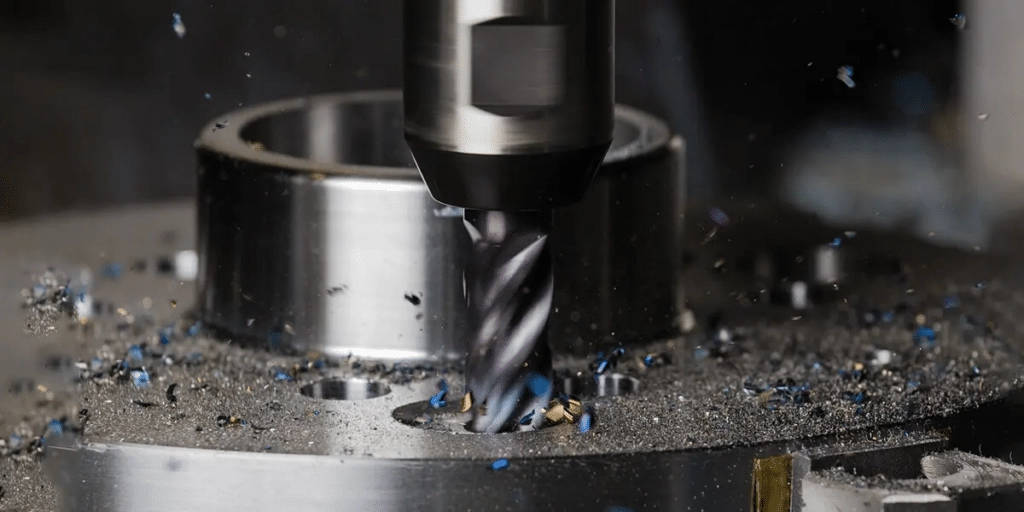
If you’re searching for CNC milling parts, you probably know how crucial precision and reliability are in your projects—whether you’re an engineer, a product designer, or a procurement specialist. Custom CNC milling parts remain the go-to solution for metal and plastic prototypes, as well as low-to-mid volume production runs that demand tight tolerances and excellent surface finishes. But with countless suppliers—especially in China manufacturing hubs—finding the right partner who delivers quality on time at a competitive price can feel overwhelming.
In this guide, we’ll cut through the noise. You’ll get a clear understanding of what precision CNC milled components can achieve, how to optimize your designs for cost and manufacturability, and practical insights on lead times, materials, and finishes. Plus, we’ll show why partnering with an experienced shop like MS Machining—with 15+ years, 50+ milling centers, and 2000+ satisfied clients worldwide—is a smart move to bring your ideas to life in 2025.
Let’s dive in and explore how to get the best from your next CNC milling project.
What Is CNC Milling and How It Works
CNC milling is a precision manufacturing process where computer-controlled machines remove material from a solid block to create custom CNC milling parts. At MS Machining, we use CNC milling to produce everything from simple aluminum brackets to complex titanium impellers. The process starts with a digital design and ends with a finished part ready for your application.
How CNC Milling Works: Step-by-Step
- CAD (Computer-Aided Design): Designers create a 3D model of the part using CAD software (like SolidWorks or AutoCAD). This model serves as a digital blueprint.
- CAM (Computer-Aided Manufacturing): The CAD file is imported into CAM software, which generates the toolpaths—the instructions that guide the milling machine. Here, parameters like cutting speed, tool type, and sequence are optimized for efficient machining.
- Machining: The CNC milling machine executes the toolpaths, removing excess material using rotating cutting tools. Depending on the complexity, multi-axis machines handle intricate cuts with high precision.
- Quality Control (QC): Finished parts undergo rigorous inspection with tools like coordinate measuring machines (CMM) and surface roughness testers to verify dimensions and surface finish.
- Shipping: After passing QC, parts are cleaned, packaged, and shipped to the customer, often with material certifications and inspection reports included.
3-Axis vs 4-Axis vs 5-Axis Milling: Quick Comparison
| Feature | 3-Axis Milling | 4-Axis Milling | 5-Axis Milling |
|---|---|---|---|
| Movement Axes | X, Y, Z | X, Y, Z + Rotation on A-axis | X, Y, Z + Rotation on A & B axes |
| Complexity | Simple geometries | Moderate complexity | Very complex shapes and angles |
| Typical Applications | Flat surfaces, simple pockets | Cylinders, features around axis | Aerospace, medical, complex impellers |
| Cost | Lowest | Moderate | Highest |
| Lead Time | Short | Moderate | Longer due to complexity |
Choosing the right machine depends on your part’s design, tolerance, and surface finish needs. For most standard CNC milling aluminum parts, 3-axis or 4-axis machines are sufficient. But for precision components with intricate angles—like aerospace or medical parts—5-axis milling is the go-to.
At MS Machining, we operate an extensive range of 3, 4, and 5-axis CNC milling services, ensuring we match the right technology to your project efficiently and cost-effectively.
Common Materials for CNC Milled Parts
When choosing materials for custom CNC milling parts, it’s important to consider strength, machinability, and application. Here are the most common materials used:
Aluminum
- Lightweight and corrosion-resistant
- Easy to machine with excellent surface finish
- Common alloys: 6061 (general purpose), 7075 (high strength)
- Ideal for aerospace, automotive, and electronics housings
Steel
- Strong and durable, suitable for heavy-duty parts
- Various grades available, including carbon steel and alloy steel
- Used in machinery, tools, and structural components
- Requires optimized feeds/speeds due to hardness
Stainless Steel
- Highly corrosion-resistant with good strength
- Common grades: 304 (general use), 316L (marine & medical)
- Found in medical devices, food equipment, and aerospace parts
- Check our stainless steel investment castings for advanced options
Brass and Copper
- Excellent electrical conductivity and corrosion resistance
- Brass is easy to machine; copper requires careful tooling
- Used for electrical connectors, decorative items, and fittings
- Browse our custom CNC machining bronze services for similar applications
Engineering Plastics
- Materials like PEEK, Delrin, and Nylon offer strength with light weight
- Ideal for parts needing chemical resistance or electrical insulation
- Often used in semiconductor equipment, medical devices, and automotive components
Each material demands specific CNC milling setups to ensure precision and surface finish. Selecting the right material upfront helps balance cost, durability, and functionality.
Achievable Tolerances & Surface Finishes for CNC Milling Parts
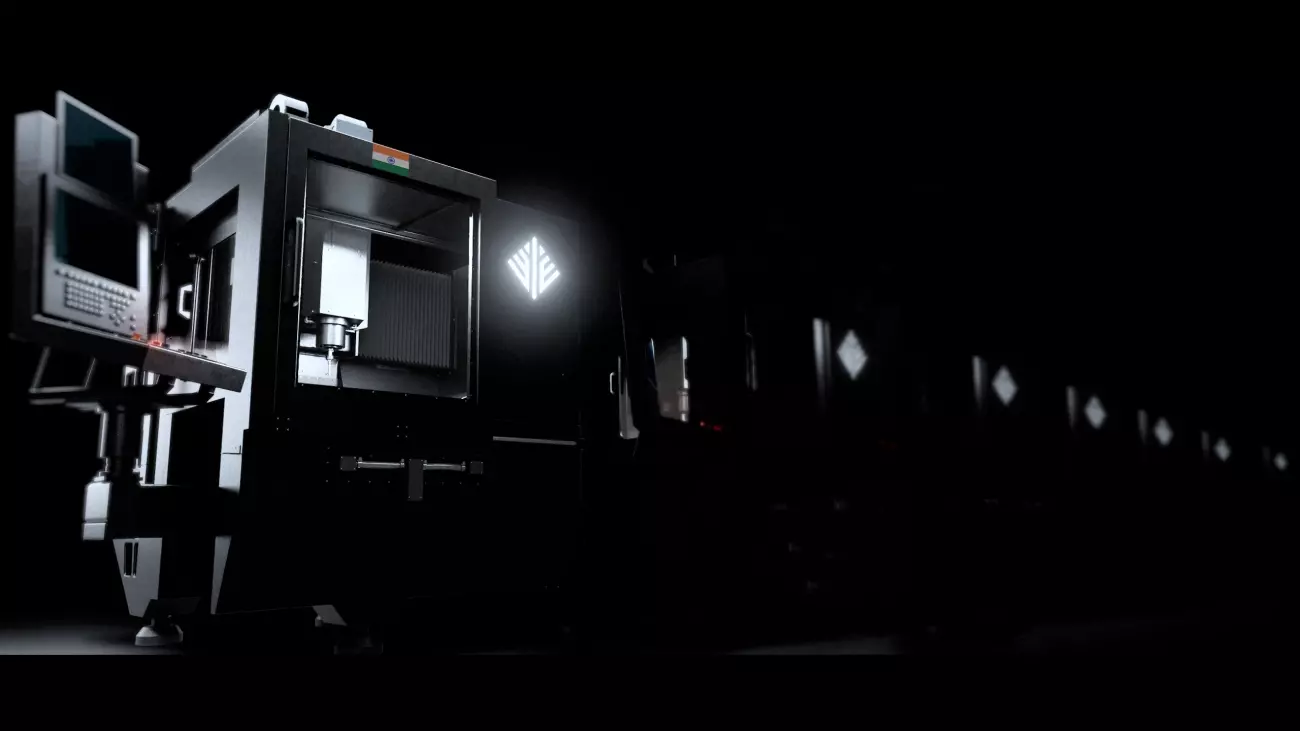
When it comes to CNC milling parts, tight tolerances and high-quality surface finishes are key to ensuring your components fit and function perfectly. Here’s what you can expect:
Standard Tolerance Options
- ±0.01 mm (±0.0004”): Common tolerance for general parts where moderate precision is enough.
- ±0.005 mm (±0.0002”): Used for precision components needing better fit and performance.
- ±0.002 mm (±0.00008”): Ultra-precision tolerance for complex, high-performance CNC milling parts.
Choosing the right tolerance affects both cost and machining time. Tighter tolerances require more careful setups and slower machining speeds.
GD&T Basics Every Buyer Should Know
Geometric Dimensioning and Tolerancing (GD&T) is a standardized system to define part geometry and allowable variation clearly:
- Flatness, parallelism, and concentricity control how surfaces relate to each other.
- Position tolerance ensures holes and features are precisely located.
- Proper GD&T lets manufacturers deliver parts that fit together seamlessly, reducing costly adjustments later.
Understanding these basics helps when communicating your needs with suppliers and avoids mistakes during production.
Surface Finish Types with Real Examples
The surface finish affects both the appearance and function of CNC milled parts. Common finishes include:
- Ra 3.2 µm (standard mill finish): Slight tool marks visible, typical for prototyping.
- Ra 1.6 µm: Smoother surface for functional parts, good for mating surfaces.
- Ra 0.8 µm or better: Polished finish for aesthetic or tight sealing parts.
You can also request specialized finishes like anodizing for aluminum or passivation for stainless steel to improve corrosion resistance or wear.
For a deeper dive into professional CNC machining basics and best practices, check out this detailed introduction to CNC machining. It covers tolerance management and finishing techniques for different materials.
Design Guidelines for CNC Milling (DFM)
Design for Manufacturing (DFM) is critical when planning custom CNC milling parts to ensure your design is both manufacturable and cost-effective. Here are the key guidelines to keep in mind:
-
Minimum Wall Thickness
Keep walls at least 0.8 mm thick for aluminum and 1.0 mm or more for steels to avoid warping or breakage during machining. Thinner walls increase risk and cost.
-
Undercuts & Internal Radii
Avoid complex undercuts or tight internal corners. Use a minimum internal radius of 1.5 times the tool diameter to ensure the cutter can reach without leaving marks.
-
Deep Pockets & Aspect Ratio Limits
Limit pocket depths to 3-4 times the tool diameter. Deep or narrow pockets can cause tool deflection and reduce precision.
-
Thread Specifications (Metric vs UN)
Choose thread types based on assembly standards: metric threads (M3, M4, etc.) are common internationally, while UN threads (UNC, UNF) are preferred in U.S. industrial applications. Match thread depth and diameter to standard tooling.
-
Avoid Thin Walls and Sharp Corners
Thin walls can easily deform or break. Use fillets (0.5 mm or larger) at corners to reduce stress concentration and improve tool life.
For an easy-to-follow resource, download our free DFM checklist that covers these points and more—designed specifically for precision CNC milled components.
For more tips on improving your design and machining outcomes, see our detailed guide on what is CNC milling.
30+ Real CNC Milling Parts Examples (Photo Gallery)
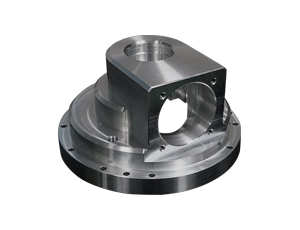
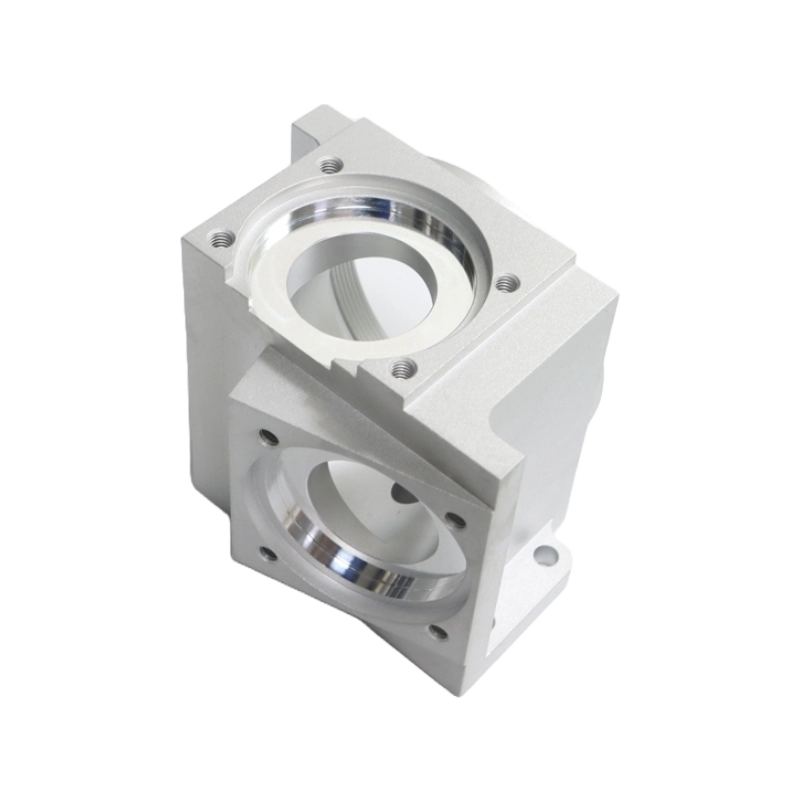
Take a look at over 30 real-world examples of precision CNC milling parts that showcase the range and quality we deliver:
- Aluminum Camera Housings: Lightweight, durable, with clean finishes perfect for high-end photography gear.
- 7075 Drone Arms: Strong aerospace-grade aluminum offering excellent strength-to-weight ratio for UAVs.
- Stainless 316L Medical Device Components: Corrosion-resistant parts meeting strict medical standards.
- PEEK Semiconductor Parts: High-performance engineering plastics with excellent thermal and chemical resistance.
- Brass Electrical Connectors: Precisely milled for reliable conductivity and tight tolerances.
- 5-Axis Titanium Impellers: Complex geometry demanding tight tolerances and superior surface finishes.
These examples highlight how custom CNC milling parts can meet diverse industry needs—from medical and aerospace to electronics and industrial applications. For more on complex geometries and precision work, check out our detailed CNC milling services for complex components.
Cost Drivers of CNC Milling Parts in 2025
When budgeting for CNC milling parts in 2025, understanding the main cost drivers helps you get the best value without surprises.
Material Cost vs. Machining Time
- Material costs often make up 40-60% of the total price, depending on your choice—aluminum will be cheaper than titanium or stainless steel.
- Machining time depends on complexity; intricate features or tighter tolerances increase the time and cost.
- Balancing material selection and design can reduce overall expenses.
3-axis vs. 5-axis Milling Price Difference
- 3-axis milling is generally less expensive, ideal for simpler geometries.
- 5-axis milling offers more precision and complex shapes but costs 20-50% more due to advanced machinery and programming.
- Choose 5-axis for complex parts like aerospace impellers or medical components to save on assembly and secondary operations.
Quantity Breaks: 1 pc vs. 100 vs. 1000 pcs
- Single prototypes can have a higher per-part cost due to setup time and machine calibration.
- Prices drop significantly at volumes of 100 or more, thanks to efficient batch processing.
- For 1000+ pcs, expect further discounts but plan lead times accordingly.
Secondary Operations Impact
- Additional finishing like anodizing, plating, or heat treatment add 10-30% extra.
- These steps enhance corrosion resistance, appearance, or mechanical properties, critical for aerospace or medical parts.
Updated Pricing Table Q4 2025 (Sample Prices per Piece)
| Quantity | 3-Axis Milling (Aluminum) | 5-Axis Milling (Aluminum) | Stainless Steel (3-Axis) | Secondary Finishing Add-on |
|---|---|---|---|---|
| 1 | $120 | $180 | $200 | +$30 |
| 100 | $45 | $70 | $85 | +$15 |
| 1000 | $30 | $50 | $65 | +$10 |
Pricing varies by design complexity and materials but this table gives you a solid baseline.
For more on optimizing costs with advanced machines, check out our guide on high-precision CNC milling machines.
Lead Times & MOQ Reality Check

When ordering custom CNC milling parts, knowing realistic lead times and minimum order quantities (MOQ) is key. At MS Machining, prototypes typically take 3–7 days, giving you a quick turnaround to test and refine your design. For low volume runs—between 50 and 500 pcs—expect around 10–18 days, balancing speed and cost-effectiveness.
Unlike many manufacturers, MS Machining offers no MOQ on single pieces, perfect for clients needing just one precision CNC milled component. Plus, if you’re in a rush, express services are available, with 48–72 hour lead times for simple parts, helping you meet tight deadlines without compromising quality.
This flexibility is a big reason MS Machining is trusted for both prototypes and small to medium production runs in the US market.
How to Choose the Right CNC Milling Partner in China
Picking the right CNC milling partner in China can make or break your project, especially when precision and delivery matter. Here’s how to spot the good from the bad:
| Red Flags | Green Flags |
|---|---|
| Poor or no certifications | Certified to ITAR, ISO 9001, AS9100 |
| Communication issues (no clear English) | English-speaking project managers |
| Lack of quality control equipment | In-house QC tools: CMM, XRF analyzers, roughness testers |
| No customer reviews or testimonials | Verified real customer reviews & detailed case studies |
Certifications Matter
Make sure your supplier has industry-approved certifications like ITAR for defense-related work, ISO 9001 for quality management, and AS9100 for aerospace projects. These show they meet strict production and quality standards.
Communication Is Key
Working with English-speaking project managers avoids confusion and speeds up problem-solving. Clear communication saves time and money.
In-House Quality Control Tools
A partner with on-site tools such as CMM (Coordinate Measuring Machines), XRF analyzers for material testing, and surface roughness testers can guarantee your precision CNC milled parts meet specs before shipping.
Real Reviews and Case Studies
Ask to see previous client feedback and case studies to confirm reliability and on-time delivery. This transparency signals a trustworthy CNC milling China manufacturer with proven experience.
For precision CNC milling projects, choosing a partner with these green flags ensures smooth production from start to finish.
Why MS Machining Is Trusted by 2000+ Global Brands
MS Machining stands out with over 50 high-precision 3-, 4-, and 5-axis CNC milling machines from top brands like DMG Mori, Haas, and Mazak. This advanced equipment ensures tight tolerances and complex geometries for custom CNC milling parts that meet the highest standards.
Every part undergoes 100% visual and dimensional inspection using state-of-the-art in-house QC tools, guaranteeing quality and consistency. We provide full material certificates and First Article Inspection (FAI) reports to give you traceability and confidence in every batch.
Our one-stop finishing services include anodizing, plating, and coating, all handled in-house to streamline your production. Trusted by industry leaders like Tesla, DJI, Siemens, and Medtronic, MS Machining delivers precision CNC milled components that meet stringent aerospace, medical, and industrial requirements.
Learn how our precision CNC milling services help you achieve superior quality and reliability every time.
How to Get a Quote in Under 24 Hours
Getting a fast, accurate quote for your CNC milling parts is simple. Just upload your STEP or IGS file along with a 2D drawing that shows all critical dimensions. Be sure to specify the material you want, the quantity, and the desired surface finish.
Once we receive your files, our engineering team will review your design and provide quick Design for Manufacturing (DFM) feedback to help optimize your parts for production. This way, you get a firm, transparent quote tailored to your needs—usually within 24 hours.
Ready to start? Get your instant quote today and enjoy a free DFM analysis with no extra cost. This speeds up your project and avoids costly redesigns later.
For guidance on preparing your files and understanding prototyping steps, check our detailed how to create a prototype guide.