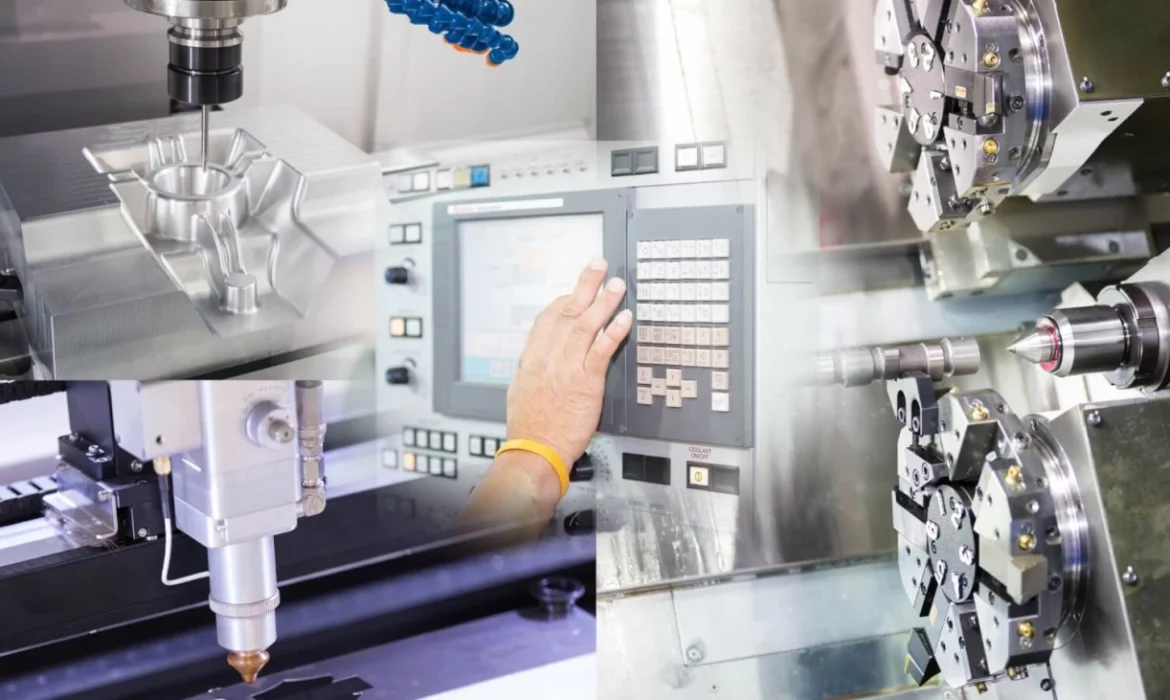
The Fundamentals: What Exactly is CNC Metal Machining?
CNC metal machining is a form of subtractive manufacturing, meaning it starts with a solid block of metal and removes material to create a precise part. Unlike additive methods like 3D printing, CNC (Computer Numerical Control) uses programmed instructions to control cutting tools, shaping metal with high accuracy and repeatability.
Originally, metal parts were made by manual machining—think skilled operators using lathes and mills by hand. Today, CNC automates these processes, increasing speed, consistency, and complexity. At the heart of CNC metal machining are key components:
- Spindles: The rotating shafts that hold and spin cutting tools
- Cutting Tools: Bits made from carbide, HSS, or other materials that shape the metal
- G-code Programming: The language that tells the machine exactly how to move and cut
Despite its precision, CNC machining is often misunderstood. Some assume it’s only for large-scale production or that programming is overly complicated. In reality, CNC metal machining serves everything from rapid prototyping to small runs of custom metal parts, with software streamlining setup and adjustments. Understanding these basics sets the stage for exploring how CNC metal fabrication fits into modern manufacturing.
Types of CNC Metal Machining Processes: Choosing the Right Approach
CNC metal machining includes various processes, each suited for specific parts and production needs. Understanding the basics helps you pick the right method for your project.
CNC Milling
Milling uses rotary cutting tools to remove material from metal blocks. It’s great for complex shapes, flat surfaces, slots, and pockets. CNC milling shines in producing high-tolerance metal components with precision. Common applications include aerospace parts, custom metal parts fabrication, and prototypes. It works well for aluminum, stainless steel, and brass.
CNC Turning
Turning rotates the metal workpiece against a stationary cutting tool, making it ideal for cylindrical shapes like shafts, bolts, and bushings. It’s efficient for volume runs and high-precision machining of round parts. Multi-axis turning services allow for more complex geometries and faster production times.
Advanced Techniques
- Wire EDM (Electric Discharge Machining): Uses electrical sparks to cut precise and intricate shapes from hard metals, especially beneficial for tooling and molds.
- Multi-axis Machining: Offers enhanced flexibility by moving the tool or workpiece on 4, 5, or more axes. Perfect for complex designs needing tight tolerances.
Milling vs. Turning: Pros and Cons
| Feature | CNC Milling | CNC Turning |
|---|---|---|
| Best for | Complex shapes, flat surfaces | Cylindrical parts |
| Material removal type | Multiple cutting tools, 3D shaping | Rotating workpiece, contour turning |
| Setup time | Longer (tool changes, fixtures) | Shorter, efficient for repeats |
| Precision | High for intricate details | High for round, symmetric parts |
| Speed | Slower in complex cuts | Faster at producing round parts |
| Common use cases | Aerospace, electronics, prototypes | Shafts, screws, bushings |
Choosing the right process depends on your part’s geometry, volume, and precision needs. For a deep dive into CNC milling options and precision services, check out our detailed overview of precision CNC milling services.
Materials in Focus: Selecting Metals for Optimal CNC Performance
Choosing the right metal is key to getting the most from CNC metal machining. Common options include aluminum, stainless steel, brass, copper, and titanium—each with unique properties that affect machinability, hardness, and cost.
- Aluminum is lightweight, easy to machine, and budget-friendly, making it great for rapid prototyping and precision metal machining.
- Stainless steel offers excellent strength and corrosion resistance but requires more tooling care; it’s widely used in industries like aerospace and is available through specialized services like stainless steel CNC machining.
- Brass and copper provide good conductivity and finish but are softer and prone to tool wear.
- Titanium excels in high-strength, lightweight applications albeit at a higher cost and machining difficulty.
When selecting materials, consider factors like hardness, thermal properties, and cost-efficiency. Using recycled metals is also gaining momentum for sustainability without sacrificing quality.
Quick Reference Chart for Metal Selection:
| Metal | Machinability | Hardness | Cost | Ideal Applications |
|---|---|---|---|---|
| Aluminum | High | Low | Low | Prototypes, electronics |
| Stainless Steel | Moderate | High | Moderate | Aerospace, medical parts |
| Brass | High | Low | Moderate | Decorative, electrical parts |
| Copper | Moderate | Low | Moderate | Electrical components |
| Titanium | Low | Very High | High | Aerospace, high-stress parts |
For specialized metal options and detailed material specs, check out our selection of machined metal parts and materials. By matching the metal to your project’s needs, you ensure optimal CNC performance, reduced tool wear, and overall cost-effectiveness.
Step-by-Step Workflow: From Design to Delivery in CNC Metal Machining
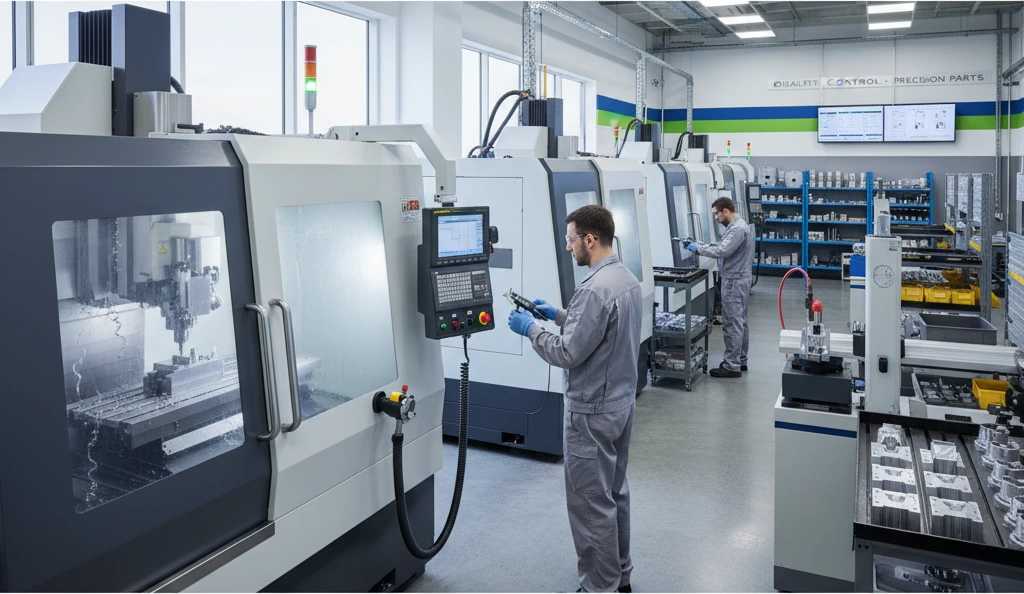
CNC metal machining starts with the design phase, where CAD software is used to create precise 3D models. It’s crucial to apply design-for-manufacturability tips early on to ensure parts can be efficiently produced without costly adjustments later. Once the design is ready, programmers convert it into G-code, the language CNC machines read, often running simulations to catch errors before cutting begins.
During machining, operators monitor the process in real-time to maintain accuracy and catch issues such as tool wear or material inconsistencies. After machining, parts usually undergo post-processing like deburring and surface treatments. For example, anodizing is a popular finish that improves corrosion resistance and surface hardness, ideal for aluminum parts.
Finally, quality assurance checks ensure each component meets strict tolerances and industry standards. This step often includes visual inspections, dimensional measurements, and sometimes performance testing, making certain the final product is reliable and high quality.
You can learn more about effective finishing techniques like anodizing aluminum that enhance CNC metal parts.
Advantages of CNC Metal Machining: Precision, Efficiency, and Beyond

CNC metal machining offers unmatched accuracy and repeatability, significantly reducing human error. This precision is crucial for producing high-tolerance metal components consistently, whether you’re making a single prototype or a large production run.
Speed is another big win — CNC machines handle everything from rapid prototyping metals to high-volume manufacturing efficiently. This scalability helps businesses meet tight deadlines without sacrificing quality.
Versatility is key, too. CNC metal fabrication serves many industries including automotive, aerospace, and electronics, adapting easily to different designs and materials like aluminum CNC machining and stainless steel prototyping.
From an economic standpoint, CNC machining cuts costs by lowering waste and speeding up production. Environmentally, it supports sustainability through efficient material use and less scrap. For example, many aerospace fabricators rely on precision metal machining to meet strict quality and environmental standards—see more about CNC machine shop solutions for the aircraft industry.
Overall, CNC metal machining combines accuracy, speed, and flexibility with cost-effective, eco-friendly practices that keep businesses competitive and innovative.
Challenges and Solutions: Navigating Common Pitfalls in CNC Metal Machining
CNC metal machining isn’t without its challenges. From tool wear to cost concerns, understanding these pitfalls helps you avoid costly mistakes and keep your projects on track.
Common Challenges & How to Solve Them
| Challenge | Cause/Issue | Solution/Tips |
|---|---|---|
| Tool Wear | Extended runs, hard materials | Use high-quality tooling, monitor wear closely, schedule timely replacements |
| Material Challenges | Tough metals like titanium or stainless steel | Adjust speeds/feeds, choose proper cutting tools, consider pre-machining treatments |
| Cost Management | Complex parts, multiple setups | Optimize design for manufacturability, consolidate machining steps, request quotes from multiple vendors |
| Vibration & Chatter | Poor machine setup, imbalanced tools | Improve machine rigidity, balance tools, reduce cutting speeds |
| Thermal Distortion | Heat buildup causing warping | Use coolant effectively, control cutting parameters, allow part cooling between passes |
| Vendor Selection Risks | Poor quality control, late delivery | Check certifications like ISO, ask for references, review past project quality closely |
Tips to Optimize Affordability:
- Simplify part geometry where possible
- Use common, machinable metals like aluminum or brass
- Batch similar parts for volume discounts
- Communicate clearly with your machinist to avoid rework
Being proactive about these issues extends tool life, reduces scrap, and ensures consistent quality. If you want to dive more into choosing the right materials, check out our detailed CNC machining materials list.
Knowing what to expect and how to address these challenges sets the foundation for smooth, cost-effective CNC metal machining every time.
MS Machining: Your Partner for Custom CNC Metal Solutions
MS Machining stands out as a trusted name in custom CNC metal fabrication in the U.S., offering expert services tailored to your specific project needs. With advanced 5-axis CNC machining capabilities, they handle complex geometries and tight tolerances that many other shops simply can’t. This means you get precision metal machining with consistent quality, whether you’re producing prototypes or large volume runs.
Their service portfolio includes everything from CNC milling and turning to high-precision multi-axis machining, enabling efficient production of parts in materials like stainless steel, aluminum, and hardened steel. MS Machining also provides rapid quoting, so you can get cost and lead time estimates quickly—helpful when timing is critical.
Clients frequently praise MS Machining for their commitment to yield and quality, backed by thorough quality control and inspection standards. Ready to bring your custom metal parts fabrication project to life? Starting with a consultation and a detailed quote is straightforward and personalized to your production goals.
Explore their full range of custom machining solutions and 5-axis capabilities at MS Machining to unlock precision and reliability for your next project. Learn more about their expert custom CNC machining parts manufacturing and their 5-axis CNC machining services.
Future Trends: What’s Next for CNC Metal Machining
CNC metal machining is evolving fast, thanks to Industry 4.0 technologies like AI and IoT. These tools allow real-time data analytics that improve precision, predict tool wear, and optimize machining processes across the board. This smart integration means less downtime and better part quality, making operations smoother and more efficient.
Hybrid manufacturing is also gaining traction, combining CNC metal fabrication with 3D printing. This approach lets you build complex parts layer by layer, then machine them for tighter tolerances, blending the best of additive and subtractive methods. It’s especially useful in aerospace and custom metal parts fabrication where unique geometries are common.
On the tooling side, new materials and coatings enable higher speeds and longer tool life, reducing costs and improving surface finishes. Software advancements, including more intuitive CAD/CAM metal design and simulation platforms, are lowering entry barriers, making precision CNC milling and multi-axis turning services more accessible to smaller shops and startups.
As technology adapts, expect CNC metal services to become faster, smarter, and more adaptable—helping businesses scale efficiently while meeting tighter deadlines and higher quality standards. For more on cutting-edge machining processes, check out our overview of special CNC machining processes.