
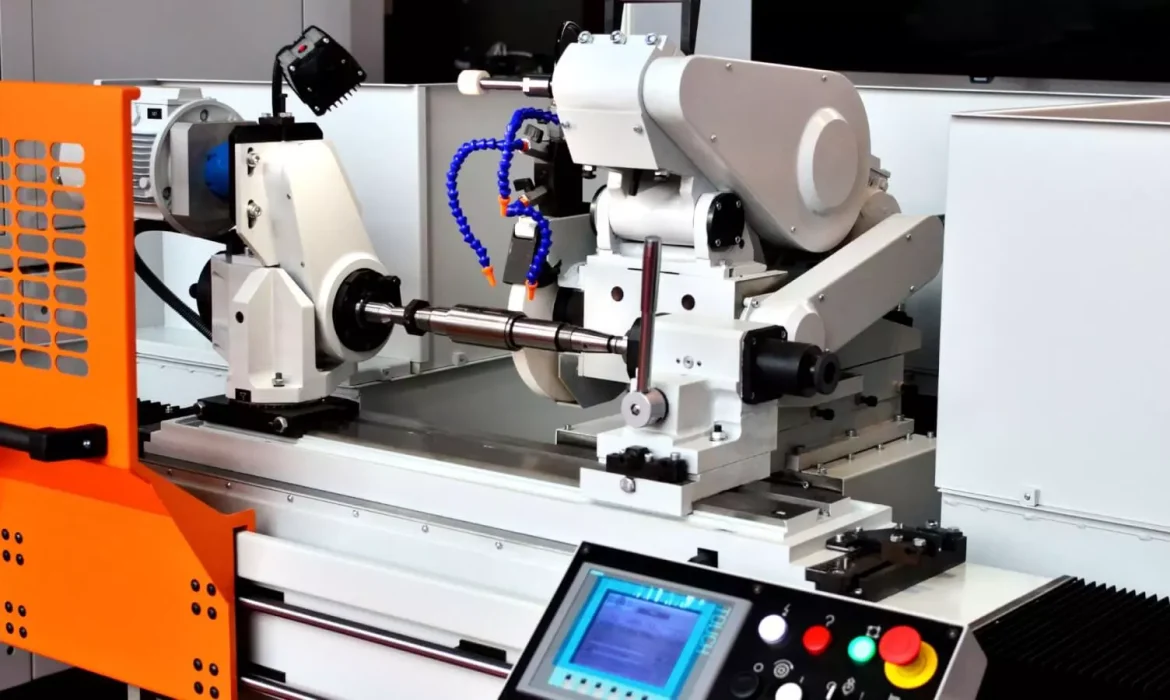
If you’re involved in manufacturing critical components, you already know that precision control and reliability analysis in CNC machining aren’t just buzzwords—they’re the backbone of consistent quality and operational success. Even the smallest machining deviation can ripple into costly failures, safety concerns, or delays that disrupt your entire supply chain. In this post, you’ll discover how mastering CNC capabilities, optimizing process parameters, and applying real-time monitoring combine to ensure every critical part meets the highest standards. Ready to boost your machining accuracy and reliability? Let’s dive in.
1. Introduction: Importance of Critical Component Machining
Critical components play a vital role in the proper functioning of machines and systems. Even minor deviations in machining these parts can lead to equipment failures, reduced performance, or serious safety risks. Such issues often disrupt the supply chain and lower overall production efficiency, impacting business operations directly.
When precision or reliability falls short, companies face increased costs due to rework, material waste, and delayed deliveries. These setbacks can also harm the final product’s performance and reputation in the market.
CNC machining offers a powerful solution by delivering high accuracy and consistent reliability in manufacturing critical components. This precision control ensures that parts meet exact specifications, supporting long-term performance and operational efficiency essential for meeting the demands of the U.S. market.
2. Precision Control: Key Factors in CNC Machining
2.1 Machine Capabilities
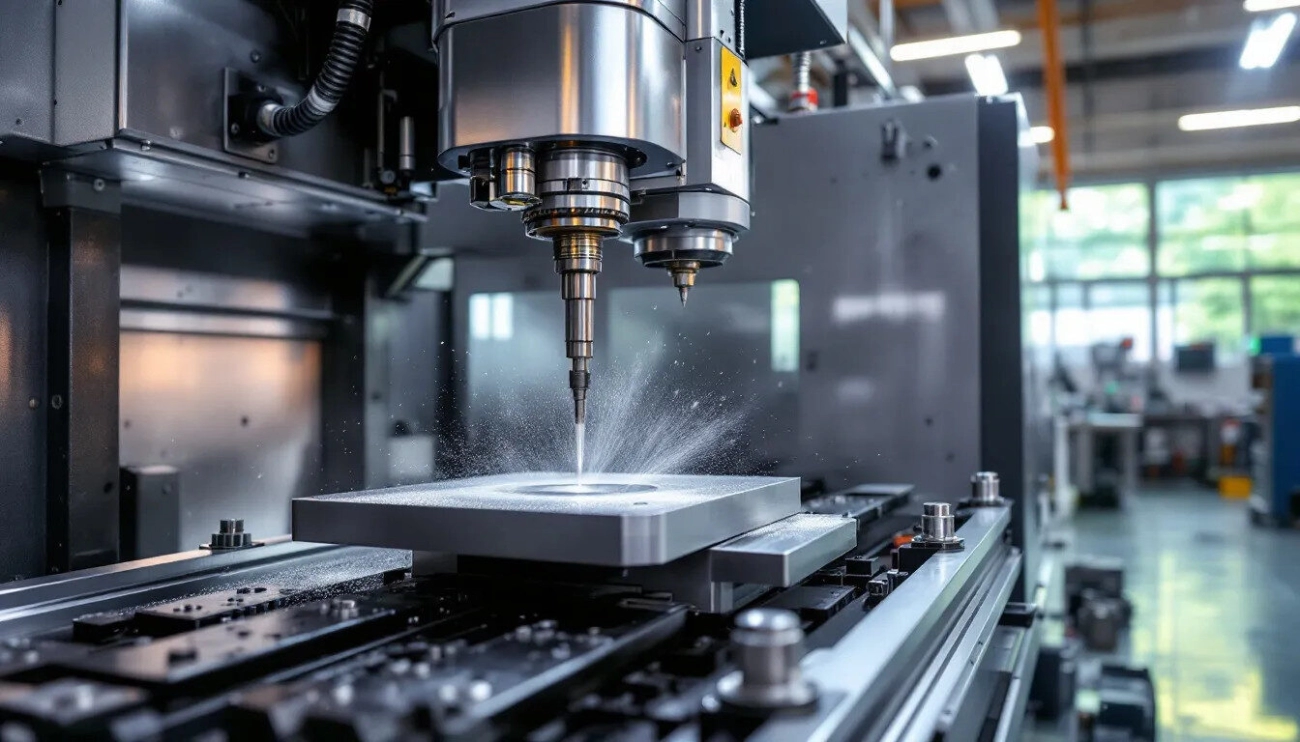
The backbone of precision control in CNC machining lies in the machine’s capabilities. The responsiveness and positioning accuracy of CNC controllers directly impact the quality of the finished parts. Precise control over movements reduces deviations, ensuring tight tolerances. Additionally, spindle rigidity and effective vibration control are crucial—they influence both dimensional accuracy and surface finish. Without stable spindle operation, even the best programming can’t guarantee high-quality parts. Lastly, machine stability over long production runs is essential for consistent results, as any drift or wear can cause gradual accuracy loss.
2.2 Process Parameter Optimization
Fine-tuning process parameters like feed rates, cutting depths, and tool path planning play a major role in minimizing machining errors. Setting these parameters right prevents tool deflection, excessive heat buildup, and poor surface finishes. Each material and component geometry demands customized processing strategies for the best outcome. For example, softer materials might allow faster feed rates, while complex shapes require slower, more precise tool paths. Optimizing these variables boosts both accuracy and overall efficiency.
2.3 Tooling and Fixtures
Consistent machining precision heavily depends on tooling and fixtures. High-precision tooling, combined with proper wear management, ensures that cutting tools maintain sharpness and dimensional stability throughout production. Fixture stability and repeatability affect how well parts maintain dimensional accuracy over multiple cycles. If fixtures shift even slightly, it can lead to costly errors and rework. By optimizing tooling and fixture designs, manufacturers can reduce downtime, lower scrap rates, and improve production efficiency. For machining critical components, this level of control is indispensable. To see practical examples of effective fixture use, check out the detailed overview of alignment screw types and uses, which highlights stability benefits in setup.
3. Reliability Analysis: Ensuring Consistency and Quality
3.1 Real-Time Monitoring and Feedback
Using online measurement systems and sensors helps track machining deviations as they happen. This real-time data lets operators adjust CNC machining parameters on the fly, keeping critical component tolerances tight and consistent. Immediate feedback prevents costly mistakes and ensures each part meets exact specifications.
3.2 Material and Environmental Control
Controlling material internal stresses and thermal expansion is key to reducing deformation during machining. Environmental factors like temperature, humidity, and coolant flow also play a huge role in maintaining reliability. Proper coolant management and temperature regulation ensure stable conditions for machining critical components, which supports consistent quality.
3.3 Error Sources and Risk Management
To boost reliability, it’s essential to identify and address errors from the machine, fixtures, and operators. Preventive measures, such as regular calibration and operator training, reduce these risks. Applying predictive maintenance and optimizing the CNC machining process help avoid unexpected downtime and improve overall consistency in producing high-precision CNC parts.
For more on precision and reliability techniques, check out how CNC machining supports stable, high-quality manufacturing.
4. Critical Component Machining Strategies and Optimization
To achieve consistent, high-quality results in CNC machining critical components, it’s essential to combine precision control with thorough reliability analysis. This integration helps maintain repeatable accuracy and tight tolerances across production runs, reducing costly errors and rework.
Optimizing tooling and fixtures plays a big role in boosting efficiency. Using well-designed, stable fixtures and high-precision tooling ensures parts are held securely and machined precisely. Careful planning of machining paths further minimizes cycle times while maintaining quality, which is especially vital in complex cnc precision parts manufacturing.
Partnering with suppliers who bring deep technical know-how and a strong focus on process optimization is also key. Their expertise helps maintain long-term component stability and streamlines production workflows. For businesses in the U.S. looking to improve their manufacturing processes, working closely with experienced CNC machining partners ensures components meet stringent quality and reliability standards. You can explore advanced approaches to these machining strategies in related areas like CNC milling trends to stay ahead in precision manufacturing.
Conclusion: Precision and Reliability in CNC Machining
Consistent quality in critical components comes from precise CNC control, optimized process parameters, and reliable tooling and fixtures. Real-time monitoring and careful material and environmental management prevent errors and maintain tight tolerances. Applying these strategies ensures high-performance parts, reduces rework, and supports efficient, reliable production for demanding industries.