
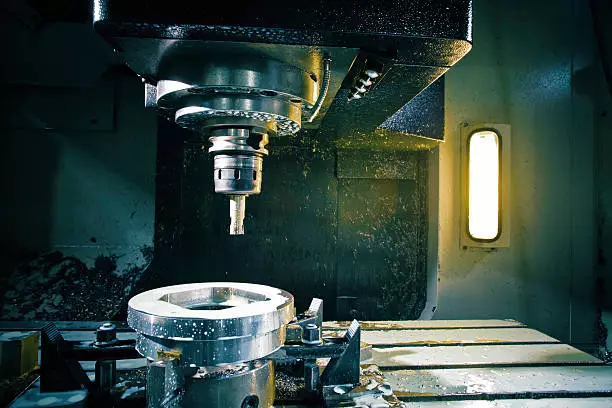
If you’re exploring CNC machining for your next project, you probably know how vital precision and efficiency are in modern manufacturing. But what exactly makes CNC processing stand out? From aerospace parts to custom prototypes, understanding the technology behind CNC milling, turning, and more can help you make smarter decisions for quality and cost. In this guide, you’ll get clear, practical insights into how CNC machining works and why partnering with an expert like MS Machining ensures you get the best results every time. Ready to dive in? Let’s get started.
What is CNC Machining? Understanding Computer Numerical Control Technology
CNC machining, or Computer Numerical Control machining, is a precise manufacturing process that uses programmed computer software to control the movement of machinery and tools. Unlike traditional manual machining, which relies heavily on operator skill, CNC machining automates the cutting, drilling, milling, and turning tasks, delivering consistently high-quality parts with minimal human intervention.
The evolution from manual to CNC machining marked a significant leap in manufacturing capabilities. Before CNC, machinists controlled lathes and mills by hand, which limited speed, complexity, and precision. With CNC technology, designs created through CAD (Computer-Aided Design) are converted into a code — typically G-code — that directs machines to perform exact, repeatable movements. This automation enhances productivity and reduces errors.
Key differences between conventional machining and CNC machining include:
- Precision & Consistency: CNC machines provide unmatched tolerance control that is difficult with manual methods.
- Automation: CNC requires less manual involvement, allowing complex shapes and multi-axis operations.
- Speed & Efficiency: CNC can operate continuously with minimal downtime, speeding up production cycles.
- Complexity: CNC easily handles intricate geometries that are often impossible with traditional machining.
In , CNC machining transforms raw materials into high-precision components through computer-driven processes, revolutionizing how parts are manufactured across industries.
How CNC Machining Works
CNC machining starts with a digital design, usually created using CAD (Computer-Aided Design) software. This design is then translated into a detailed machining plan using CAM (Computer-Aided Manufacturing) software. The CAM program generates G-code, which is a set of instructions the CNC machine reads to control movement and operations.
Once the G-code is loaded, the machine is set up by selecting the right tooling and securing the raw material. CNC machines use precise movements guided by the G-code to cut, drill, or shape the part exactly as designed. Whether it’s milling, turning, or drilling, the process runs automatically, ensuring consistent accuracy.
The entire workflow—from initial design to the finished component—is tightly controlled and repeatable. Proper setup and tooling are crucial for quality output, while CAM programming helps optimize cutting paths to reduce waste and machining time. This integrated approach allows for efficient production of complex parts with high precision and surface quality. For specialized machining needs like custom metal parts, exploring advanced processes such as those found in custom CNC machining bronze services can provide tailored solutions.
Main Types of CNC Machining Processes
CNC machining covers a variety of processes tailored to different manufacturing needs. The most common method is CNC milling, which can involve 3-axis, 4-axis, or 5-axis machines. Each adds more flexibility and precision by enabling complex cuts from multiple angles, ideal for intricate parts and tight tolerances.
Next is CNC turning, often done on lathes, which rotates the workpiece against cutting tools to create round shapes like shafts and bushings. This method excels at producing symmetrical parts quickly and accurately.
Other essential operations include drilling, for making precise holes, threading, to add screw threads, and grinding, which improves surface finish and dimensional accuracy. Additionally, processes like boring and tapping are crucial for enlarging holes and cutting internal threads, respectively.
Together, these CNC machining processes offer versatility in producing complex components from metals like aluminum and stainless steel, as well as plastics. For precision milling projects, you can check out our approach to rapid CNC machining and speed precision applications for more insights.
Materials Used in CNC Machining
CNC bearbeitung involves a wide range of materials, with metals being the most common choice. Aluminum is popular for its lightweight and excellent machinability, making it ideal for aerospace and automotive parts. Stainless steel offers strength and corrosion resistance, perfect for medical devices and industrial components. Brass and titanium are also frequently used, with brass favored for its electrical conductivity and titanium for its superior strength-to-weight ratio.
Beyond metals, plastics and composites are gaining ground in CNC machining. Materials like ABS, nylon, and polycarbonate are used when weight reduction, chemical resistance, or electrical insulation is critical. Composites offer high strength and low weight but require specialized tooling.
When selecting materials for CNC projects, several factors come into play:
- Mechanical properties: Strength, hardness, and flexibility depending on the application
- Thermal characteristics: Heat resistance and thermal expansion
- Cost considerations: Balancing material price with machining and finishing costs
- Surface finish requirements: Some materials machine smoother than others, affecting final quality
Choosing the right material is key to ensuring optimal performance and cost-efficiency in your CNC machined parts. For precision aluminum machining that meets tight tolerances and demanding specifications, you can explore specialized services tailored to these materials here.
Advantages of CNC Machining
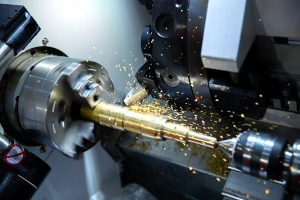

CNC Bearbeitung offers many benefits that make it the top choice for precision manufacturing in the U.S. Here’s what stands out:
-
Superior Precision and Tight Tolerance Control
CNC machining consistently delivers high-precision components with tight tolerances, essential for industries like aerospace and medical devices.
-
High Repeatability for Prototypes and Production Runs
Once programmed, CNC machines produce identical parts over and over, ensuring reliability whether you need one prototype or thousands of final units.
-
Efficiency with Complex Geometries and Reduced Waste
Multi-axis CNC machining handles intricate shapes easily, reducing material waste compared to manual processes.
-
Cost-Effectiveness for Small to Medium Volumes
CNC machining balances setup costs and production speed, making it ideal for small to medium production runs without sacrificing quality.
- Comparison to Other Manufacturing Methods
| Feature | CNC Machining | Manual Machining | 3D Printing |
|---|---|---|---|
| Precision & Tolerances | High (±0.001 in) | Moderate | Lower (typically ±0.01 in) |
| Repeatability | Excellent | Low | Moderate |
| Material Flexibility | Wide range (metals & plastics) | Limited | Mostly plastics & composites |
| Surface Finish | Smooth, ready for use | Variable | Often requires post-processing |
| Cost per Unit (small runs) | Competitive | High labor cost | Low setup but slower for metals |
For businesses seeking high-precision components and consistent quality, CNC machining remains the most reliable and versatile option. To explore expert CNC services tailored to your needs, check out our precision CNC machining services and CNC engineering solutions.
Key Considerations for High-Precision CNC Machining
When it comes to high-precision CNC machining, tight tolerance control is crucial. Achieving and maintaining these tolerances requires careful calibration of the machine and consistent monitoring throughout the process. Even minor deviations can impact the final part’s functionality, especially in industries like aerospace or medical devices where precision is non-negotiable.
Surface finishing is another key aspect. Techniques like anodizing, polishing, and coating not only improve the part’s appearance but also enhance durability and corrosion resistance. Choosing the right finishing method depends on the material being machined and the part’s intended use.
Quality control and inspection play a major role in high-precision machining. Using tools like coordinate measuring machines (CMM), optical comparators, and laser scanners ensures each part meets the required specifications. Regular inspections help catch issues early, reducing waste and rework.
Some common challenges in precision CNC machining include tool wear, thermal expansion, and machine vibrations. Overcoming these involves:
- Using high-quality, wear-resistant tooling
- Applying coolant systems to manage heat buildup
- Implementing vibration damping techniques
- Fine-tuning machine parameters for optimal performance
By focusing on these factors, manufacturers can deliver highly accurate, consistent parts that meet demanding specifications. For a deeper look at tolerance control and surface finishing, check out our detailed guide on high-precision machining to better understand the full scope of CNC capabilities.
Applications and Industries Served
CNC Bearbeitung plays a crucial role across many industries, thanks to its precision and versatility. In aerospace, CNC machining is essential for creating parts that meet strict safety and performance standards, such as engine components and structural frames. The automotive sector relies on CNC milling and CNC turning for producing durable, high-quality parts like transmission gears and custom prototypes.
Medical devices also benefit from CNC machining, where high-precision components such as surgical instruments and implants require tight tolerance control. Electronics manufacturing uses CNC processes for fabricating small, detailed parts with complex geometries, including housings and connectors.
Additionally, CNC machining supports tooling and production parts across custom and large-scale manufacturing. Real-world examples include aerospace brackets, automotive engine blocks, and medical-grade stainless steel parts. For specialized needs in aerospace CNC machining, companies like MS Machining offer tailored solutions to meet industry demands.
By combining processes such as 5-axis machining, milling, and turning, CNC machining adapts to various materials—from aluminum to titanium—serving multiple sectors with reliable, precise components. For comprehensive capabilities, explore MS Machining’s full range of CNC machining services, designed specifically for demanding industries.
Why Choose MS Machining for Your CNC Needs?
MS Machining stands out as a reliable partner for all your CNC bearbeitung needs. Here’s why many U.S. businesses trust us for precision machining:
| Capability | Description |
|---|---|
| Multi-axis milling | Expert 3-axis, 4-axis, and advanced 5-axis CNC milling for complex parts |
| CNC turning | High-quality turning and lathe operations for accurate finishes |
| Precision finishing | Surface finishing services including polishing, anodizing, and coatings |
We focus on delivering:
- Quality assurance: Every part meets tight tolerance control for consistent results.
- On-time delivery: Your schedule matters. We ensure reliable lead times and fast turnaround.
- Customer support: Responsive service and clear communication throughout your project.
- Material expertise: Skilled in working with metals like aluminum, stainless steel, titanium, plus plastics and composites.
With years of experience handling complex CNC machining projects, MS Machining is equipped to tackle both prototypes and full production runs. Our capabilities cover everything from initial CAD/CAM programming to the final quality inspection.
For detailed insights on our multi-axis milling services, check out our CNC milling capabilities and discover how we manage precision and efficiency in manufacturing.
Choose MS Machining for dependable CNC machining solutions tailored to your exact needs.
FAQs about CNC Bearbeitung
What tolerances can CNC machining achieve?
CNC machining offers highly precise tolerance control, typically within ±0.001 inches (±0.025 mm) for most parts. With specialized setups, tolerance can reach even tighter levels, which is essential for high-precision components used in aerospace or medical devices.
How does CNC machining compare to 3D printing?
CNC machining is a subtractive process that removes material from a solid block, offering superior surface finish, strength, and tighter tolerances than 3D printing. While 3D printing is great for quick prototypes and complex shapes, CNC machining excels in producing durable, precise metal and plastic parts.
What file formats are needed for CNC projects?
Most CNC machining centers require CAD/CAM files exported in formats like STL, STEP, IGES, or DXF. These files feed into the machine’s software, helping generate the G-code that controls the cutting paths during CNC milling or CNC turning.
Are there minimum order quantities and lead times?
Unlike mass production methods, CNC machining is flexible for both small prototype runs and medium-volume production. Lead times generally range from a few days to a couple of weeks, depending on complexity and material. Minimum order quantities are often low, making it ideal for custom machined parts.
What factors influence the cost of CNC machining?
Key cost factors include material choice (aluminum, stainless steel, titanium, etc.), part complexity, tolerance requirements, surface finishing, and production volume. The use of multi-axis CNC machining or specialized tooling can also affect overall pricing.
For those interested in advanced precision work, our CNC turning services and expertise in multi-axis machining ensure quality and reliability every time.